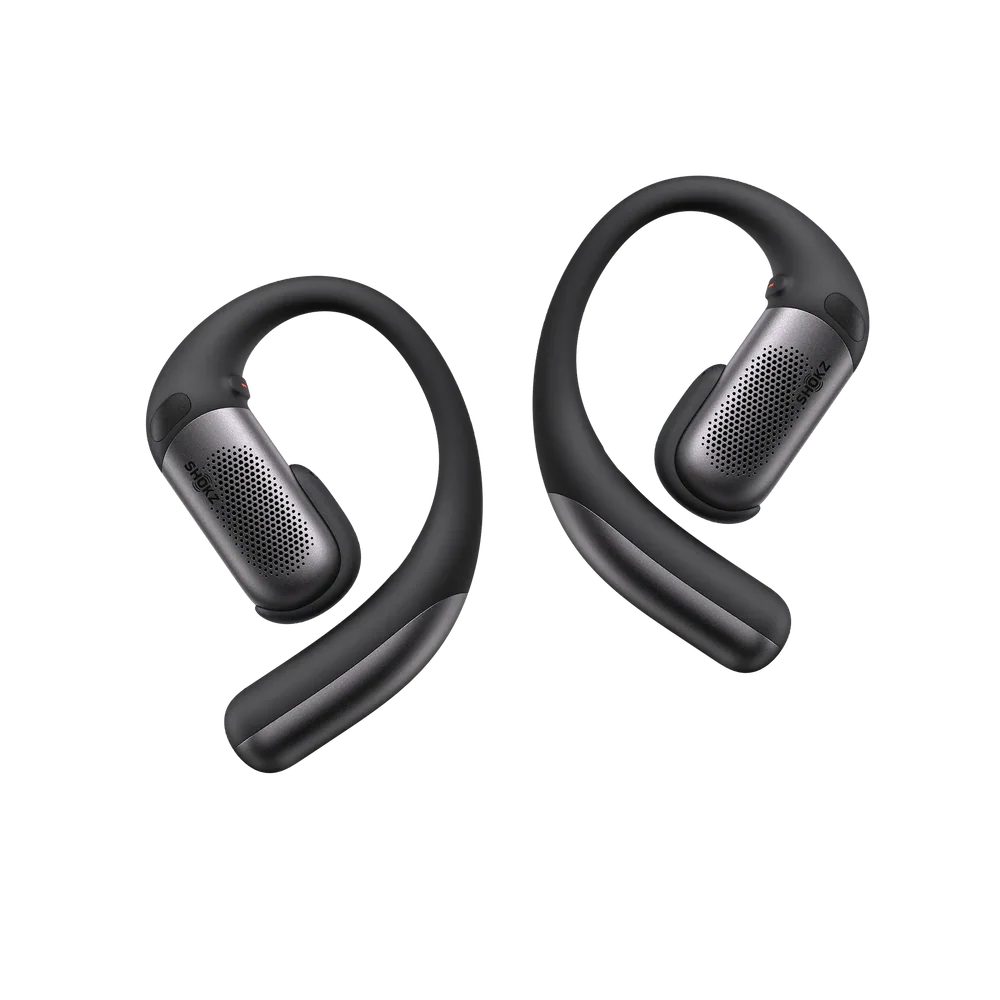
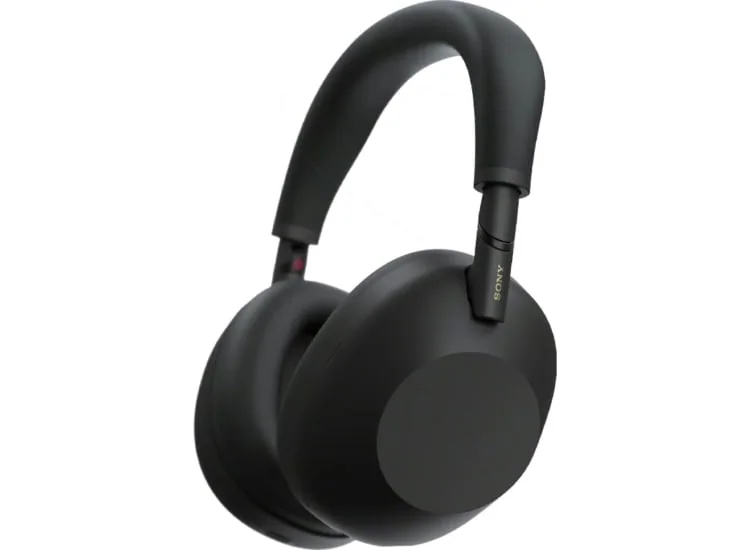
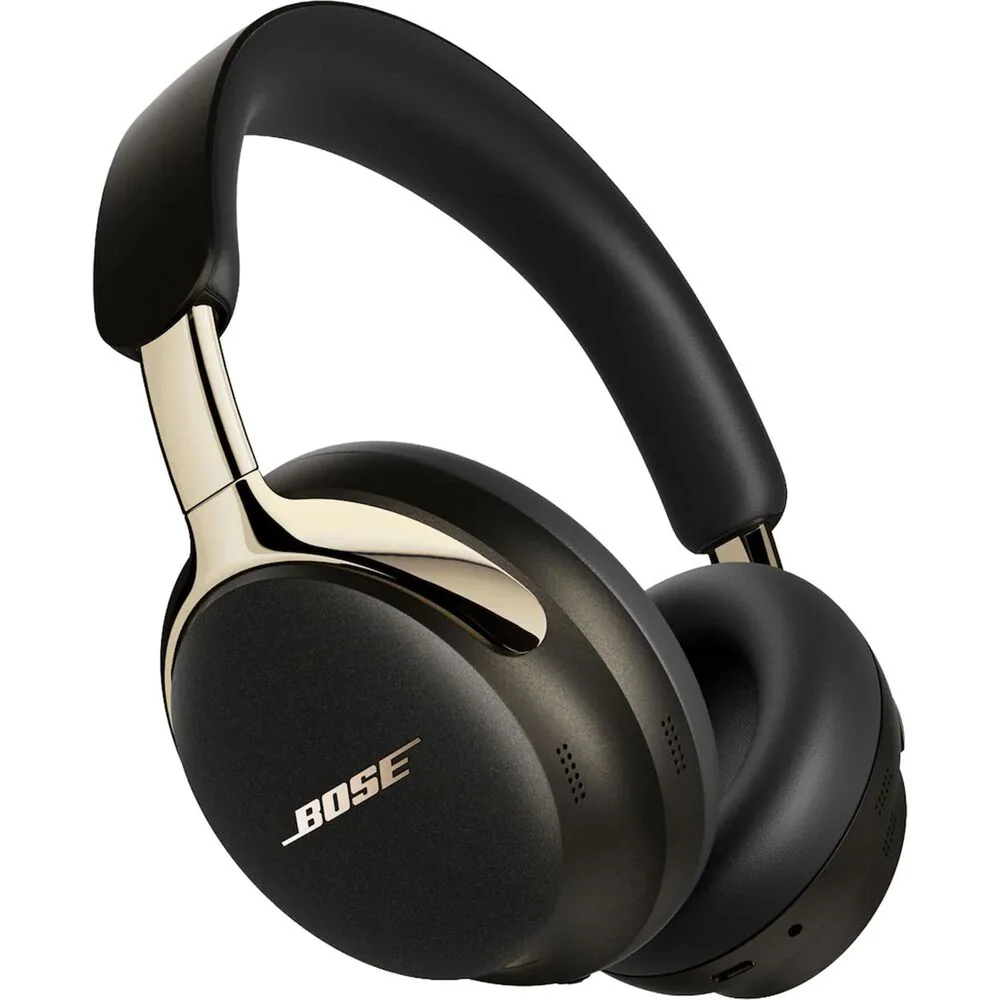
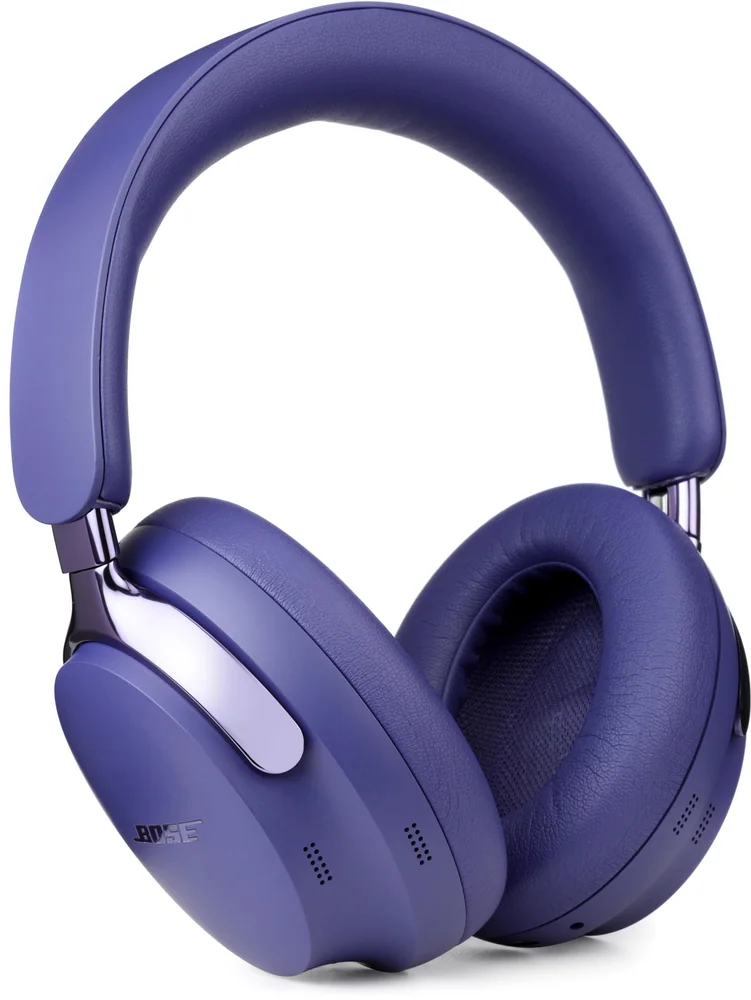
The wrong pair tends to reveal itself at the worst possible moment: a headband starts pinching halfway through a flight, an earbud slips loose during a run, or a bulky pair gets left at home because it will not fit in the bag. Sound matters, of course, but the format you will actually wear is the one that earns its place in your day. For long listening, travel, desk work, and a stronger sense of being inside the music, over-ear headphones usually have the advantage. For commuting light, taking calls between errands, and carrying music without planning around it, true wireless earbuds are usually the easier choice. The better format is not the one with the longer feature list. It is the one that creates the fewest small annoyances in the places you listen most.
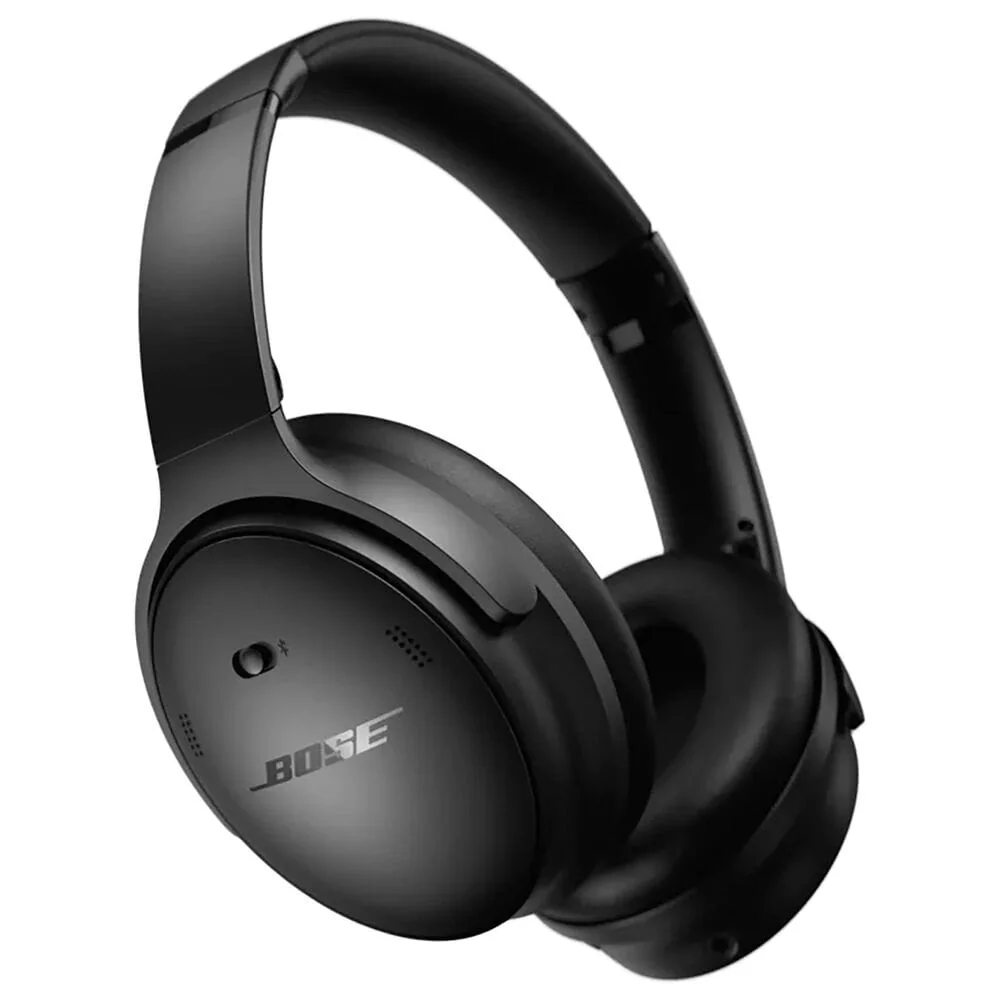
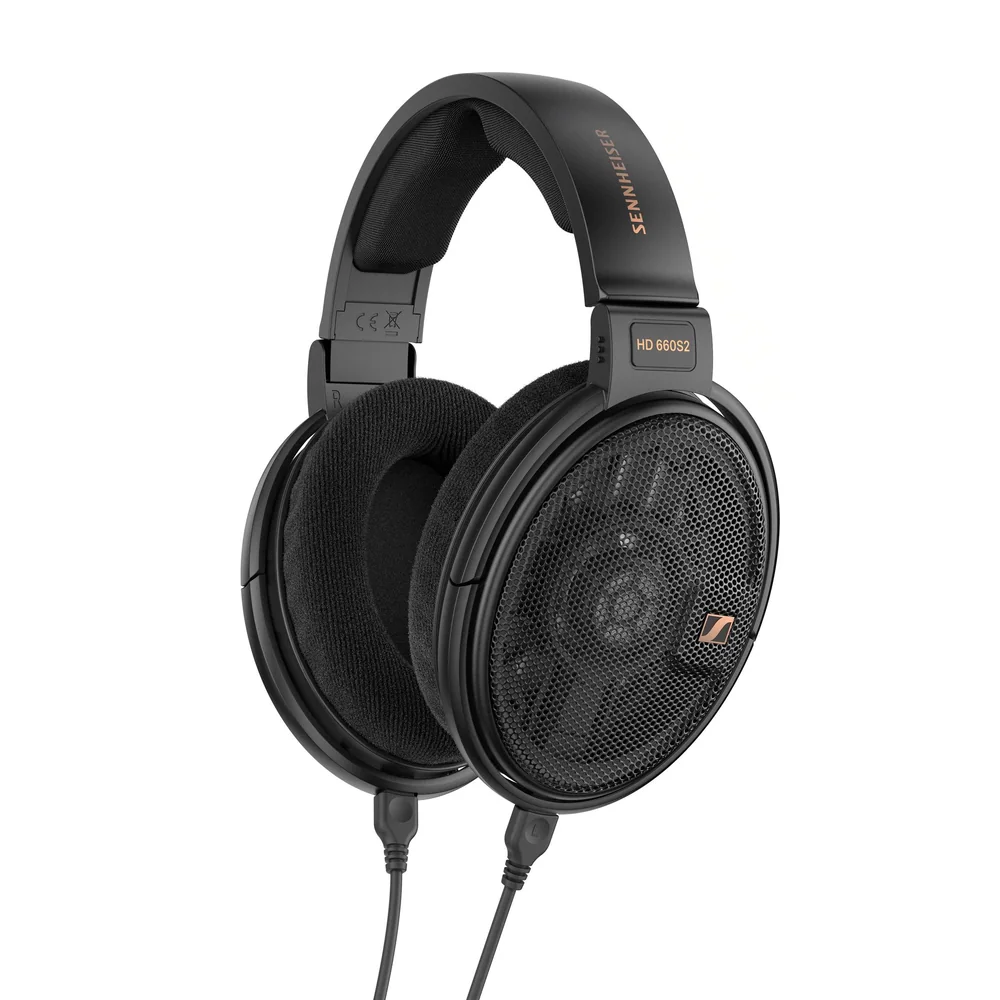
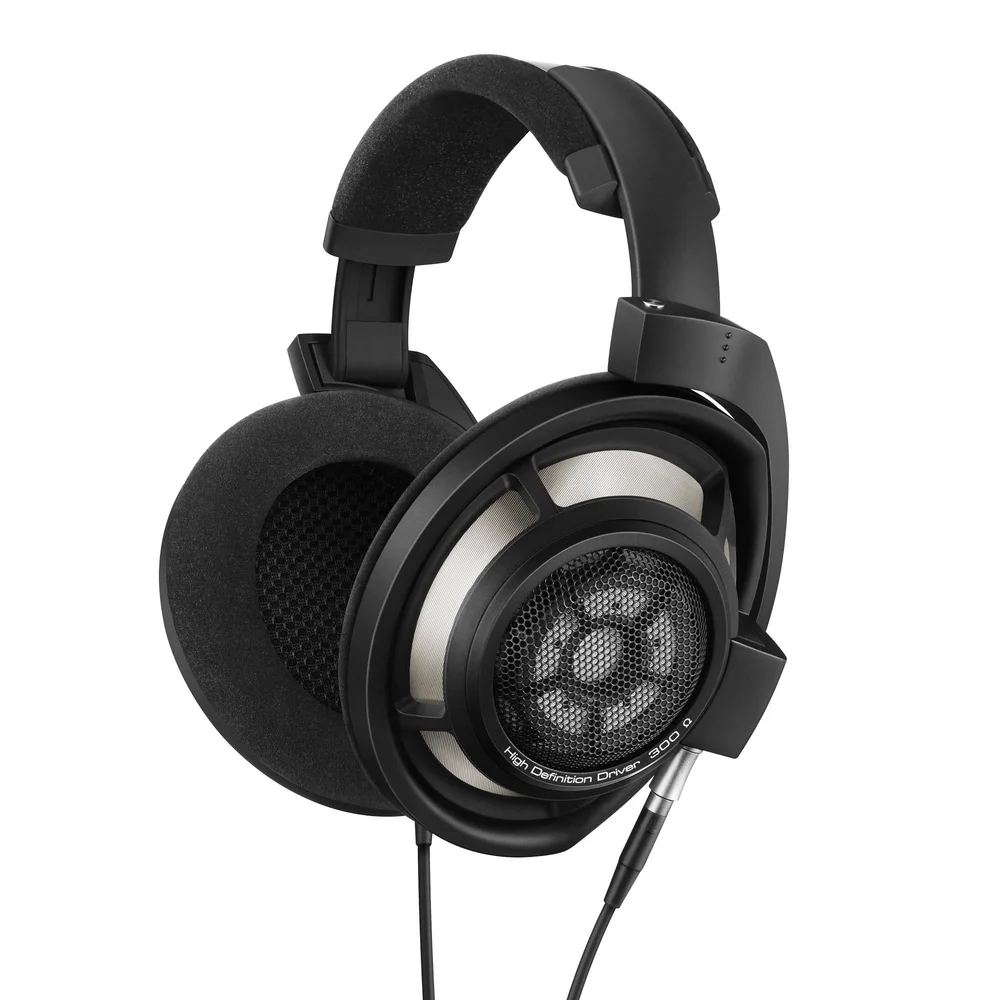
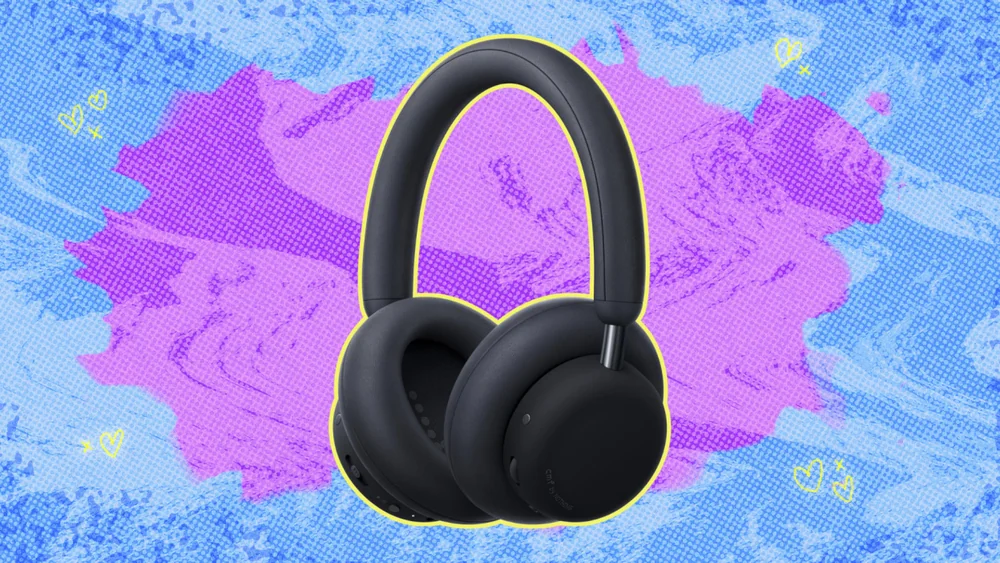
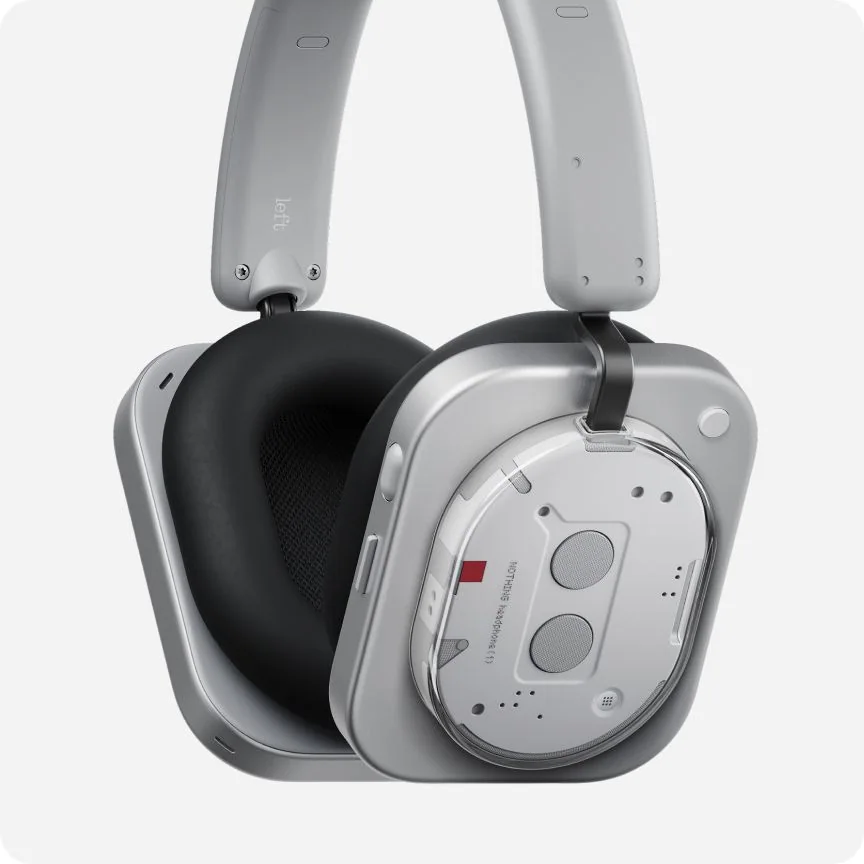
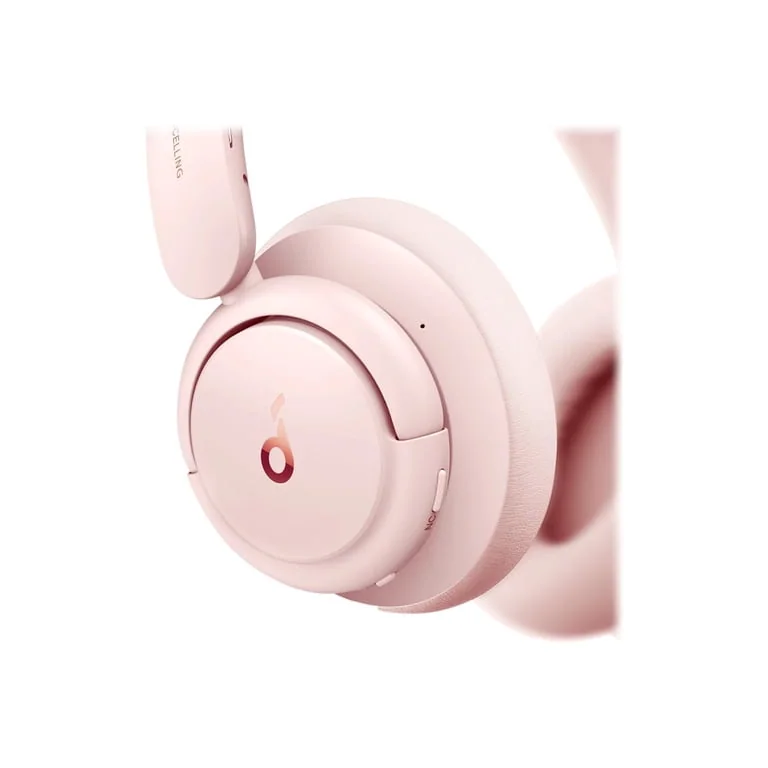
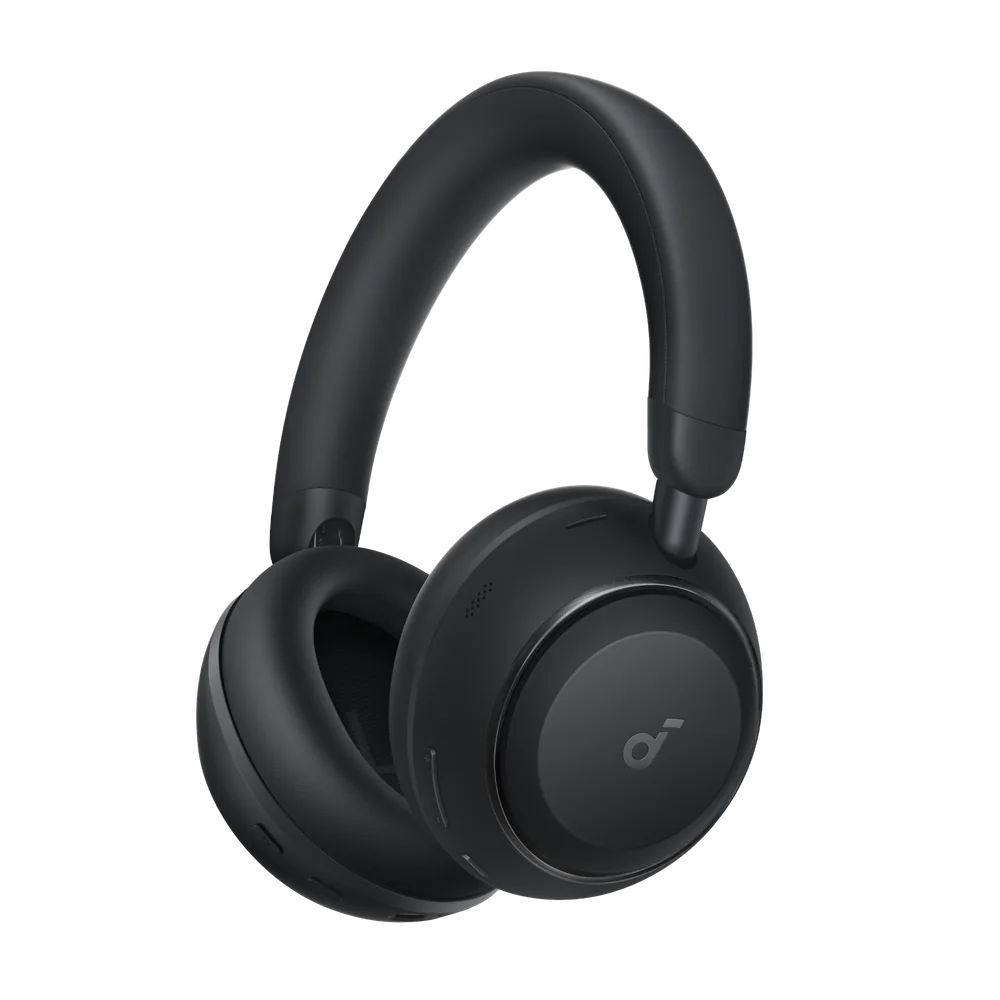
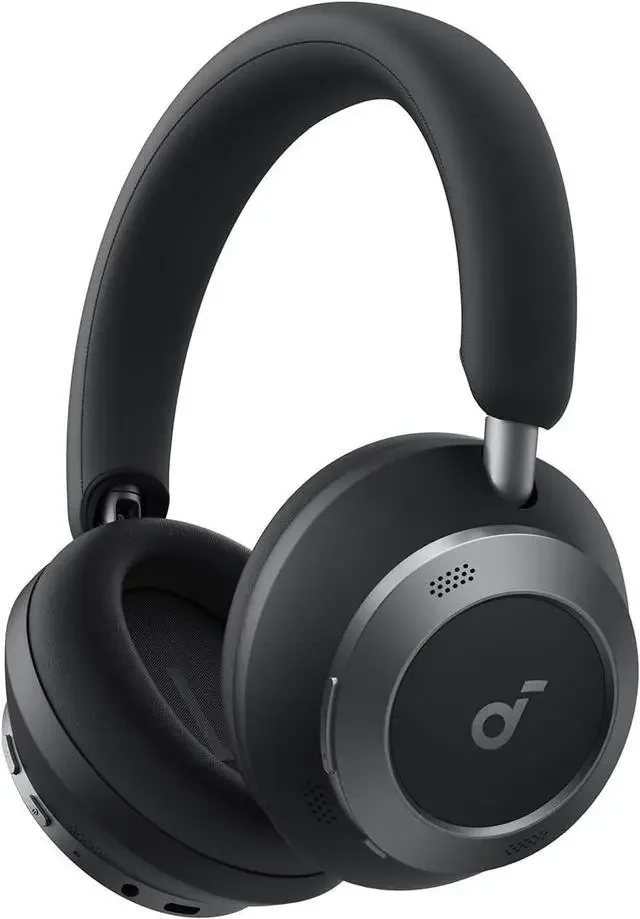
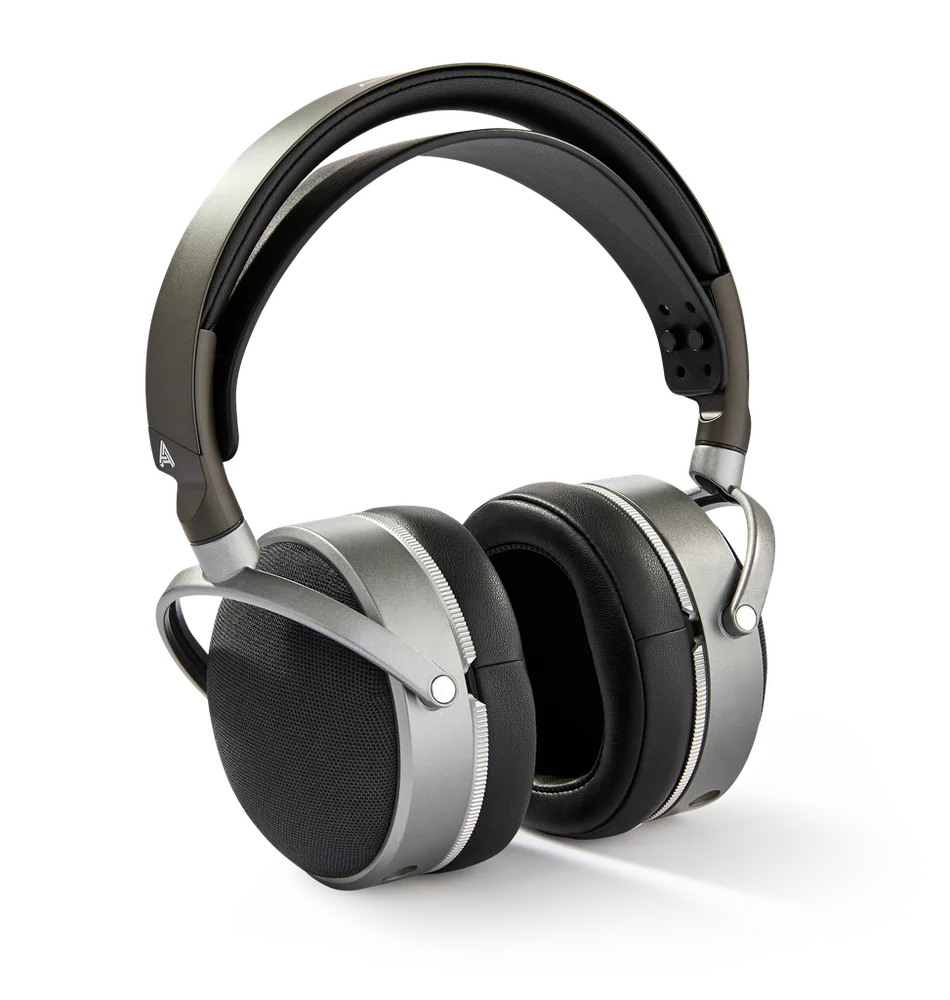
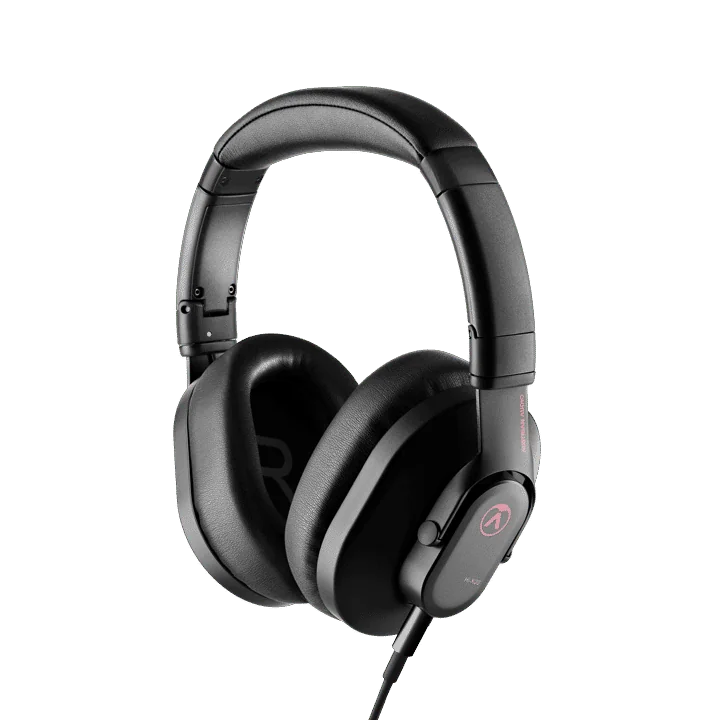
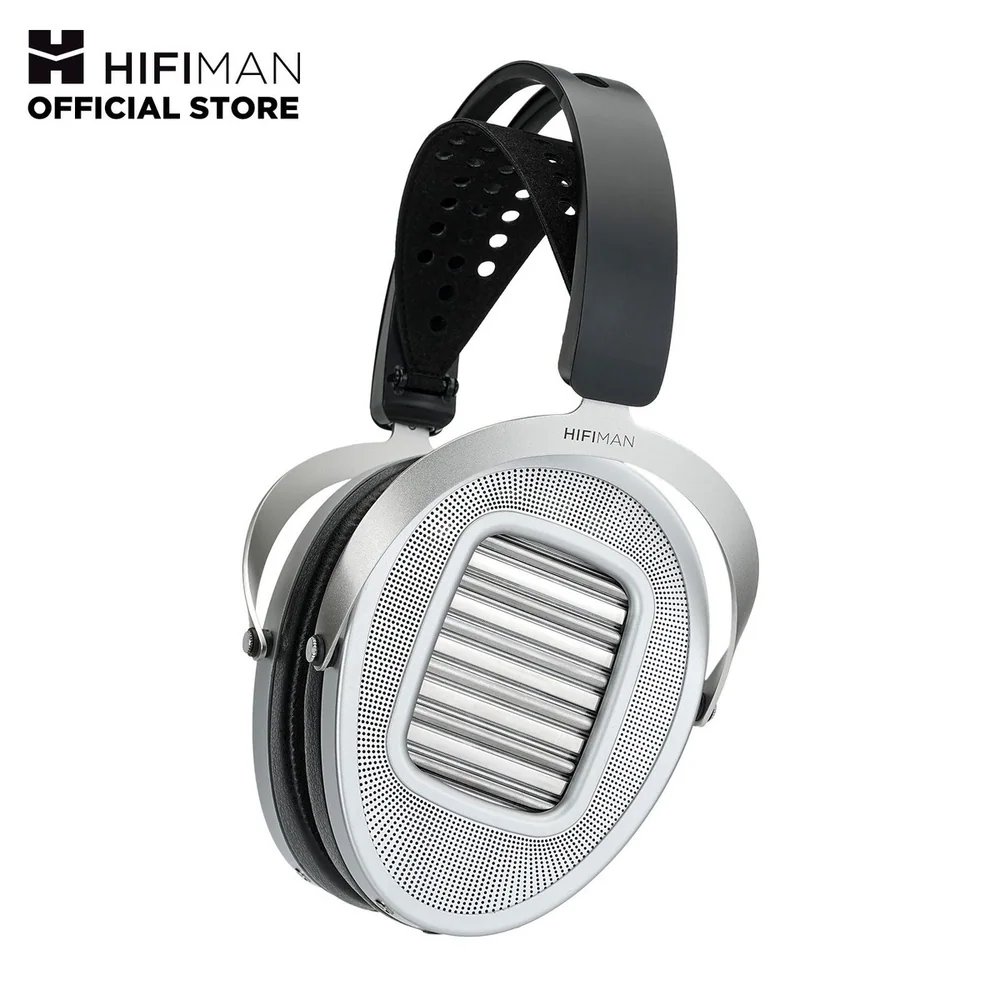
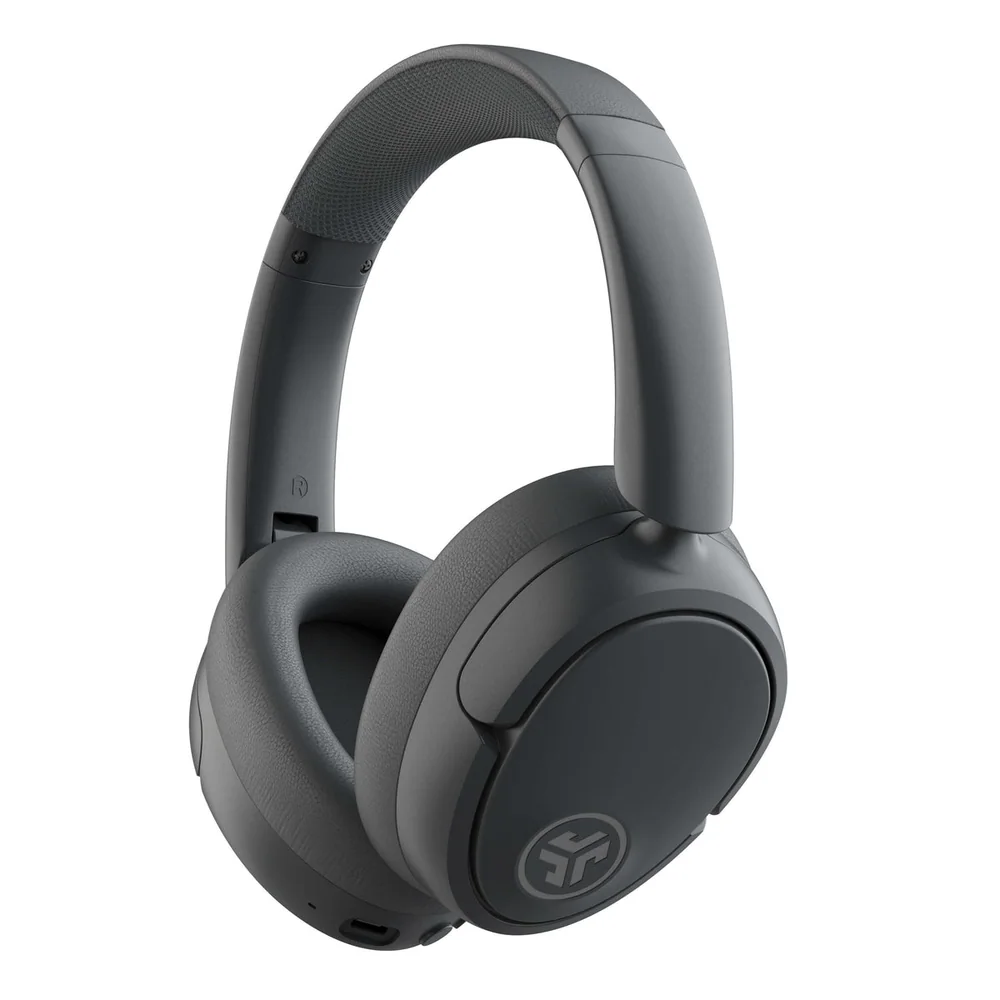
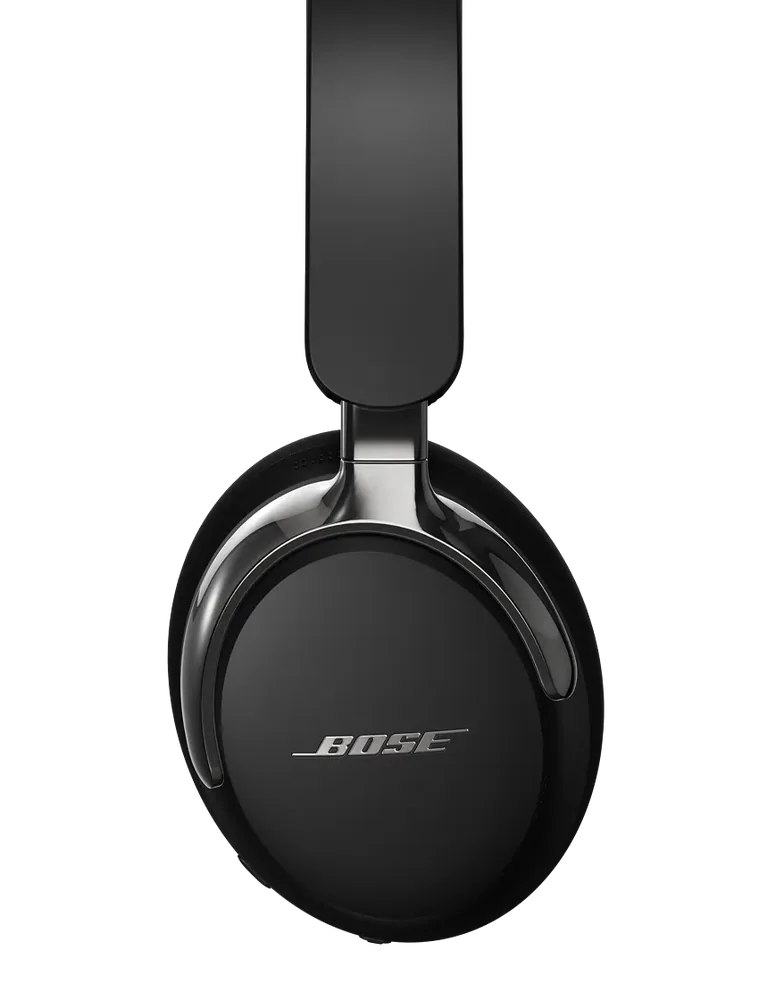
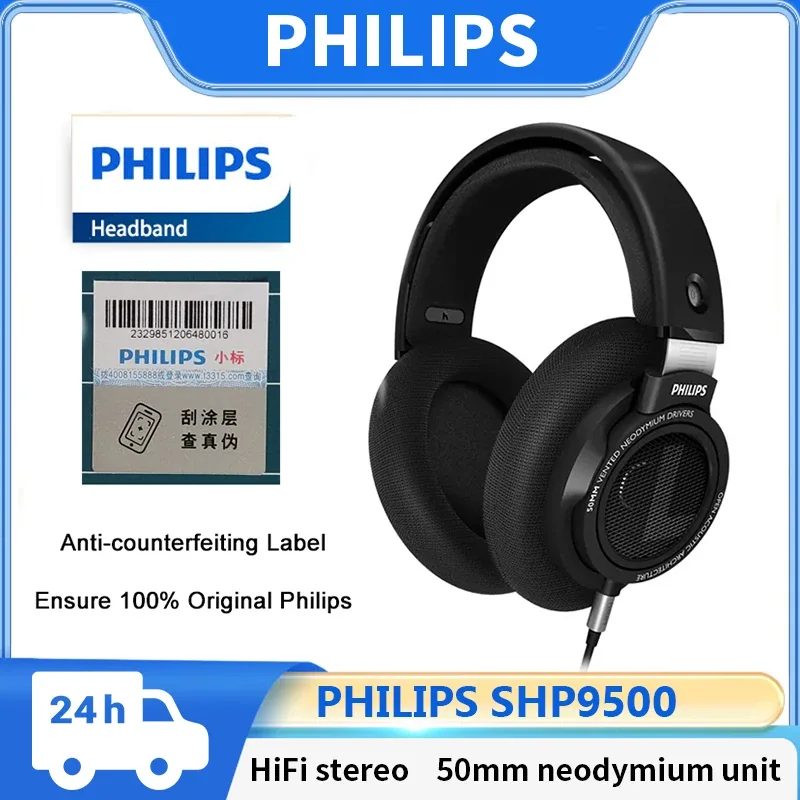
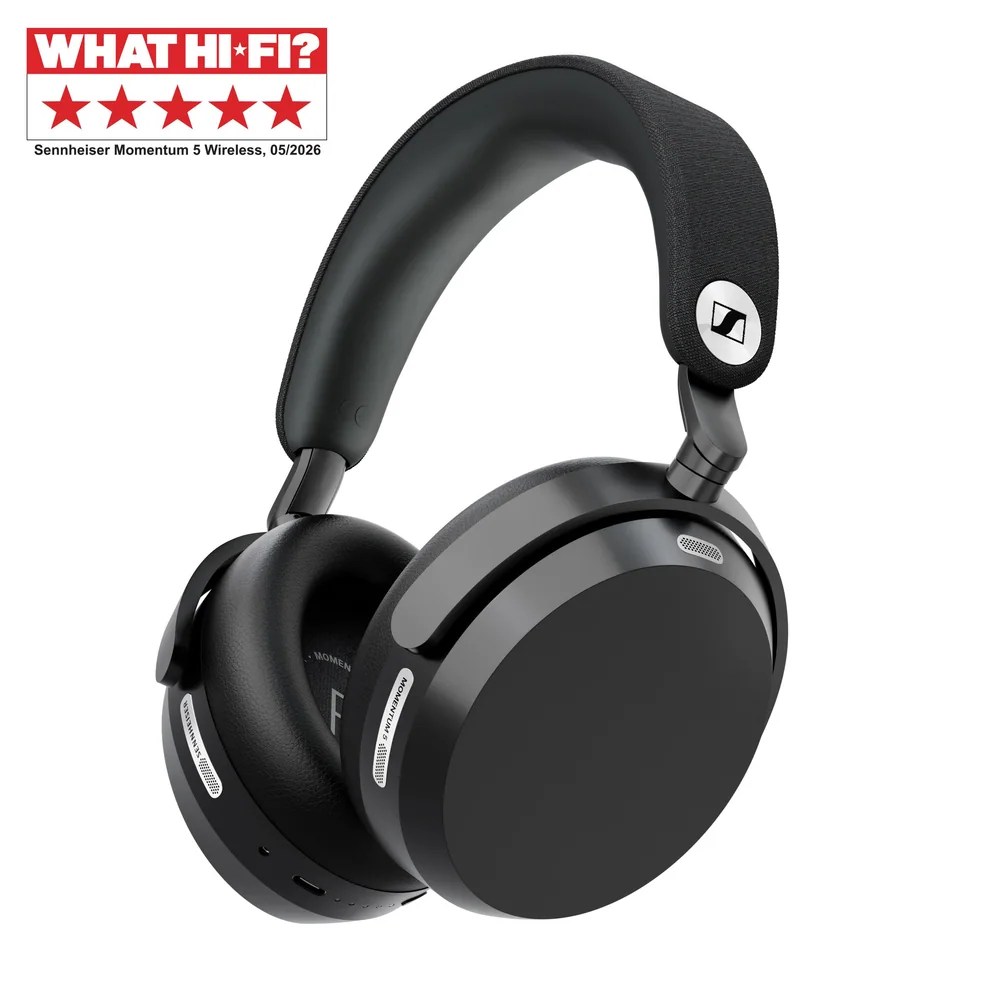
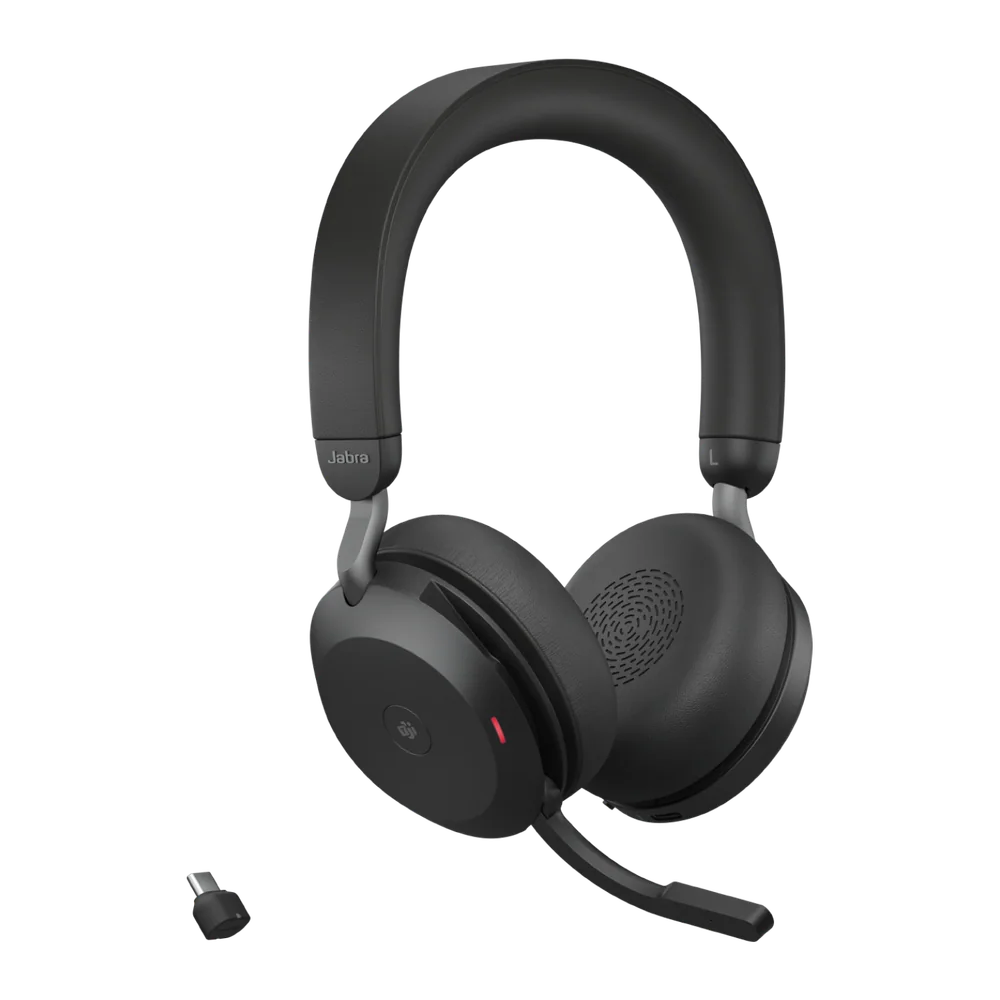
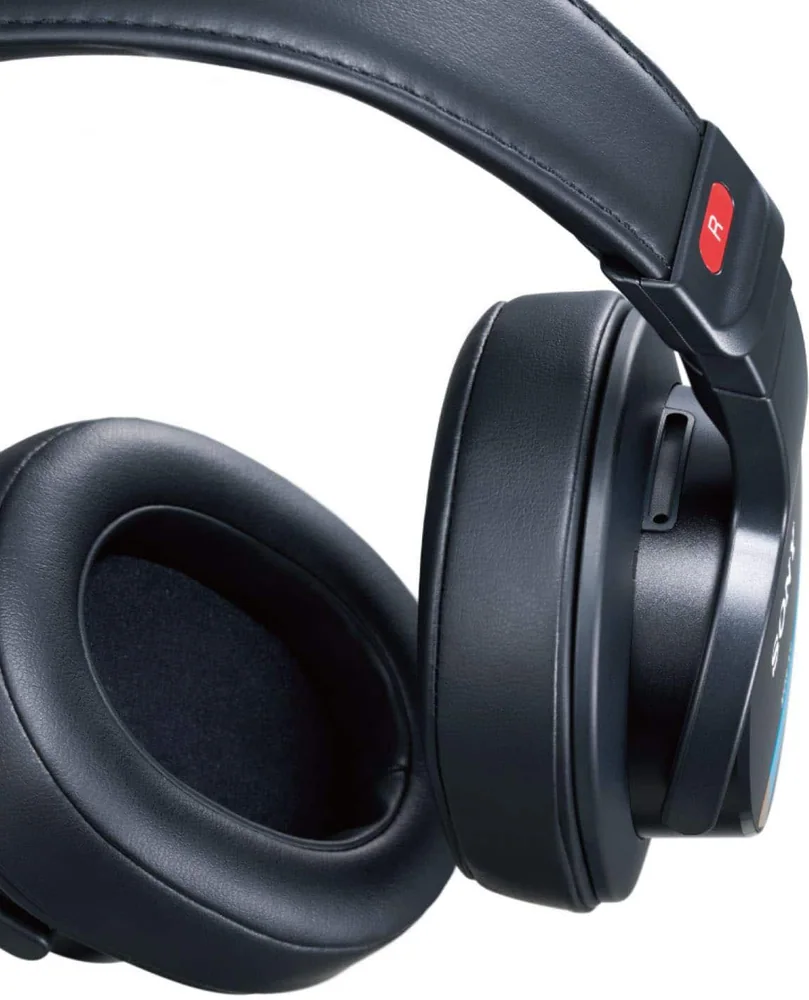
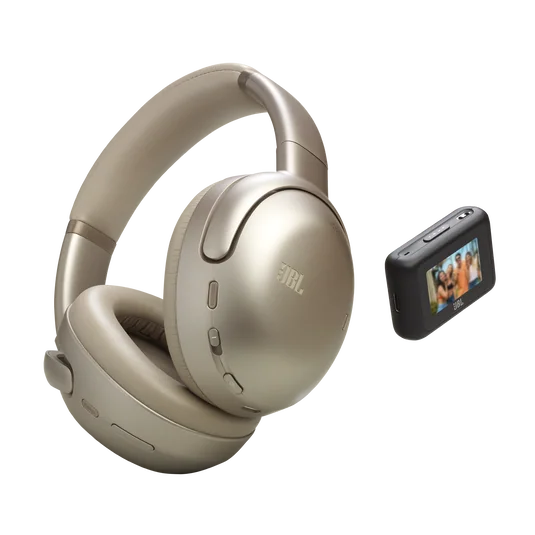
If music, meetings, movies, or podcasts regularly stretch past an hour, over-ear headphones are often the safer bet. Their ear cups surround the ears rather than pressing into the ear canal, and the headband spreads their weight across the head. A well-shaped pair can feel less fussy than earbuds that need occasional reseating, especially for desk work, long flights, or an evening album session.
That advantage is not automatic. Clamp force, the pressure a headband applies at the sides of your head, can turn a promising pair into a headache. Glasses can also break the seal around the ear pads, changing both comfort and bass response. Look closely at pad depth, headband adjustment, and weight, then remember that a pair worn for three hours has a different job from one worn for a 20-minute train ride.
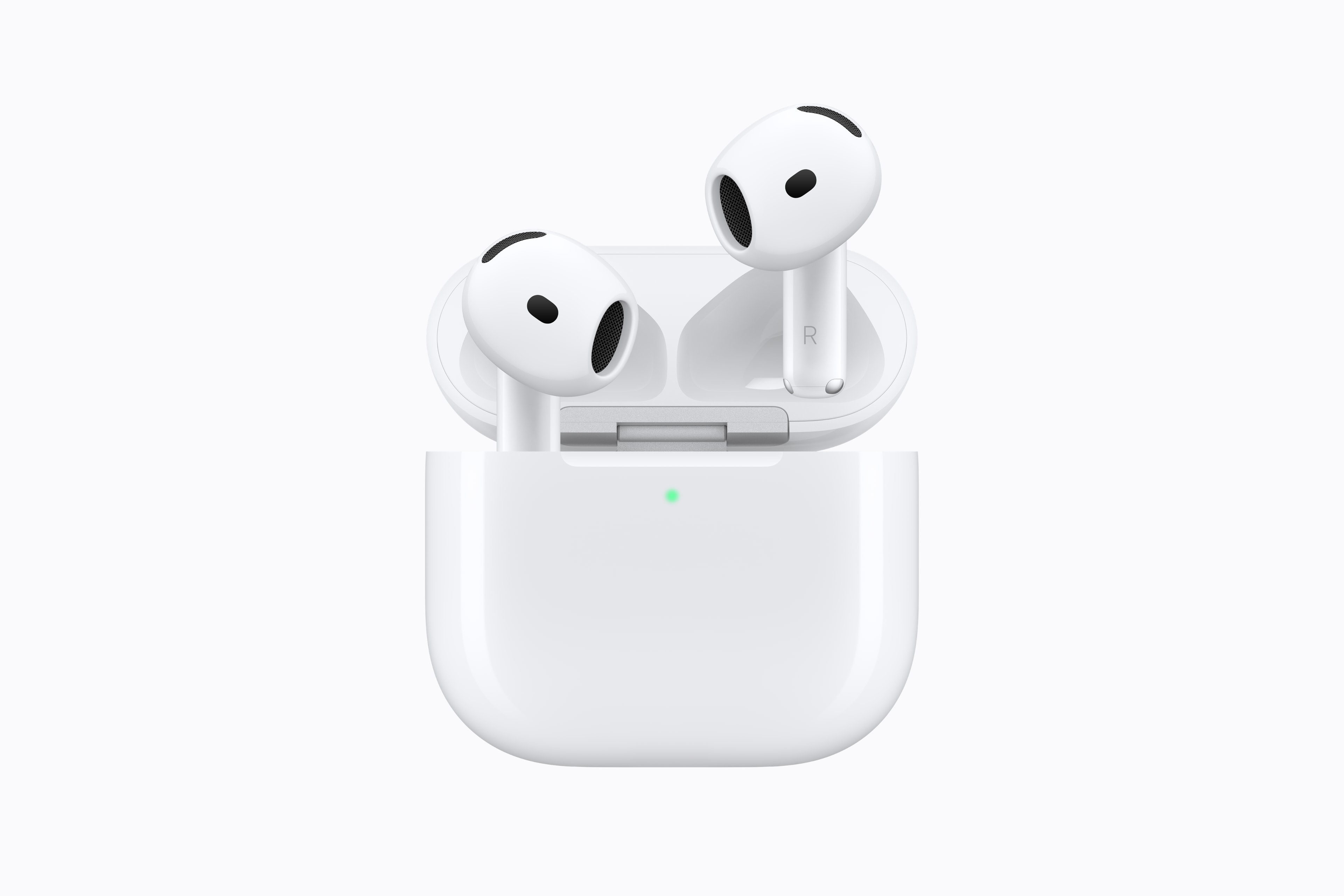
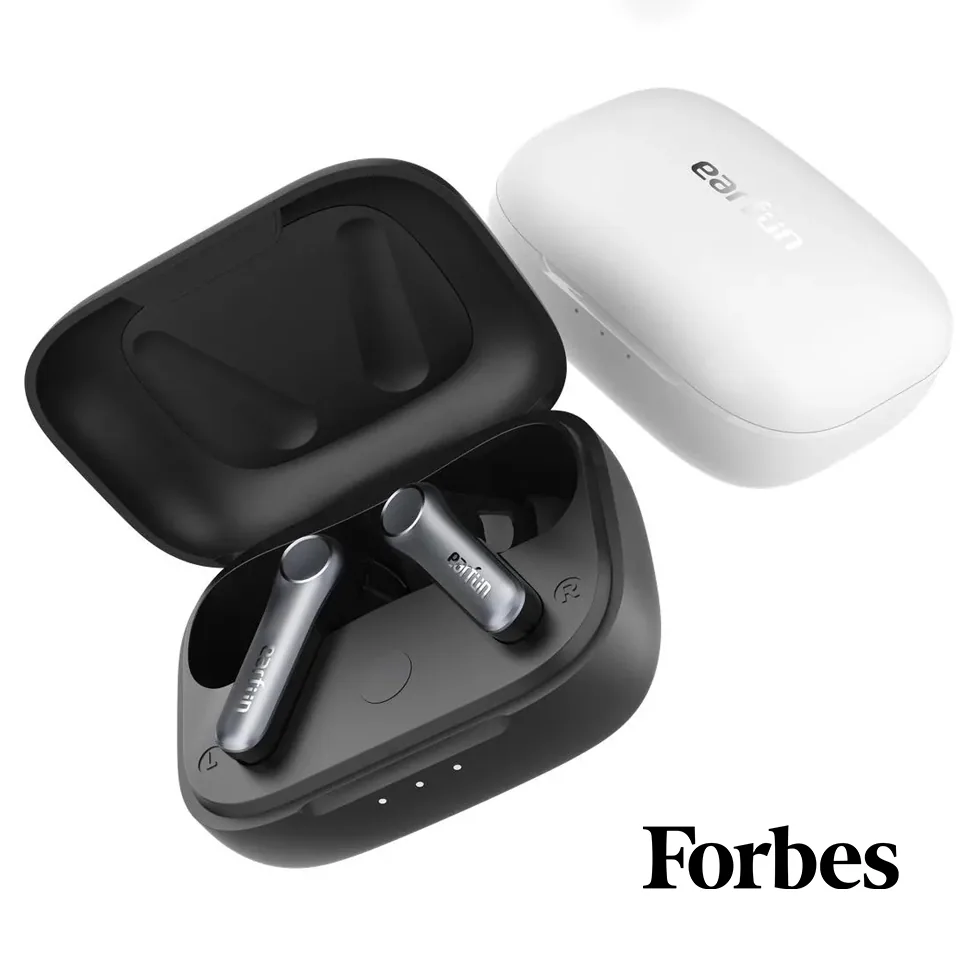
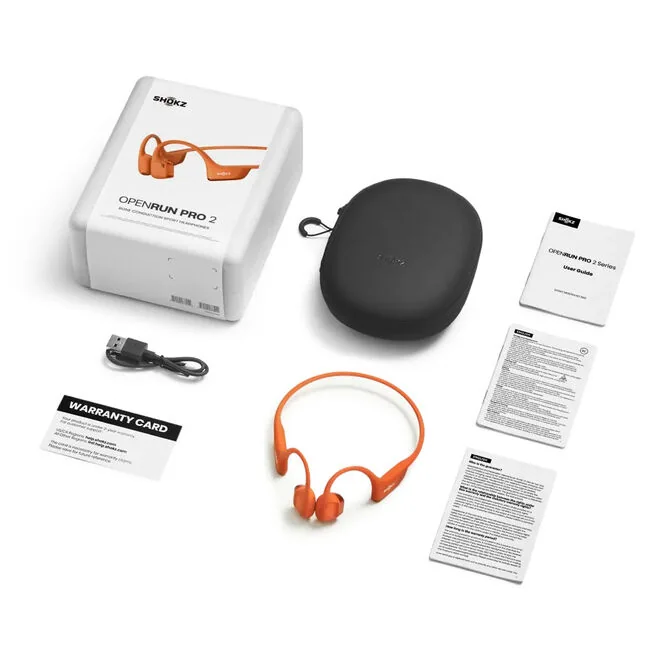
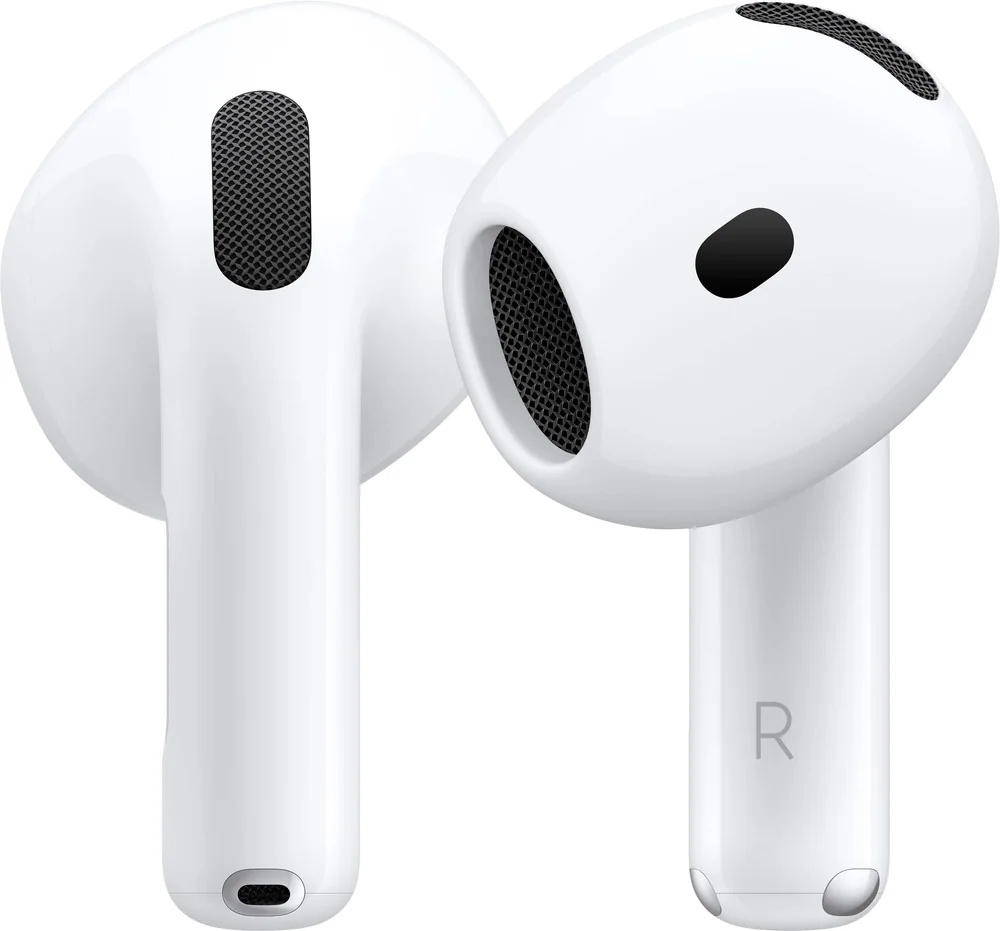
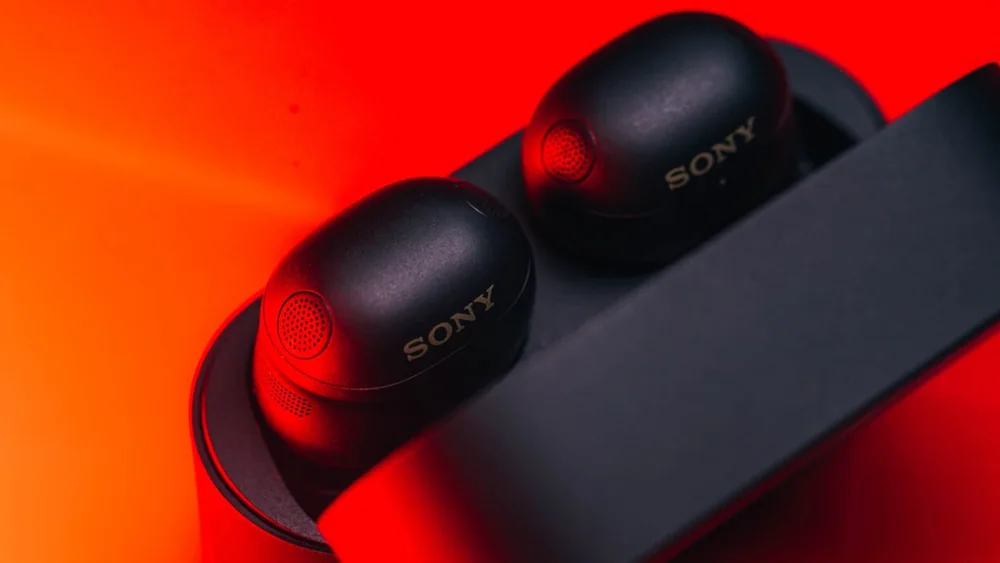
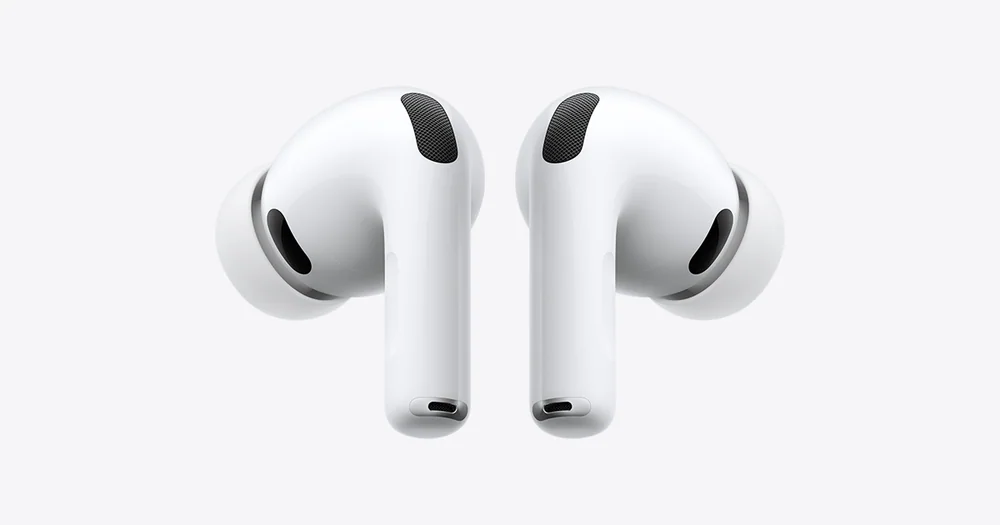
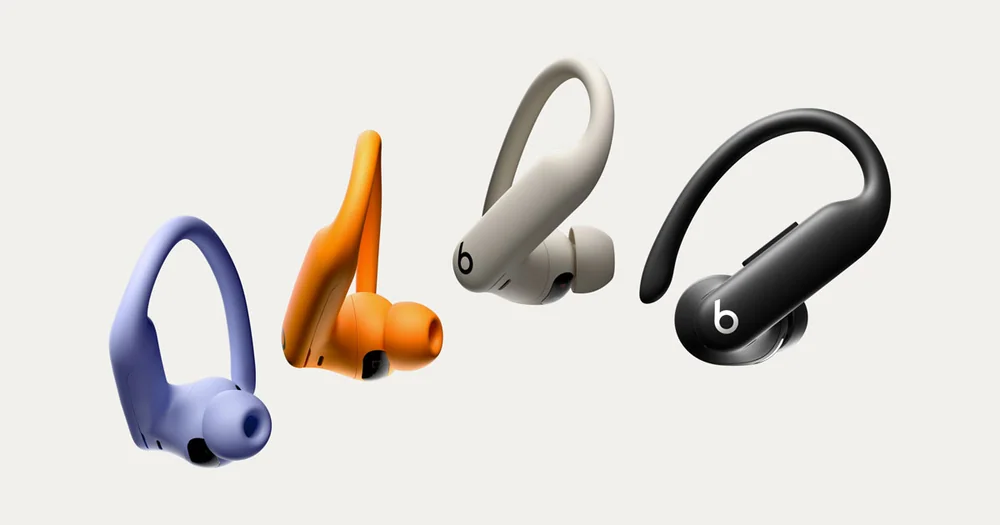
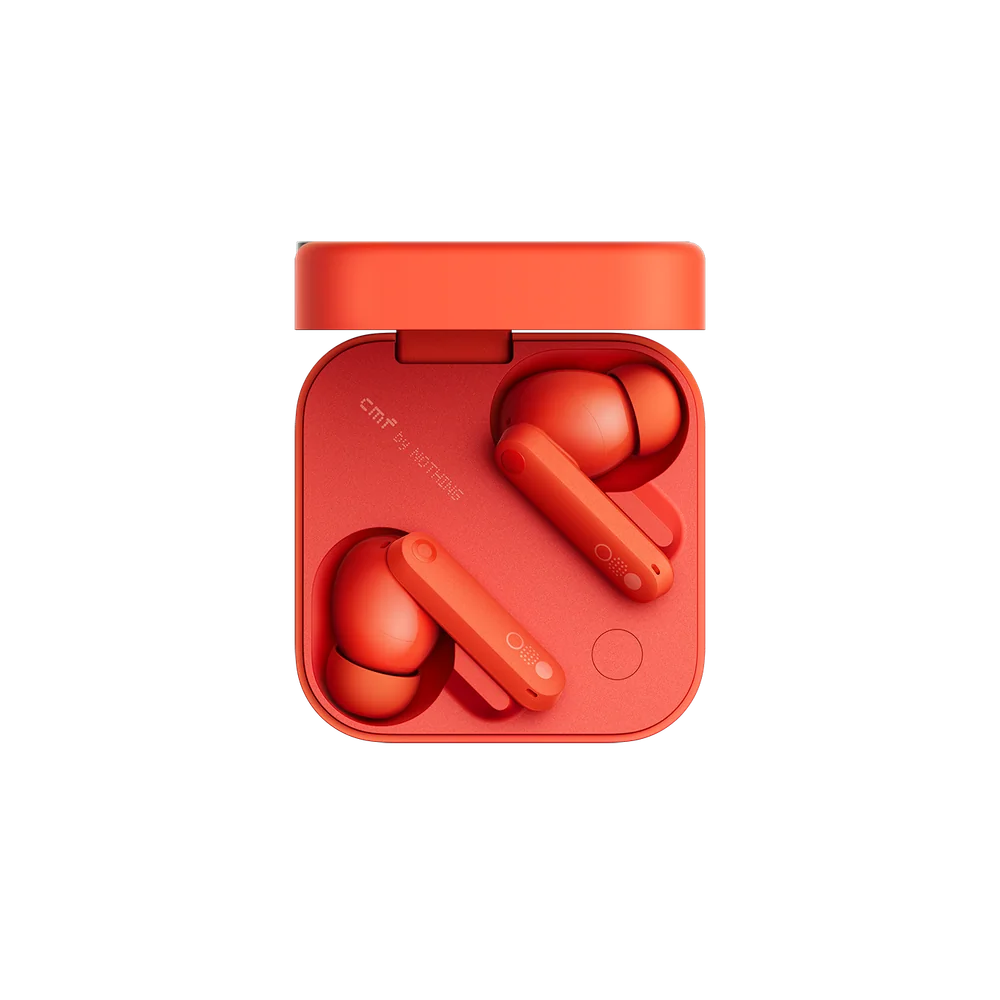
True wireless earbuds disappear into a pocket, which is their great practical talent. The charging case keeps them together, tops them up between uses, and makes it easy to bring them along without dedicating space in a backpack. For a commuter who moves from sidewalk to train to office, or someone who wants music available after a workout, that convenience can outweigh the fuller physical presence of over-ear headphones.
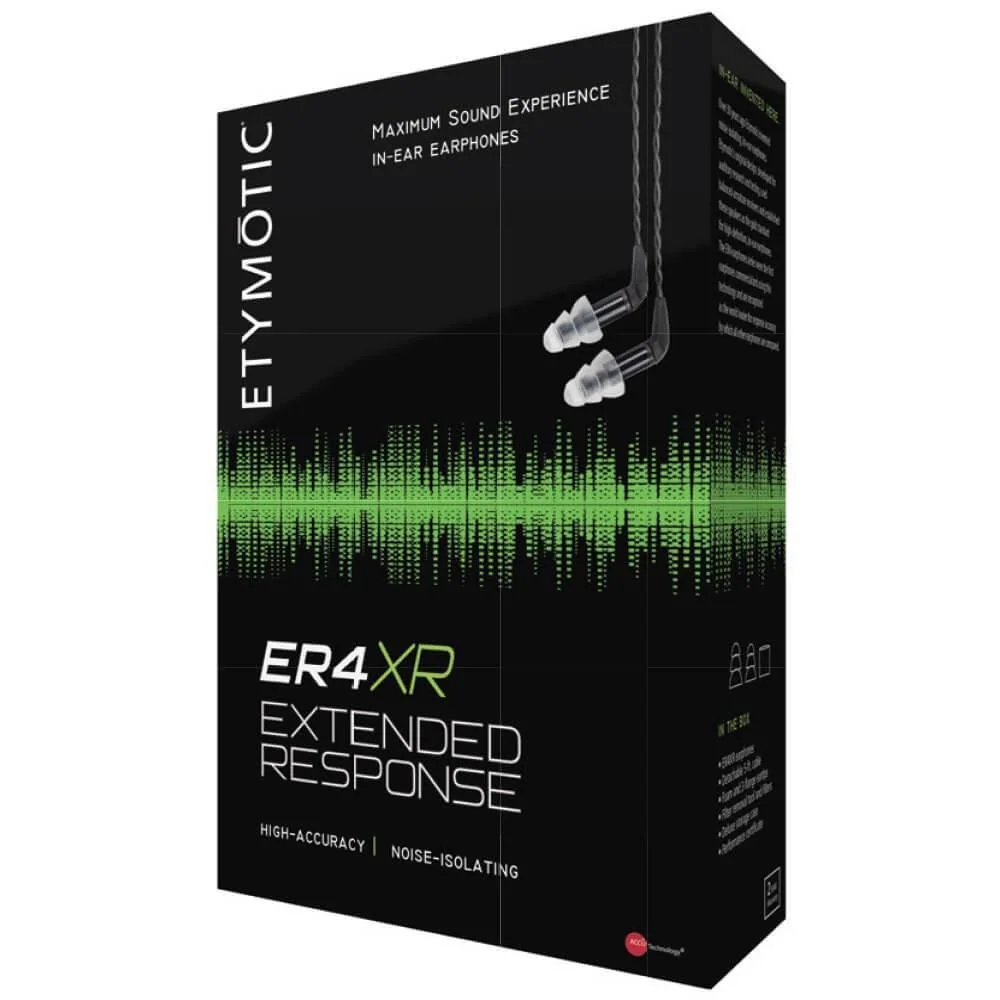
The catch is that earbuds ask more of your ears. Their tips and housings need to stay put without creating pressure, and a poor seal can make bass sound thin while letting in more outside noise. Ear shape is stubbornly personal, so multiple tip sizes are useful only if one actually creates a secure, comfortable seal. If earbuds slowly loosen while you talk, chew, sweat, or turn your head, their compactness will not rescue the experience.
What this means when shopping: Choose over-ear headphones when long-wear comfort, stronger isolation, and immersive listening shape your day; choose true wireless earbuds when portability, workouts, and effortless everyday carry matter more.