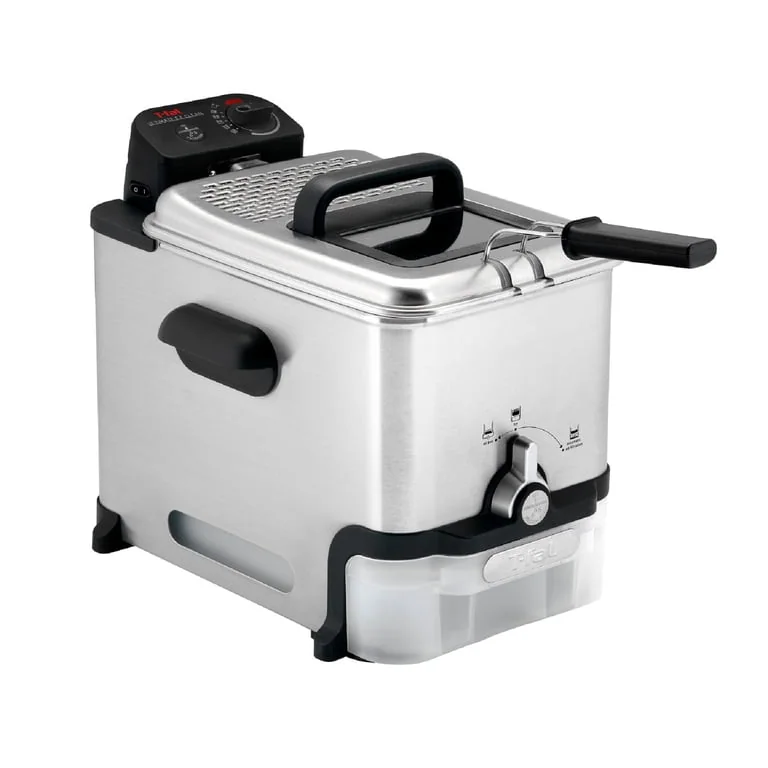
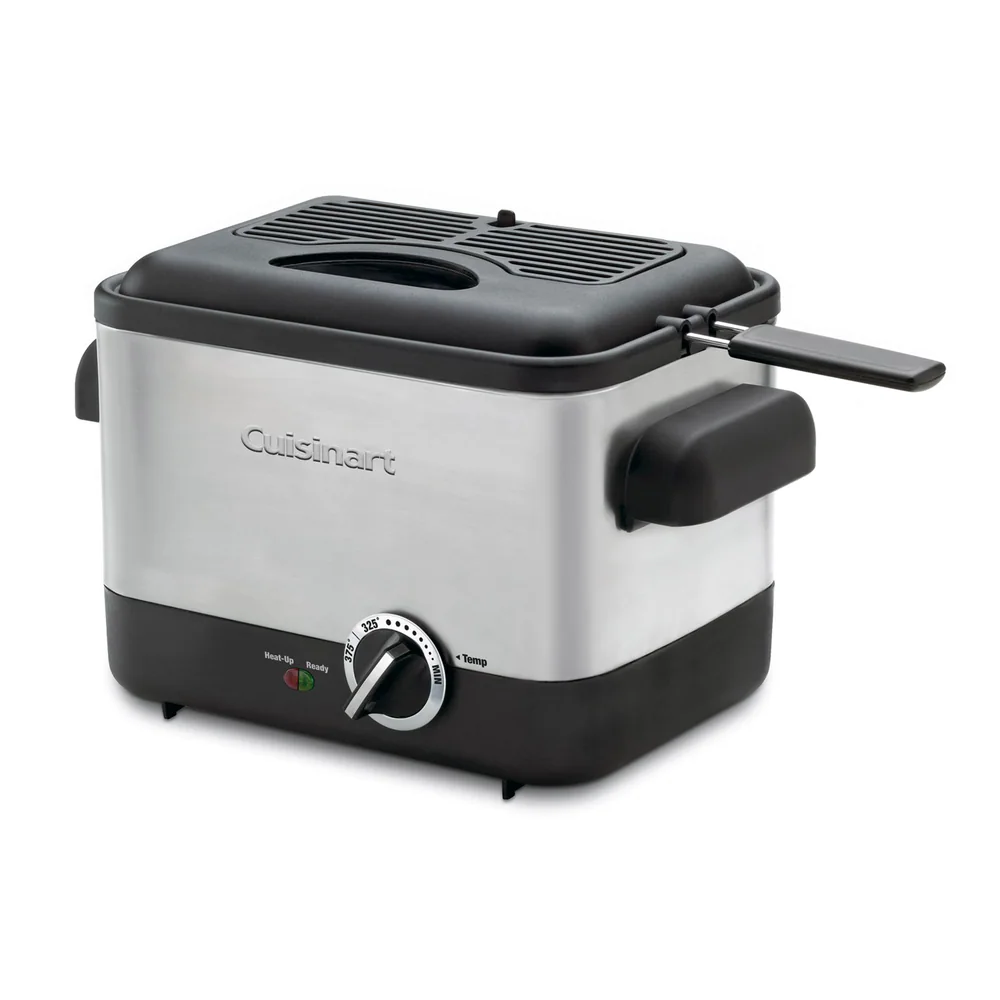
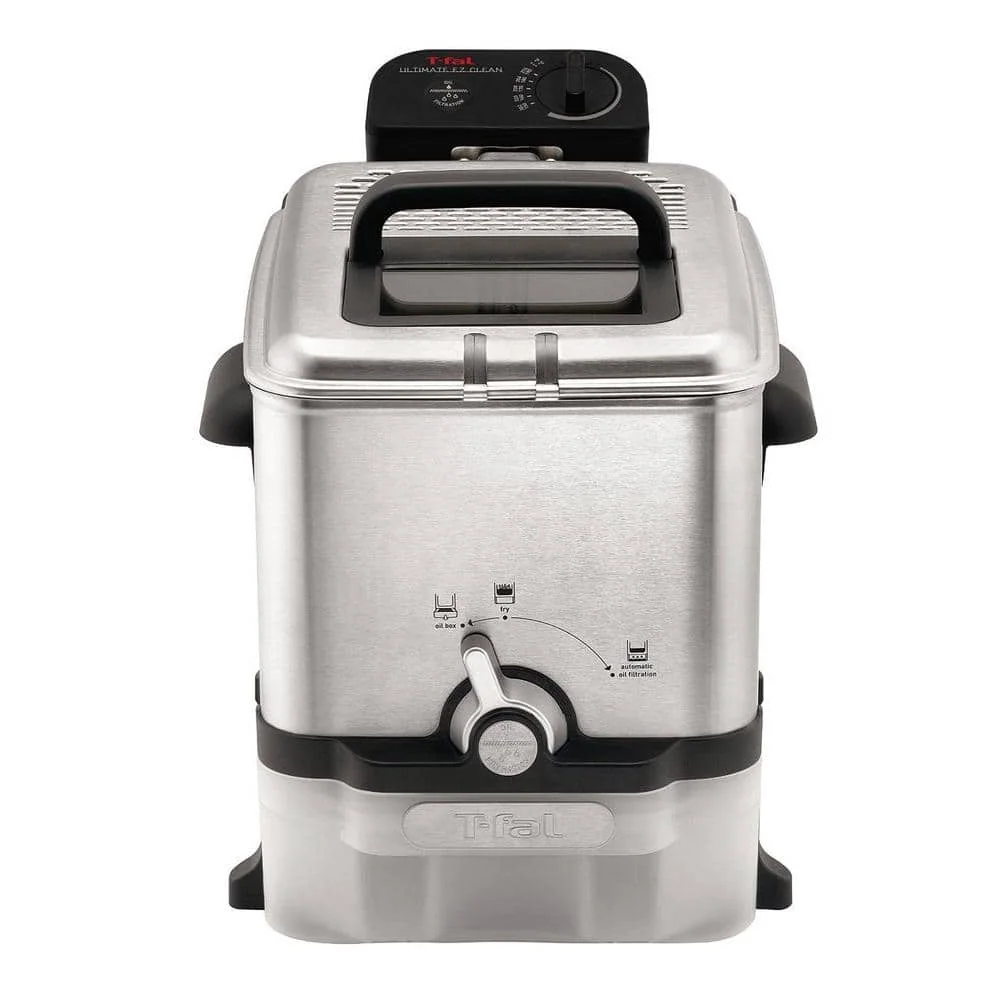
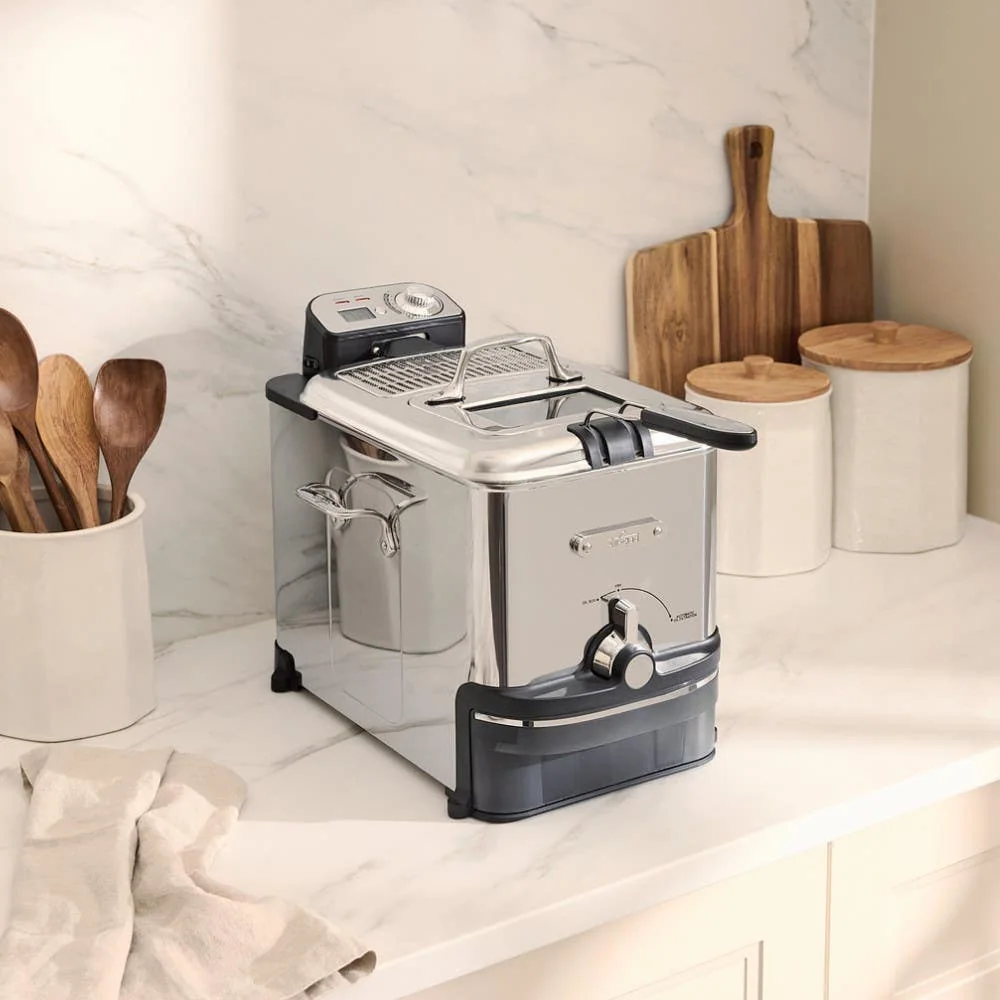
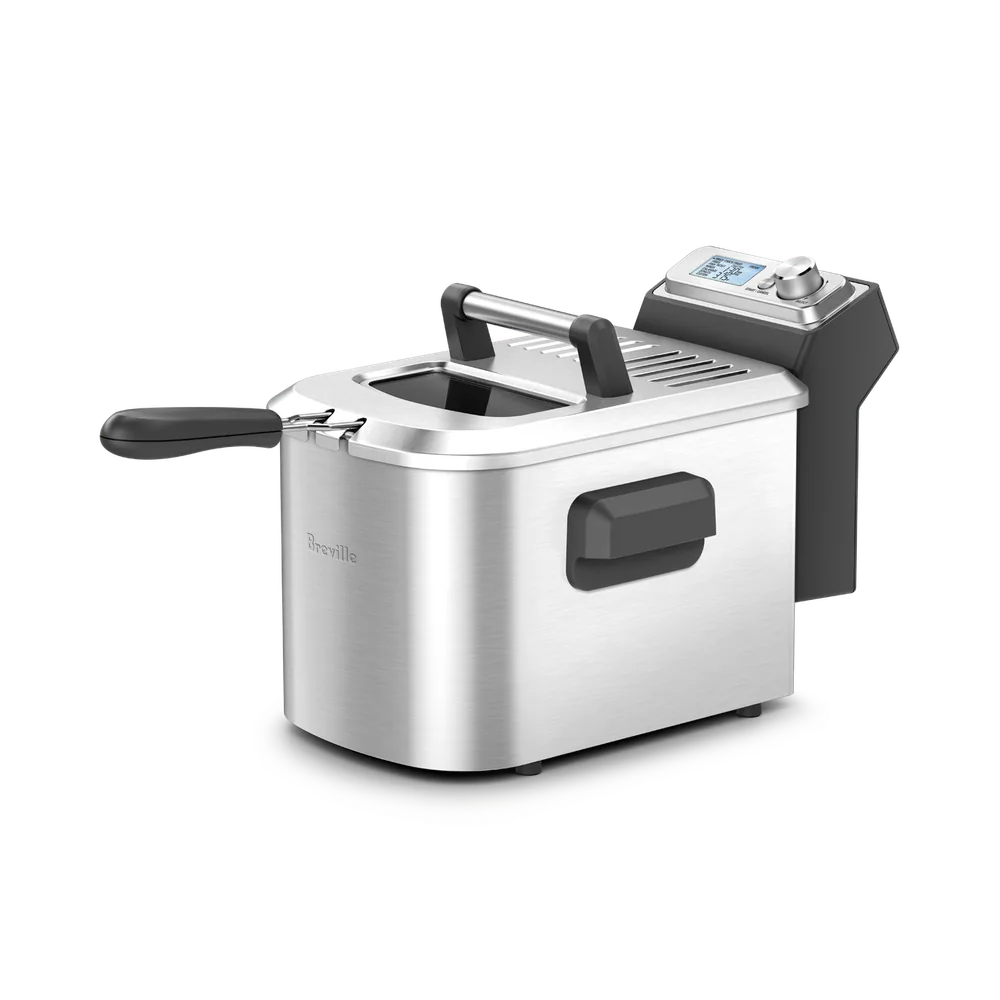
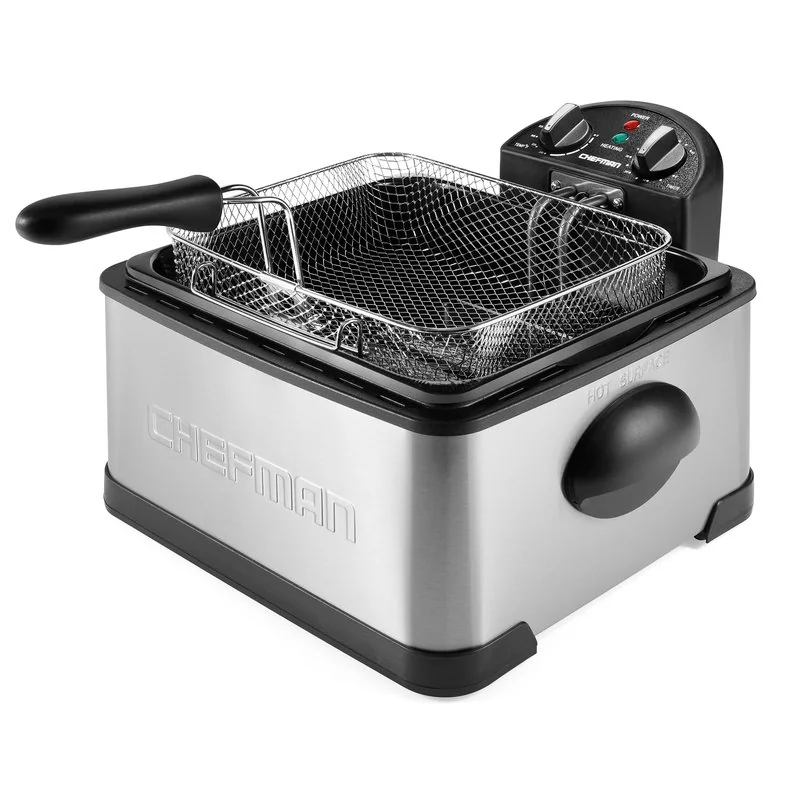
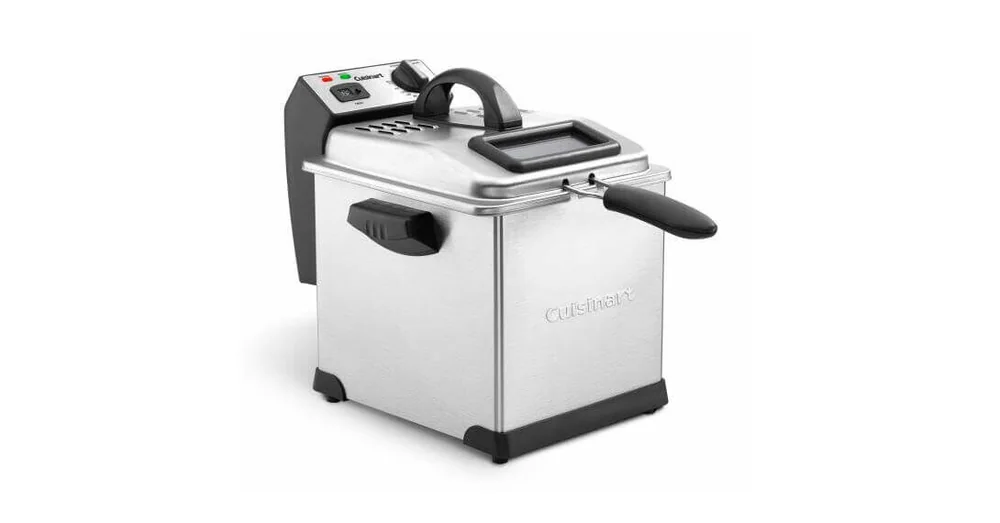
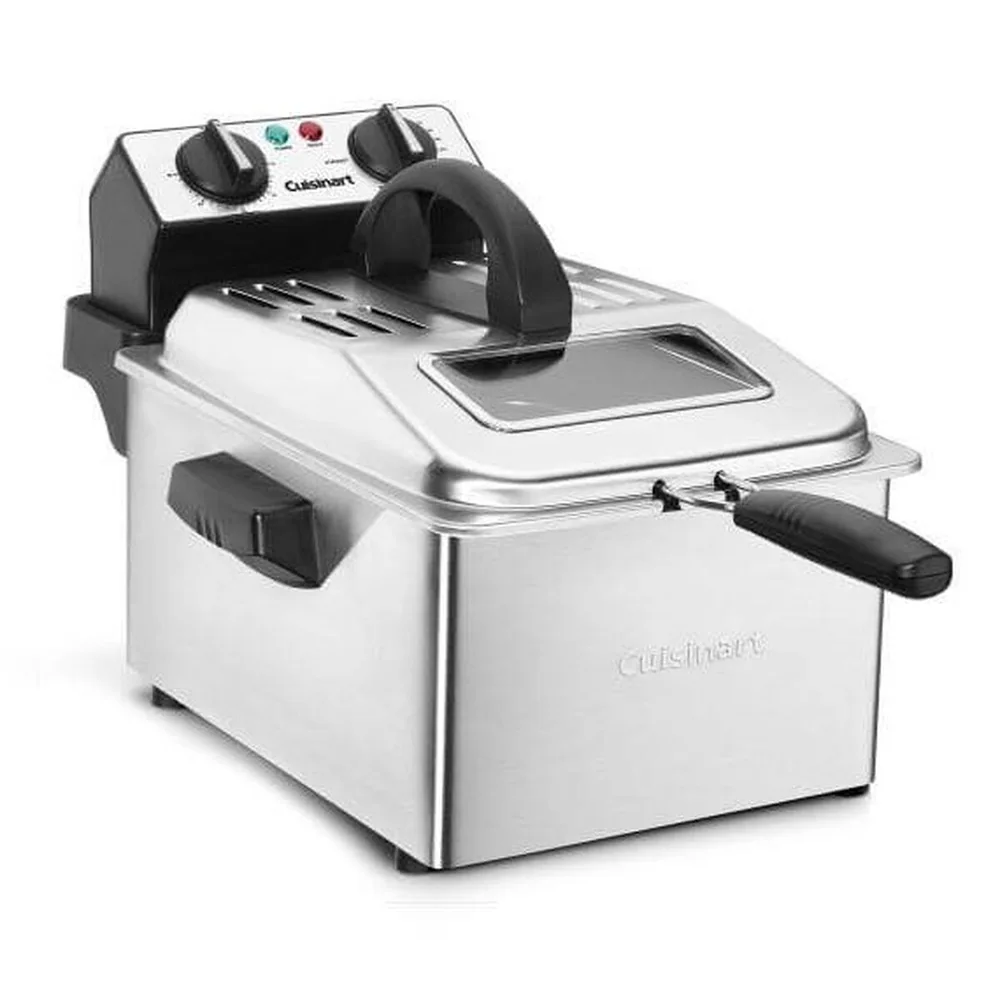
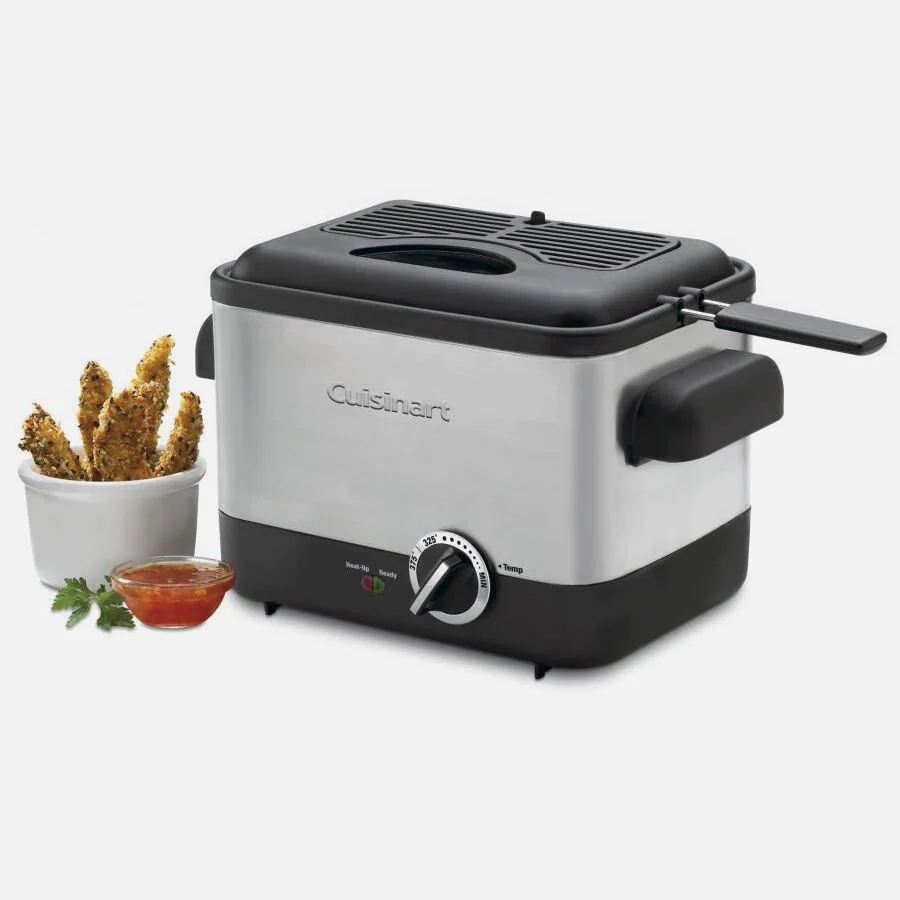
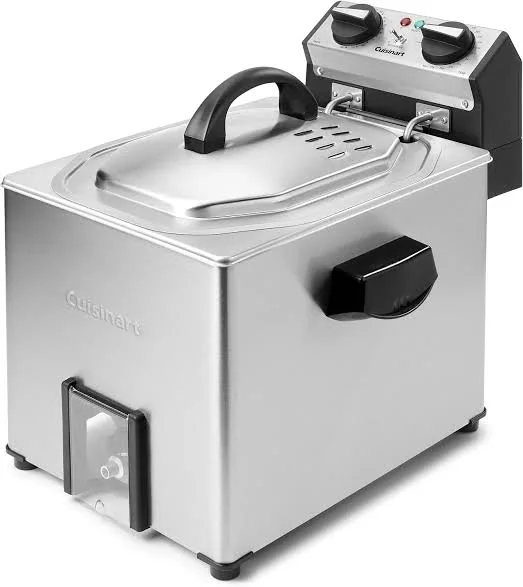
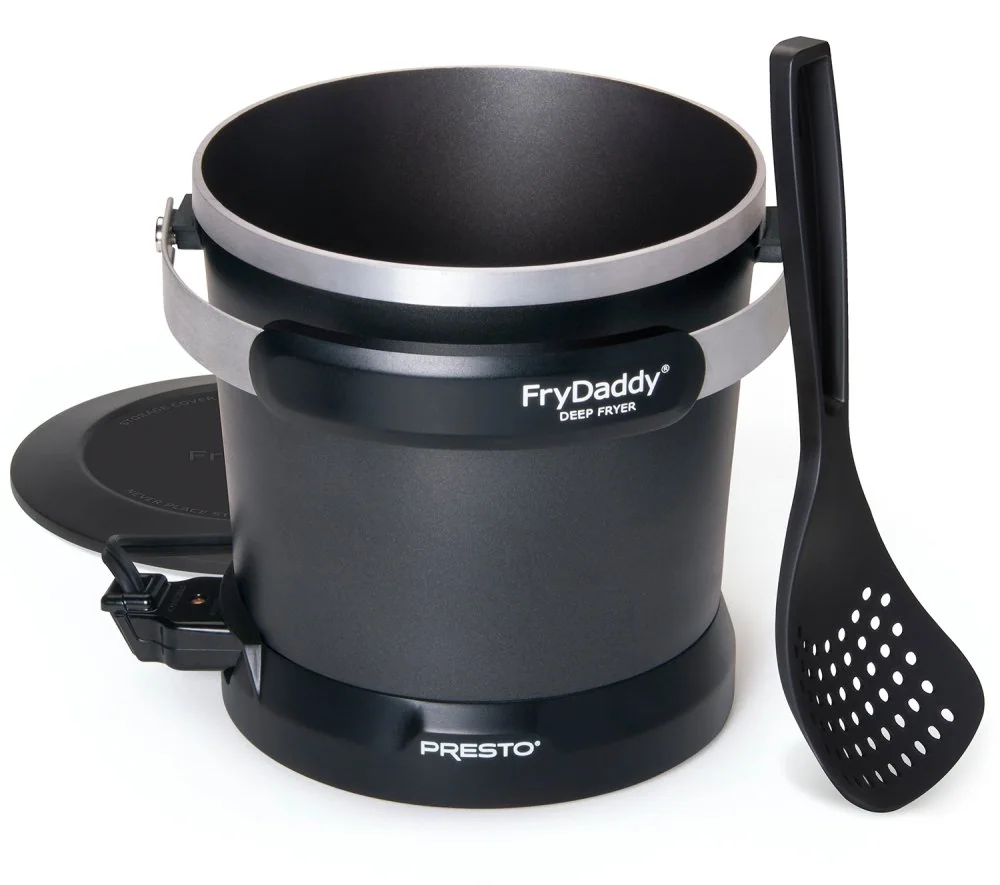
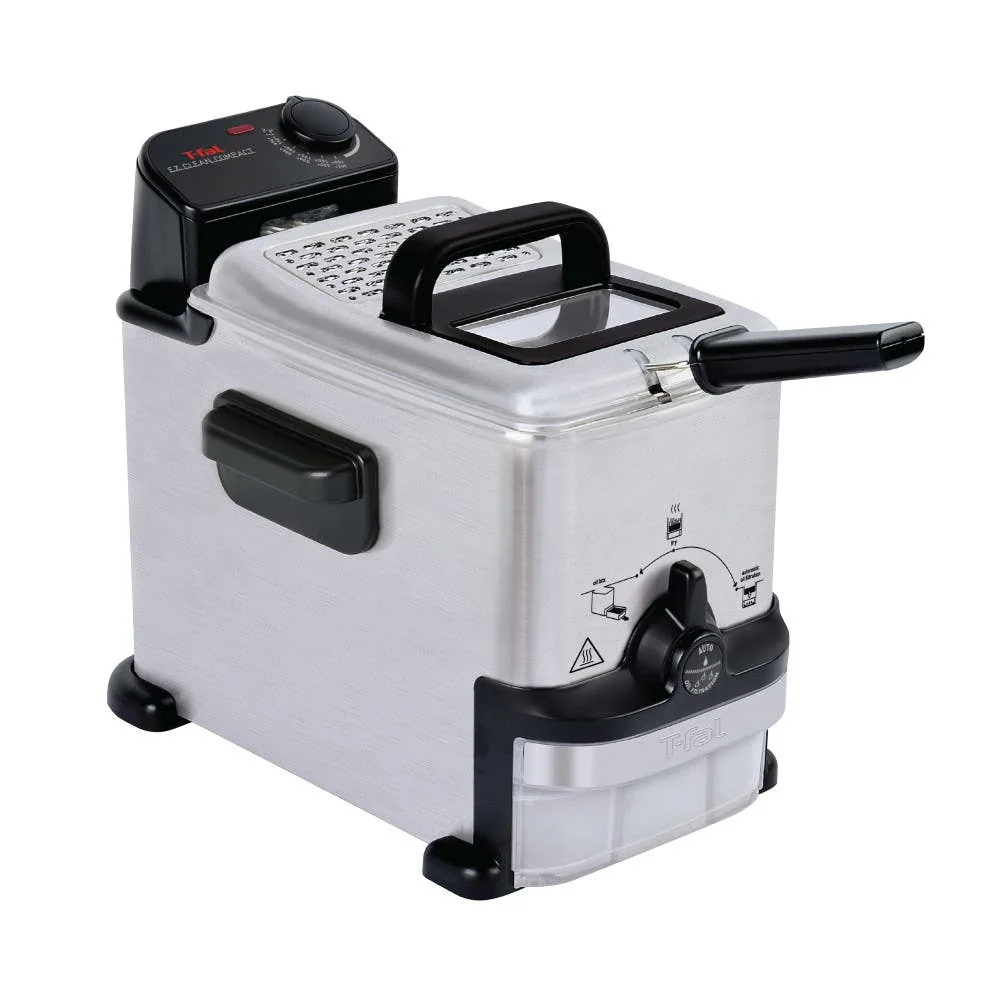
Deep-fryer cleanup starts before the first batch. Hot oil clings to baskets, reservoirs, lids, and nearby surfaces, while crumbs left in the oil can burn during later cooking. Useful cleanup features reduce the number of awkward steps, but none eliminate the need to cool the oil, remove food debris, wipe grease, and deal with used oil responsibly. Look beyond an "easy-clean" label and identify what comes apart, where oil drains, and whether the fryer can be handled safely when full. A removable reservoir may simplify washing, while a drain system may simplify emptying. Those are different jobs. The best choice is usually the one that makes the messiest part of your own routine manageable enough to do consistently.
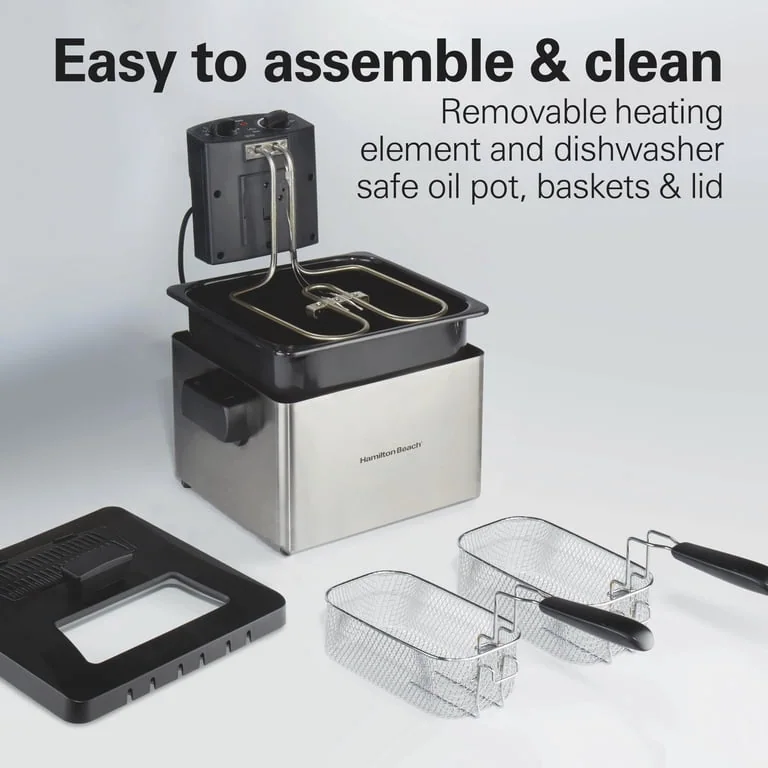
A removable oil reservoir is the cooking well that lifts out of the fryer body after the oil has cooled. It can make washing easier because you can carry the reservoir to the sink instead of reaching into a fixed housing. It also gives better access to the corners where crumbs and browned residue collect. Check whether the reservoir has a comfortable grip, a stable shape, and a size that fits your sink before treating removability as a major advantage.
A removable reservoir does not make used oil disappear. A full reservoir can be heavy and slippery, and pouring from a wide, shallow container can be messy. If you fry occasionally, you may prefer to cool the oil, strain it into a storage container, then wash the empty reservoir. If you fry often, consider whether the reservoir can be removed without drips crossing the counter or cabinet space where the fryer is stored.
Baskets, handles, lids, and some reservoirs may be labeled dishwasher-safe. This is helpful for parts that collect grease and crumbs, especially a basket with many wire intersections. Still, dishwasher-safe does not mean every greasy part will emerge spotless. Thick oil residue may need a wipe or soak first, and food particles should be removed before they can bake onto other dishes during the wash cycle.
The fryer body, heating element area, controls, cord, and electrical connections generally need hand cleaning only. They should never be immersed unless the manufacturer specifically says otherwise. A practical design keeps these nonwashable areas accessible, with few narrow seams that trap oil. Before buying, picture cleaning the underside of the lid, the basket hooks, and the rim around the reservoir. Those small areas often determine whether cleanup feels quick or tedious.
What this means when shopping: Choose cleanup features by tracing how you will cool, drain, store, wash, and reassemble the fryer after a normal cooking session.