
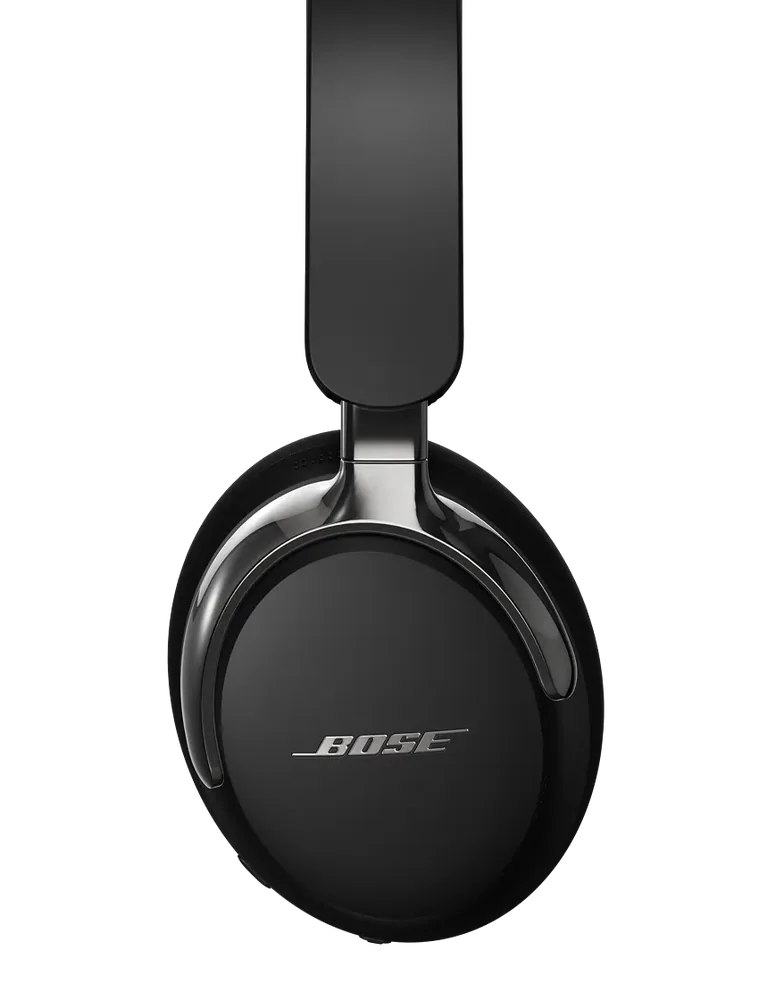
What to know first
- Released November 22, 2025, as the current generation of Bose's flagship ANC over-ear headphones
- Positioned directly against Sony's and Apple's top over-ear competitors rather than budget alternatives
- A second-generation refresh, meaning incremental improvement over a known formula rather than a ground-up redesign
- Best suited to buyers who prioritize proven noise cancellation and comfort over chasing the newest audio codec or feature checklist
- Still the current model as of 2026, with no successor announced
Bose's answer to the flagship ANC question, round two
Every couple of years, Bose puts out a new version of its top headphone, and each time the question is the same: did they actually improve the thing, or just repackage it? The QuietComfort Ultra Headphones Gen 2, launched in late 2025, is Bose's latest attempt to answer that question, and it lands squarely in the same market it always has: premium, noise-canceling, over-ear headphones aimed at travelers, commuters, and anyone who spends hours a day with something clamped to their head.
This isn't a budget play or a fitness model. It's the flagship, positioned against Sony's current high-end over-ear and Apple's AirPods Max, the two headphones most likely to be sitting in the same browser tab as this one. Bose isn't trying to out-spec anyone with a longer feature list. The company's whole pitch has always been that its noise cancellation and comfort are good enough that you stop thinking about the headphones at all, and Gen 2 is built to extend that reputation rather than replace it.
What's worth knowing upfront is that this remains the current generation as of 2026, with no successor on the horizon yet. If you buy today, you're not buying into a headphone that's about to be immediately outdated, which is more than you can say for a lot of tech purchases made in the same window.
Why buyers keep landing on Bose instead of switching
The real comparison shoppers make isn't Bose versus some obscure competitor. It's Bose versus Sony's current flagship and versus AirPods Max, and that three-way matchup is exactly where the QuietComfort Ultra Headphones Gen 2 has to earn its place. Bose's long-standing advantage has been noise cancellation that handles low, steady sound (engine drone, HVAC hum, the general roar of a cabin) with less fatigue than some competitors, and a fit that a lot of people find more forgiving over long stretches than Apple's design.
None of that means Bose automatically wins every category. Sony has built a reputation for detailed sound tuning and feature depth, and Apple's ecosystem integration is hard to match if you're already deep in iPhones and other Apple hardware. What Bose is really selling with Gen 2 is consistency: an update to a formula that already worked for a specific kind of buyer, rather than a pitch to convert people who were already happy with something else.
If you've never owned a Bose ANC headphone and are shopping purely on features, it's worth being honest that noise cancellation claims from any brand rarely tell the whole story. Reducing steady background hum is a different problem than blocking a crying toddler or a sudden announcement, and no headphone, Bose included, erases every kind of sound equally well.
What actually changes when you put them on for the day
A second-generation flagship's real test isn't the spec sheet, it's whether daily wear feels different from the last version. For someone upgrading from an earlier QuietComfort Ultra, the expectation should be incremental: the core experience of putting these on for a flight, a commute, or a long work session should feel familiar, with refinements rather than a reinvented control scheme or drastically different fit.
Battery life claims on any headphone deserve a skeptical read. The number that matters is how long you get on a single charge with noise cancellation and any spatial audio processing actually running, not a best-case total that assumes light use. Anyone comparing Gen 2 against Sony's or Apple's current models should ask the same question of each: what's the real single-charge number, not the marketing headline.
Bluetooth codec support is another area where the spec sheet oversells its own importance. Wireless audio quality depends on your source device supporting the same codec as the headphones, and even then, fit and tuning usually make a bigger audible difference day to day than which codec technically negotiated the connection. If codec compatibility with your specific phone matters to you, confirm it directly rather than assuming based on Bose's general reputation.
The honest limits of buying the newest version
Buying a headphone the same month it launches is a specific kind of gamble. Early units sometimes get firmware refinements after release, and the initial praise a new flagship receives doesn't always account for how it holds up after months of daily use. Nothing in Bose's track record suggests a reason for alarm here, but it's worth acknowledging that Gen 2 hasn't had years to accumulate the kind of long-term ownership feedback that an older, more established model has.
A second honest catch: incremental updates mean incremental prices, and buyers upgrading from the previous QuietComfort Ultra should think hard about whether the improvements justify replacing a headphone that likely still works fine. If your current pair still cancels noise well and fits comfortably, the newest badge alone isn't a strong enough reason to switch.
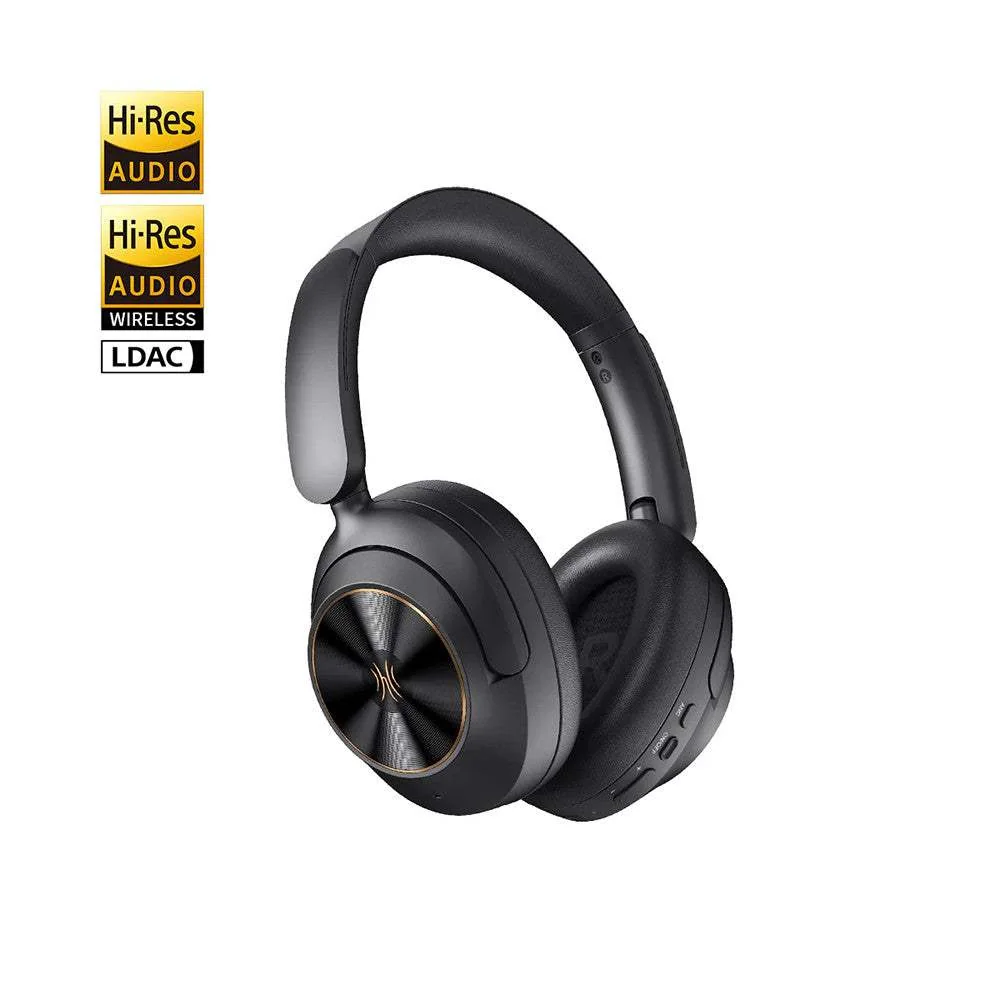
Finally, if hi-res or lossless audio credentials are the deciding factor in your purchase, don't take any brand's badge at face value. The quality you actually hear depends on your streaming service, your source device, your connection, and the headphone's own tuning just as much as any spec printed on the box.
The specs that matter
Confirms this is an iterative update to an established flagship, not a first-generation product with the usual early-adopter risk.
Tells you the real comparison set: this is a premium, over-ear, noise-canceling purchase, not a budget or fitness-focused headphone.
Effective against steady background noise like engine rumble, less effective against sudden sounds or nearby conversation, regardless of brand.
The marketed total matters less than what you actually get on a real flight or workday with noise cancellation running.
Confirm your phone or laptop supports the same codec before assuming a wireless sound quality upgrade.
Buyers aren't purchasing into a model about to be immediately replaced.
Who this product fits
The frequent flier upgrading from an older Bose model
If you already own an earlier QuietComfort Ultra and it still fits and cancels noise well, the newest generation is a nice-to-have, not an urgent replacement. Consider it if your current pair is aging or damaged rather than swapping just for the newer badge.
The shopper cross-shopping Sony and Apple
If you're deciding among Bose, Sony's current flagship, and AirPods Max, the decision usually comes down to fit preference and ecosystem more than a decisive spec win for any one brand. Try them on if you can before deciding.
The buyer chasing hi-res audio credentials
If a lossless or hi-res badge is your main motivation, remember your streaming service and source device matter just as much as the headphone. Confirm your actual listening chain supports what you're paying extra for.
What else to compare
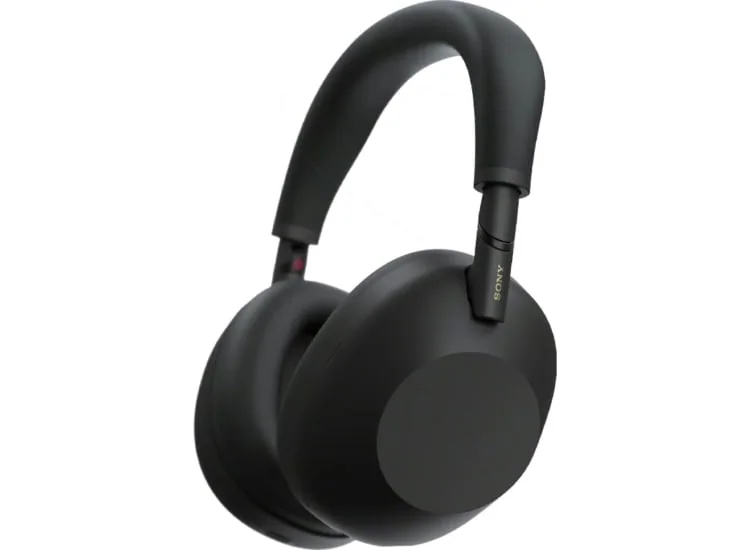
Shoppers usually land here after comparing Bose against Sony's current flagship or Apple's AirPods Max.
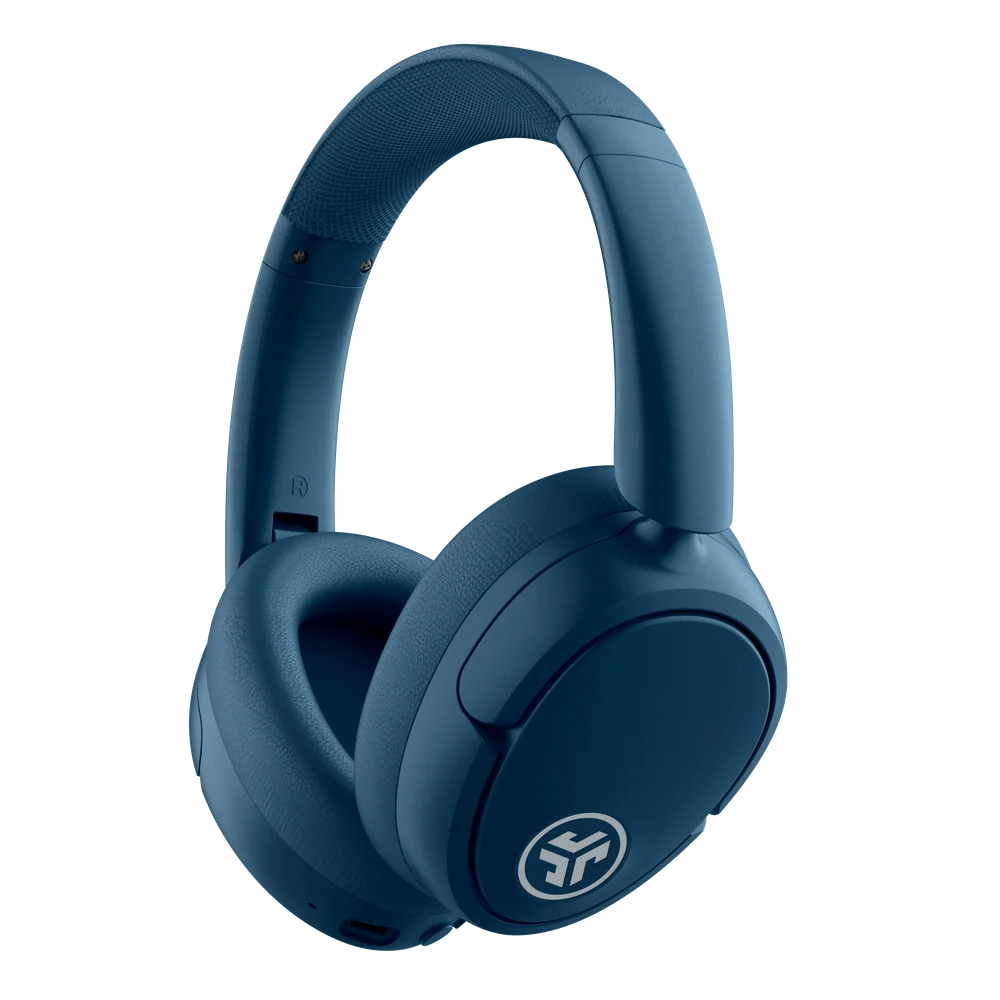
Bose QuietComfort Ultra Headphones Gen 2 FAQ
Is the Bose QuietComfort Ultra Headphones Gen 2 worth buying over the first generation?
If your current QuietComfort Ultra still fits comfortably and cancels noise effectively, the upgrade is a refinement rather than a necessity. It's a stronger case for buyers coming from an older or non-Bose headphone.
How does it compare to Sony's current flagship headphones?
Both are premium noise-canceling over-ears, and the choice usually comes down to fit preference and which brand's ANC tuning you find less fatiguing over long sessions, rather than one clearly outperforming the other on paper.
Does it work well with an iPhone if I'm not using AirPods Max?
Bose headphones pair over standard Bluetooth and don't require Apple's ecosystem, though you'll want to confirm codec compatibility with your specific device for the best wireless audio experience.
Will there be a newer version soon that makes this outdated?
As of 2026, this remains Bose's current generation with no successor announced, so buying now doesn't mean buying into an immediately outdated model.
Is the noise cancellation good enough for flights?
Bose's ANC approach has traditionally handled steady, low-frequency noise like engine rumble well, which is the dominant sound on most flights, though it won't fully block sudden noises or nearby conversation.
Should you buy the newest Bose flagship?
Choosing the QuietComfort Ultra Headphones Gen 2 makes the most sense for buyers who already trust Bose's approach to noise cancellation and comfort and want the current version of that formula rather than an aging one. It's a safe, well-positioned purchase for that person, not a leap of faith.
For everyone else, the decision comes down to comparison shopping: try the fit against Sony's flagship and AirPods Max if you can, confirm the real single-charge battery life and codec support for your device, and don't let a second-generation badge alone talk you out of a first-generation pair that's still working fine.