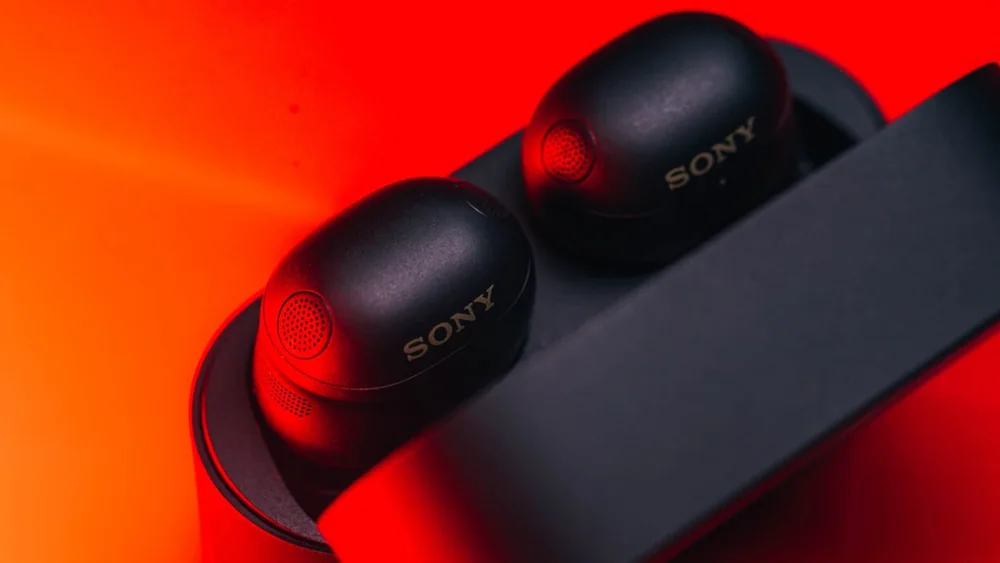
A better earbud seal can restore bass, improve noise reduction, and stop the constant urge to push an earbud back into place.
When an earbud keeps slipping loose halfway through a walk, the problem is not merely annoying. A broken seal thins out bass, lets in more train rumble and office chatter, and can make active noise cancellation seem far less capable than it is. The direct answer is usually simple: use the tip size that seals gently, insert the earbud at the right angle, and stop forcing a shape that does not suit your ear. A secure fit should feel settled rather than stuffed. You should not need to clench your jaw, keep readjusting, or turn the volume up to compensate for outside noise. Give fit a few deliberate minutes before judging an earbud's sound, call quality, or noise cancellation. It is the small setup step that decides whether the pair becomes an everyday favorite or a drawer resident.
Reading time: 8 minutesBest for: Earbud owners dealing with slipping, weak bass, discomfort, or disappointing noise cancellation
Why the seal changes bass and noise reduction
The seal is the soft contact between an ear tip and the entrance to your ear canal. It is not meant to create a painful vacuum, but it does need to limit air leaks. When air escapes around the tip, low-frequency sound escapes with it. Bass loses weight, kick drums sound more like taps than thumps, and music can seem oddly distant even when the earbuds themselves are well tuned.
Fit also gives active noise cancellation a fighting chance. Active noise cancellation, often called ANC, uses microphones and electronic processing to reduce steady outside sound such as engine rumble, air conditioning, and train noise. A good physical seal blocks some sound before ANC begins its work. ANC will not erase nearby conversation or sudden announcements, but a leaky tip makes every kind of noise reduction less effective and may tempt you to listen louder than necessary.
Finding the right ear-tip size
Ignore the instinct to begin with the medium tips because they came installed. Try each included size, and treat the left and right ears as separate jobs. Many people need a different size on each side. Start with the smallest tip that seems plausible, then move up until the earbud stays put and music gains a fuller low end without pressure or aching. A tip that feels aggressively tight at first rarely becomes pleasant after an hour.
Use a familiar song with a steady bass line or a spoken podcast while you compare sizes. With the right tip, the sound should remain consistent when you turn your head, smile, or walk around the room. If bass fades when you move, the tip is probably too small or the earbud is sitting at the wrong angle. If your ear feels sore, blocked, or fatigued quickly, step down a size or try a different tip material if your earbuds include foam or alternate silicone options.
How to insert and rotate earbuds
Clean, dry ears and clean tips make fitting easier. Hold the earbud so its tip points naturally toward your ear canal, not straight upward or straight inward. Place it gently, then rotate the body until it settles into the contours of your outer ear. Many true wireless earbuds lock in with a small twist toward the back of the head, though the exact direction varies by design. The goal is a stable resting position, not a deep push.
A useful trick is to reach over your head with the opposite hand and lightly pull the top of your ear upward and back as you insert the earbud. That can straighten the entrance to the canal enough for the tip to seat without force. Release your ear, then make a small rotation. Run the earbud's fit test if its companion app offers one, but trust comfort and stability too. An app can identify a poor seal; it cannot tell you that a supposedly correct fit becomes irritating after a long commute.
Signs your earbuds do not fit
The obvious sign is an earbud that works loose during a walk, workout, or conversation. Less obvious clues are bass that comes and goes, one side sounding quieter, noise cancellation that seems weak, or a need to keep pressing the earbuds inward. A poor fit can also hurt call performance because the microphones and noise-control system are designed around the earbud sitting in a particular position.
Discomfort is a fit failure as well. Sharp pressure, itching, a hot spot in the outer ear, or soreness that lingers after removal means something needs to change. Do not solve discomfort by pushing the earbud farther in. Try a smaller tip, a different insertion angle, or a less bulky earbud body. If one earbud repeatedly falls out while the other is fine, do not assume you are wearing it incorrectly. Ear canals and outer ears are often different enough to need different sizes or positions.
What to try when one ear fits differently
Use different tip sizes if that is what your ears ask for. There is no prize for matching. Put the larger tip on the side that leaks or slips, and the smaller one on the side that feels crowded. Then repeat the movement test: talk, chew, look down, and walk for a few minutes. The right combination should stay stable without creating a sense that one ear is being plugged more forcefully than the other.
If size changes do not solve the mismatch, change the angle before changing the product. One ear may need a slightly higher or lower placement, or a different amount of rotation. Keep the nozzle and tip clean, since earwax or skin oil can make a secure tip slide. Replacement silicone tips can help when the originals are worn, torn, or too slick, but they cannot redesign an earbud whose housing presses against a sensitive part of your ear. Persistent one-sided trouble is useful information, not a personal fitting failure.
When a different earbud shape makes more sense
Some ears simply reject certain earbud shapes. A round, shallow earbud may sit beautifully in one person and slowly lever itself out of another. If you have tried the included tips, adjusted the angle, and still cannot get a comfortable seal, look for a different housing style rather than endlessly buying more tips. Stem-style earbuds, compact in-ear designs, models with wings or stabilizers, and earbuds with a wider selection of tip sizes can all change how the weight is supported.
Consider what you need from the fit before replacing anything. For commuting and flights, a sealed in-ear design is usually the better route because it supports passive isolation and ANC. For running or walking where hearing traffic, cyclists, and other people matters, open-ear headphones may be more appropriate. They sit near the ear rather than sealing it, so they trade deep bass and isolation for awareness. That trade is not a flaw when awareness is the point.
What this guide helps you understand
A secure earbud fit is gentle, stable, and consistent. If the sound loses bass, ANC feels underwhelming, or you keep readjusting, change tip size and insertion angle first. If comfort still fails, the earbud's shape is the wrong match, not something you need to endure.
Try every included ear-tip size, including a different size in each ear.
Check fit while moving, talking, and listening to familiar music.
Clean ear tips and earbud nozzles before deciding that a fit has failed.
Confirm that your phone and earbuds are using the intended noise-control mode before judging ANC.
Technique notes
Medium tips are only a starting point, not a default that fits most people.
Foam tips can improve grip and isolation for some ears, but they need regular replacement and may feel too dense for others.
A fit test in an earbud app is helpful evidence, not a substitute for comfort over time.
Safety note: Keep volume moderate, especially when a poor seal makes you want to turn music up. Use awareness-friendly audio options around traffic and other hazards.