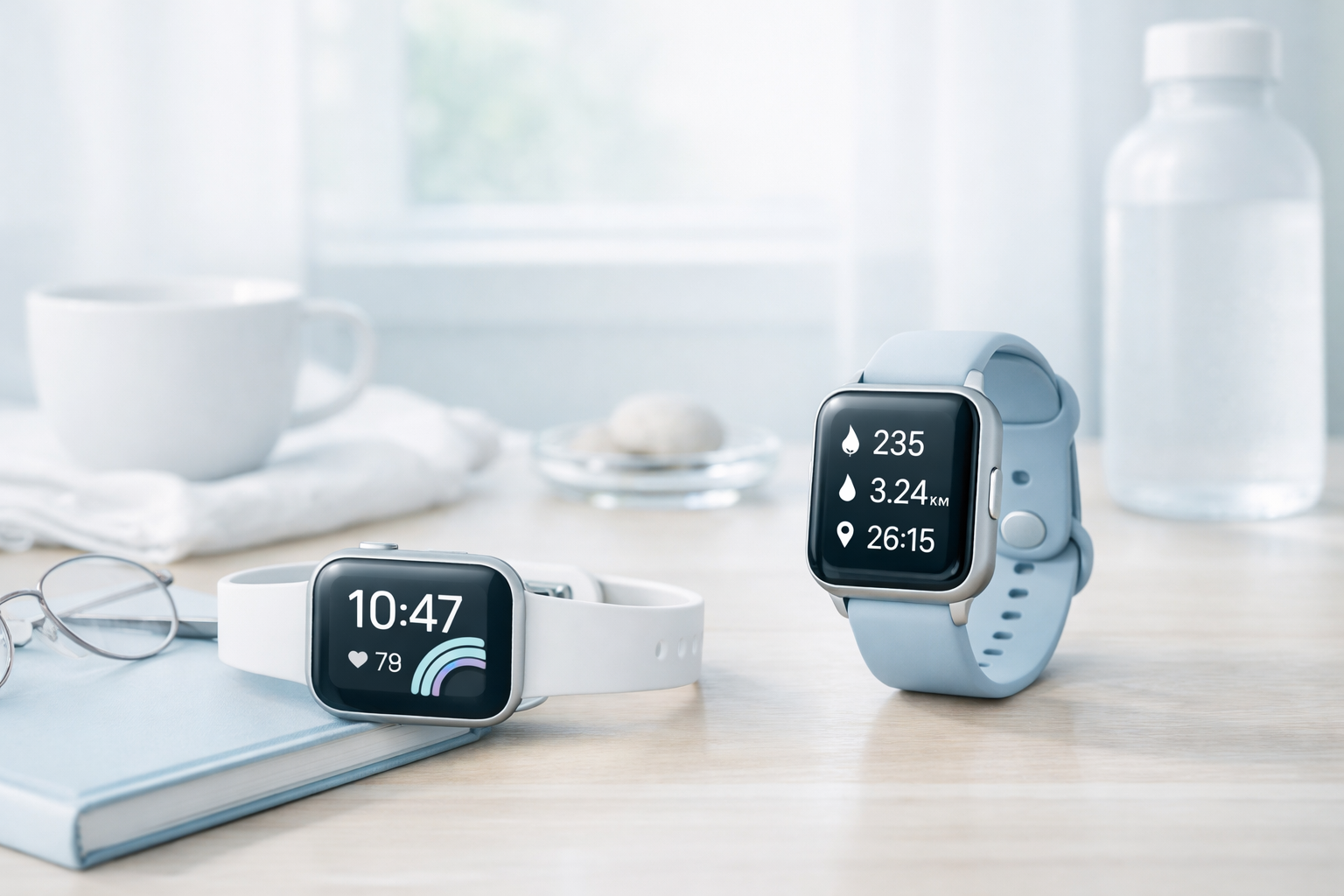
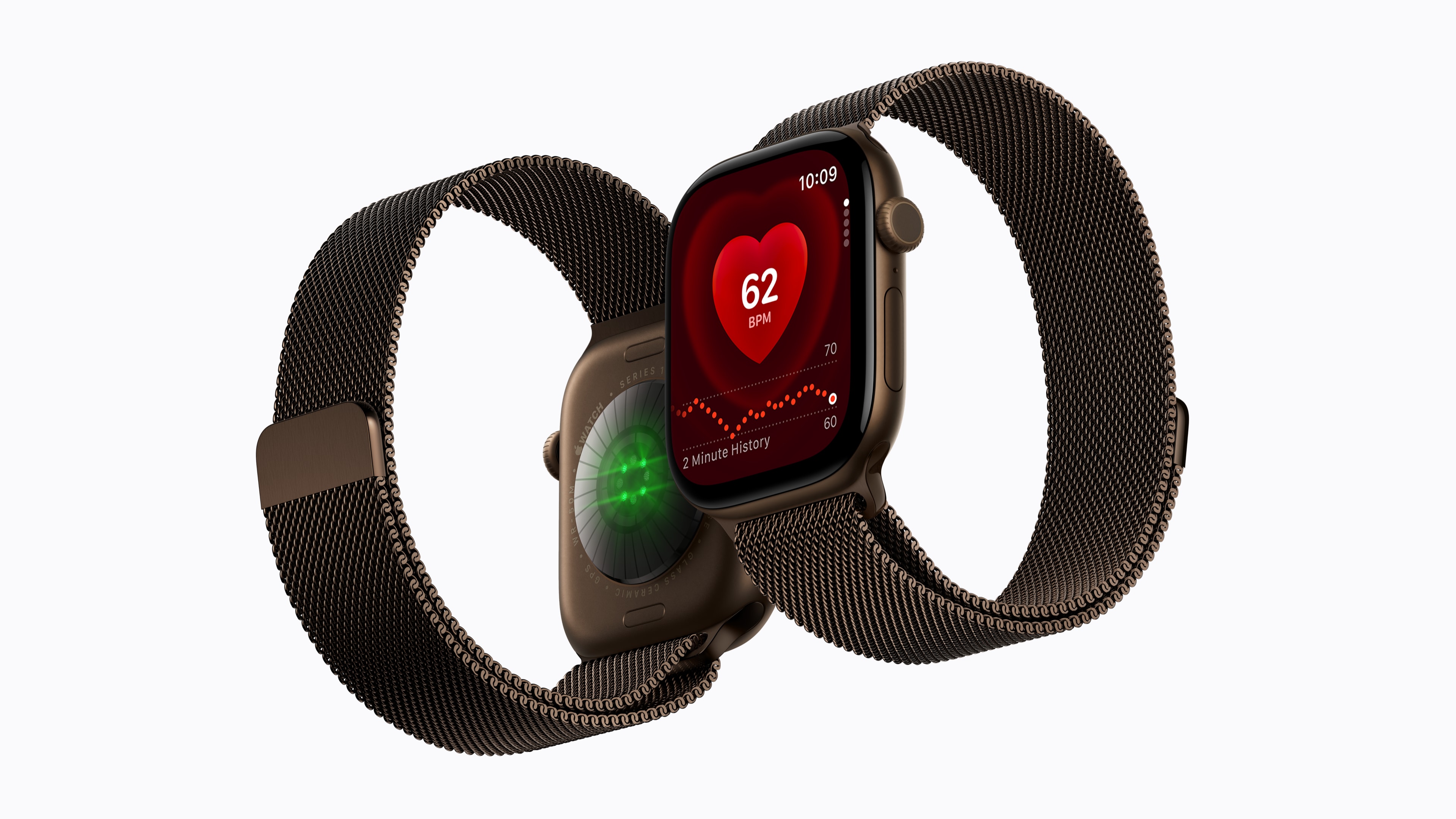
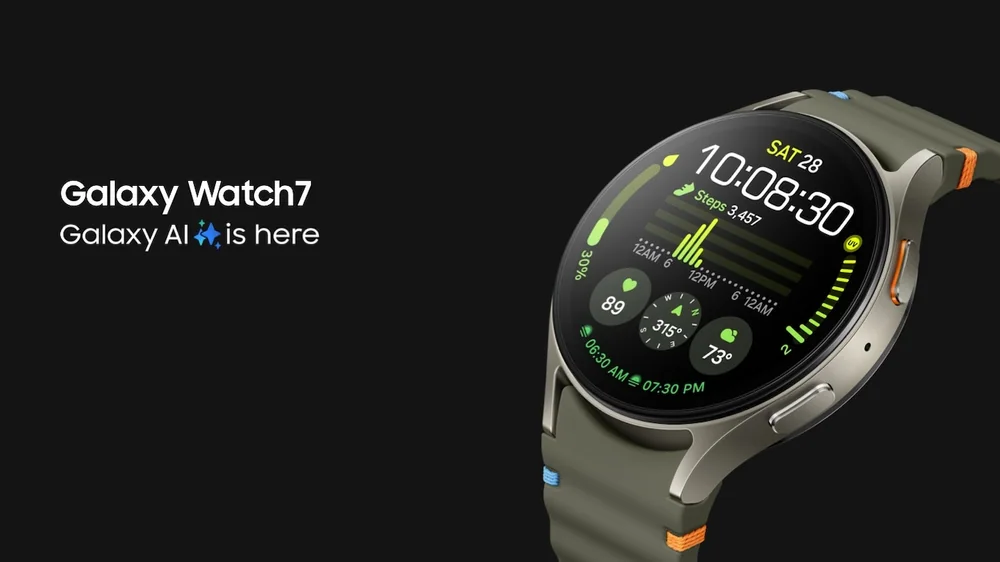
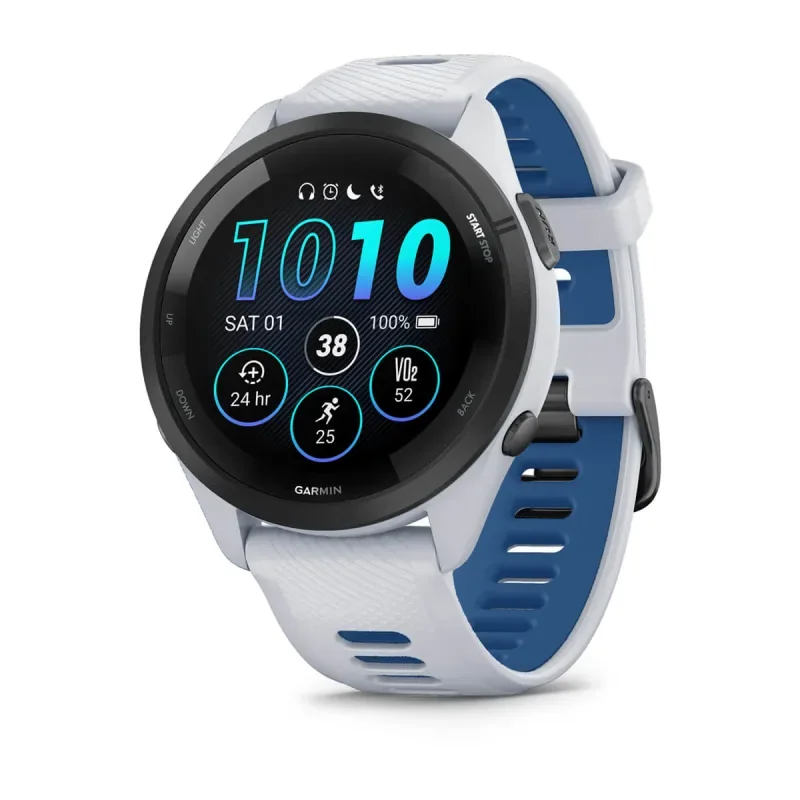
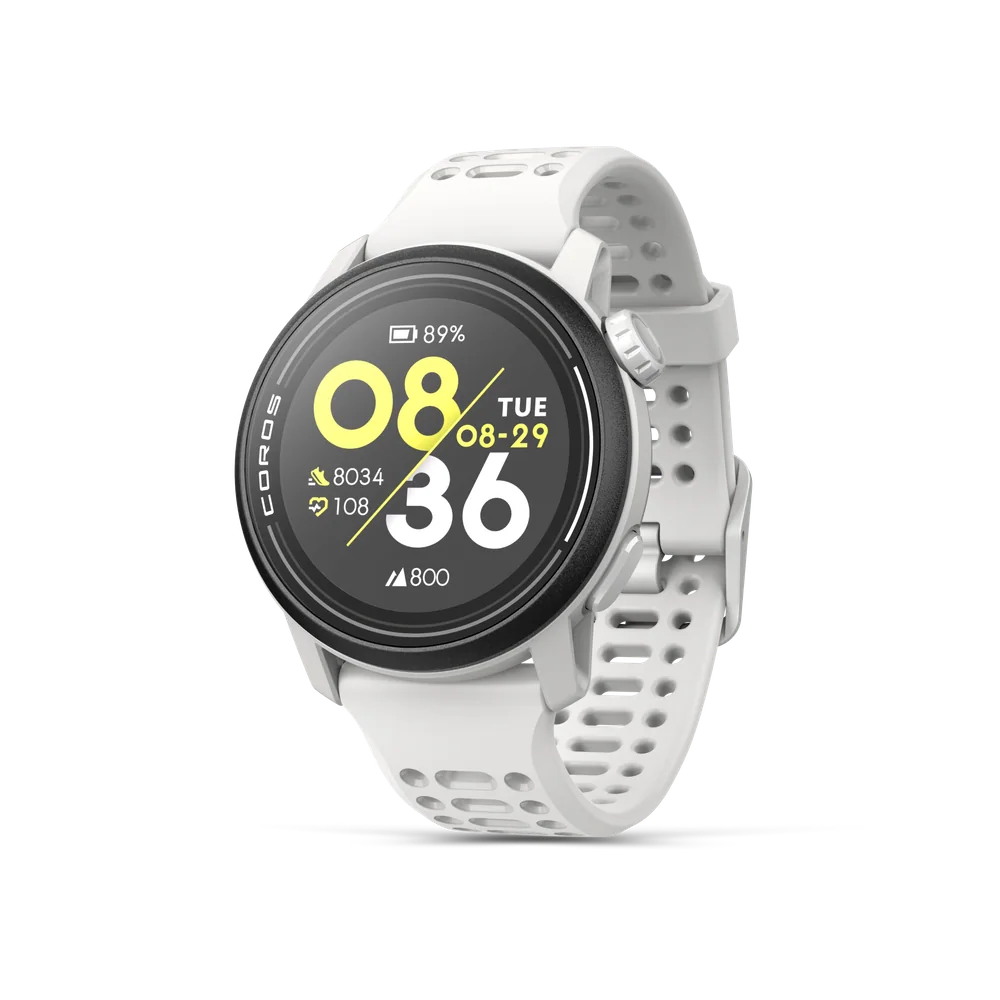
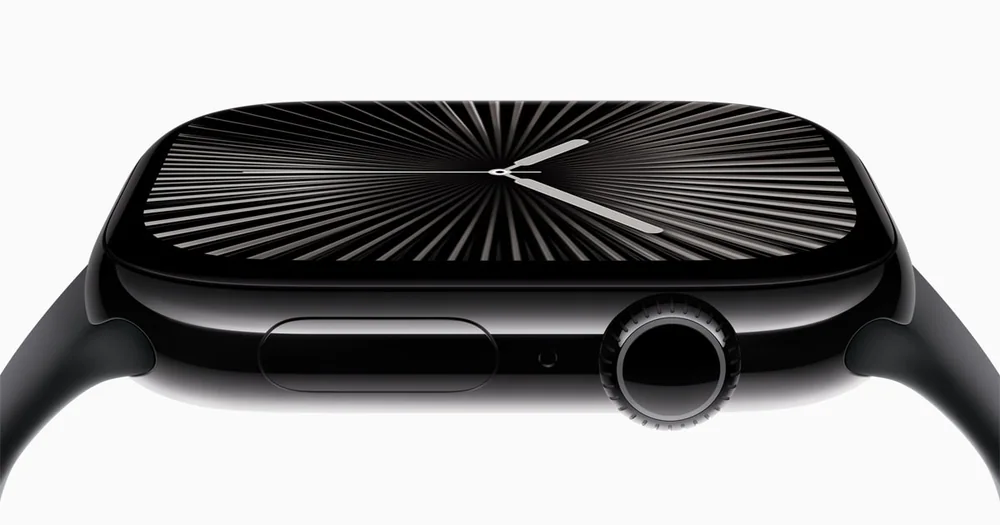
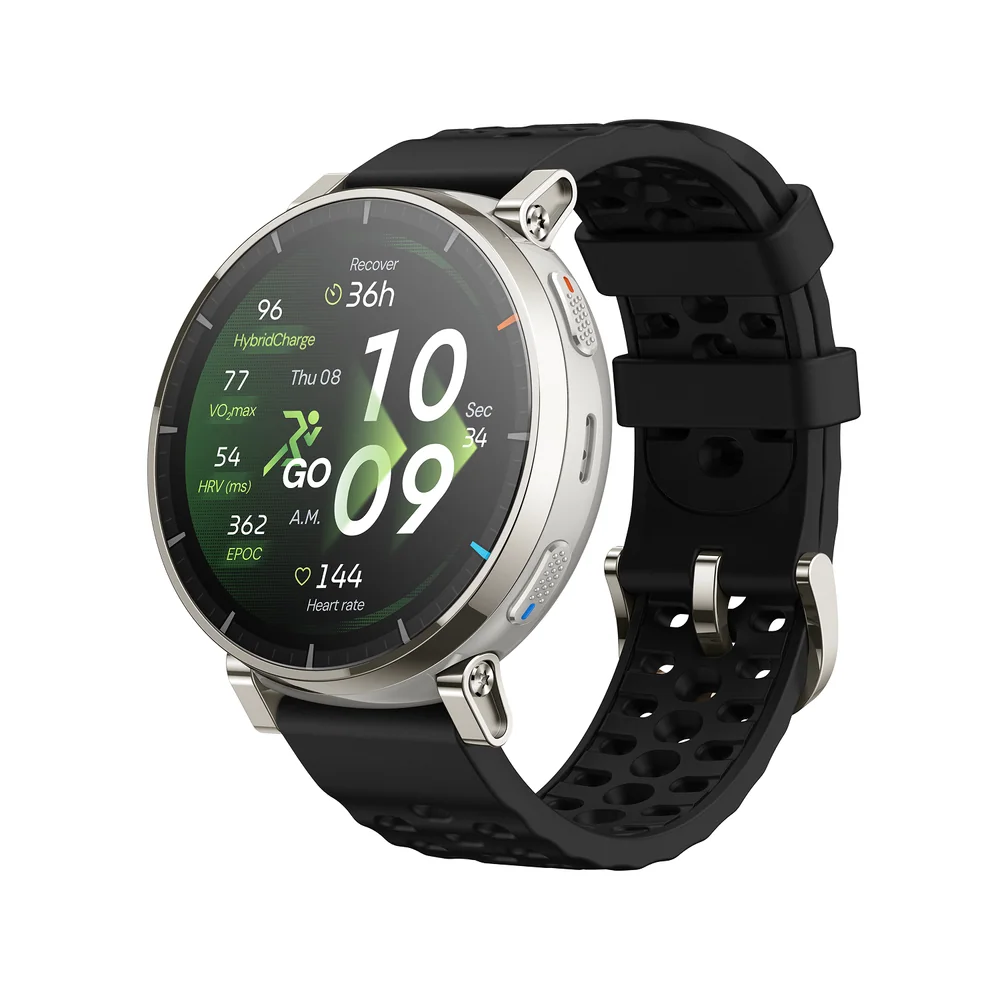
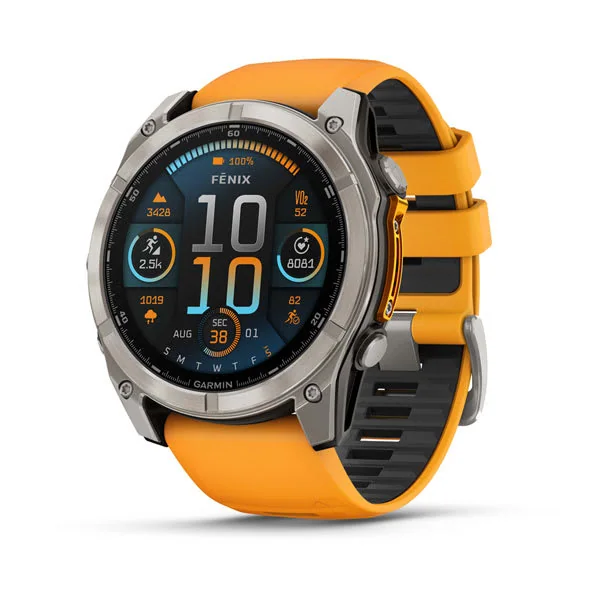
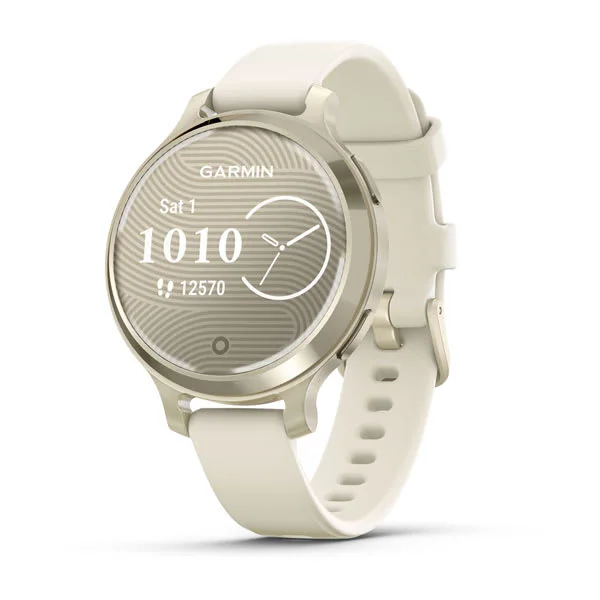
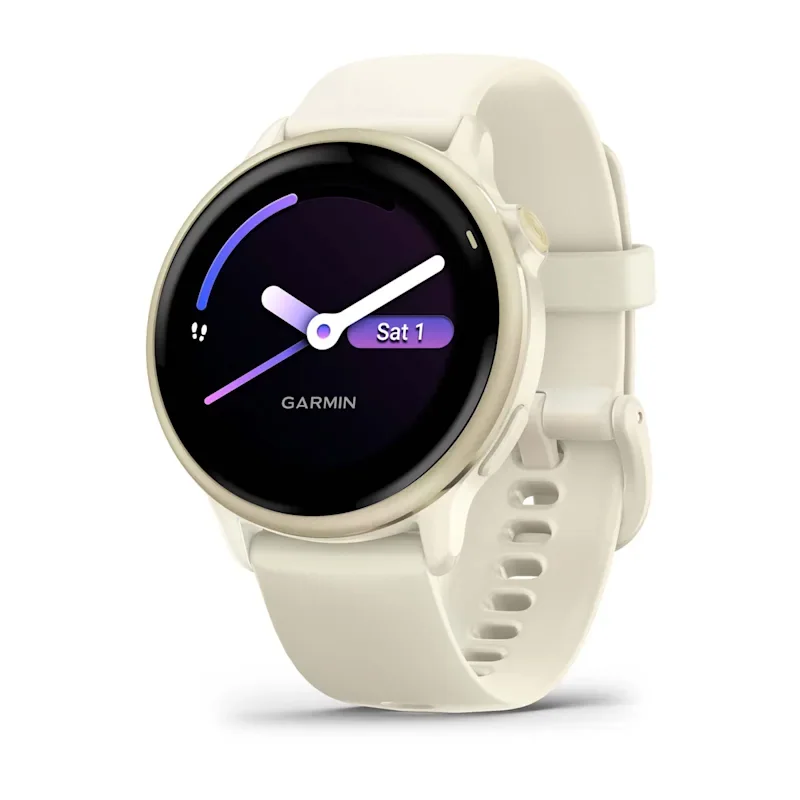
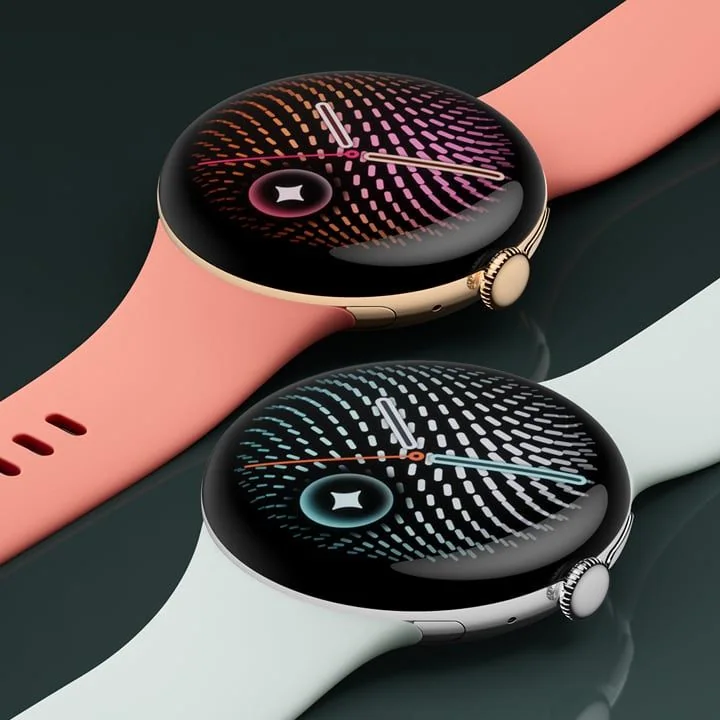
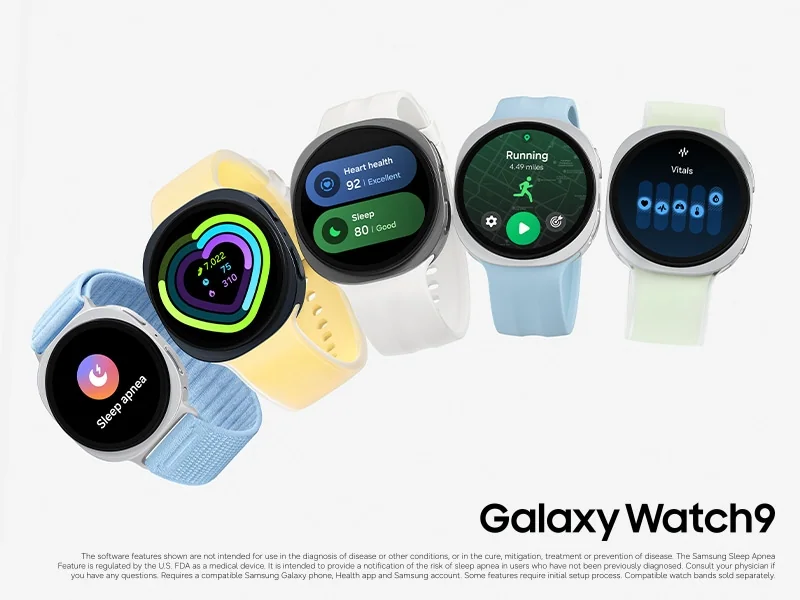
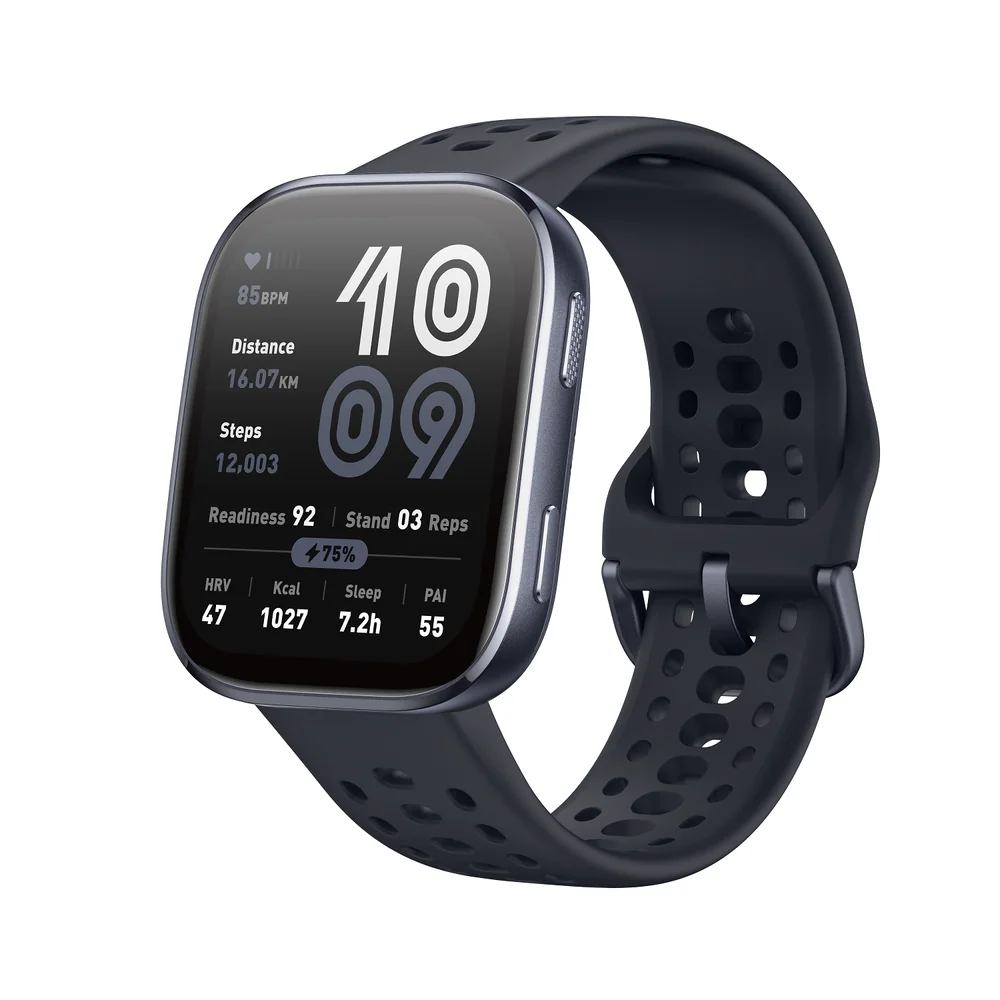
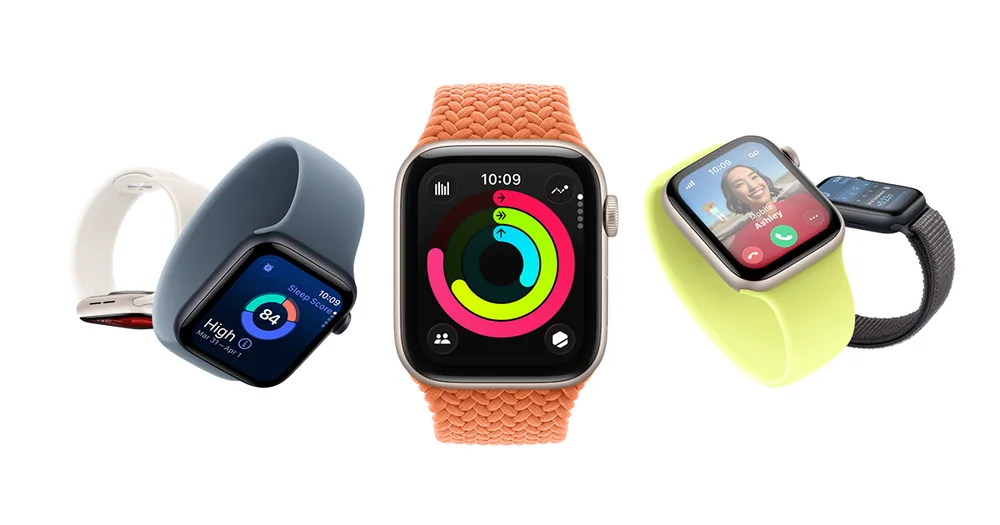
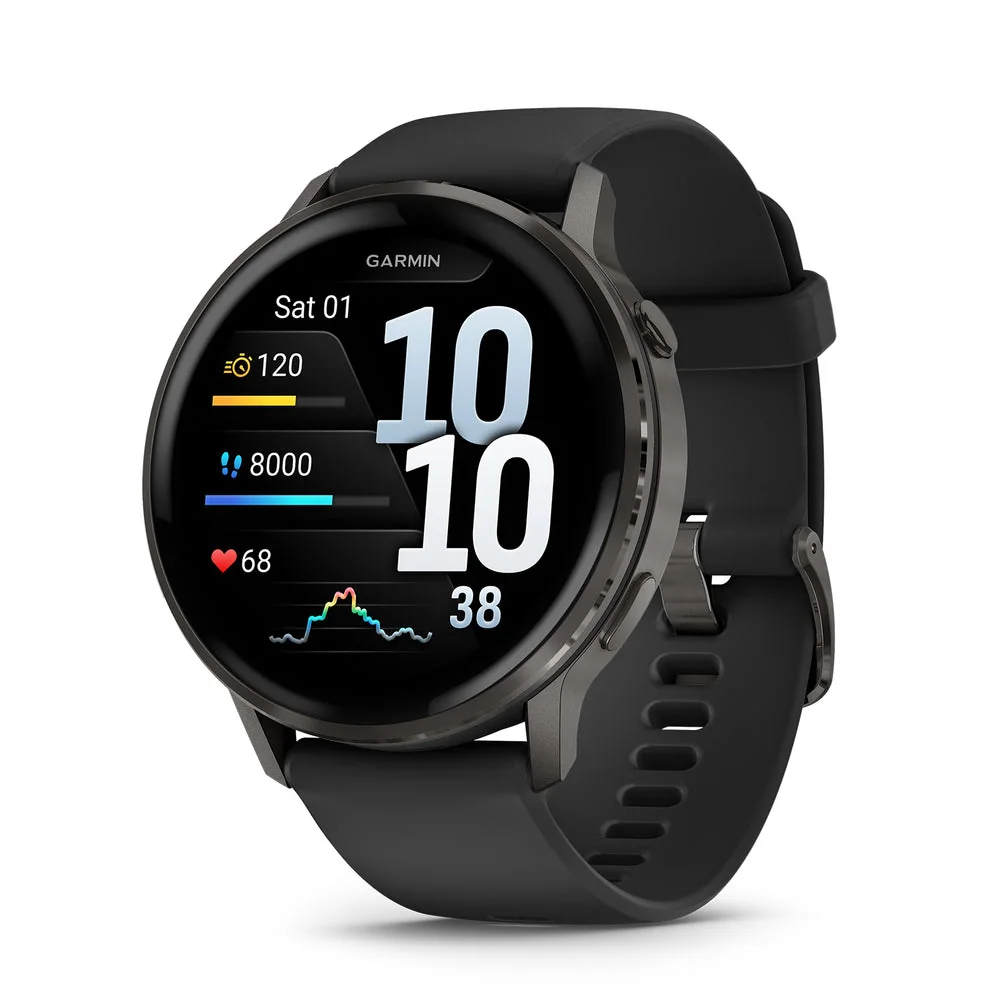
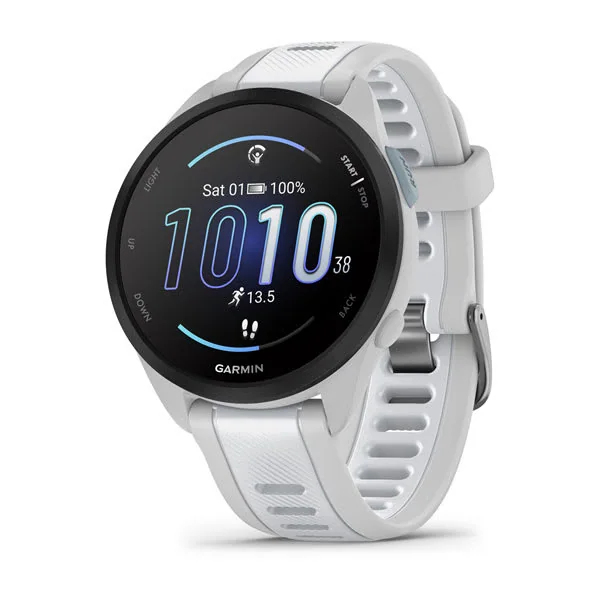
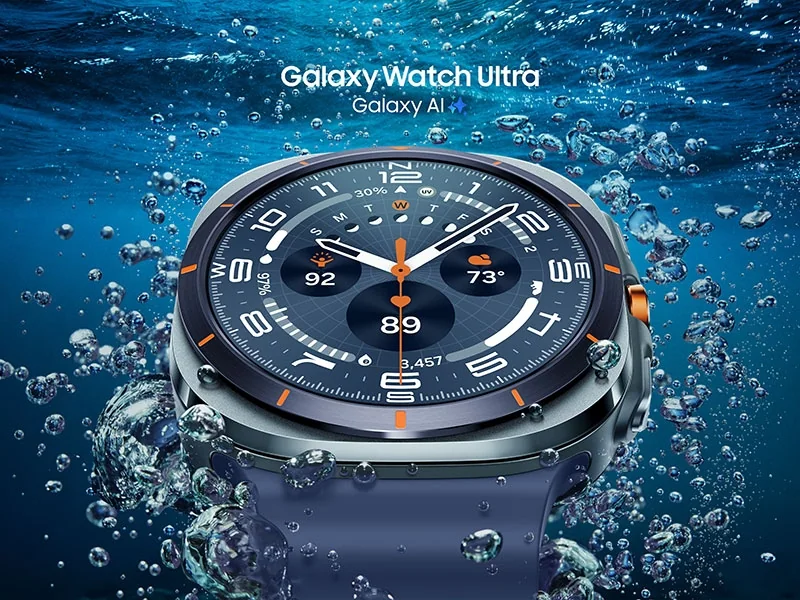
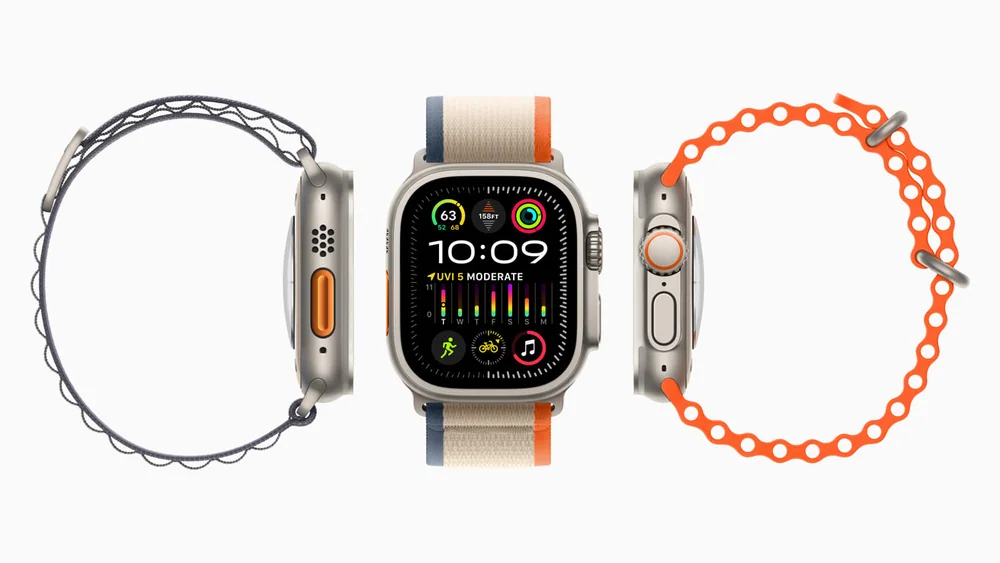
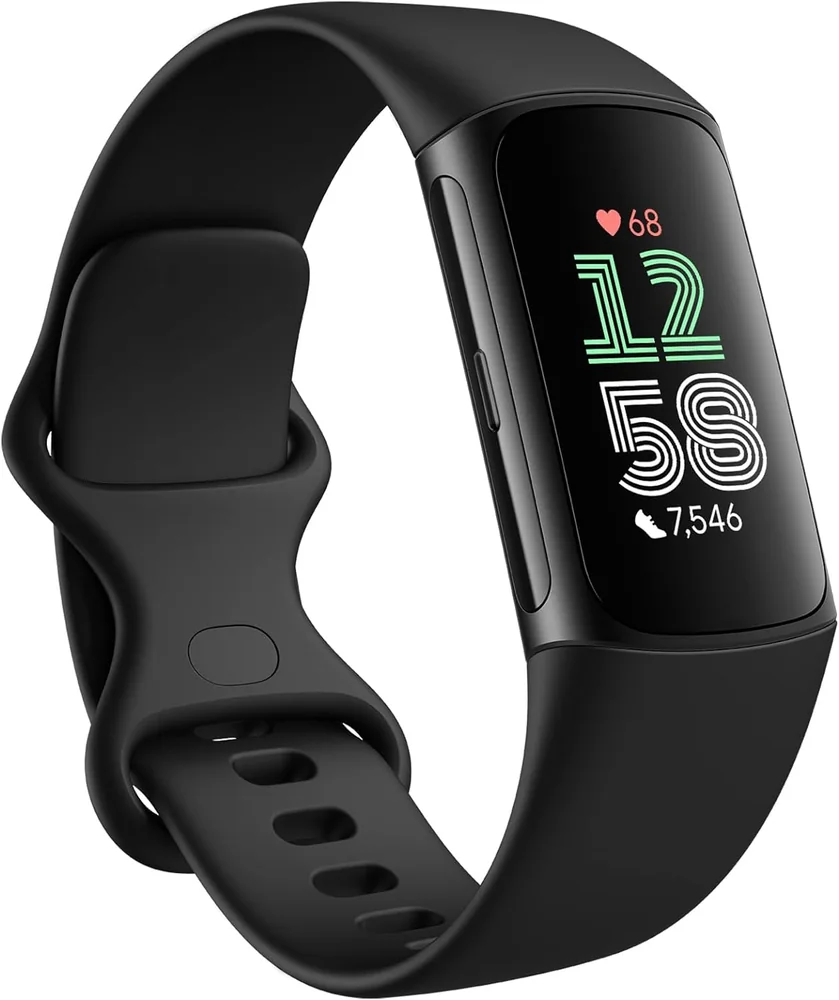
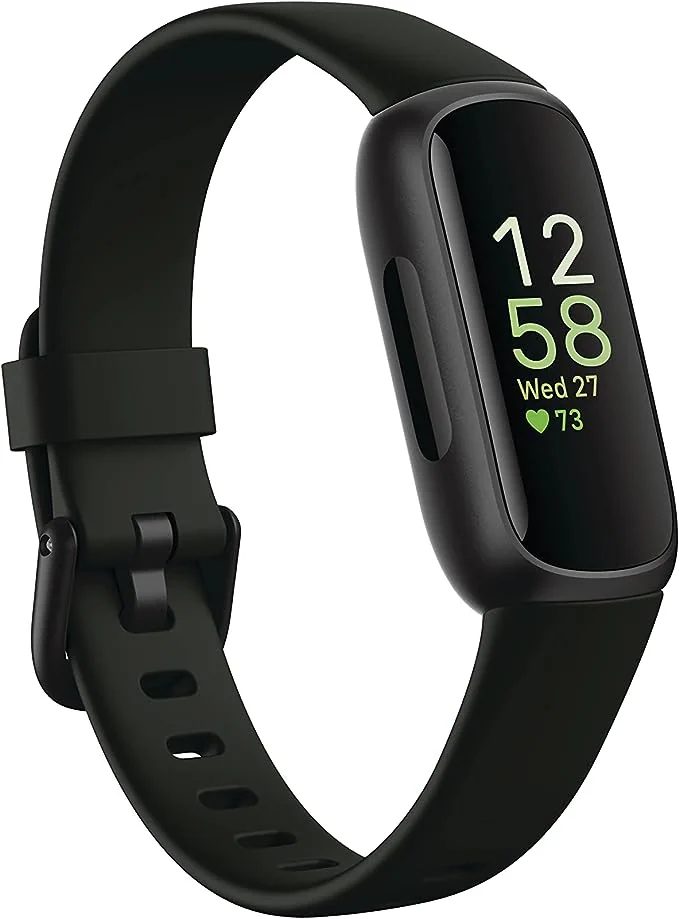
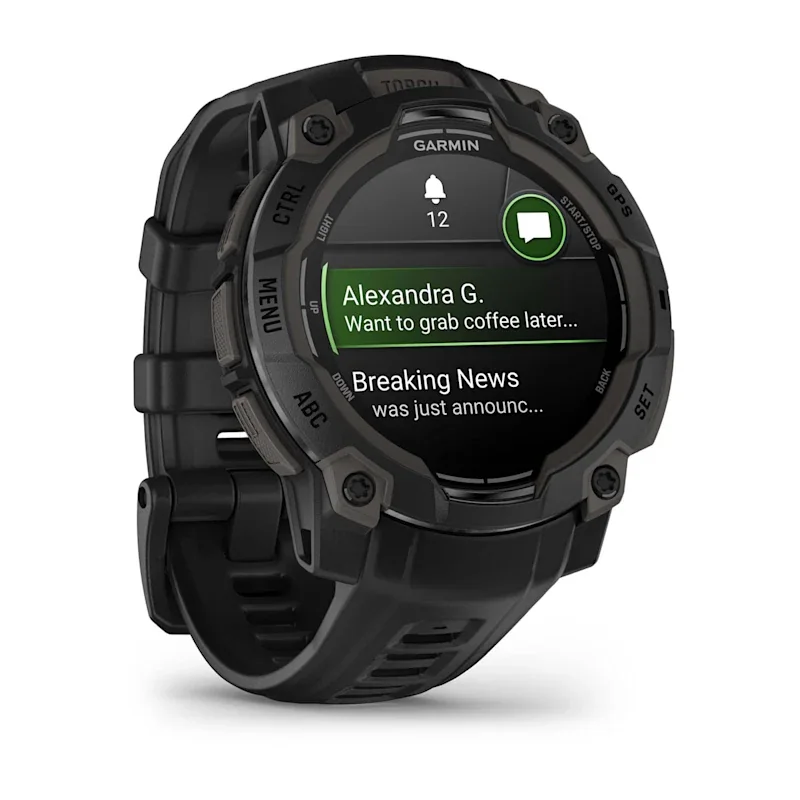
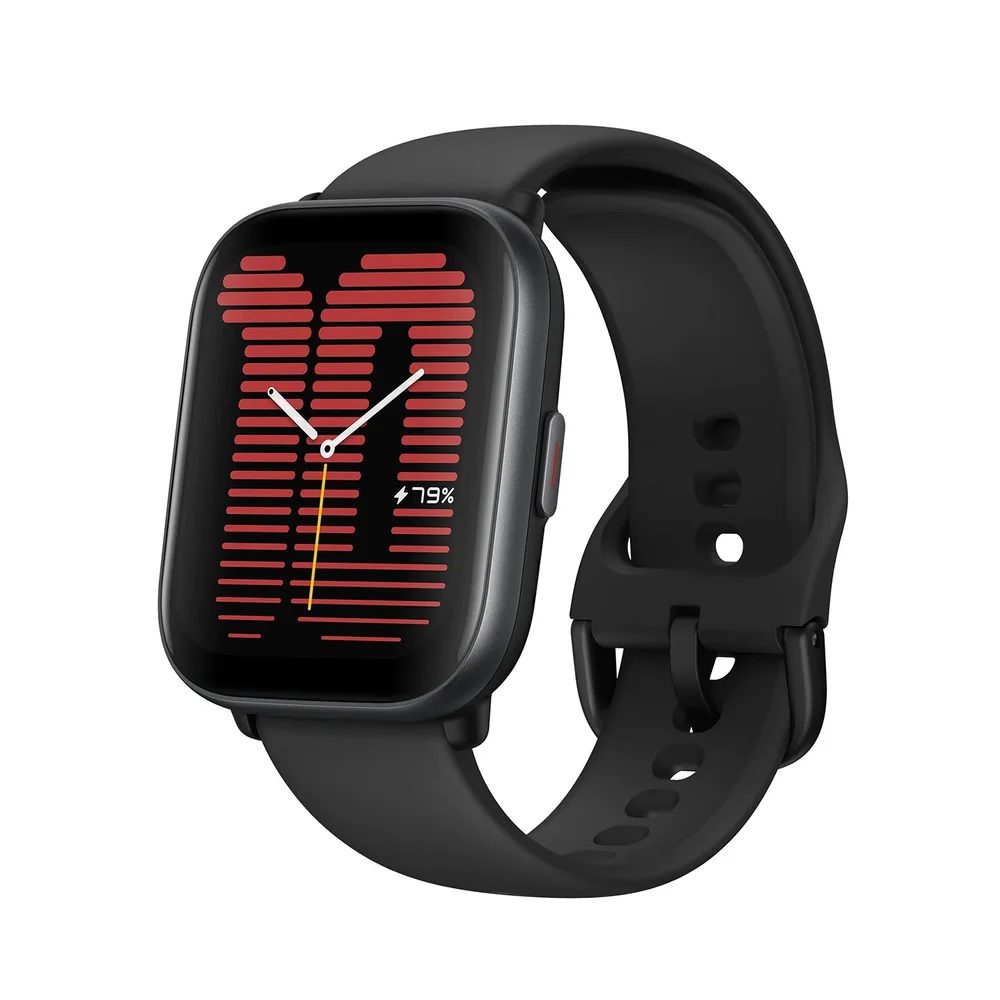
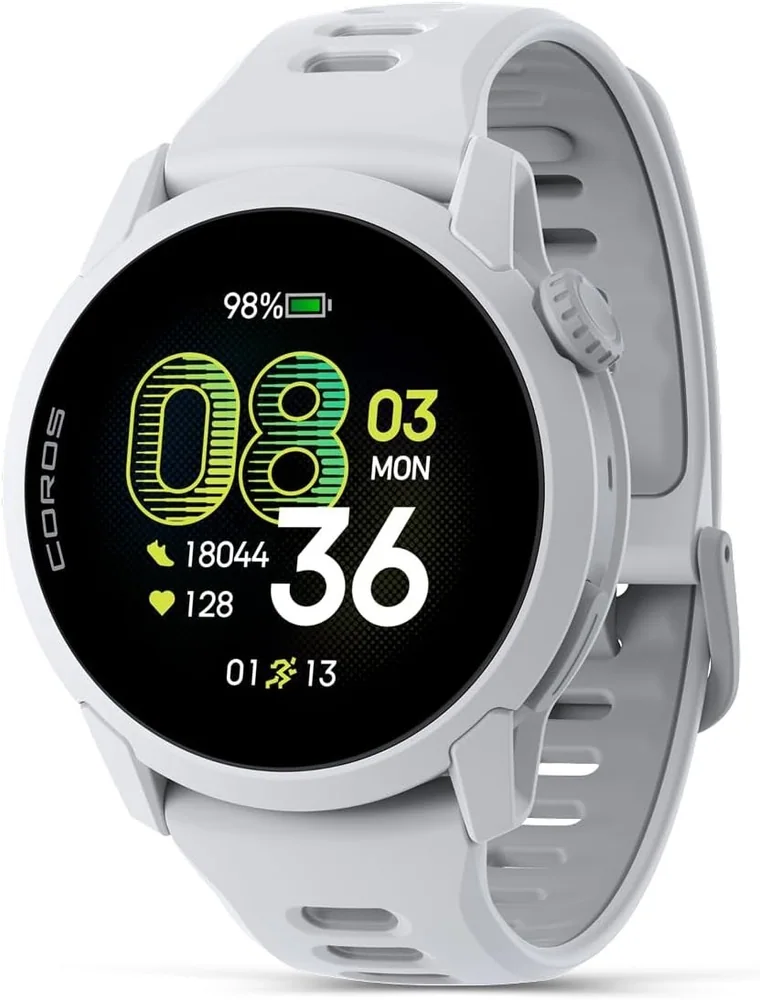
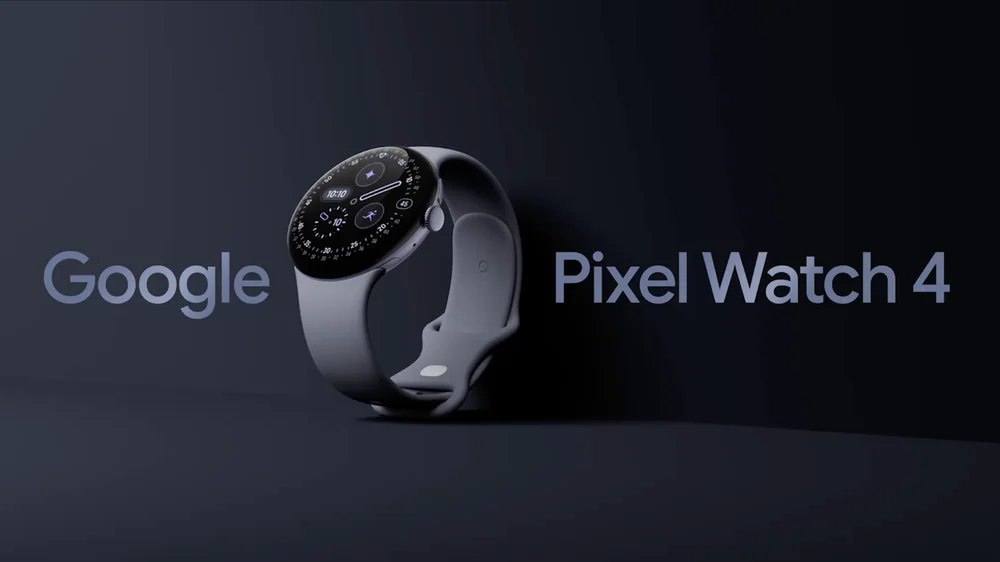
A fitness watch is built around workouts and trends over time: heart rate during training, GPS pace and distance, sleep consistency, and simple coaching tools like intervals and recovery prompts. A smartwatch with fitness features is built around daily convenience: notifications, calls, apps, and quick interactions. Both can track steps and workouts, but they feel different to live with because the priorities are different. The biggest day to day differences usually come down to battery habits, how much you want to interact with the screen, and whether you want the watch to push your training forward. If you want to charge once in a while and mostly glance at data, a fitness watch style tends to fit. If you want your wrist to act like an extension of your phone, a smartwatch style tends to fit, with the tradeoff of more frequent charging and more settings to manage.
Training focused watches usually give you more ways to structure a workout, not just record it. That can include interval builders (for example, warmup, then repeat 400 meter hard efforts with timed rest), pace or heart rate targets, alerts when you drift out of a zone, and longer term views like weekly training load. The practical benefit is less mental math during a workout and more consistency across weeks. Smartwatches often do a solid job logging runs, rides, and gym sessions, but the training depth can be lighter. You might get basic zones and summaries, yet fewer tools for planning and fewer knobs to tune what the watch shows mid workout. If you mostly want a record and a rough sense of effort, that is fine. If you want the watch to help you execute a specific session, the training-first approach matters.
Smartwatches shine when you want to handle small tasks without pulling out your phone. Notifications, quick replies, calls, calendar nudges, music controls, and third party apps can genuinely change your routine. The tradeoff is attention. More alerts and more on-wrist interactions can pull you out of workouts, meetings, or sleep, unless you take time to set up focus modes and notification filters. Fitness watches usually keep apps simpler and more limited on purpose. That can be a benefit if you want fewer distractions and a more consistent interface during exercise. Before buying, think about which moments you actually want your wrist to interrupt. If you only need texts from a few people and workout controls, you can often get that with a simpler watch and careful notification settings.
What this means when shopping: Choose based on the routine you want: training guidance and long battery life, or phone-like convenience and apps.