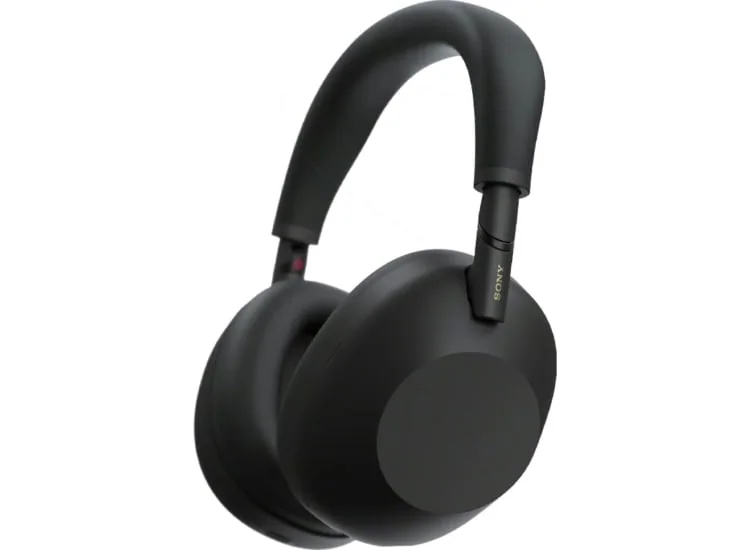
Headphone Comfort and Fit: What to Check Before You Commit
Published Updated
A practical guide to judging whether headphones will stay comfortable, secure, and usable long after the first few songs.
The sound can be gorgeous, the noise cancellation can hush a train car, and the price can feel justified right up until your jaw starts aching 40 minutes into an album. Comfort is not a minor preference with headphones. It determines whether a pair becomes part of your day or lives in a drawer. The short answer is to judge fit before features: pressure, contact points, heat, stability, and how the headphones behave with your glasses, hair, movement, and usual listening sessions. A good fit should disappear from your attention without becoming loose enough to break a seal or slide around.
Reading time: 9 minutesBest for: Listeners choosing headphones for long sessions, commuting, work, exercise, or glasses wear
Headphones should solve the distraction of wearing headphones
A comfortable pair lets the music, call, or podcast take center stage instead of constantly reminding you that something is pressing on your head. That sounds obvious, but shoppers often give sound quality and noise cancellation all their attention, then discover that a tight headband, shallow ear cup, or unstable earbud makes those strengths irrelevant. If you routinely listen for two hours, judge comfort at the two-hour standard, not the five-minute store-demo standard.
Fit also affects performance. Over-ear headphones need a reasonably even seal around the ear for active noise cancellation and bass response to work as intended. Earbuds need tips that seal the ear canal without painful pressure. A pair that shifts when you talk, chew, turn your head, or walk may sound thinner, admit more outside noise, and require more volume. Comfort and sound are not separate decisions; they are tied together at the point where the product meets your body.
Clamp force needs enough grip without the slow headache
Clamp force is the inward pressure created by an over-ear or on-ear headband. Too little, and the headphones slide when you look down or move around. Too much, and the pressure builds at the temples, behind the jaw, or on the arms of your glasses. On-ear headphones rest directly on the ears, so they are especially sensitive to this balance. Over-ear models spread pressure more broadly, but a firm clamp can still become tiring over a long flight or workday.
Look beyond a vague claim of a lightweight or comfortable design. Notice where the headband sits, whether the cups can pivot to follow the angle of your head, and whether the padding is substantial enough to distribute pressure rather than create one sore spot. If you can try a pair, wear it while looking down at a phone and turning your head as if you were speaking to someone nearby. A secure fit should not require you to keep readjusting it. If you cannot try it first, favor sellers with a clear return policy and treat the first extended listening session as the real test.
Roomy ear cups prevent the pinched-ear problem
For over-ear headphones, the cup should surround your ear rather than fold or press it into the padding. Ear-cup depth matters as much as width and height. A cup can look generously sized from the outside yet be shallow inside, leaving the outer ear to rub against the driver cover. That contact can become irritating surprisingly quickly, especially in warm rooms or during long listening sessions.
Pay attention to the shape of your ears, not just the advertised category. People with taller ears may need oval cups with more vertical room; people with ears that sit farther from the head may need deeper cushions. Thick pads are not automatically better if they reduce the usable interior space. Replaceable ear pads are a quiet advantage, too. Cushions compress and collect skin oils over time, and fresh pads can restore both comfort and the seal that supports bass and noise reduction. A handsome pair with nonreplaceable, flattened pads has a shorter comfortable life than it first appears to.
Weight becomes noticeable when the session gets long
A heavier headphone is not automatically uncomfortable. Weight can be manageable when it is spread across a well-padded headband and balanced close to the head. The trouble begins when a heavy design concentrates its load at the crown, pulls forward, or relies on a tight clamp to stay put. That is when a relaxed evening listen turns into a series of small posture changes and forehead rubs.
Think about how you listen. At a desk, you may tolerate more weight if you sit upright and mostly stay still. On a plane, reclining seat, or couch, a bulky pair can shift against a headrest and make the headband more noticeable. For walking, commuting, or chores, stability matters alongside weight because every step adds motion. Do not assume a lower listed weight settles the question. The distribution, cup shape, clamp, and padding determine whether those ounces feel planted or burdensome.
Earbud tips do the real work of comfort and sound
True wireless earbuds are often judged by the hard plastic shell, but the ear tip is the part that creates the seal. Silicone tips are common because they are washable, flexible, and available in several sizes. Foam tips can expand gently for a more secure seal, though they may need replacement sooner and can change the sound slightly. Neither material wins for everyone; the useful choice is the one that seals without making your ear canal feel stuffed or sore.
Try more than the medium tips that arrive installed. One ear may need a different size from the other, and that is normal. A proper fit should stay in place through a short walk, conversation, and a few head turns without needing to be pushed deeper. If bass seems weak or outside noise leaks in, the seal may be the issue rather than the earbuds' tuning. Avoid forcing a larger tip in pursuit of isolation. Pain, numbness, or persistent pressure is a sign to change size, shape, or the earbud design itself.
Glasses, hair, and daily movement expose weak fits
Glasses can change an over-ear headphone fit more than product photos suggest. The arms of the frames create a small gap in the ear-pad seal, which can reduce isolation and alter bass while adding pressure at the temples. Softer pads may conform around thin frames better than firm ones, but the result depends on the glasses and the headphone. If you wear glasses all day, test with them on rather than assuming a comfortable bare-headed fit will carry over.
Hair, hats, earrings, sweat, and movement deserve the same practical attention. Long hair can catch in headband sliders or interfere with an earbud's placement. A high ponytail may collide with a headband. During exercise, sweat can make a previously stable earbud work loose, while a large over-ear model can trap heat. For runners and walkers who want to hear traffic, people, and announcements, open-ear headphones can be more comfortable than a sealed earbud because they leave the ear canal open. They trade isolation for awareness, which is often the sensible bargain outdoors.
What this guide helps you understand
Choose headphones by the fit you can forget about during your longest normal session, not by the comfort you can tolerate for a few minutes.
For over-ear headphones, check cup depth and interior dimensions against the size and shape of your ears.
For earbuds, test every included tip size and confirm that each ear has a stable, painless seal.
Wear any trial pair with your usual glasses, hairstyle, and listening posture before the return window closes.
Move naturally: look down, turn your head, speak, walk, and lean back to see whether the fit shifts.
Technique notes
A secure seal can improve bass and active noise cancellation, but a tighter fit is not automatically a better fit.
Ear pads and ear tips wear out. Replaceable parts can make a favorite pair more comfortable and useful over time.
If a headphone causes pain or numbness, do not try to train yourself to tolerate it. A different shape is usually the better answer.
Safety note: Keep listening volume moderate, especially when a better seal makes outside noise less noticeable.