Pickori
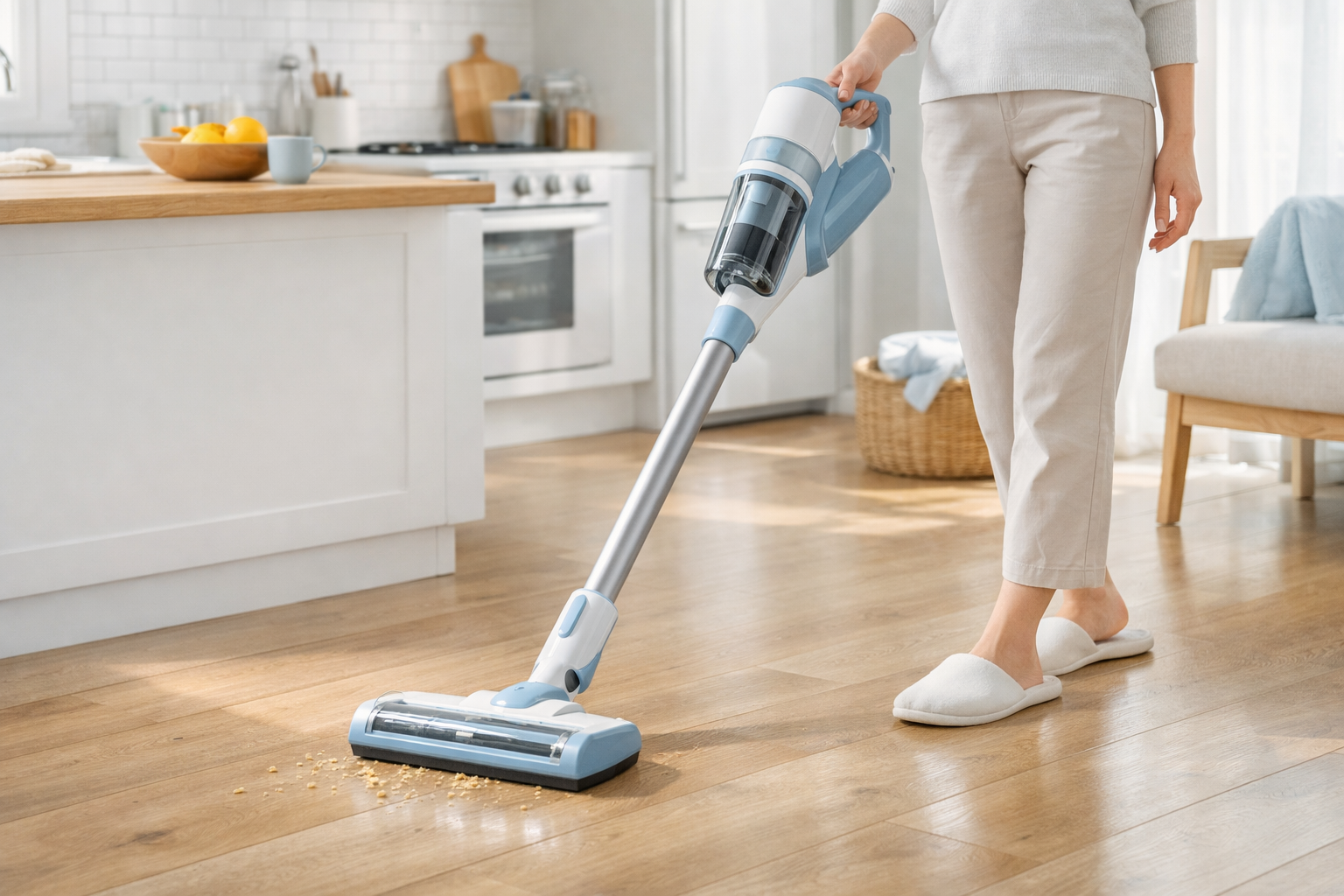
A cordless vacuum being used to clean a hardwood floor near a kitchen island

Cordless Vacuum Research

Cordless Vacuums

You see the crumb, you grab the vacuum, and thirty seconds later you're done instead of untangling a cord from under the couch. That instant, no-setup cleanup is the whole appeal, but the ones that deliver it and the ones that die halfway through the living room look almost identical on a store shelf. Battery runtime, suction that holds up as the bin fills, and a bin you're not afraid to empty are what separate the two.

The best cordless vacuum disappears into your routine instead of becoming a chore itself

A cordless vacuum only earns its keep if you actually grab it without thinking twice. That means runtime that survives a real cleaning session, not just the marketing number measured on the lowest power setting. It means a weight you can hold overhead to clean stairs or curtains without your arm giving out. And it means suction that doesn't fall off a cliff the moment the dust bin gets half full, which is where a lot of budget models quietly disappoint.

Floor type changes the calculus more than most shoppers expect. A model tuned for hardwood glides fast and light but can miss ground-in dirt on carpet. One built for carpet often has a stiffer roller brush that can scatter debris on bare floors instead of collecting it. Pet hair adds another wrinkle: a roller that wraps hair into a tight knot within a week is a maintenance headache no spec sheet warns you about, and a vacuum that's easy to open, rinse, and reassemble in under a minute will get used a lot more than one that requires a screwdriver.

Types of cordless vacuums

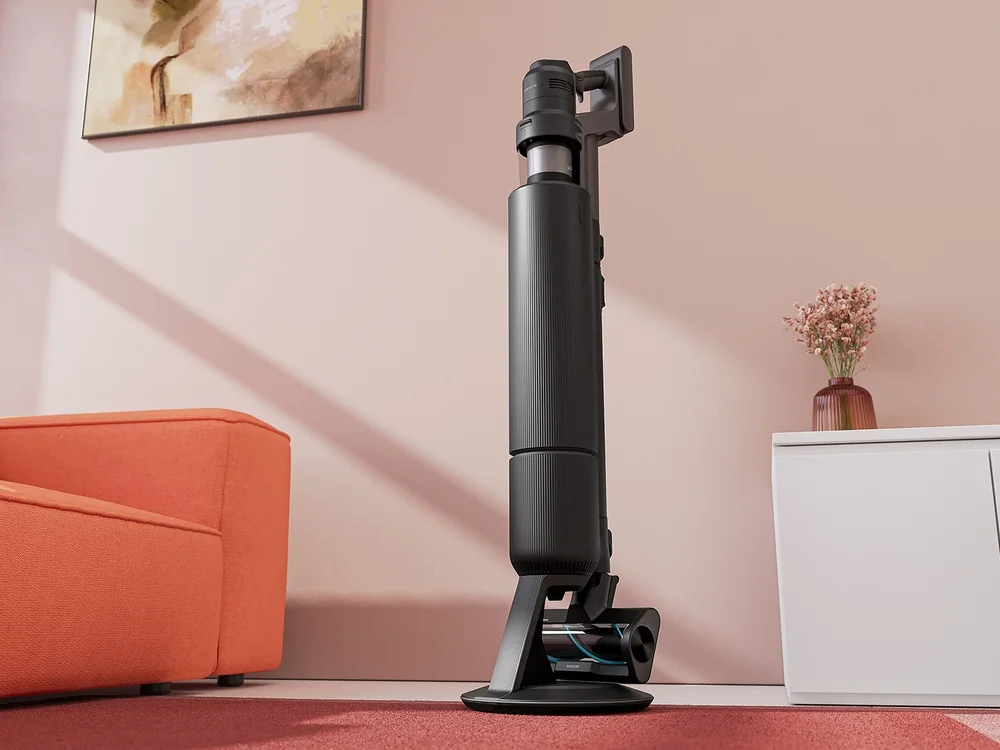
Samsung Bespoke Jet AI Ultra Cordless Stick Vacuum

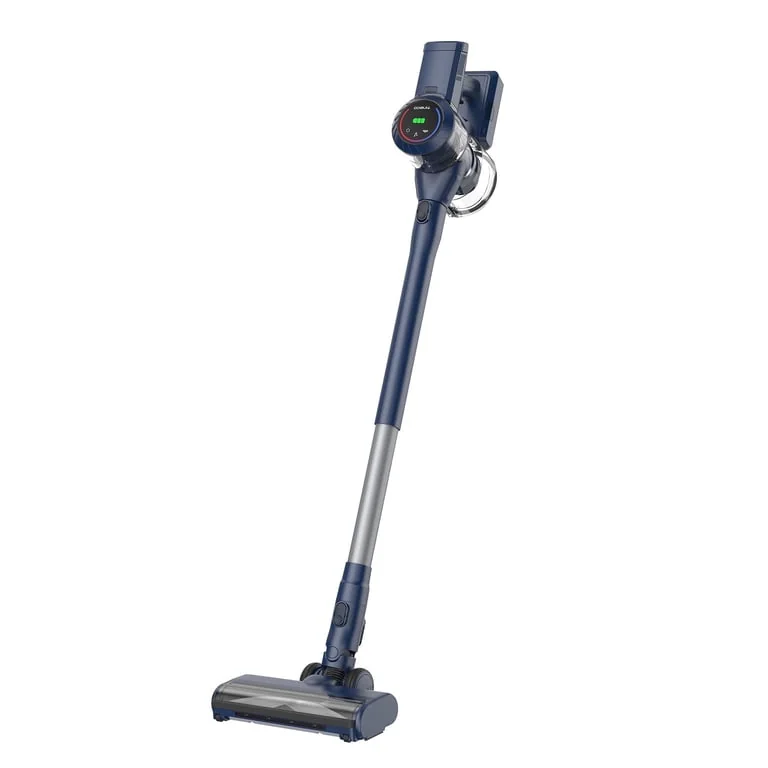
Stick vacuums

A slim upright body with the motor near the handle, built for quick daily passes over hard floors and light carpet.

Best for: Anyone who wants one grab-and-go tool for everyday messes rather than a deep weekly clean.
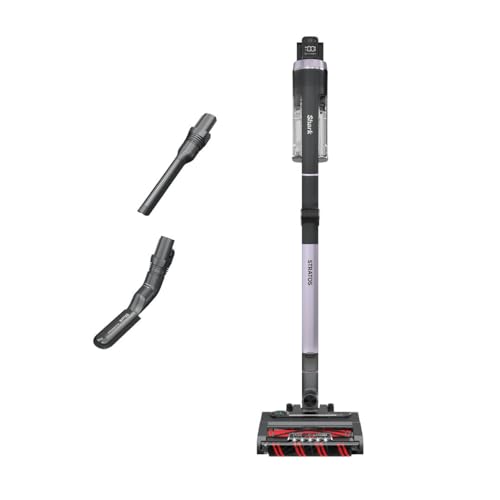
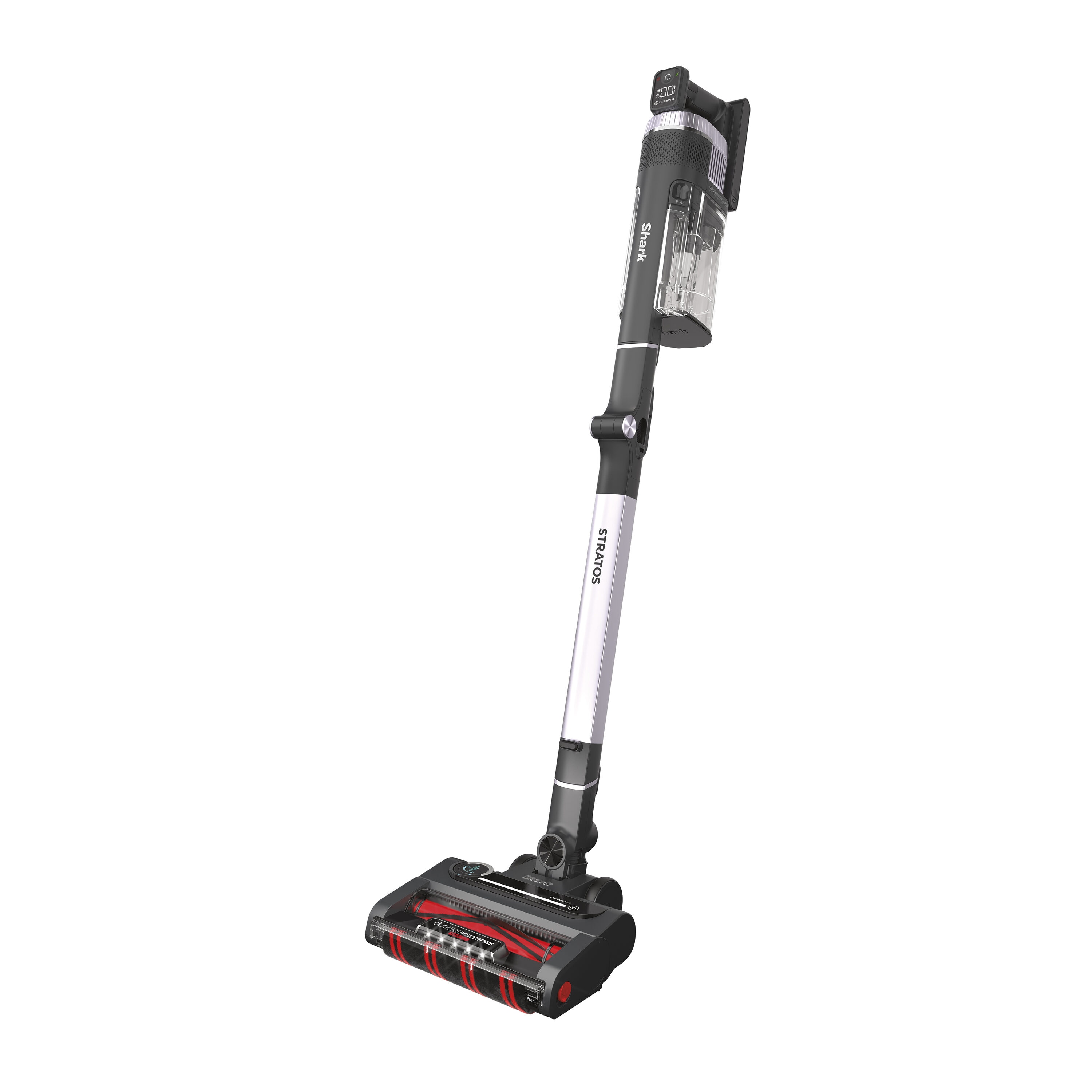
Shark Stratos Cordless

2-in-1 stick and handheld

The stick body detaches into a compact handheld unit for stairs, upholstery, and car interiors.

Best for: Households with stairs, pets, or a car that needs regular attention alongside the floors.

Dyson Gen5detect

Convertible with attachments

Comes with swappable heads: a motorized roller for carpet, a soft roller for hardwood, a crevice tool for tight corners.

Best for: Homes with mixed flooring where one head type won't handle every room well.

Wyze Cordless Vacuum S

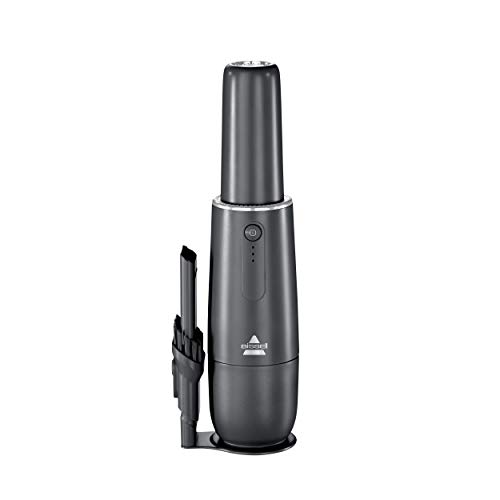
Compact lightweight models

Smaller battery and lighter body, trading runtime and raw suction for easy one-handed maneuvering.

Best for: Apartments, smaller homes, or anyone who vacuums often in short bursts rather than one long session.
Cordless Vacuum Buying Guides and Comparisons

Product reviews

In-Depth Cordless Vacuum Reviews

Read the full reasoning, important specifications, ownership details, and alternatives for every product covered in this research.

Browse all 35 in-depth cordless vacuum reviewsEvery full product review, organized by brandView complete archive

Bissell3 reviews

Bosch1 review

Dreame1 review

Dyson6 reviews

Electrolux1 review

Eureka1 review

Halo1 review

IonVac1 review

Kenmore1 review

Levoit1 review

LG2 reviews

Moosoo1 review

Ryobi1 review

Samsung3 reviews

Shark5 reviews

Tineco3 reviews

Worx2 reviews

Wyze1 review

Practical ownership help

Setup, care, and troubleshooting guides for cordless vacuum ownership

Practical help for getting the most runtime, suction, and lifespan out of the cordless vacuum you already own.

Dyson V12 Detect Slim
Care Guide How to Extend Your Cordless Vacuum's Battery Life Simple charging and storage habits that keep a cordless vacuum's battery performing closer to day-one levels for years. Read the guide →
Shark PowerDetect Clean & Empty Cordless Vacuum
Maintenance Guide How to Clean a Tangled Roller Brush Without Damaging It A step-by-step approach to clearing wrapped hair and debris from a roller brush without cracking the bristles or wrecking the bearings. Read the guide →
Dyson Gen5detect
Troubleshooting Guide Why Your Cordless Vacuum Is Losing Suction and How to Fix It A troubleshooting walkthrough for the most common reasons a cordless vacuum stops pulling dirt the way it used to. Read the guide →
Samsung Bespoke Jet AI Ultra Cordless Stick Vacuum
Use-Case Guide Which Cordless Vacuum Attachment to Use for Each Job A practical breakdown of what each attachment actually does so you stop reaching for the wrong tool. Read the guide →
Shark PowerDetect Clean & Empty Cordless Vacuum
Care Guide How Often to Clean or Replace Your Cordless Vacuum Filter A schedule and method for keeping your filter from quietly strangling your vacuum's suction. Read the guide →
Shark PowerDetect Clean & Empty Cordless Vacuum
Use-Case Guide How to Vacuum Stairs Safely with a Cordless Vacuum A technique guide for cleaning stairs thoroughly without straining your arm or losing your footing. Read the guide →
Shark PowerDetect Clean & Empty Cordless Vacuum
Maintenance Guide How to Empty a Cordless Vacuum Bin Without Making a Mess The technique that keeps dust from puffing back into your face and your kitchen when you empty a cordless vacuum's bin. Read the guide →
Levoit LVAC-200 Cordless Stick Vacuum
Use-Case Guide How to Set Up a Cordless Vacuum to Help with Allergies What filtration actually means on a cordless vacuum and the habits that make it useful for cutting down household allergens. Read the guide →
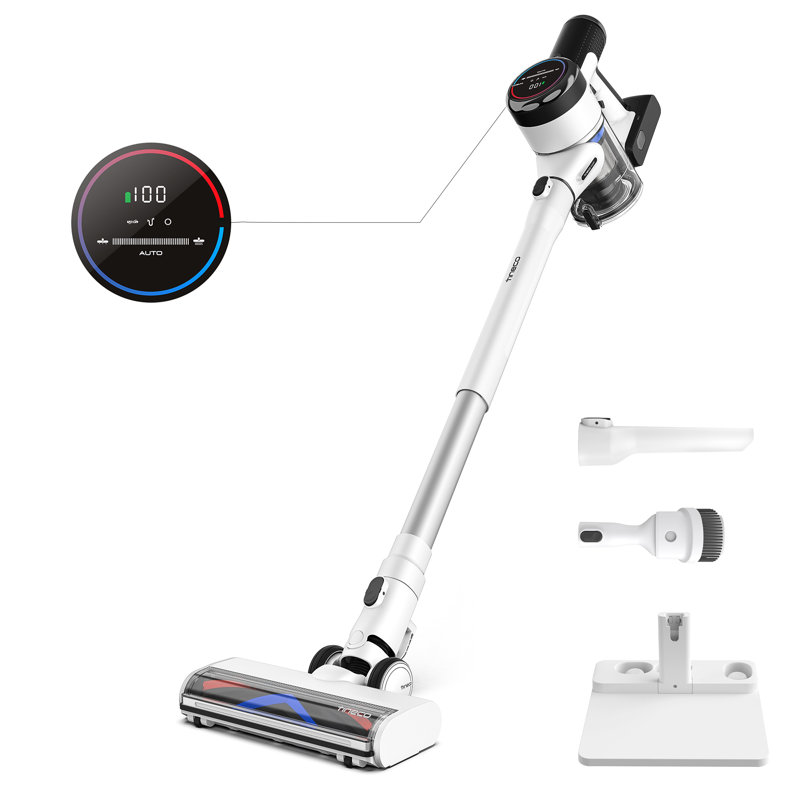
Tineco S10 ZT Smart Stick Vacuum
Setup Guide Where to Store and Charge a Cordless Vacuum at Home A practical plan for docking and charging your cordless vacuum so it's actually ready when you need it, not buried in a closet with a dead battery. Read the guide →
Eureka ReactiSense 440
Use-Case Guide How to Get the Best Results on Area Rugs and Carpet Carpet and area rugs ask more of a cordless vacuum than hard floors do, and knowing how to adjust technique and settings makes a real difference in what actually comes up. Read the guide →
Shark PowerDetect Clean & Empty Cordless Vacuum
Use-Case Guide How to Clean a Car Interior with a Cordless Vacuum Car interiors are cramped, oddly shaped, and full of pet hair traps, which makes handheld technique and attachment choice matter more than they do on a living room floor. Read the guide →

Learn the Category

Understand Cordless Vacuums Before You Buy

Plain-English guides to sizing, features, setup, maintenance, and the category questions that change the decision.
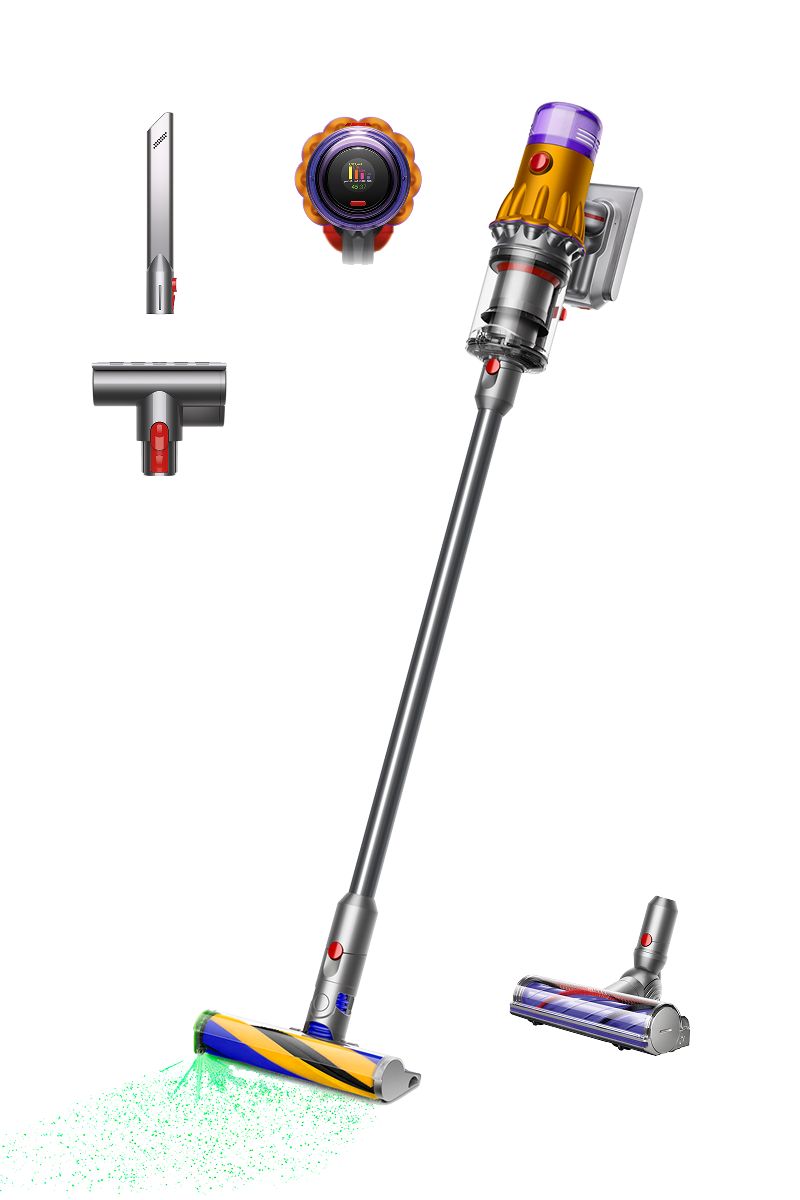
Dyson V12 Detect Slim
Category guide Why the Runtime Number on the Box Rarely Matches Real Use How runtime is tested versus how long a cordless vacuum actually lasts when you're using it to clean carpet. Read the guide →
Shark PowerDetect Clean & Empty Cordless Vacuum
Category guide What Suction Power Numbers Actually Tell You A breakdown of how suction specs relate to real pickup on carpet, hardwood, and everything in between. Read the guide →
Dyson Gen5detect
Category guide Is a Swappable Battery Worth Paying Extra For Weighing the cost and convenience of a removable battery against a fixed built-in one for bigger cleaning jobs. Read the guide →
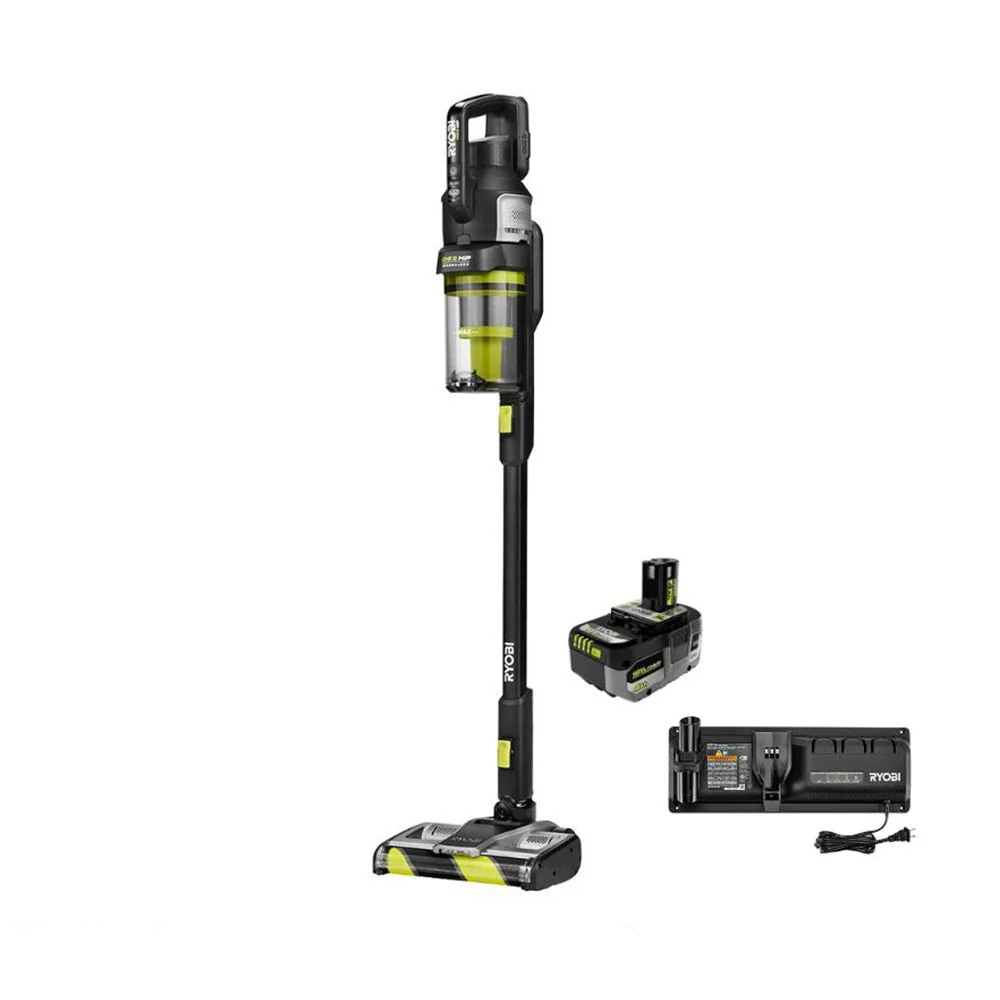
Ryobi 18V One+ HP Advanced Stick Vacuum Kit
Category guide How a Cordless Vacuum Compares to a Corded One in Daily Use A practical look at what you gain and give up when you drop the cord. Read the guide →
Bissell Pet Hair Eraser 2390 Cordless Handheld Vacuum
Category guide How Roller Brush Design Affects Pet Hair Pickup and Tangling Why the brush spinning at the bottom of the vacuum matters more than the suction number for pet owners. Read the guide →
Shark PowerDetect Clean & Empty Cordless Vacuum
Category guide What HEPA Filtration Actually Means for Allergy Sufferers What that HEPA label on the box promises, and what it quietly leaves out. Read the guide →
Bosch Unlimited 10 BCS1041TUC
Category guide How Much Does Vacuum Weight Really Matter for Everyday Use Total weight on a spec sheet tells you almost nothing about how a vacuum feels in your hand after two minutes on the stairs. Read the guide →
Levoit LVAC-200 Cordless Stick Vacuum
Category guide Why a Bigger Dust Bin Isn't Always the Better Choice A bigger bin sounds like less hassle, but it usually means more weight riding on the front of your vacuum the whole time you clean. Read the guide →
Tineco S10 ZT Smart Stick Vacuum
Category guide How Your Flooring Type Should Shape Which Vacuum You Buy The roller brush that makes a vacuum great on carpet can be the same one that scatters debris across your hardwood. Read the guide →
Eureka ReactiSense 440
Category guide What Warranty Coverage Actually Protects on a Cordless Vacuum A plain-language breakdown of what cordless vacuum warranties cover, what they quietly exclude, and what to ask before you buy. Read the guide →

Category Knowledge

How Cordless Vacuums Work

The technical details below explain why products behave differently and which differences shoppers are likely to notice.

Category knowledge

Why the Runtime Number on the Box Rarely Matches Real Use

How runtime is tested versus how long a cordless vacuum actually lasts when you're using it to clean carpet.

Every cordless vacuum box has a runtime number, and it's usually the first thing shoppers compare. The problem is that number rarely describes the way you'll actually use the machine. Runtime is almost always measured on the lowest suction setting, the one that barely stirs dust on a hardwood floor. Switch to high power, the setting that actually pulls dirt out of carpet fibers, and that runtime can drop by more than half. Understanding this gap before you buy saves you from a vacuum that dies in the middle of the living room.

Manufacturers test runtime under the conditions that produce the biggest number, which means lowest suction, empty dust bin, and a fully charged battery straight out of storage. That's a reasonable way to advertise a spec, but it's a poor stand-in for how you'll actually clean. Low power mode moves air gently across a floor. It's fine for a quick pass over hardwood where nothing's embedded, but it does very little on carpet or against pet hair worked into fibers.

The gap between advertised runtime and real runtime isn't a defect, it's just a different measurement. A vacuum rated for 40 minutes on low might give you 12 to 15 minutes on high. If your home has carpet in more than one room, or you're vacuuming after a shedding dog had the run of the house, you'll be on high power most of the time. Read runtime claims as a ceiling, not a promise, and check whether the listing breaks out a high-power figure separately.

Suction mode isn't the only factor. A full dust bin makes the motor work harder to pull air through, which draws more power even at the same setting. Cold temperatures can also reduce battery output temporarily, so a vacuum stored in a garage or unheated closet may underperform its rated time until it warms up. None of this shows up in the marketing runtime, but it shows up in your Tuesday afternoon cleaning session.

Battery age matters too, and it's worth planning for. Lithium batteries in cordless vacuums lose capacity over repeated charge cycles, so a machine that ran 15 minutes on high when new might only manage 10 or 11 after a couple years of regular use. That's normal wear, not a warranty issue, but it's a reason to buy a little more runtime headroom than you think you need on day one.

What this means when shopping: Battery age matters too, and it's worth planning for. Lithium batteries in cordless vacuums lose capacity over repeated charge cycles, so a machine that ran 15 minutes on high when new might only manage 10 or 11 after a couple years of regular use. That's normal wear, not a warranty issue, but it's a reason to buy a little more runtime headroom than you think you need on day one.

Category knowledge

What Suction Power Numbers Actually Tell You

A breakdown of how suction specs relate to real pickup on carpet, hardwood, and everything in between.

Suction power gets marketed like a horsepower rating, a bigger number that must mean a better vacuum. In practice it's only part of the story, and it interacts with floor type and brush design in ways the spec sheet doesn't explain. Two vacuums with nearly identical suction ratings can perform very differently once you put them on carpet versus hardwood, because airflow, brush design, and how well the head seals against the floor all matter as much as raw suction. Knowing what the number does and doesn't tell you keeps you from overpaying for a spec that won't change your actual cleaning results.

Suction ratings, often given in a unit tied to air pressure or airwatts, describe how much force the motor generates pulling air through the machine under lab conditions. That's a useful way to compare motors in isolation, but it doesn't account for how much of that force actually reaches the floor. A head with a poor seal against carpet, or gaps around the brush roll, lets air leak in and reduces the real pulling power well below the rated number.

This is why two vacuums with similar suction ratings can feel noticeably different in use. The one with a tighter-sealing nozzle and a brush roll that agitates carpet fibers effectively will out-clean the one that simply has a stronger motor pushing air through a leaky head. If a listing only advertises suction and says nothing about nozzle design or brush type, treat the number as a rough guide rather than the deciding factor.

On hardwood or tile, suction does most of the work, since there's no fiber to dig into and debris sits on the surface waiting to be lifted. A vacuum with modest suction but a good seal against smooth flooring can perform very well here, which is part of why lightweight stick vacuums marketed for hardwood often get by with less raw power than carpet-focused models.

Carpet is a different problem entirely. Dirt and pet hair work down into the fibers, and suction alone often can't pull it back out. This is where the roller brush does the heavy lifting, physically agitating the carpet to loosen debris that the airflow then carries away. A vacuum with strong suction but a weak or poorly designed roller will glide over carpet without doing much, which is a common disappointment for buyers who focused on the suction spec alone.

What this means when shopping: Carpet is a different problem entirely. Dirt and pet hair work down into the fibers, and suction alone often can't pull it back out. This is where the roller brush does the heavy lifting, physically agitating the carpet to loosen debris that the airflow then carries away. A vacuum with strong suction but a weak or poorly designed roller will glide over carpet without doing much, which is a common disappointment for buyers who focused on the suction spec alone.

Category knowledge

Is a Swappable Battery Worth Paying Extra For

Weighing the cost and convenience of a removable battery against a fixed built-in one for bigger cleaning jobs.

Most cordless vacuums come with a battery built into the body, sealed away and charged through a cord that plugs into the whole unit. Some models instead use a removable battery pack that clicks out for charging or swapping, and that difference matters more than it looks like on a spec sheet. A swappable battery isn't just a convenience feature, it changes how you can use the vacuum day to day and how long the machine stays useful once the original battery starts to wear out. Whether that's worth the extra cost depends on the size of your home and how you actually clean.

With a built-in battery, once it runs out mid-clean, the whole vacuum goes on the charger and you wait, usually a few hours, before you can pick up where you left off. With a removable pack, you can keep a spare charged and ready, swap it in seconds, and keep cleaning without interrupting the session. For a larger home where one battery charge doesn't cover the whole house, that difference is the whole point of buying a spare.

The other advantage shows up years down the line rather than on day one. Batteries degrade with charge cycles no matter how well you treat them, and a built-in battery means the whole vacuum's usable life is tied to that one battery's lifespan. A removable pack can be replaced on its own once it weakens, extending the life of the vacuum without buying a new machine.

Vacuums with removable battery systems typically cost more upfront, and buying a second battery pack as a spare adds further cost on top of that, often a meaningful fraction of what the vacuum itself cost. That's a real expense, and it only pays off if you'll actually use the extra runtime it buys you.

If your home is small enough that a single charge comfortably covers a full cleaning session, a spare battery is money spent solving a problem you don't have. The value shows up specifically in larger homes, multi-story houses, or households that vacuum daily and don't want to plan around a charging cycle.

What this means when shopping: If your home is small enough that a single charge comfortably covers a full cleaning session, a spare battery is money spent solving a problem you don't have. The value shows up specifically in larger homes, multi-story houses, or households that vacuum daily and don't want to plan around a charging cycle.

Category knowledge

How a Cordless Vacuum Compares to a Corded One in Daily Use

A practical look at what you gain and give up when you drop the cord.

Corded vacuums have one job and no battery to worry about. Plug in, clean until you're done, unplug, done. Cordless models trade that unlimited runtime for freedom of movement, and that trade shapes almost everything about how you'll actually use one day to day. The difference shows up most clearly in the moments you don't plan for: the quick spill under the table, the stairs you'd normally skip because dragging a cord up them is a hassle, the car interior you keep meaning to clean. Understanding what each format is actually good at will save you from buying the wrong one for your house.

A corded vacuum pulls straight from your wall outlet, so it can run a strong motor continuously without worrying about draining anything. That's why heavy-duty corded uprights often out-suction cordless models on the toughest carpet, especially over a long cleaning session. The cordless motor has to share its energy budget with the battery, so even a strong unit will throttle back on lower settings to stretch runtime, and even on high power it's working against a battery that's slowly draining the whole time.

In practice this means a corded vacuum is still the better tool for a once-a-week deep clean of a large, heavily carpeted house, especially if you have kids or pets grinding dirt into the fibers daily. A cordless vacuum shines for the in-between moments: the daily pass over hard floors, the quick response to a dropped bag of flour, the stairs. Many households end up happiest running both, treating the cordless as the grab-and-go tool and the corded as the occasional heavy lifter.

The obvious cost of a corded vacuum is the cord itself: you're constantly unplugging and replugging as you move between rooms, working around furniture, and untangling it from doorframes. That friction is real, and it's the main reason cordless vacuums have taken over for everyday cleaning. But cords also mean you're never stuck mid-room because a battery died, and you never have to think about charging schedules or battery aging over the years.

Cordless batteries lose capacity over time, the same way a phone battery does, so a vacuum that ran 25 minutes on high power when new might only manage 18 minutes after two or three years of regular use. That's not a defect, it's just how lithium batteries behave, but it's worth planning for if you're buying a cordless model to replace your only vacuum. Check whether the battery is removable and replaceable separately from the vacuum body, because that single detail determines whether the whole machine becomes junk once the battery fades or whether you can just swap in a new one.

What this means when shopping: Cordless batteries lose capacity over time, the same way a phone battery does, so a vacuum that ran 25 minutes on high power when new might only manage 18 minutes after two or three years of regular use. That's not a defect, it's just how lithium batteries behave, but it's worth planning for if you're buying a cordless model to replace your only vacuum. Check whether the battery is removable and replaceable separately from the vacuum body, because that single detail determines whether the whole machine becomes junk once the battery fades or whether you can just swap in a new one.

Specs That Matter When Choosing Cordless Vacuums

These are the measurements and ownership details that change which cordless vacuums make sense.

Runtime on high power

How many minutes the vacuum runs at its strongest suction setting before the battery dies.

Why it matters: The low-power number on the box is almost always longer and less useful; high power is what actually lifts embedded dirt from carpet.

Suction consistency as the bin fills

Whether airflow and pickup stay strong as dust and debris accumulate in the canister.

Why it matters: A vacuum that loses power at half-full means more stops to empty it mid-clean, which defeats the whole cordless convenience.

Roller brush design

The type of bristle or rubber blade on the rotating brush head that agitates dirt out of flooring.

Why it matters: Rubber-finned rollers resist pet hair wrap-around; bristled rollers can dig deeper into carpet but tangle hair faster.

Weight and balance

Total weight and where it's distributed, especially how heavy the unit feels held overhead.

Why it matters: A bottom-heavy design feels fine pushing across a floor but exhausting when reaching up to clean stairs or blinds.

Claims that need context

"Up to 60 minutes of runtime": That number is almost always measured on the lowest suction mode, which barely lifts anything off carpet. On high power, expect a fraction of that time.

"Powerful enough for pet hair": Suction is only half the story. If the roller brush isn't designed to resist wrap-around, you'll be cutting hair out of the bristles weekly regardless of motor strength.

"Lightweight design": A vacuum can be light on a scale and still feel heavy after two minutes held overhead, since weight distribution matters as much as total ounces.

Brands in the Category

Cordless Vacuum Brands Explained

Use the brand overview as a starting point, then open the linked product reviews for the model-specific decision.

Eureka ReactiSense 440
Brand guide

Eureka

The ReactiSense 440 earned its recognition by tying with an established favorite in cordless vacuum testing, which is a reasonable signal for a newer name in this space.

What to know: 2 Eureka models appear across the current guides and reviews.

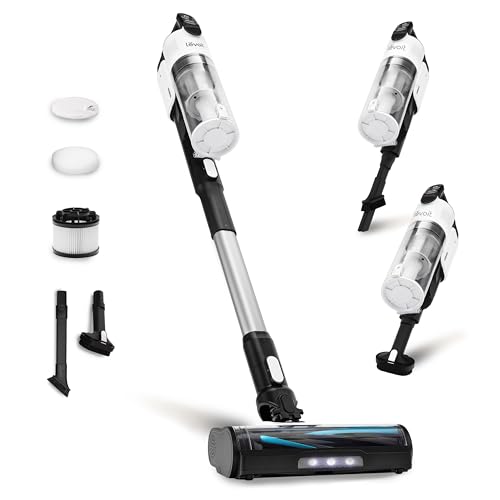
Levoit LVAC-200 Cordless Stick Vacuum
Brand guide

Levoit

This one shows up on lists aimed at everyday cordless cleaning largely because it covers the basics without asking for a big commitment.

What to know: 2 Levoit models appear across the current guides and reviews.

How to Choose a Cordless Vacuum

  • Runtime on high power: The low-power number on the box is almost always longer and less useful; high power is what actually lifts embedded dirt from carpet.
  • Suction consistency as the bin fills: A vacuum that loses power at half-full means more stops to empty it mid-clean, which defeats the whole cordless convenience.
  • Roller brush design: Rubber-finned rollers resist pet hair wrap-around; bristled rollers can dig deeper into carpet but tangle hair faster.
  • Weight and balance: A bottom-heavy design feels fine pushing across a floor but exhausting when reaching up to clean stairs or blinds.

Cordless Vacuums FAQ

What's the most important factor for a stick vacuum used daily?

Weight and balance matter more than raw suction for daily use, since a heavy vacuum discourages the quick five-minute cleanups a stick vacuum is meant for. Runtime at a usable power setting matters almost as much, since dialing suction down to stretch battery life can undercut cleaning performance.

Are self-emptying stick vacuums worth the extra bulk?

If emptying a dustbin regularly is a genuine hassle for you, a self-emptying dock like the one on the Shark PowerDetect can be worth the floor space it takes up. If you have a small storage area, a simpler stick vacuum without a docking station may fit your space better.

Do higher-suction models like the Dyson V15 make sense for a light-cleaning household?

Not necessarily. Extra suction is most useful for thicker carpet or heavy pet hair; for mostly hard floors and light debris, a lighter, more maneuverable model like the V12 Detect Slim tends to be more practical day to day.

How much does dustbin size matter for everyday use?

It matters most if you tend to vacuum infrequently, since a small bin fills faster. For households cleaning in frequent short bursts, bin size is less critical than weight and runtime.