
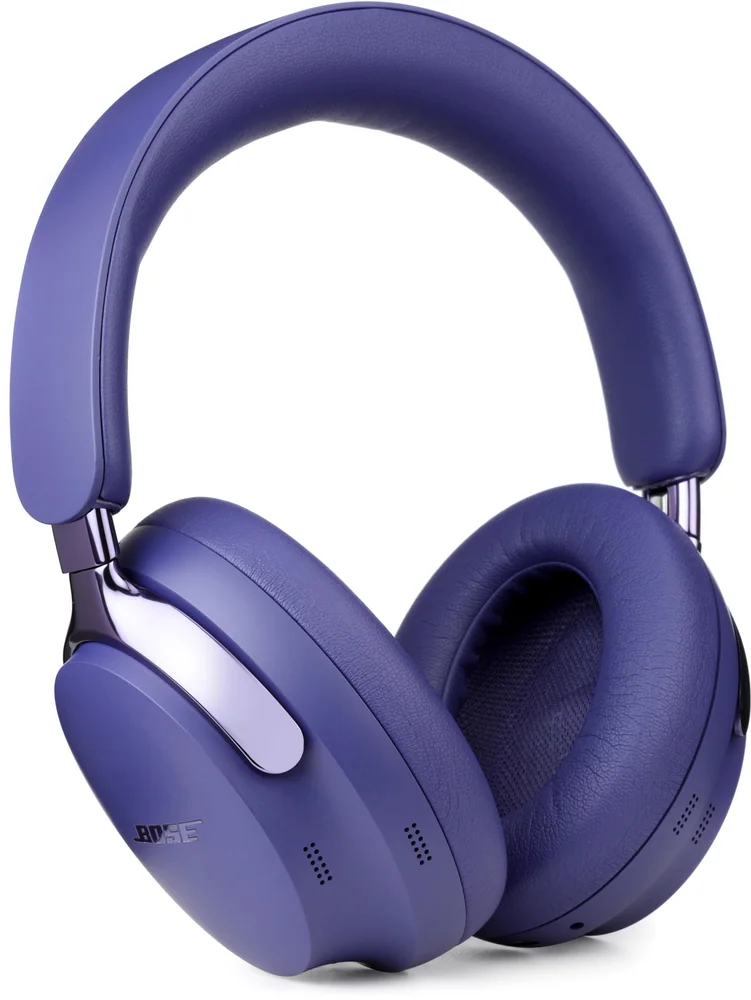
What to know first
- Second-generation model refines Bose's existing QuietComfort Ultra formula rather than overhauling it
- Competes directly with Sony's WH-1000XM6 in the premium noise-cancelling over-ear category
- Comfort and noise cancellation remain Bose's core selling points in this line
- Best suited to travelers and daily commuters who value consistency over novelty
- Not the pick for buyers chasing the newest wireless audio codecs or rock-bottom pricing
Bose's flagship over-ear, one generation later
Every major headphone brand now fields a flagship noise-cancelling over-ear, and Bose has held a seat at that table for over a decade. The QuietComfort Ultra Headphones (second generation) is the newest version of that flagship, arriving into a market where Sony's WH-1000XM6 and a handful of other well-regarded competitors are also fighting for the same shelf space.
What separates this generation from being just another refresh is that Bose isn't trying to out-spec anyone. It's protecting a reputation for comfort and quiet that took years to build, and betting that most buyers care more about a headphone that disappears on their head for a ten-hour flight than one that wins a numbers game on paper.
For shoppers comparing this against last year's model or against Sony's equivalent, the honest framing is that this is an incremental step, not a reinvention. That's not automatically bad news. Sometimes the right move for a mature product is small, careful improvement instead of a redesign that risks what already worked.
Why comfort still does the heavy lifting
Bose has built its flagship reputation less on aggressive spec claims and more on the physical experience of wearing the headphones for hours at a stretch. That's the throughline across QuietComfort generations, and it's the main reason loyal owners keep buying the newest version instead of switching brands.
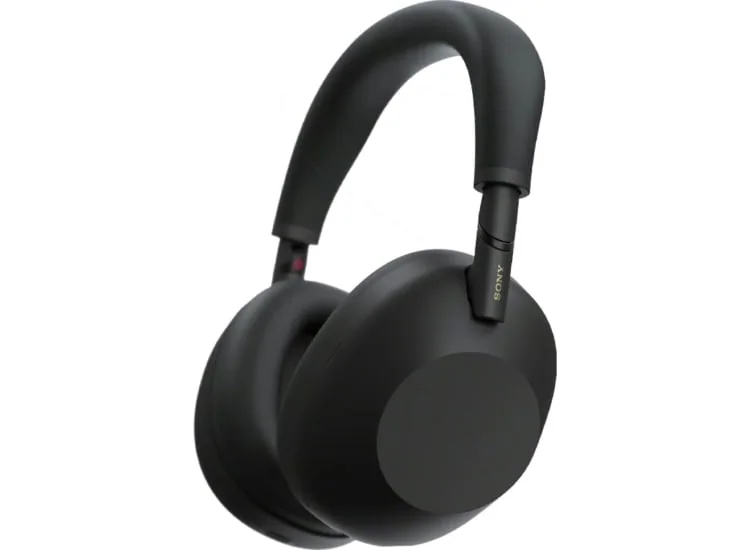
Against Sony's WH-1000XM6, the comparison usually comes down to fit philosophy. Sony has leaned into feature density and processing power; Bose has leaned into a softer clamp and lighter overall feel. Neither approach is objectively better. It depends on whether your ears and head shape get along with one design more than the other, which is something no spec sheet can settle for you.
Noise cancellation is the other pillar, and it's worth being precise about what that means in practice. Bose's ANC handles steady, low-frequency noise, engine drone, HVAC hum, the general roar of a cabin, more effectively than it handles sudden or nearby sounds like a crying child or a barista calling out an order. That's true of every ANC headphone on the market, not a unique weakness here, but it's worth knowing before you expect total silence.
What a normal week with them looks like
For most owners, daily use comes down to a short list of moments: putting them on for a commute, taking a call, switching between a laptop and a phone, and charging them overnight or between trips. Bose's app-based controls have historically covered these basics without much friction, and that pattern is likely to hold for this generation given how little has changed structurally.
Where premium noise-cancelling headphones earn their price is less in any single spec and more in the absence of small annoyances: a stable Bluetooth connection during a crowded commute, ANC that doesn't need constant recalibrating, and a clamping force that still feels fine after three hours instead of turning into a headache. That's the kind of ownership experience Bose has built a track record on, generation after generation.
The honest limitation to weigh before buying
The clearest caveat here is that this is an iterative update. If you own the first-generation QuietComfort Ultra Headphones already, there isn't a strong case in the available evidence that this second generation delivers a leap large enough to justify replacing a headphone you're already happy with.
There's also the codec and hi-res audio conversation worth tempering. Wireless audio quality depends on your source device, the streaming service, and a stable connection just as much as it depends on which codecs a headphone supports. Don't let a codec checklist alone decide the purchase, because the fit and daily reliability usually matter more than which acronym is on the box.
Price is the other practical factor. Flagship noise-cancelling headphones from Bose sit at the premium end of the market, and buyers on a tighter budget will find capable alternatives at lower price points, even if those alternatives ask for some compromise on comfort or noise cancellation consistency.
The specs that matter
Effective against steady noise like engine rumble and HVAC hum, but it won't erase sudden sounds or nearby conversation. Manage expectations accordingly on flights and in open offices.
Signals an iterative refinement of an existing design rather than a ground-up redesign, which matters most if you're deciding whether to upgrade from the first generation.
Long listening sessions, especially on flights or during work-from-home days, are where clamping force and weight distribution matter more than any spec number.
Choosing between the two often comes down to fit preference and ecosystem loyalty rather than a clear technical winner.
Who this product fits
The long-haul flyer
Someone who flies internationally several times a year benefits most from Bose's steady, fatigue-resistant ANC and soft-clamp comfort, since a headphone that stays comfortable for eight or more hours matters more than any single feature.
The upgrade-minded first-gen owner
An owner of the original QuietComfort Ultra Headphones who's tempted by the new model should hold off unless a specific pain point with the first generation is resolved here, since the available evidence points to a refinement rather than a major jump.
The comparison shopper choosing between Bose and Sony
A buyer cross-evaluation this against Sony's WH-1000XM6 should try both on if possible, since the decision leans heavily on fit and clamp preference rather than a clear performance gap.
What else to compare
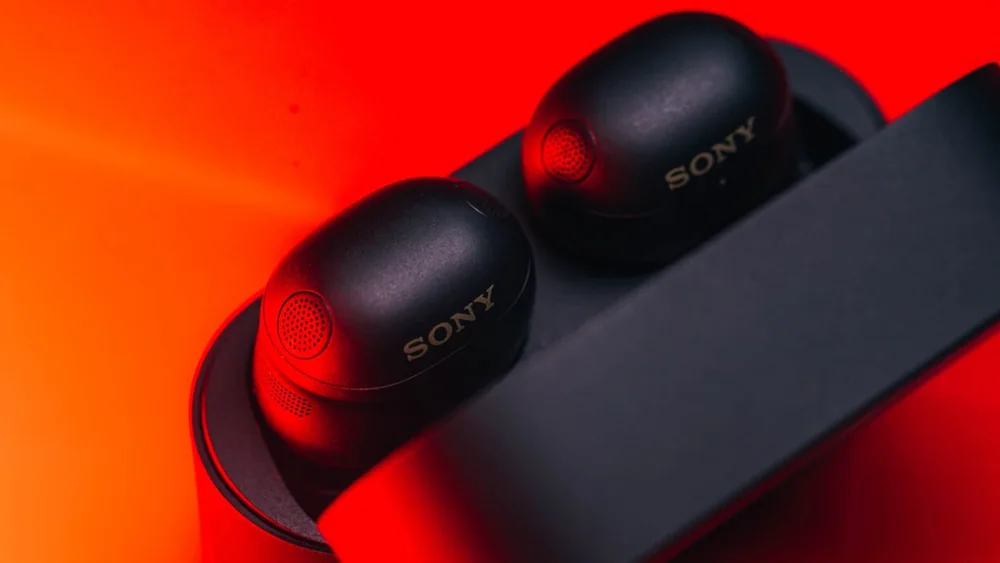
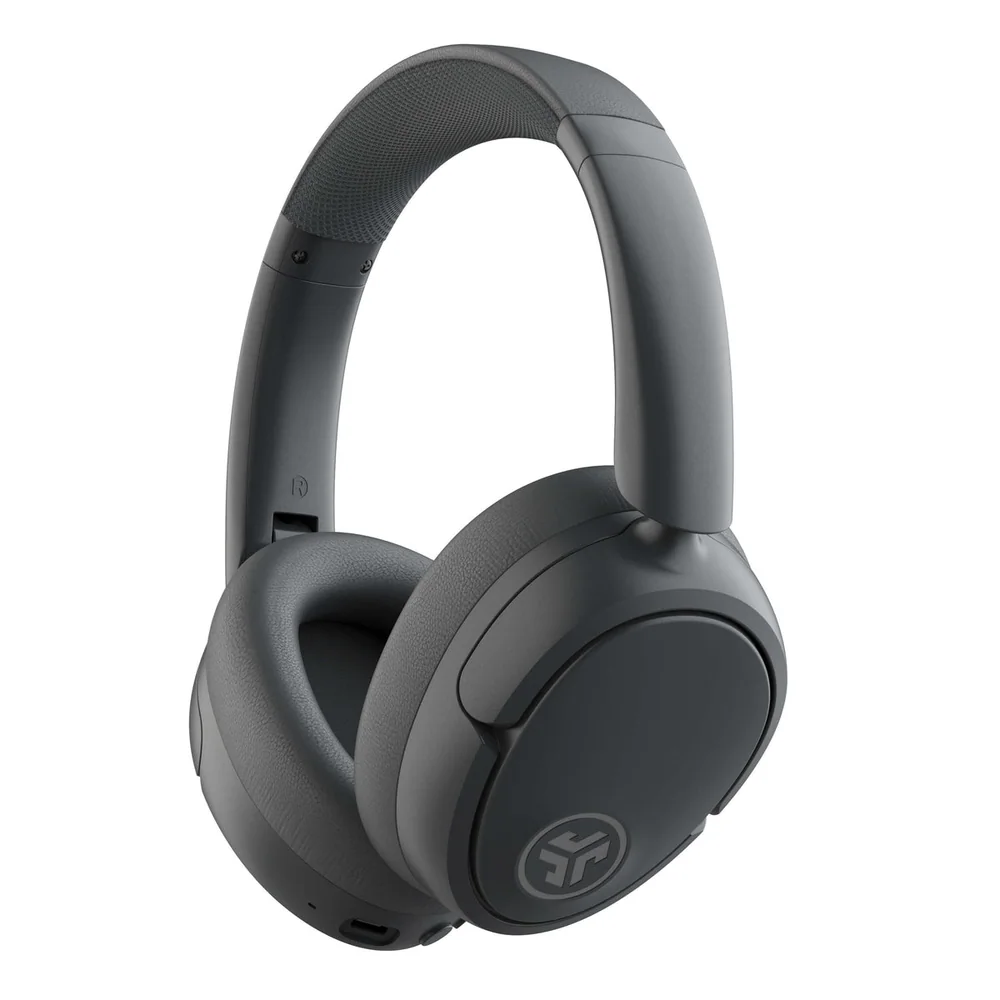
A few other premium noise-cancelling over-ears are worth a look before you commit.
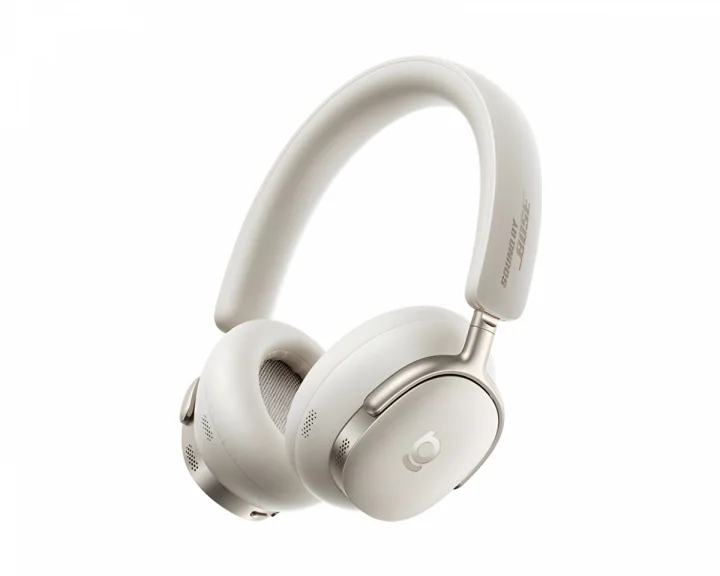
Bose QuietComfort Ultra Headphones (second generation) FAQ
Is the second-generation QuietComfort Ultra a big upgrade over the first?
The evidence points to an iterative refinement rather than a major redesign. Current owners of the first generation likely won't find a compelling enough reason to switch unless a specific issue they had is directly addressed.
How does it compare to the Sony WH-1000XM6?
Both are flagship noise-cancelling over-ears aimed at the same buyer. The decision usually comes down to fit and clamp preference: Bose leans softer and lighter, while Sony leans into feature density. Try both if you can before deciding.
Will the noise cancellation block out everything around me?
No. Active noise cancellation is most effective against steady, low-frequency sound like engine drone or HVAC hum. It's noticeably less effective against sudden noises or nearby conversation, which is a limitation shared across the entire ANC category, not unique to this model.
Does Bluetooth codec support matter much for everyday listening?
Less than most buyers assume. Codec support affects wireless audio quality, but your source device, the streaming service, and connection stability usually make a bigger practical difference than which codec is listed on the spec sheet.
Who should skip this generation?
Buyers on a tight budget, anyone chasing the newest codec support specifically, and current first-generation owners hoping for a dramatic leap in performance should look elsewhere or wait.
Is the second-generation QuietComfort Ultra worth it?
Bose isn't chasing headlines with this generation, and that's arguably the point. The QuietComfort Ultra Headphones (second generation) protects what's made this line a repeat purchase for years: a comfortable fit you can wear for a full flight and noise cancellation that handles the steady din of travel without drama.
Buy it if you want a dependable, comfort-focused flagship and don't already own the first generation. Skip it if you're hoping for a dramatic leap over last year's model, or if a lower-priced noise-cancelling headphone would meet your needs just as well. Either way, go in knowing this is Bose playing it safe, and for most buyers in this category, safe is a fair trade for reliable.