Explore Headphones for more buying guides, in-depth reviews, comparisons, and practical advice.
You know the moment: the old pair finally gives out mid-commute, or the seal on your earbuds stops sealing, and suddenly you're staring at a wall of near-identical black rectangles promising the same three buzzwords. Sound quality, comfort, and build seem like table stakes until you actually live with a pair for a few months and discover which one quietly failed you. This list sorts out which headphones hold up across the widest range of everyday demands, and which ones only make sense once you know exactly what you need them for.
Pickori may earn a commission from affiliate links.
1
Best overall
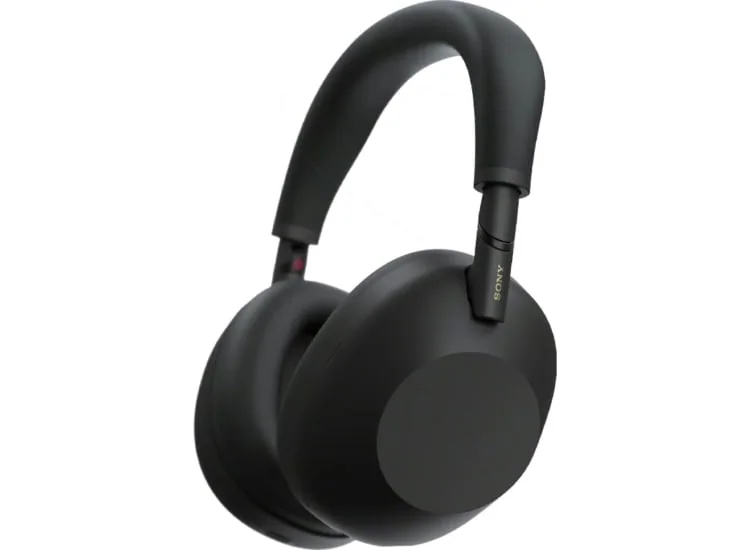
Sony WH-1000XM6
This is the pair that makes the fewest compromises no matter what you throw at it: a packed commute, a long-haul flight, or a noisy open office. The redesigned foldable build and new processor translate into noise cancellation that adapts to your environment rather than applying one blanket setting, and a battery that comfortably clears a 12-hour flight with room to spare. Voice calls hold up well too, which matters more than people expect once hybrid work makes every headset a conference room. The one place it doesn't try to compete is fitness: the fit is comfortable but not locked-in, so if your listening happens mid-run, look further down this list.
31.75-hour battery life with ANC on covers even the longest travel days
12-microphone system and adaptive noise sensing handle shifting environments well
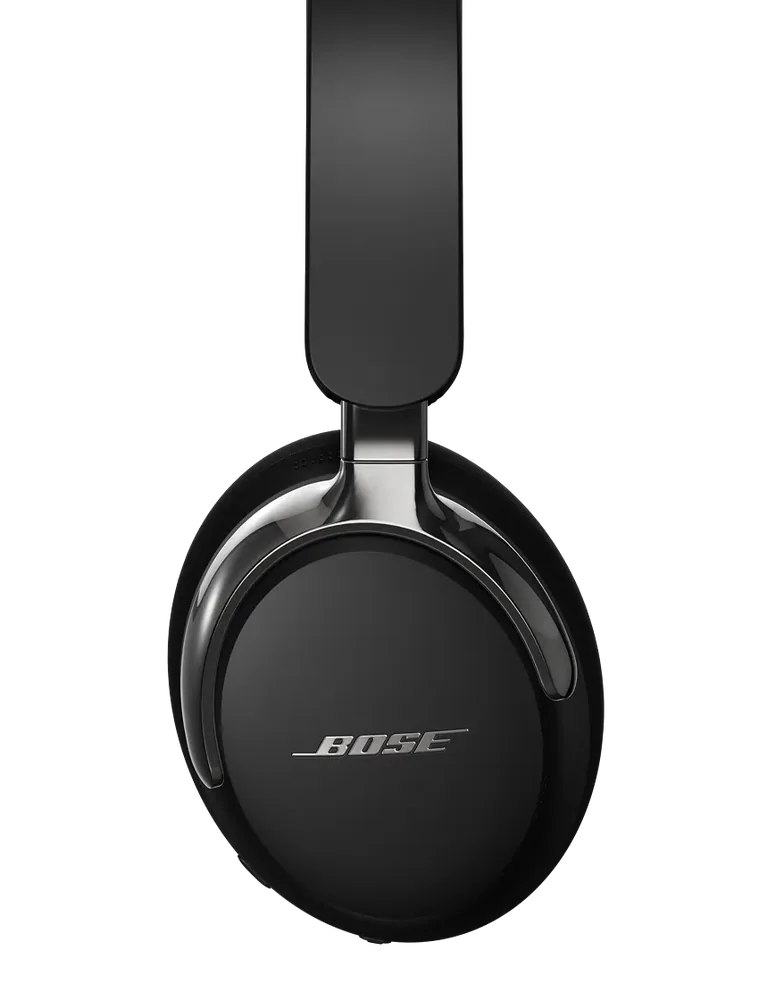
Bose has built its reputation on one thing for years, and this generation keeps that promise: noise cancellation that treats a plane cabin like it barely exists. It's consistently mentioned in the same breath as Sony's flagship, and for travelers who prioritize silence above all else, that comparison usually tips in Bose's favor. Where it gives ground to the Sony is broader versatility across desk work, calls, and everyday carry, so this is the pick for someone whose primary use case really is transit and flights rather than a mixed daily routine.
Strong alternative for travelers who value isolation over extra features
Best suited to travel-heavy use rather than all-purpose daily wear
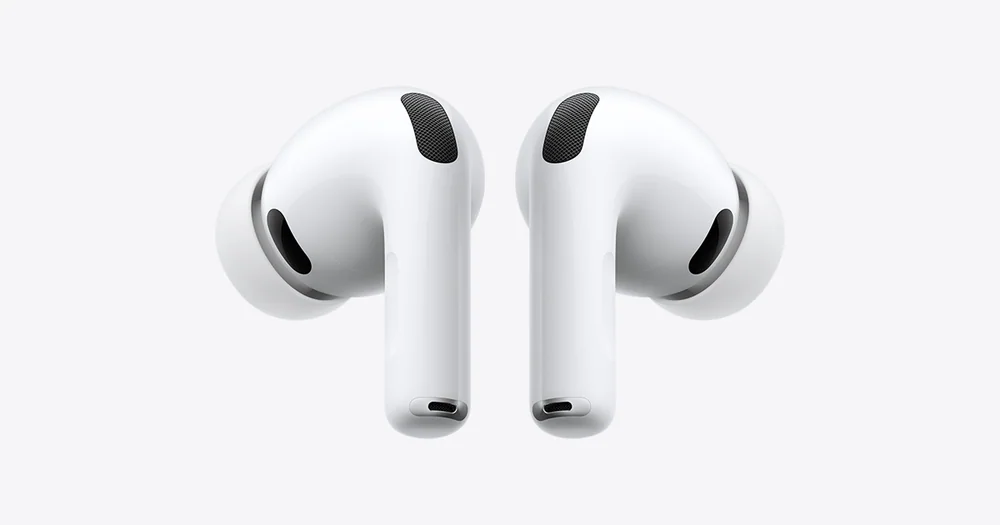
If your phone, watch, and laptop all have a fruit on them, these earbuds stop feeling like an accessory and start feeling like part of the operating system. The third generation brought real, noticeable gains in fit, sound, noise cancellation, and battery life rather than the cosmetic refresh some expected, and the ANC now performs well enough for office noise and travel alike. Sports performance is solid too, with a stable, comfortable fit that handles workouts without falling out. The tradeoff is the same one it's always been: Bluetooth-only, no low-latency gaming mode, and features that lean hard into the Apple ecosystem, so Android users get a noticeably smaller share of what's here.
Meaningful upgrades in fit, sound, ANC, and battery over the prior generation
Comfortable, stable fit rated highly for both workouts and travel
Bluetooth only, with no low-latency mode for gaming
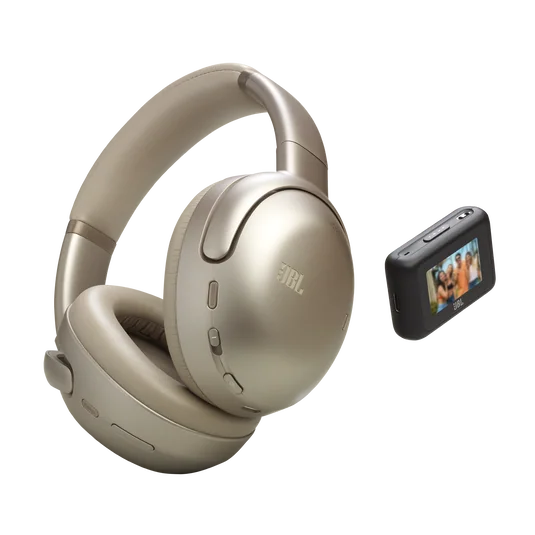
Where most headphones ask you to choose your streaming source, the Tour One M3 hands you a transmitter and lets you plug into almost anything, turntables, gym equipment, in-flight entertainment systems included. That flexibility, paired with hi-res audio support and a long-lasting charge, makes it an easy recommendation for anyone who bounces between devices and refuses to be tied to one ecosystem. The design borrows heavily from its predecessor, a smart move given how well that model was already received, though it means less visual reinvention if you're upgrading from the last generation.
Bundled transmitter allows streaming from nearly any audio source
Supports hi-res audio with long per-charge battery life
Design closely mirrors the previous Tour One M2 generation
Sony didn't just tweak the formula here, it rebuilt the earbud from the inside out, and the difference shows in call quality and noise isolation that hold their own against far bulkier over-ear designs. Fit is the one variable to watch: comfort and seal depend heavily on ear shape, and smaller ears in particular may need to hunt for the right tip size. For travel and office use it earns its flagship price with genuinely excellent isolation, but Apple and Bose still edge it out specifically on noise cancellation, so buyers chasing the single best ANC performance have better options nearby.
Fully redesigned internals deliver top-tier voice-calling and sound performance
Excellent noise isolation makes it a strong travel companion
Fit varies by ear shape, and ANC trails Apple and Bose slightly
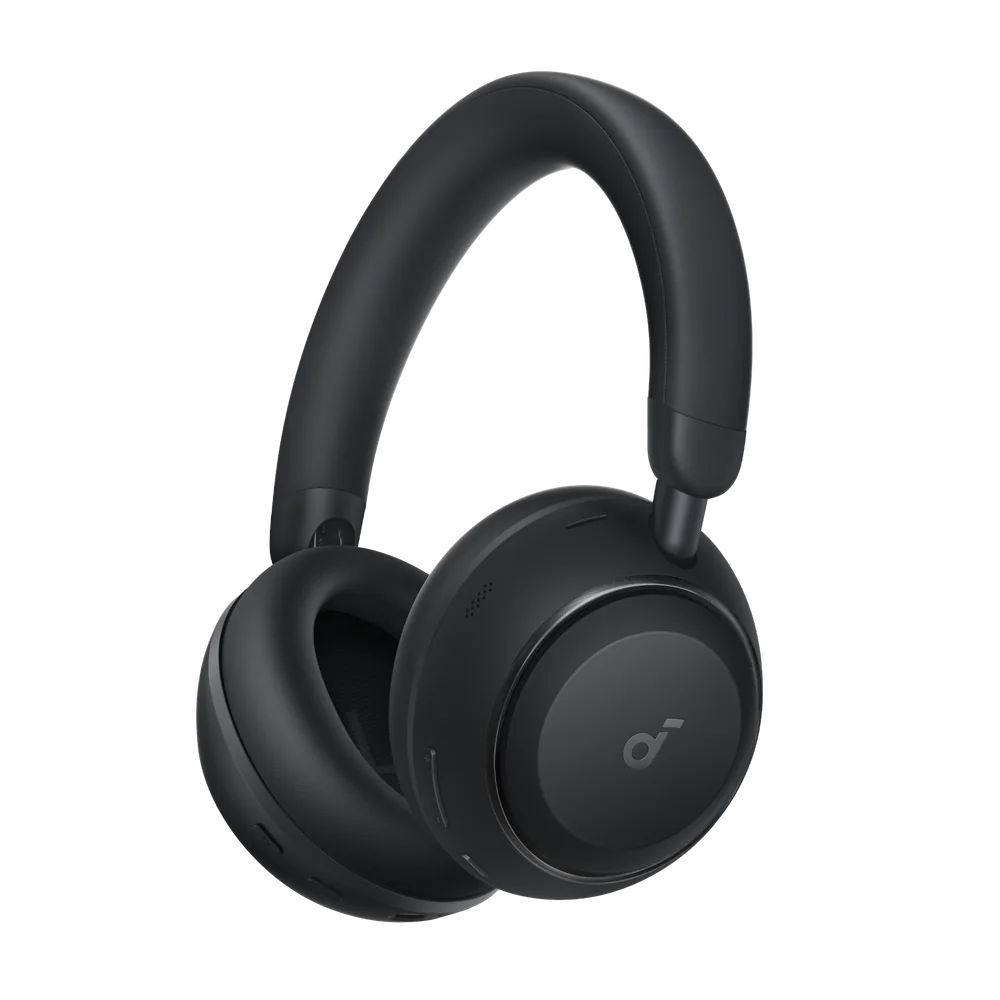
Not everyone wants to spend flagship money to get most of the flagship experience, and that's exactly the gap this pair fills. The redesigned build is more comfortable than its predecessor, the adaptive noise canceling has genuinely improved, and battery life stretches up to 50 hours, numbers that would be respectable even at a much higher price. It won't out-duel Sony or Bose on outright ANC precision, and there's no water resistance to speak of, but as an entry point into serious noise-canceling headphones it's hard to argue with what you get for the outlay.
Up to 50 hours of battery life with ANC enabled
Improved adaptive noise canceling and comfort over the prior model
No water resistance, and ANC precision trails premium flagships
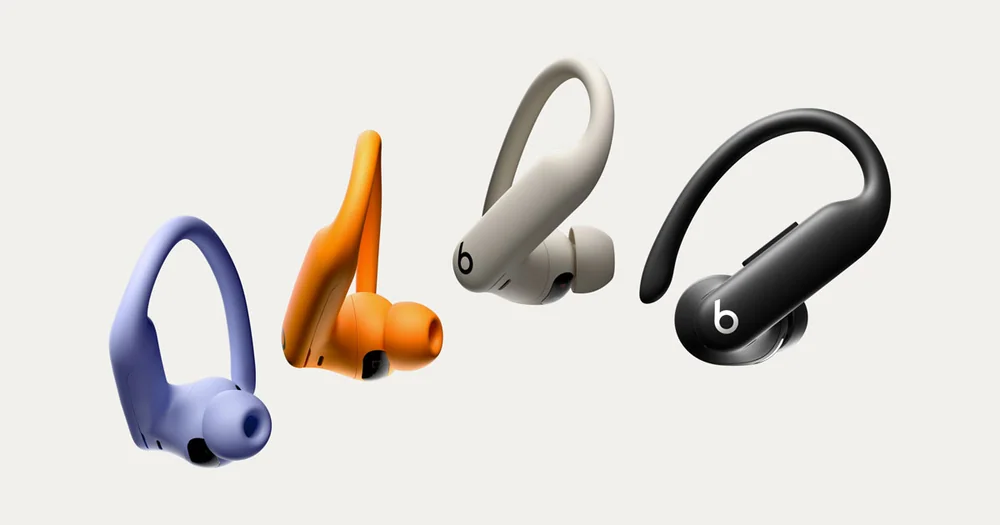
Running headphones live or die on whether they stay put, and this is where the Powerbeats Pro 2 earns its keep, holding a secure position through hard efforts while adding a heart-rate sensor that's a genuinely useful bonus rather than a gimmick. Sound and call quality punch above what you'd expect from a workout-focused design, closing much of the gap with Apple's own earbuds. The ear tips won't create a perfect seal for every ear shape, so it's worth trying before committing if a snug fit is non-negotiable for you.
Secure, stable fit built specifically for high-movement use
Built-in heart-rate sensor adds real training value
Ear tip fit isn't universal and may need experimentation
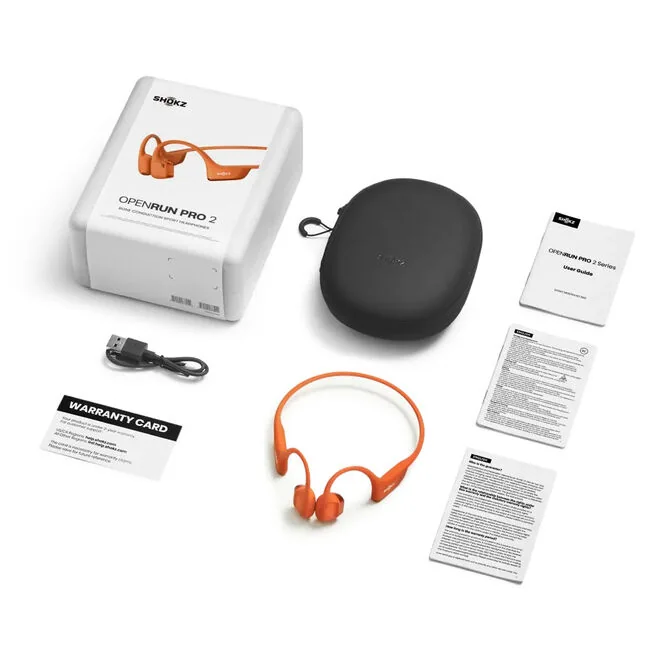
For runners who'd rather hear traffic and conversation than block it out, an open-ear design solves a problem in-ear buds simply can't. This model is consistently singled out for a lightweight, secure fit alongside improved bass response over earlier Shokz models, addressing the main complaint people had with bone-conduction audio in the past. It's a specialist tool by design: if you want isolation for travel or office work, this isn't the shape of product to reach for, but for outdoor training where awareness matters, it's a smart, comfortable choice.
What's the single best all-around headphone for most people in 2026?
The Sony WH-1000XM6 covers the broadest mix of everyday use, travel, and office work with the fewest tradeoffs, which is why it leads this list.
Which headphones are best for frequent flyers?
The Sony WH-1000XM6 and Bose QuietComfort Ultra Headphones Gen 2 both stand out for travel, with Bose often edging ahead specifically on raw noise cancellation.
Are earbuds a good substitute for over-ear headphones?
For travel and office use, flagship earbuds like the Sony WF-1000XM6 or Apple AirPods Pro 3 hold up well, though fit consistency varies more by ear shape than with over-ear designs.
What should runners buy instead of standard ANC headphones?
The Beats Powerbeats Pro 2 suits runners who want a secure in-ear fit and training features, while the Shokz OpenRun Pro 2 is better if you want to stay aware of your surroundings.
Is there a genuinely good budget option here?
The Anker Soundcore Space 2 delivers strong battery life and improved noise canceling at a noticeably lower cost than the flagship models.