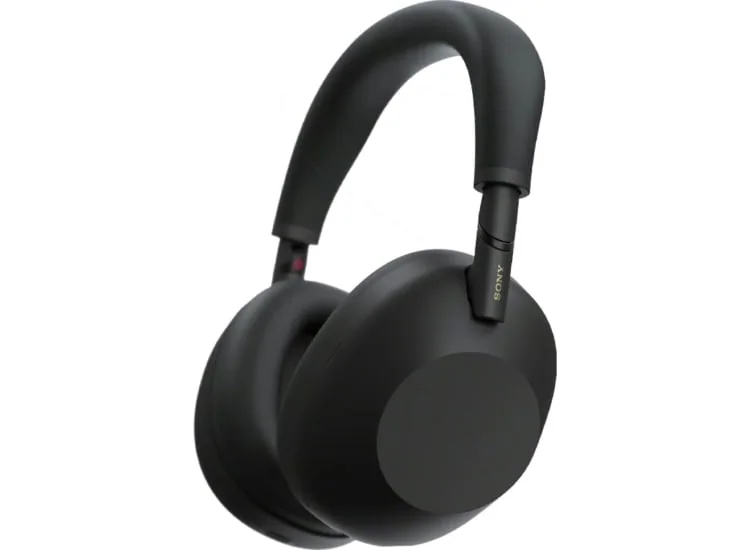
Headphones can share the same song yet emphasize entirely different parts of it, from the kick drum to a singer's breath.
One pair makes a familiar song feel warm and weighty. Another pulls the vocal forward, sharpens the cymbals, or makes the whole recording seem oddly small. That is not necessarily a sign that one headphone is broken or that the pricier one is automatically better. It is the result of deliberate sound tuning, physical fit, and the equipment playing the music. The short answer is that headphones sound different because they are voiced differently and interact differently with your ears. A secure seal can transform bass; a bright treble tuning can reveal detail or become tiring; and the same model may sound unlike itself when fed a poor recording, a weak source, or an ill-fitting ear tip. The useful goal is not chasing a universal "best" sound. It is finding a presentation that suits your music, your listening habits, and your tolerance for sonic fussiness.
Reading time: 9 minutesBest for: Listeners trying to turn vague sound preferences into a confident headphone choice
Headphones solve the problem of hearing the same music in a way you enjoy
A headphone is not a neutral window onto a recording. Its designers make choices about how much low-end weight, vocal presence, sparkle, and spaciousness it delivers. Those choices are called tuning, meaning the balance of sound frequencies the headphone emphasizes or softens. A bass-forward tuning can make pop, hip-hop, and electronic music feel more physical. A more restrained low end may make acoustic instruments and busy mixes easier to sort out.
That is why two well-regarded pairs can inspire opposite reactions. One listener wants a kick drum with real thump on a train; another wants to hear the texture of a bowed cello in a quiet room. Neither preference is more sophisticated by default. The better question is what repeatedly makes you turn the volume up, take the headphones off, or reach for another pair.
Tuning decides where the music puts its weight
Bass is the low-frequency foundation: kick drums, bass guitars, synth rumbles, and the body of a floor tom. More bass can make music feel lively and substantial, especially when outside noise would otherwise thin it out. Too much, though, can blur the edges of instruments and cover the lower part of a vocal. "Deep bass" is not just a bigger quantity of boom. Good low end reaches down without turning every track into a foggy thud.
Mids, or midrange frequencies, carry much of what makes music recognizable: voices, guitars, pianos, snare crack, and the central body of many instruments. When mids are pushed forward, singers can sound intimate and clear. When they are recessed, the mix may feel wider or more relaxed, but vocals can seem to sit behind the beat. Treble is the upper range that gives cymbals, strings, consonants, and room detail their edge. A little extra treble can sound crisp; too much can make sibilant S sounds and cymbal hits feel sharp after an hour.
A good seal can matter more than an impressive spec sheet
With in-ear earbuds and closed-back headphones, fit changes the sound because the ear needs a reasonably sealed acoustic space to reproduce bass properly. If an ear tip leaks air, low frequencies escape. The result is often a thin, bright sound that leads people to blame the tuning when the real problem is a loose tip or shallow insertion. A different tip size, material, or angle can bring back the weight that seemed missing.
Over-ear headphones have their own version of this issue. Glasses, hair, a narrow jaw, worn ear pads, or a headband that does not hold the cups evenly can break the seal around the ear. Even small gaps can reduce bass and alter noise isolation. Comfort is therefore not a side note to sound quality. A pair that presses painfully after 30 minutes, slips during a walk, or never seals consistently cannot deliver its intended sound for long.
Treble detail is appealing until it becomes a chore
People often describe a bright headphone as detailed, but those are not identical ideas. Brightness means more energy in the upper frequencies. It can make the pluck of a guitar string, the air around a vocal, and the shimmer of percussion easier to notice. On a clean recording at a moderate volume, that can be exciting. On harshly mastered tracks or long workdays, the same emphasis can become fatiguing.
Listen for whether detail arrives with ease or with a little glare. If you find yourself lowering the volume because cymbals sting, voices hiss, or podcasts sound brittle, a gentler treble balance may serve you better. Conversely, a very smooth pair can feel pleasant at first but leave dense music sounding veiled. Your library matters here. A headphone that flatters mellow jazz may not give aggressive rock or electronic music the bite you want.
The recording and source device still get a vote
Headphones cannot repair every weak recording. Older albums, live tracks, compressed streams, and modern releases mastered for maximum loudness can all sound different before the signal reaches your ears. Lossless audio means the file preserves more of the original digital information than a heavily compressed version, but it is not a magic upgrade button. The recording itself, the headphone tuning, and the fit usually shape enjoyment more dramatically than a badge on a streaming app.
Your source device can matter most with wired headphones. Impedance is the electrical resistance a headphone presents, while sensitivity describes how loudly it plays from a given amount of power. A phone or laptop can drive many wired models comfortably, but some full-size headphones need more power to sound lively and controlled. With wireless models, Bluetooth codecs, the methods used to compress and transmit audio, can affect compatibility and sound quality. Still, a stable connection and a headphone you enjoy wearing beat codec trivia in daily life.
Personal preference is the final filter, not an embarrassing exception
There is no single sound signature that every informed listener should prefer. Ear shape varies, hearing changes from person to person, and taste is shaped by the music you know best. Someone who listens quietly in a calm room may prefer an open, balanced presentation. A commuter may reasonably want more bass and active noise cancellation, or ANC, which uses microphones and processing to reduce steady sounds such as engine rumble and HVAC noise. Different conditions call for different compromises.
Use a few familiar tracks as reference points. Pick one with a vocal you know well, one with bass, one with busy instrumentation, and one that can become harsh when treble is overdone. Then pay attention to practical questions: Do voices sound natural? Does the bass hold together rather than smear? Can you listen at a comfortable volume? Does the fit stay put? Those answers are more useful than trying to adopt someone else's definition of accurate sound.
What this guide helps you understand
Judge headphone sound as a combination of tuning, fit, listening environment, and personal taste, not as a single score on a spec sheet.
Use familiar tracks with vocals, bass, and bright percussion when comparing sound.
Check ear-tip options or ear-pad condition before deciding a headphone lacks bass.
Confirm your phone, laptop, amplifier, or wireless codec support suits the model you are considering.
Technique notes
A poor earbud seal commonly causes weak bass and reduced noise isolation.
Open-back headphones can sound spacious in a quiet room, but they leak music outward and let surrounding noise in.
If a wired model is hard to drive from your usual device, a stronger headphone amplifier may be needed for satisfying volume and control.
Safety note: Keep volume moderate and take listening breaks, especially when using isolating headphones in noisy places.