Explore Headphones for more buying guides, in-depth reviews, comparisons, and practical advice.
You know the moment: boarding group four, a middle seat between two chatty strangers, and six hours of engine drone ahead of you. The right headphones turn that scenario into a nap or a movie marathon, while the wrong ones leave you fumbling with a dead battery over the Atlantic. This guide sorts through folding designs, ANC strength, and battery endurance to find which pairs actually earn a spot in your carry-on.
Pickori may earn a commission from affiliate links.
1
Best overall
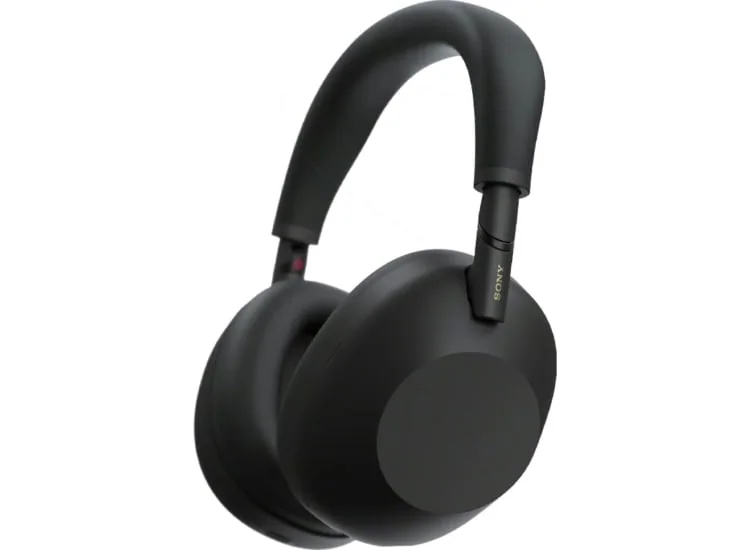
Sony WH-1000XM6
If you only buy one pair of headphones for a decade of travel, this is the one that makes the most sense for the widest range of trips. The 31.75-hour battery with ANC running means you could fly to Singapore and back without touching a charger, and the redesigned case with a magnetic closure means you're not fighting a stubborn zipper at security. Its noise cancellation is tuned for exactly the kind of low, grinding cabin noise that wears travelers down on long hauls, and the new processor handles calls well enough that a layover business call sounds clean. It's not built for the gym, so don't expect it to double as a workout companion, but that was never the assignment here.
31.75-hour battery life with ANC on covers even the longest international routes
Magnetic-closure case speeds up packing and unpacking at security
New processor delivers noticeably stronger ANC and call clarity than prior generations
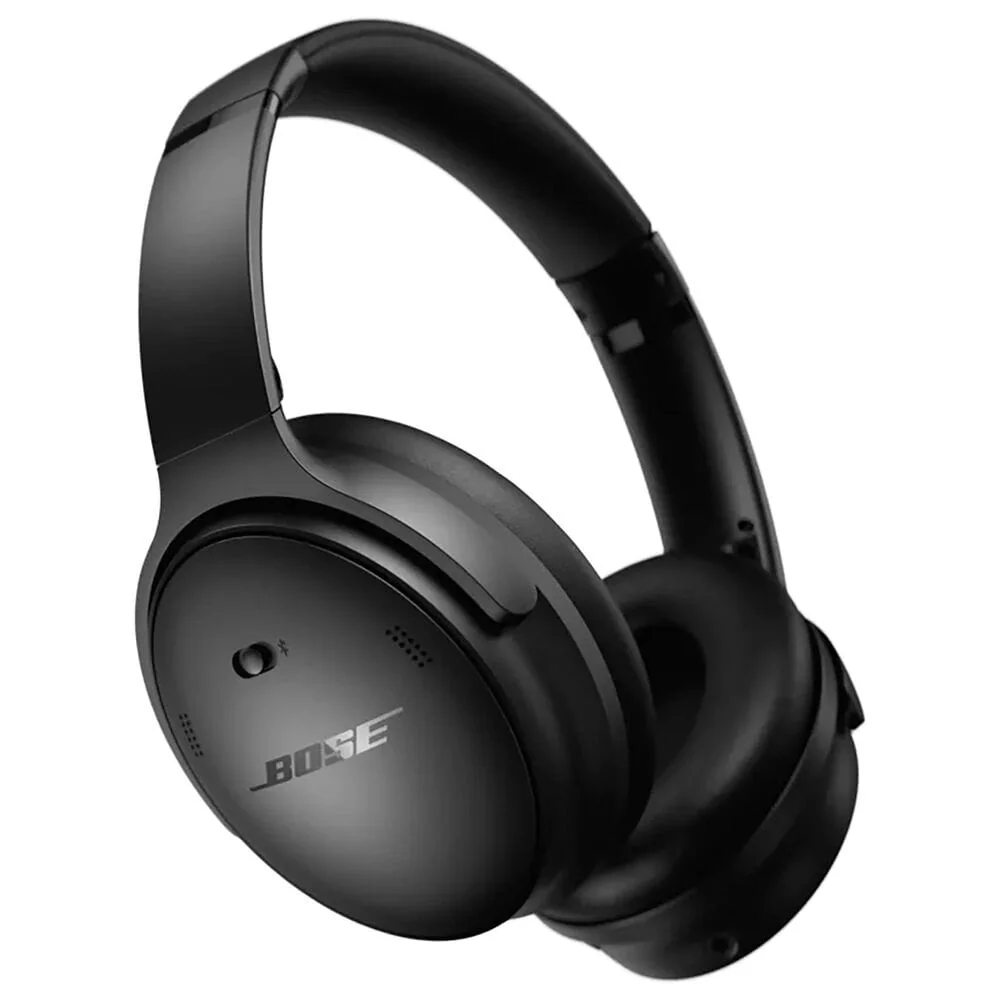
This is Bose's more accessible over-ear model, and it's worth knowing upfront that it's a different product from the Ultra above, with a simpler feature set and a lighter price footprint. What it shares with its pricier sibling is the same emphasis on all-day wearability: cushioned padding and a lighter build than Sony's or Apple's flagship over-ears keep it comfortable across a transcontinental flight. Noise canceling has been meaningfully improved over the prior generation, particularly for voice frequencies, which matters when you're trying to sleep through cabin announcements. It won't match the Ultra's battery ceiling or the Sony's raw ANC power, but for travelers whose main complaint is sore ears by hour four, it solves the actual problem.
Comfortable, lightweight build designed for extended wear
Improved noise canceling over the previous generation, especially for voices
A distinct, less expensive model from the QuietComfort Ultra, not a repackaged version
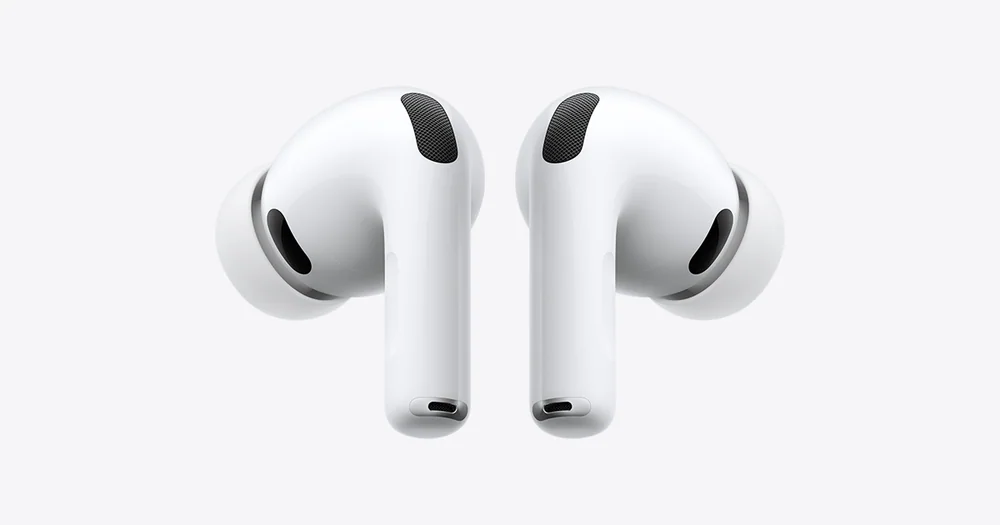
For anyone already living inside the Apple ecosystem, these earbuds solve travel's biggest packing problem: there's no bulky case to find room for. The improved adaptive ANC filters engine noise, cabin din, and nearby conversation well enough that reviewers put it neck-and-neck with the best over-ear options, which is a real feat for something this small. Battery life sits at nine hours with ANC on, dropping further if you use features like the heart-rate sensor, so this is a pair you'll be charging mid-trip rather than once a week. If in-ear comfort and instant pairing with an iPhone matter more to you than marathon battery life, this is the travel companion that disappears into your pocket.
Compact in-ear design with no folding or bulky case required
ANC performance now rivals premium over-ear headphones
Roughly 9-hour battery life means more frequent charging than over-ear rivals
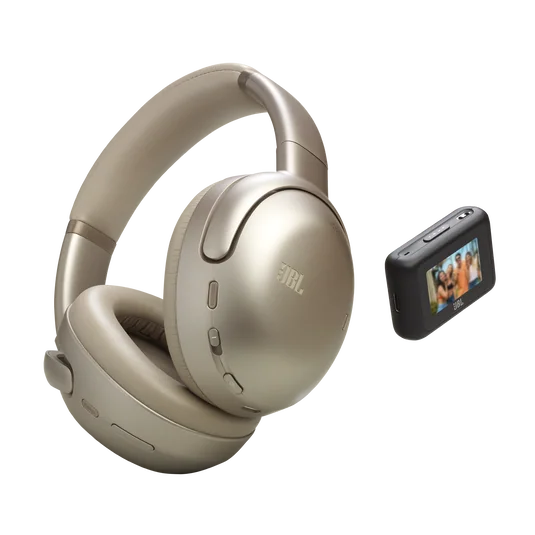
JBL's newest Tour One leans into a feature travelers rarely think to ask for until they need it: the included Smart Tx transmitter, which lets you wirelessly pull audio from an inflight entertainment jack or any USB-C source instead of untangling a cable. Battery life reaches up to 70 hours, and the mix of physical and touch controls is more intuitive here than on the previous M2 generation. It's a genuinely full-featured pair, but it sits below the Sony and Bose options on raw ANC strength and travel-specific polish, making it a stronger fit for the traveler who values gadget-forward extras over best-in-class noise blocking.
Included Smart Tx transmitter pulls wireless audio from inflight entertainment systems
Up to 70 hours of battery life comfortably covers extended travel
Refined physical and touch controls improve on the prior Tour One generation
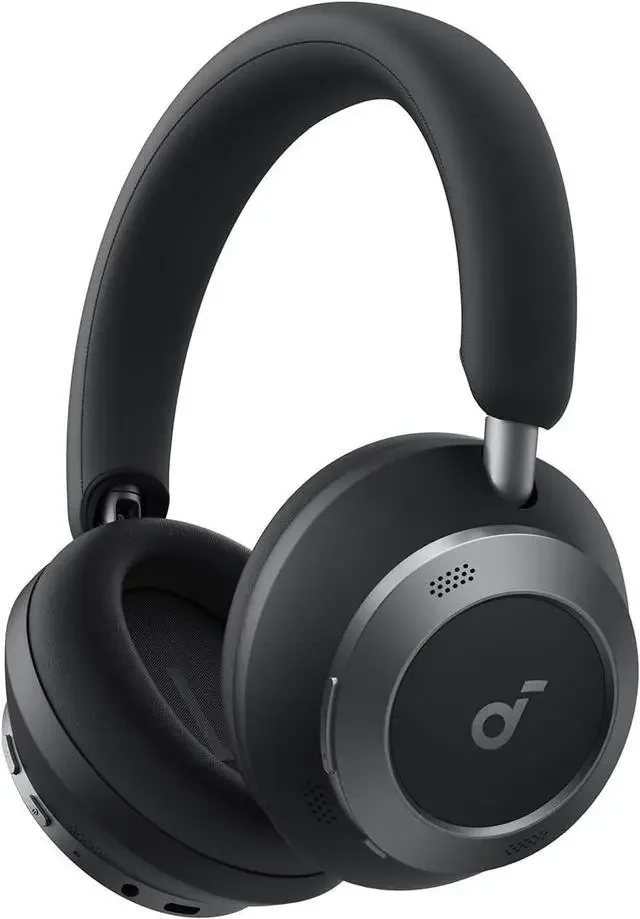
Not every traveler needs flagship ANC, and the Space One exists for the reader who wants a folding, noise-canceling pair without paying premium prices. It offers a strong feature set for its price and holds up reasonably well against pricier competitors on day-to-day comfort and usability. The honest tradeoff is sound quality: it simply can't compete with the tuning and detail of the premium models higher. For someone packing light on a budget trip who just wants quiet on the plane and doesn't obsess over audio fidelity, it's a sensible, low-risk choice.
Strong feature set for the price, including working ANC
Good general comfort and performance for casual travelers
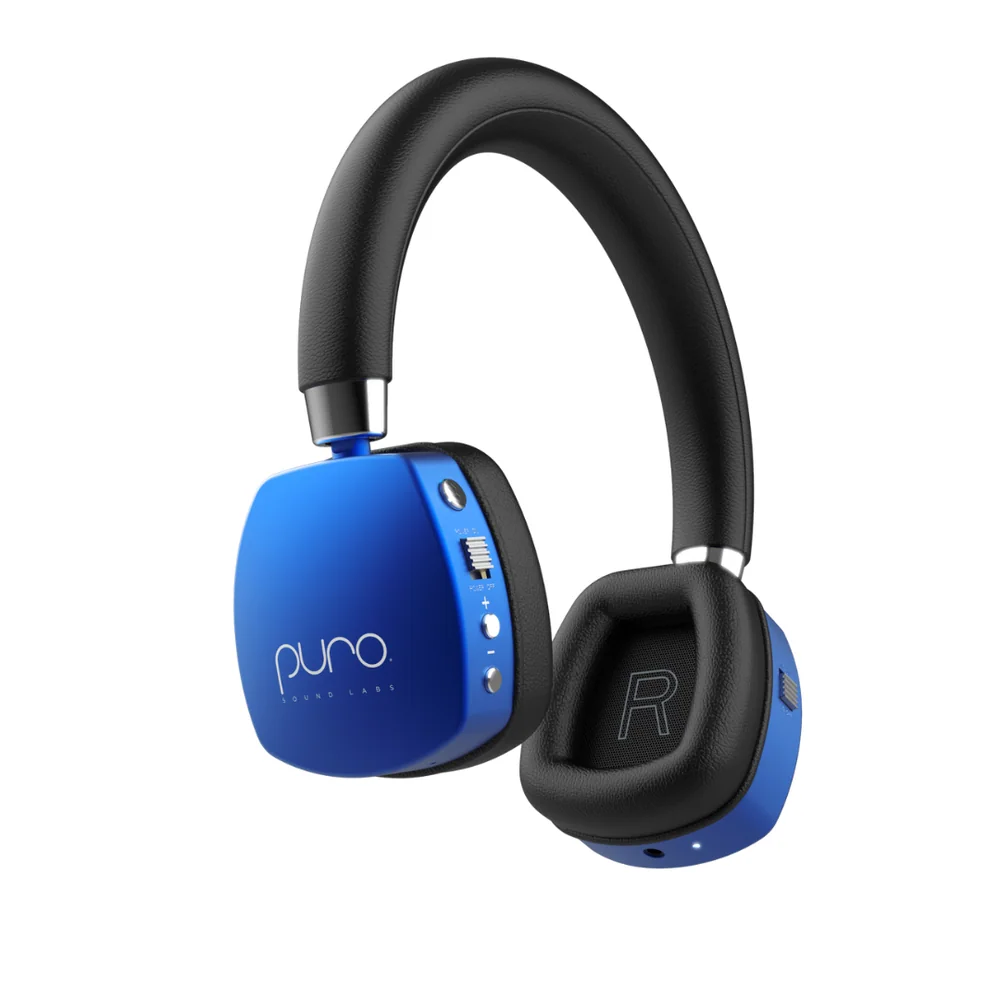
Traveling with kids introduces a problem adult headphones don't solve: young ears and long flights don't mix without dedicated noise cancellation built for smaller heads. This model was specifically recommended as the top noise-canceling choice for kids on the move, which matters if you've ever tried to get a toddler to nap through turbulence. It's a narrow-use pick by design, aimed squarely at parents rather than general travelers, so weigh it against your family's actual travel frequency before adding it to the bag.
Purpose-built noise cancellation designed for children's comfort on flights
Specifically recognized as a top pick for travel use with kids
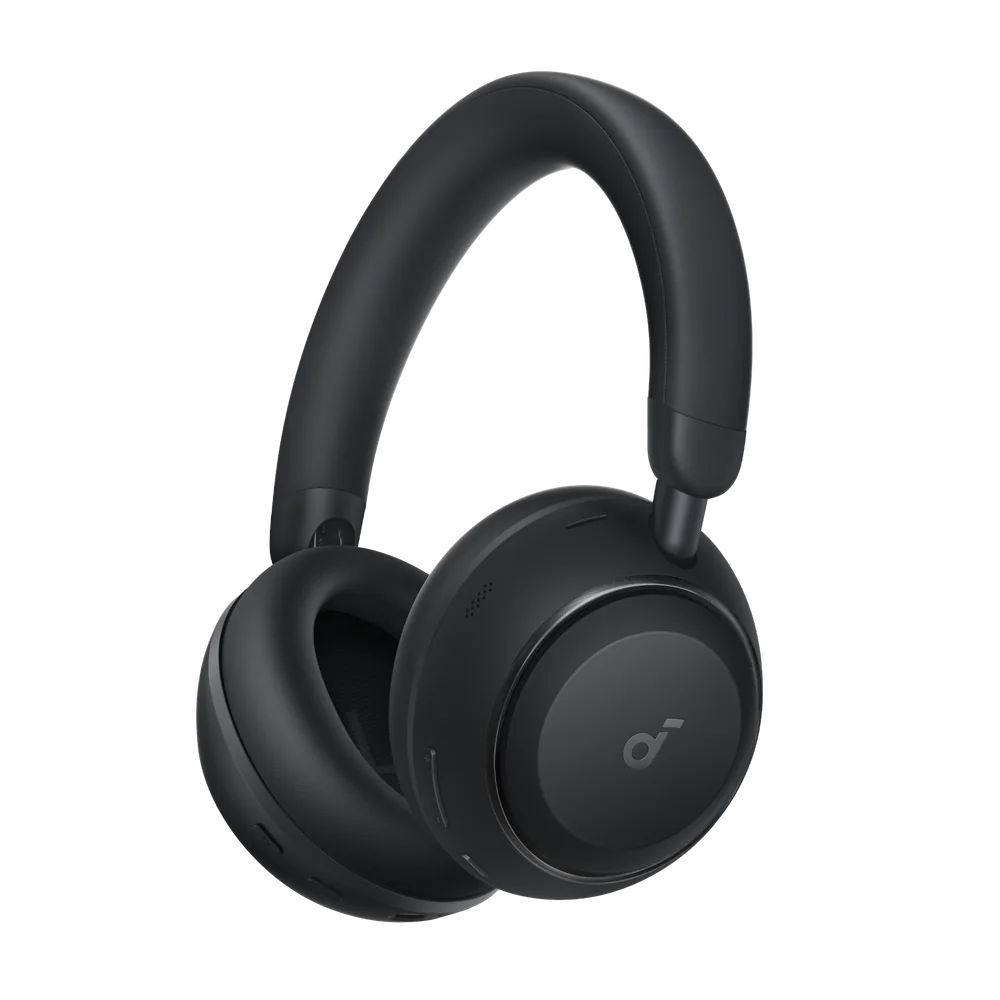
The Space 2 is Anker's other budget-friendly entry, mentioned alongside recent standout releases as a value option worth watching. Details on its travel-specific performance are thinner than for other picks here, so treat it as a reasonable fallback if the Space One isn't available rather than a headline choice. It's worth a look mainly for readers who want an inexpensive backup pair for checked luggage or a second traveler in the family.
Positioned as a budget-friendly alternative in the Anker lineup
Best suited as a secondary or backup pair rather than a primary travel choice
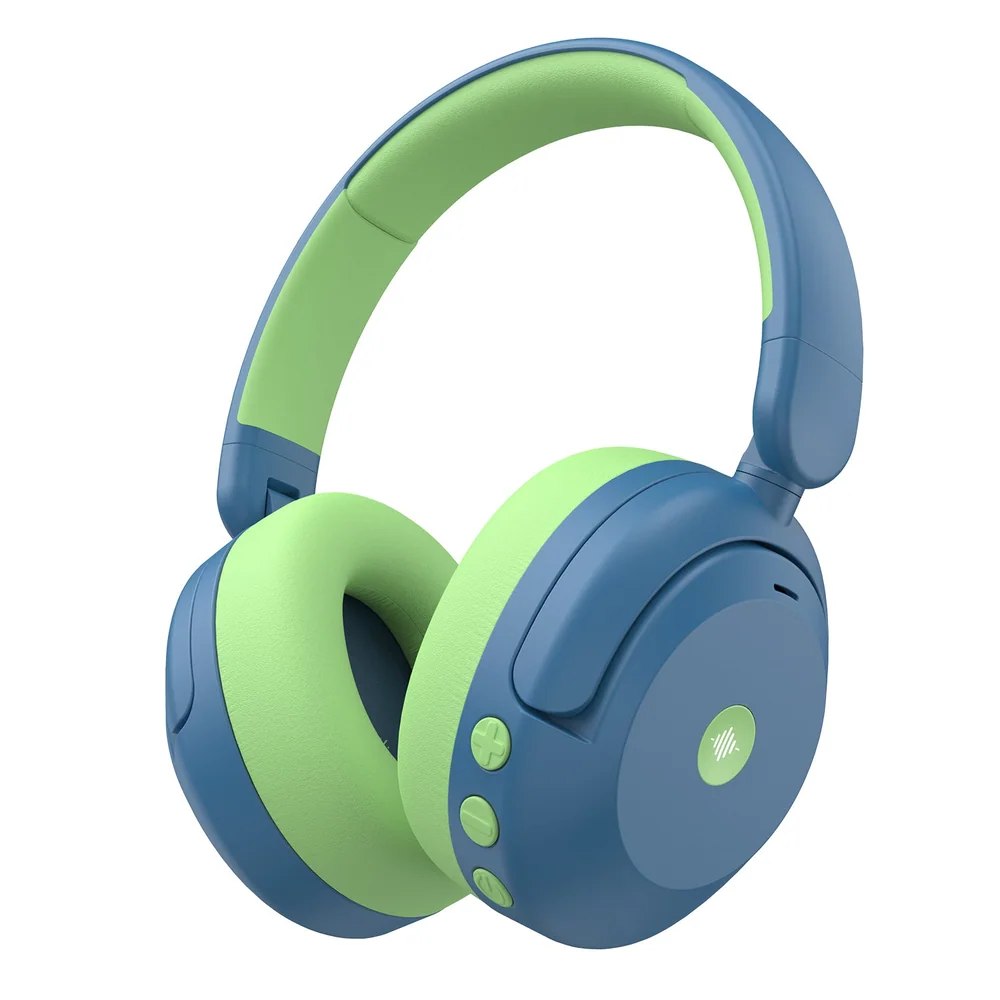
These earn their spot for one specific reason: they're collapsible and exceptionally lightweight, which makes them genuinely easy to toss into a kid's backpack for a flight. Comfort was also called out directly, which matters more for children than adults since a fussy fit means a fussy flight. This isn't a pair built for noise cancellation or long battery marathons, so temper expectations if you're hoping it doubles as an adult travel headphone.
Collapsible, lightweight design built for easy packing
Comfortable fit specifically suited to younger travelers
This is the pick for the traveler who cares as much about how music sounds mid-flight as about blocking out the engine. It's been highlighted as a top wireless contender against Sony's own flagship, suggesting real strength in sound tuning rather than just noise suppression. The honest catch: it's aimed at a narrower, audiophile-leaning audience, and general travel comfort or battery specifics weren't emphasized the way they were for the picks above. If sound quality is your top priority and ANC is a close second, this is worth researching further before you commit.
Recognized as a strong wireless alternative to top-tier ANC flagships
Best suited to travelers prioritizing sound quality over all-day battery or comfort claims
What matters most for travel headphones: ANC strength or battery life?
Both matter, but for long-haul flights battery life is the harder constraint since you can't recharge mid-air on most planes. Look for at least 20+ hours with ANC enabled, and prioritize strong ANC if you frequently fly on older, louder aircraft.
Are over-ear or in-ear headphones better for travel?
Over-ear models generally offer stronger passive isolation and longer battery life, while in-ear options like AirPods Pro 3 pack down smaller and disappear into a jacket pocket. Choose based on whether luggage space or all-day comfort matters more to you.
Do noise-canceling headphones work well for kids on flights?
Yes, but kids need headphones sized and volume-limited for their ears, which is why dedicated kids' ANC models like the Puro Sound Labs pick exist separately from adult flagships.
Is it worth paying premium prices for travel headphones?
If you fly frequently and long distances, premium models tend to justify their cost through battery life, ANC strength, and comfort over many hours. Occasional travelers may be fine with a budget pick like the Anker Soundcore Space One.