Explore Headphones for more buying guides, in-depth reviews, comparisons, and practical advice.
Somewhere in a drawer is a pair of old wired headphones that still work perfectly, plugged into a laptop that lost its headphone jack three generations ago, or a gaming headset that refuses to pair reliably with anything. Wired gear doesn't have that problem: no battery to die mid-session, no pairing menu to fight, just a cable and a connector that either fits or doesn't. This lineup covers the range, from a pair built for people who hear every flaw in a mix to an open-back set that just sounds good on a Saturday afternoon.
Pickori may earn a commission from affiliate links.
1
Best overall
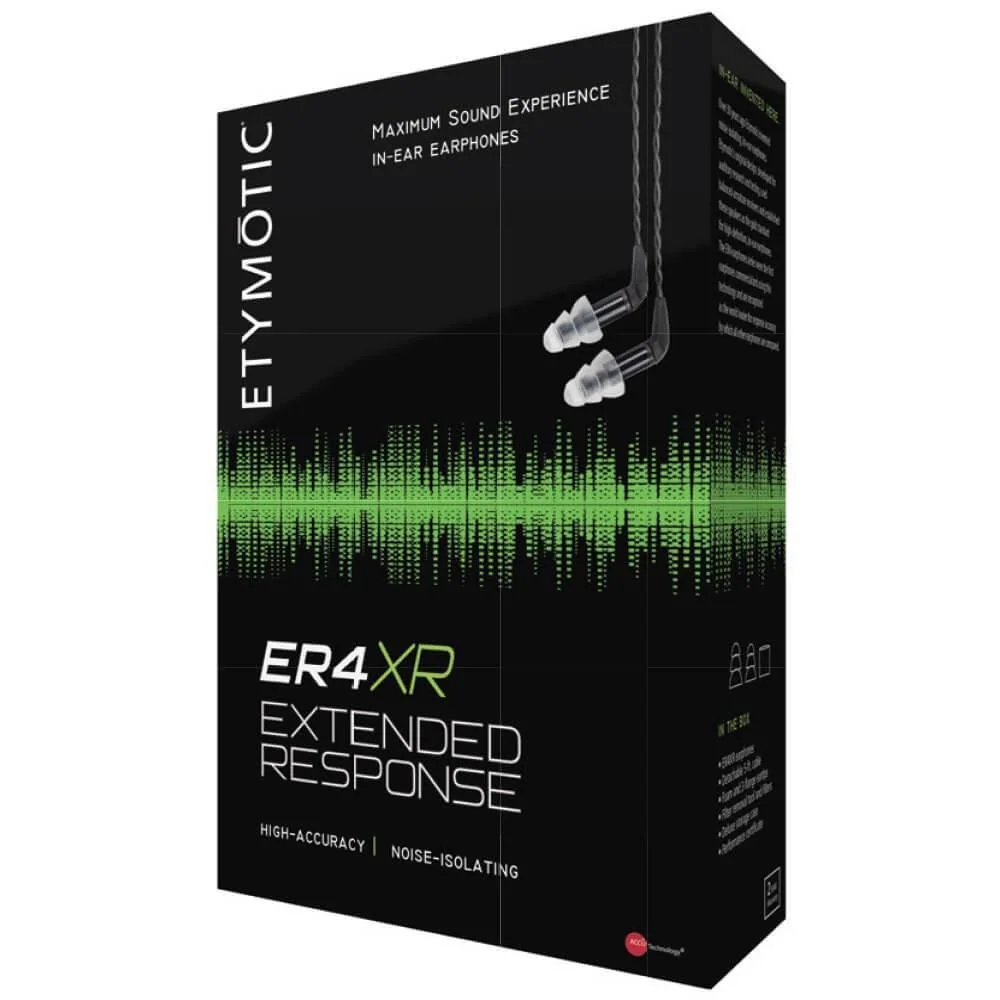
Etymotic ER4 XR
If your priority is hearing music the way it was actually recorded, imperfections included, the ER4 XR earns its reputation as a reference-grade in-ear. It's built for sound engineers and critical listeners first, which means the tuning doesn't flatter anything, it just tells the truth. That honesty is exactly why it belongs at the top of a wired list: no battery to manage, a simple 3.5mm connection that works with nearly anything, and audio performance that holds up against far pricier gear. It's not a casual bass-boosted commuter earbud, so if you want fun over accuracy, keep reading.
In-canal design with standard stereo 3.5mm connection for broad device compatibility
Slight low-frequency emphasis added over Etymotic's traditionally flat house sound
Favored by sound engineers who want an unvarnished, accurate listening reference
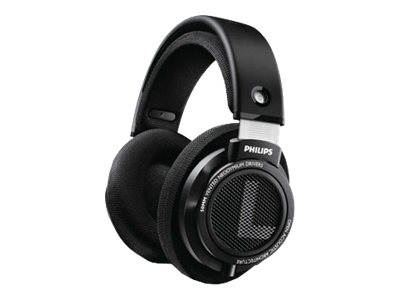
For a wired gaming setup where the goal is wide, spacious sound without spending audiophile money, the SHP9500 is the practical answer. It's an open-back over-ear design, which trades noise isolation for a sense of space that helps with positional cues in games, something closed designs often compress. It won't block out a noisy room or double as a travel headphone, but for a desk setup plugged into a PC, that's rarely the point anyway.
Open-back over-ear build tuned for spaciousness rather than isolation
Wired connection avoids the latency and dropout issues of gaming Bluetooth headsets
Best suited to quiet rooms rather than shared or noisy spaces
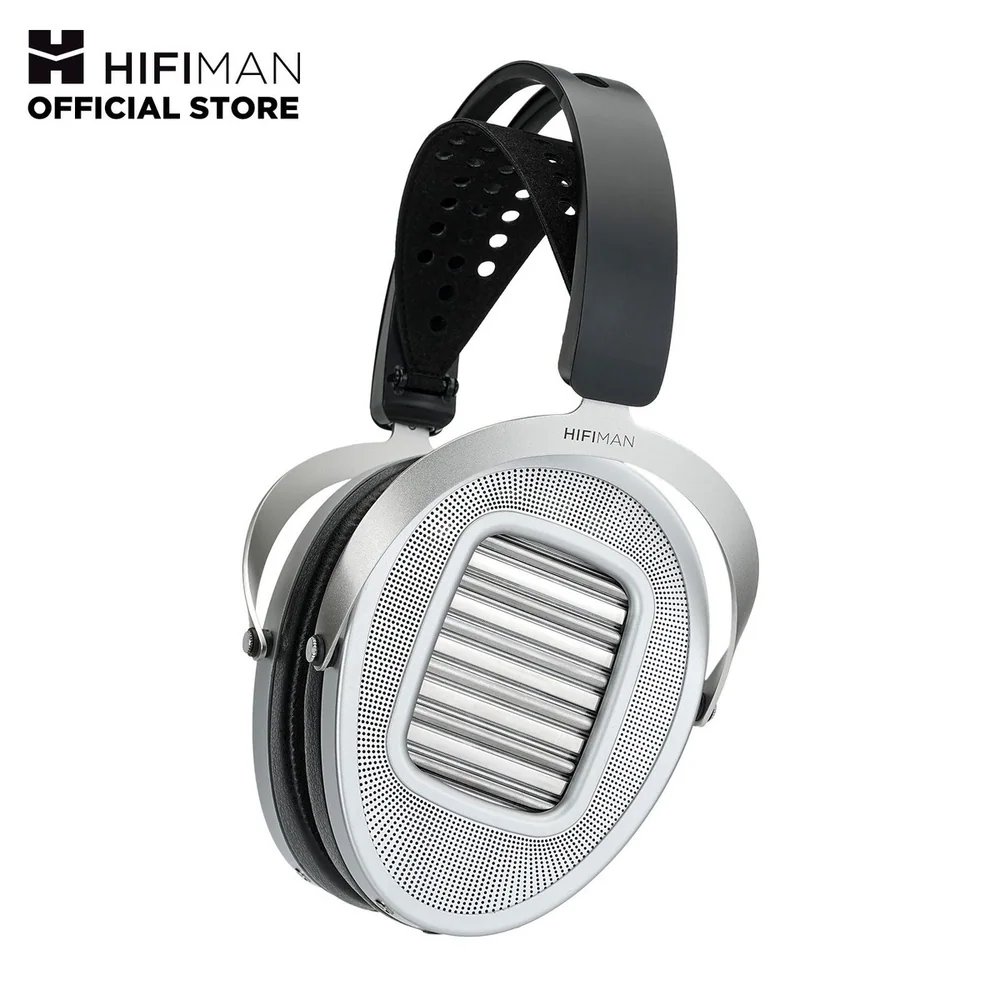
HiFiMan Ananda Over-Ear Full-Size Open-Back Planar Magnetic Headphones with Stealth Magnet
Planar magnetic drivers have a reputation for delivering detail and spaciousness that dynamic drivers struggle to match, and the Ananda is where that reputation gets earned. It's an open-back, full-size design, so it's built for a quiet room and a dedicated listening session rather than background noise or portability. The soundstage and sense of space are the headline here, less about thump and more about hearing where every instrument sits. It uses a standard stereo 3.5mm connection, so pairing it with a decent source is straightforward even if the driver technology inside is anything but basic.
Planar magnetic drivers with Stealth Magnet design for detailed, spacious sound
Open-back circumaural build suited to quiet, dedicated listening environments
Standard 3.5mm wired connection keeps source compatibility simple
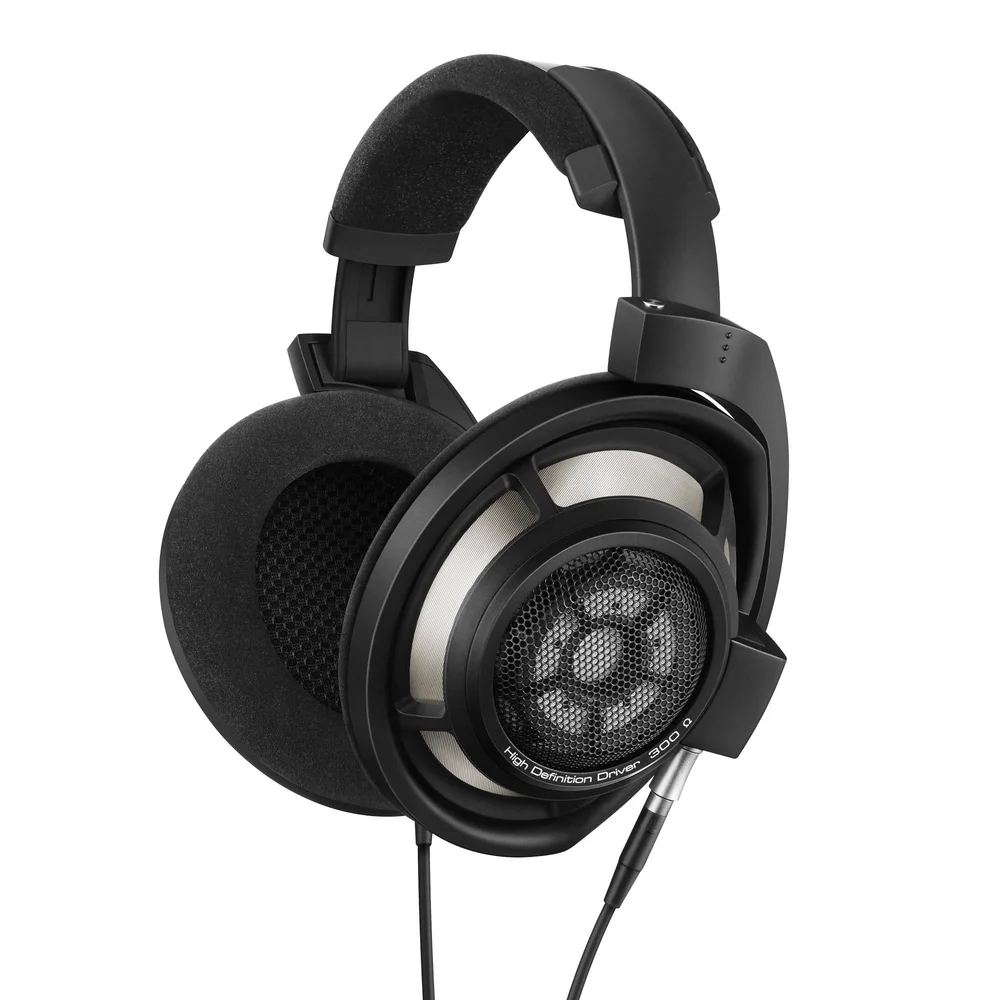
Sennheiser HD 800 S Over-The-Ear Audiophile Reference Headphones
There's a reason this headphone keeps showing up on best-of lists years after its release: it remains a genuine reference point for how wide and detailed an open-back headphone can sound. This isn't a headphone you grab for a commute or an office, it's for a home setup where you can sit down and actually listen. Longevity matters here too, since it's still considered current and competitive rather than aging out gracefully. The tradeoff is the same one every open-back reference headphone makes: no isolation, so it's a poor match for shared spaces or noisy environments.
Built for detailed, spacious home listening rather than portable or office use
Open-back construction means minimal isolation from surrounding noise
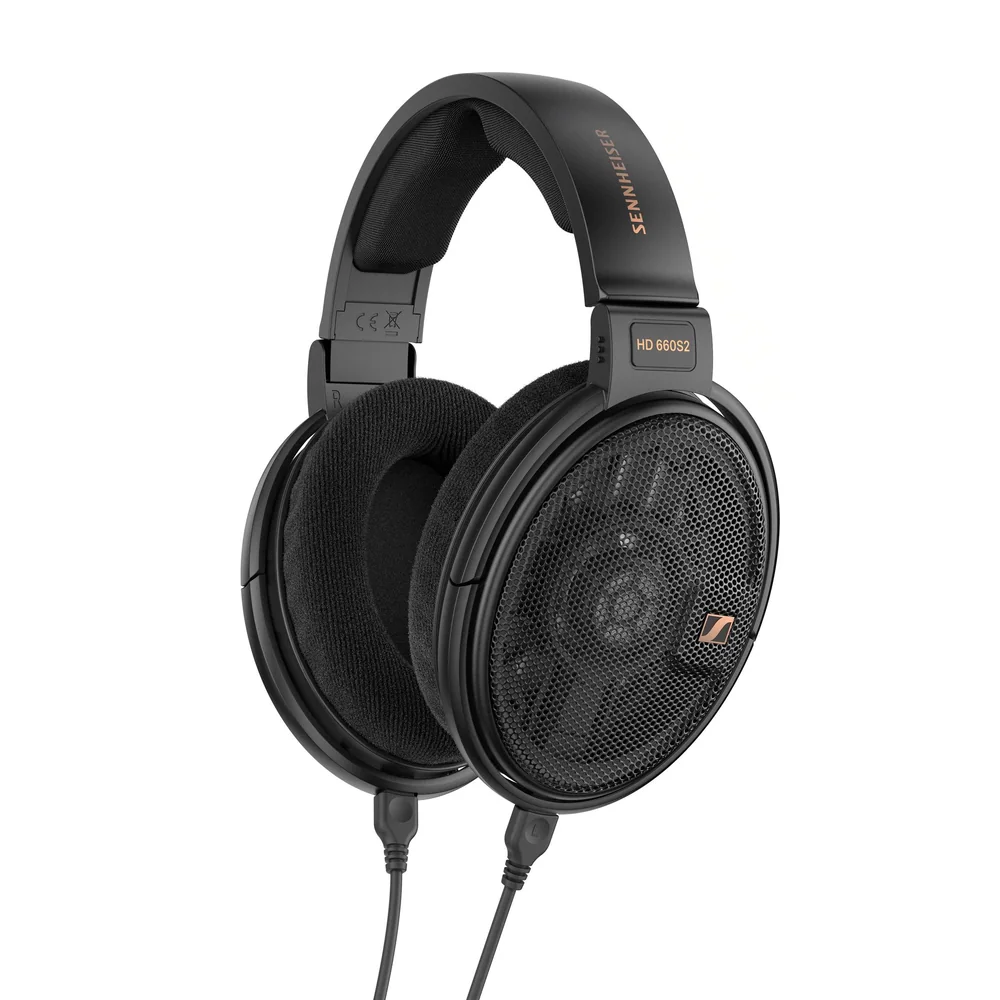
The HD 660S2 sits in that sweet spot where a listener who's outgrown entry-level gear can step up without jumping straight to flagship pricing. Its open-back dynamic driver design leans toward a natural, relaxed presentation that rewards patient listening over quick A/B comparisons. It's frequently mentioned alongside the HD 800 S in the same breath, which says something about where Sennheiser positions it in their own lineup. As with any open-back design, it's a home headphone, not something to wear on a train.
Open-back dynamic driver tuned for natural, relaxed home listening
Positioned as a step-up option below Sennheiser's flagship reference models
Not designed for noise isolation or use outside quiet environments
Recommended by people who test headphones professionally as a go-to suggestion for friends and family says something about how approachable the HD 599 SE is. It's an easier entry point into open-back listening than the pricier models further up this list, without asking the buyer to learn audiophile terminology first. Think of it as the headphone you hand to someone who says they just want something that sounds noticeably better than what came in the box. It carries the same open-back tradeoff as its siblings: great at a desk, less great on a bus.
Wired connection with straightforward setup, no app or pairing required
Open design trades isolation for a more natural sense of space
Positioned as a gateway into more serious listening, the HD 505 is aimed at someone who wants to understand what the fuss around open-back headphones is about before committing more money. It's mentioned alongside the Sony MDR-M1 as one of the current picks worth considering, which puts it in reasonable company for the price. This is less about chasing a specific sonic signature and more about giving newer listeners a reliable, current-generation starting point. It's a smaller step than a full audiophile upgrade, and that's precisely the appeal.
Marketed as an accessible gateway model into Sennheiser's audiophile line
Current-generation release positioned for listeners upgrading from basic headphones
A reasonable starting point before considering pricier open-back models
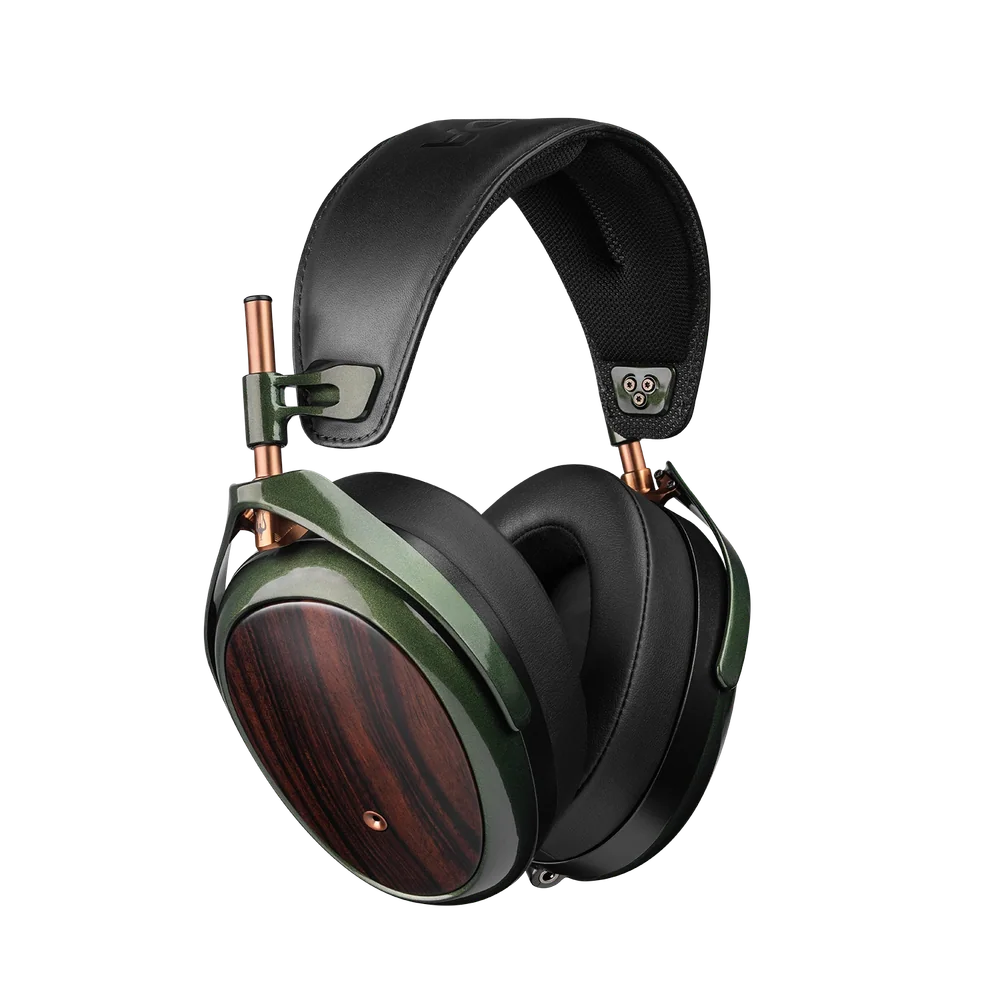
Rounding out the list is a newer closed-back release that's been gaining attention among wired headphone releases this year. It fills a different niche than most of the open-back options above: closed construction generally means better isolation, making it more usable outside a dedicated quiet room. Details beyond that are still thin compared to the more established names here, so it's worth treating as a newer option to watch rather than a proven long-term pick. For buyers specifically wanting isolation in a wired headphone, it's the one built with that in mind.
Closed-back design offers more isolation than the open-back models above
Part of a newer wave of 2026 wired headphone releases
Less established track record than longer-standing models
Why choose wired headphones over Bluetooth in 2026?
Wired designs skip battery management entirely and avoid the latency that can throw off gaming or precise audio monitoring. They also tend to work reliably with older devices, audio interfaces, and equipment that never had Bluetooth to begin with.
What's the difference between open-back and closed-back headphones?
Open-back designs, like the HiFiMan Ananda or Sennheiser HD 800 S, let sound leak in and out for a wider soundstage but offer little noise isolation. Closed-back options, like the Sony MDR-M1 or Meze Audio Strada, seal off outside noise and are better suited to shared or noisy spaces.
Which pick is best for studio work specifically?
The Sony MDR-M1 is built around a neutral, uncolored sound signature intended for studio monitoring, and it holds up well for general home listening too.
Are in-ear or over-ear wired options better for gaming?
Over-ear open-back designs like the Philips SHP9500 tend to offer a wider sense of space that helps with positional audio, while in-ears like the Etymotic ER4 XR prioritize accuracy over soundstage.
Is the most expensive option always the right choice?
Not necessarily. The right pick depends on the use case: critical listening favors accuracy-focused designs, gaming favors spaciousness, and casual upgrades are well served by more accessible open-back models further down this list.