
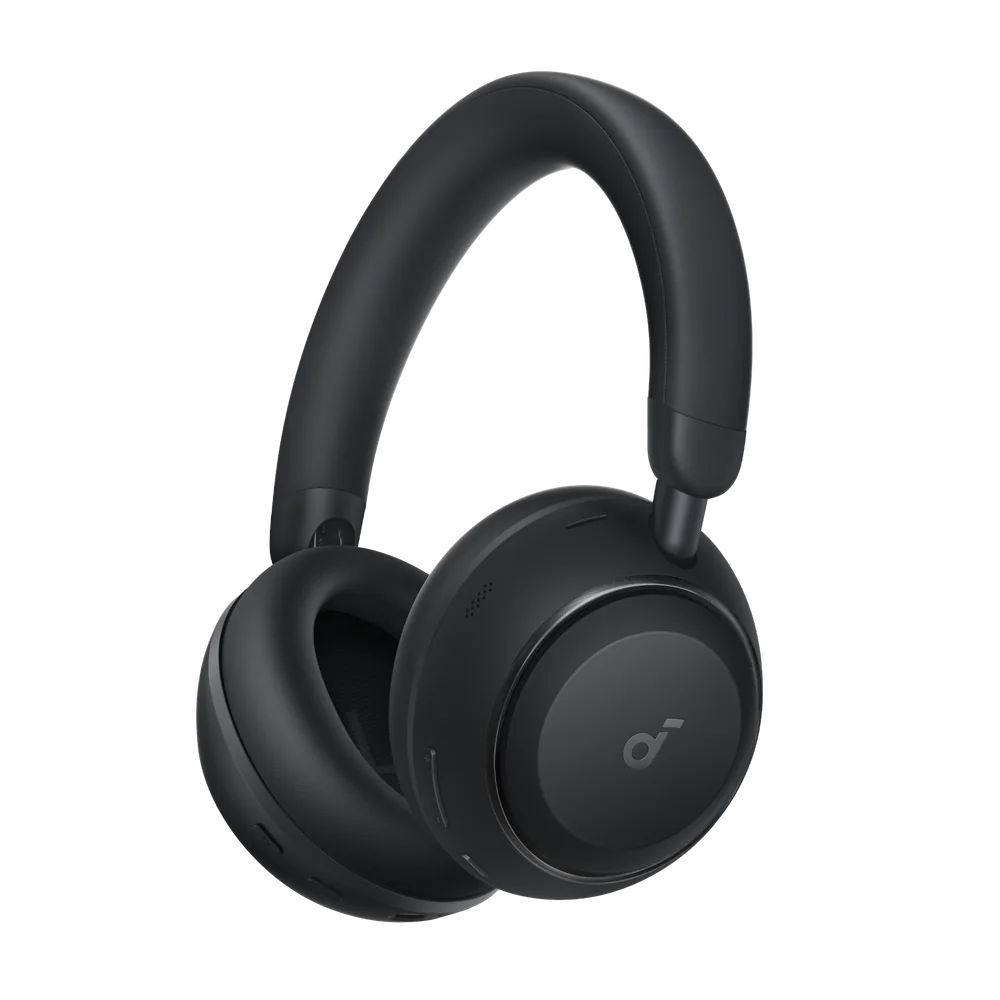
What to know first
- A redesigned fit corrects the oversized feel of the previous Space One model
- Adaptive noise cancellation is meaningfully improved over the last generation
- Battery life is rated long enough for extended travel days
- Sound quality is described as very good for the price, with the 3D Sound mode a weak spot
- Voice call quality can sound muffled to people on the other end
- Released April 21, 2026 as Anker's current-generation model in this line
Picking up where the Space One left off
Anker's Soundcore line built its reputation on undercutting big-name ANC headphones by a wide margin, and the Space 2 continues that pattern as the newest entry, released April 21, 2026.
The Space 2 keeps the value proposition but narrows the gap with pricier competitors. Anker didn't just tweak the earcups, it reworked the shape enough that reviewers who found the previous model uncomfortable noted a real improvement in how it sits and stays put.
This isn't a headphone chasing a spec sheet war with Bose or Sony. It's built for the shopper who wants most of what those brands offer at a fraction of the outlay, and who's willing to accept a few rough edges to get there.
Noise cancellation that actually improved, not just marketing copy
The most meaningful upgrade over the Space One is adaptive noise cancellation that responds better to changing environments, whether that's a plane cabin, an open office, or a train car. Active noise cancellation works best against steady, low-frequency noise like engine rumble or HVAC hum, and that's exactly where the Space 2 earns its price tag: it's been recognized as a legitimate alternative to considerably more expensive flagship models from Bose and Sony.
Sound quality moved forward too. The one sour note is the 3D Sound mode, an added spatial feature that reportedly makes the sound quality worse rather than better, so it's a setting worth trying once and then leaving off.
Noise cancellation on voice calls is strong from the wearer's side, blocking out background sound effectively while on a call. The catch is on the other end of the line: callers reported that the Space 2 wearer's voice came through muffled, a trade-off worth knowing if this headphone will double as your daily work-call setup.
A fit you can actually wear all day
Comfort was the biggest complaint against the Space One, and it's the area Anker clearly prioritized fixing. The redesigned shape and improved padding translate into a headphone that sits more securely and comfortably during long stretches, which matters more than almost any spec sheet number when you're wearing something for an eight-hour flight or a full workday.
Battery life is rated long enough to cover extended travel days without a mid-flight panic about the charge level, though as with any ANC headphone, actual runtime depends on volume level and whether noise cancellation is running at full strength. Built-in voice controls add a layer of convenience for adjusting settings or taking calls without digging for a phone.
None of this requires learning a complicated app or wrestling with confusing button combinations. The overall experience reads as straightforward: put them on, let the adaptive noise cancellation do its job, and go about your day.
Where the Space 2 still comes up short
The muffled voice quality on calls is the clearest limitation. If your headphones double as your primary work-from-home or work-from-anywhere call device, that's a real consideration, not a minor nitpick.
The 3D Sound mode is a feature that sounds appealing on a spec sheet and undersells the product in practice. It's a reminder that not every marketed feature translates into something worth using, and shoppers should treat it as an option to skip rather than a selling point.
Noise cancellation, while improved, still isn't described as best-in-class against the top flagship models. It closes the gap meaningfully at this price, but buyers expecting Bose or Sony's absolute ceiling of noise reduction should adjust expectations accordingly.
The specs that matter
Adaptive ANC adjusts to your surroundings automatically, which matters most for steady noise like plane engines or office HVAC systems rather than sudden sounds or nearby conversation.
A headphone that fits too loosely undermines both comfort and noise cancellation performance, since ANC depends partly on a good seal.
Longer single-charge runtime means fewer mid-day charging interruptions, especially useful for travel days or long work shifts.
You're getting tuning that competes above its price bracket, though the optional 3D Sound mode is reported to hurt rather than help clarity.
Great for blocking background noise on your end, but plan accordingly if you rely on these for professional calls.
As the newest model, it replaces the Space One and reflects Anker's latest design and ANC improvements rather than carryover parts.
Who this product fits
The frequent flyer on a budget
Someone who wants real noise reduction on long flights but doesn't want to spend flagship money will find the Space 2's adaptive ANC and long battery life line up well with that use case, especially with the improved fit for extended wear.
The office worker who took calls on the old Space One
If muffled call audio would frustrate coworkers or clients, it's worth evaluation this model on a call before committing it as your primary work headset, since the improvement is one-sided in favor of the wearer's noise blocking.
Someone comparing Anker against Bose or Sony
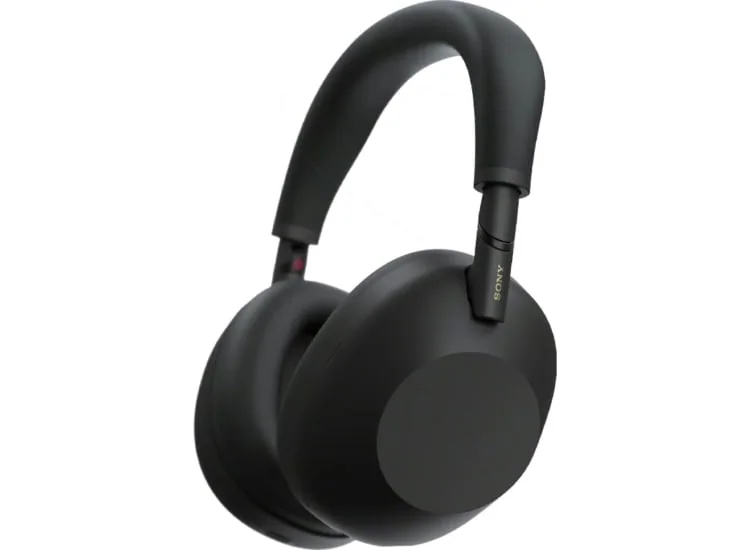
A shopper cross-shopping against premium ANC brands can expect the Space 2 to close much of the performance gap at a noticeably lower price, making it a reasonable first stop before spending three times as much.
What else to compare
A few other angles are worth a quick look before you decide.
Anker Soundcore Space 2 FAQ
Is the Anker Soundcore Space 2 better than the Space One?
Yes, in the areas that mattered most. The fit is more comfortable, the adaptive noise cancellation is improved, and overall sound quality moved up a notch from the previous generation.
How does the Space 2 compare to Bose and Sony ANC headphones?
It doesn't match the very top ANC performance of premium flagship models, but it gets close enough at a much lower price to be considered a legitimate alternative for budget-conscious shoppers.
Are voice calls clear on the Space 2?
The wearer benefits from strong background noise reduction during calls, but people on the other end of the line have reported the wearer's voice sounding muffled, so it's worth evaluation before relying on it for important calls.
Should I skip the 3D Sound mode?
Based on available feedback, yes. It's reported to make sound quality worse rather than enhance it, so most listeners are better off leaving it off.
When was the Anker Soundcore Space 2 released?
It released April 21, 2026, making it the current generation in this line and the direct successor to the Space One.
Worth the upgrade from the Space One?
Anker fixed the two things that held the Space One back: the oversized fit and merely adequate noise cancellation. The Space 2 arrives as a more comfortable, better-sounding headphone that still undercuts flagship ANC pricing by a wide margin, which is exactly the value equation Soundcore built its name on.
The muffled call quality and the underwhelming 3D Sound mode keep it from being flawless, but neither is a dealbreaker for the core use case: long days of wear, real noise reduction, and sound that punches above its price. For most shoppers deciding between this and something twice the cost from Bose or Sony, the Space 2 is the more sensible place to start.