
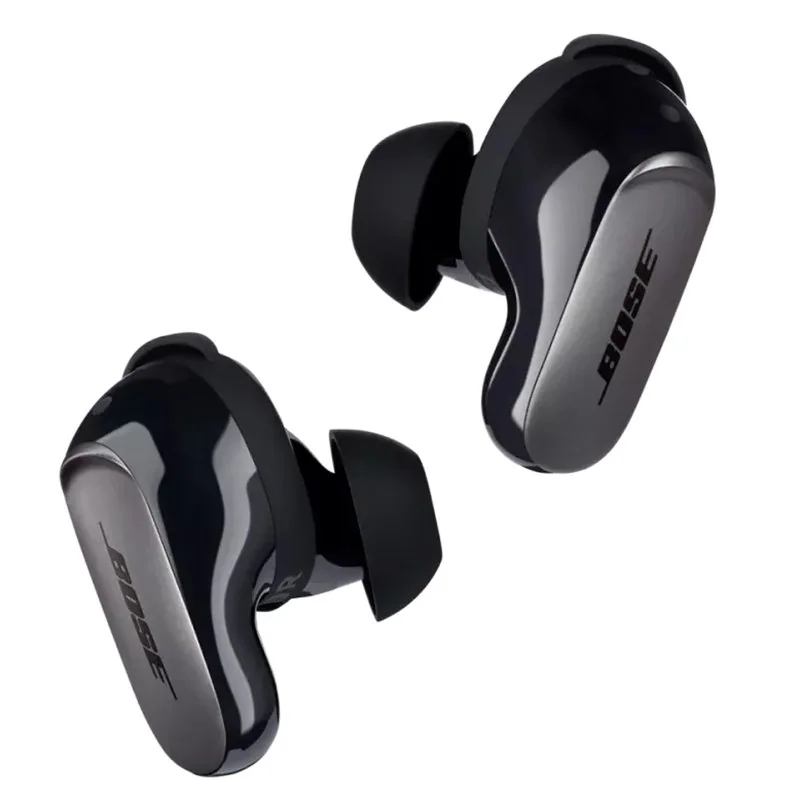
What to know first
- Active noise cancellation is tuned to suppress steady, low-frequency sound like engine hum and HVAC noise more effectively than sudden noises or nearby conversation
- Battery life should be judged on single-charge runtime, not just the combined total with the charging case
- Bluetooth codec support matters less day to day than a stable connection and a secure, comfortable fit
- Best suited to buyers who already value Bose's noise cancellation reputation over buyers comparison shopping purely on spec sheets
Bose's noise cancellation formula, shrunk to fit your ear
The QuietComfort Ultra Earbuds exist because Bose's over-ear QuietComfort headphones proved there was a market for buyers who want quiet more than they want the loudest bass or the flashiest app. This earbud version takes that same philosophy and puts it in a case that fits in a jacket pocket instead of a backpack.
It sits in a crowded field. Sony, Apple, and Samsung all field flagship earbuds built around active noise cancellation, and Bose's earbuds compete less on sheer feature count and more on how convincingly they execute the fundamentals: seal, comfort, and steady-state noise reduction.
That's a specific kind of ambition. Bose isn't trying to out-spec anyone with codec lists or gimmick modes. It's betting that a buyer sitting on a plane for six hours cares more about the drone disappearing than about a feature they'll use twice.
What noise cancellation actually does (and doesn't do) here
Active noise cancellation works by using microphones to sample outside sound and generate an inverse signal that cancels it out before it reaches your eardrum. It's genuinely effective against steady, low-frequency noise: the rumble of a jet engine, the hum of a data center, the drone of highway driving. That's the scenario where Bose's tuning earns its reputation.
It's much less effective against sudden or high-frequency sound. A dog barking, a baby crying, someone's voice cutting through a few feet away: none of that cancels as cleanly, because the waveform changes too fast for the system to predict and counter. Anyone buying these earbuds expecting total silence in a busy office should recalibrate that expectation before they spend the money.
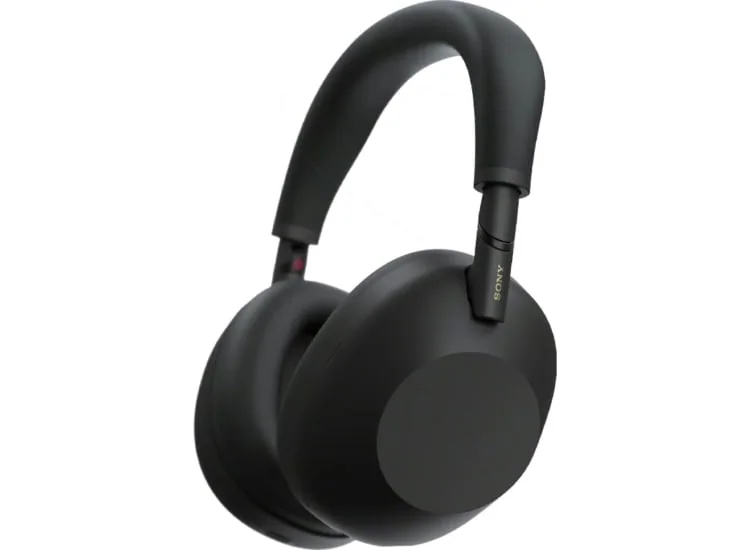
The honest comparison point is Sony's competing flagship earbuds, which trade blows with Bose depending on which specific noise profile you're fighting. Neither brand has solved the "cancel my chatty coworker" problem, because that's not really what ANC is built to solve.
Living with them: fit, charging, and the parts you actually touch
Comfort is where earbuds either earn repeat wear or end up in a drawer. Bose has generally prioritized a secure, ear-friendly fit over an ultra-compact shape, which tends to pay off on long flights and workdays where you're not constantly repositioning them.
Battery life deserves a specific gut check before you buy. The number that gets marketed is almost always the combined total with the charging case doing multiple top-ups, not what you get from a single charge with ANC and calls running. If your day involves a long-haul flight with no case access, ask specifically about single-charge runtime rather than assuming the headline number applies uninterrupted.
Bluetooth codec support (AAC, SBC, and similar) is worth knowing about if you're an audio enthusiast pairing with a phone that supports higher-quality codecs, but for most listeners the bigger daily factor is connection stability and whether the earbuds drop out walking past a crowded coffee shop. That's a less glamorous spec, and it matters more.
The trade-off nobody puts on the box
Every noise-canceling earbud claim needs a footnote, and Bose's is no exception: strong ANC performance against steady noise doesn't translate to blocking human speech or sudden sounds. Buyers expecting library-level silence in a shared office are the ones most likely to feel let down.
Battery life is the other place to manage expectations. A large combined total with the case is a real number, but it's not the number that tells you whether these earbuds survive an actual transcontinental flight without a recharge stop. Check single-charge listening time specifically before you decide these are your travel pair.
None of this makes the QuietComfort Ultra Earbuds a bad buy. It just means the marketing claims need translating into your actual use case before you hand over your money.
The specs that matter
Excellent against steady mechanical drone like engines and HVAC systems, weaker against sudden noise or nearby voices. Set your expectations around your actual noise problem, not the marketing claim.
The advertised total assumes multiple recharges from the case. What matters for a long flight or workday is how long the earbuds last before you need that case at all.
Matters mainly to listeners pairing with codec-matched source devices. A stable connection and comfortable fit make more difference to daily listening than codec choice.
ANC performance and bass response both depend on a proper seal. A loose fit undermines noise cancellation regardless of how good the electronics are.
Who this product fits
The frequent flier who wants the cabin drone gone
Steady, low-frequency engine noise is exactly what this earbud's ANC is built to erase, making long flights meaningfully less fatiguing even if the pair can't silence a nearby conversation.
The open-office worker fighting HVAC hum
Constant background hum from office climate systems responds well to this kind of noise cancellation, though a chatty desk neighbor will still cut through more than expected.
The commuter deciding between earbuds and over-ear Bose
Anyone who already owns Bose's over-ear QuietComfort headphones and wants the same noise control in a pocketable shape will find the earbuds a logical, familiar upgrade path.
What else to compare
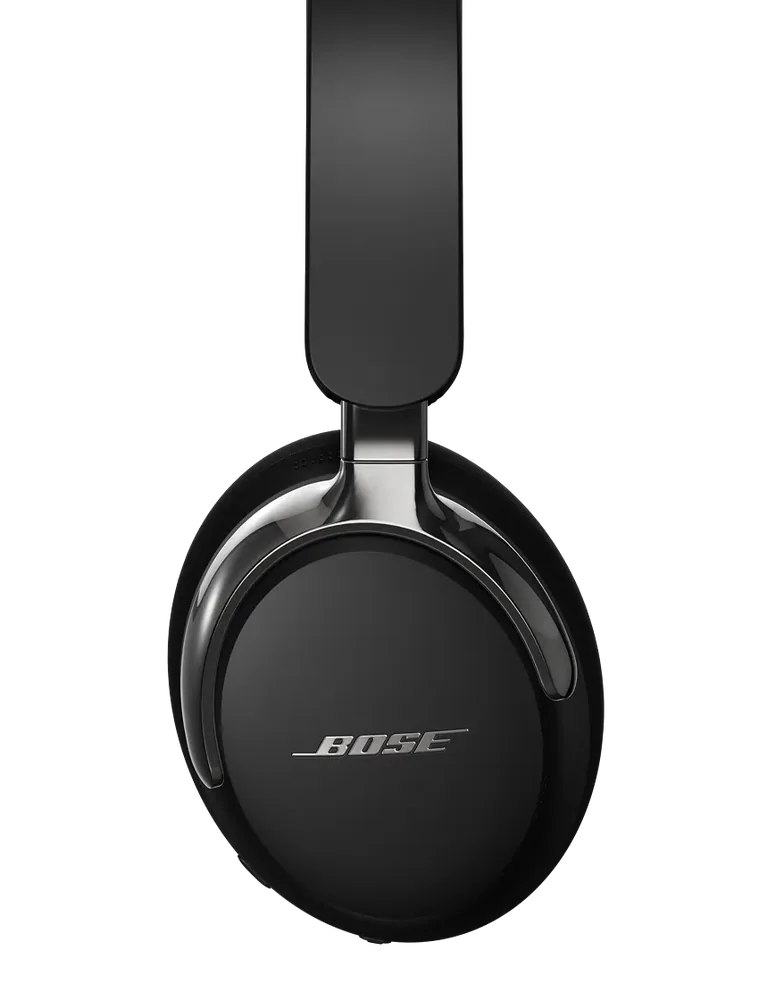
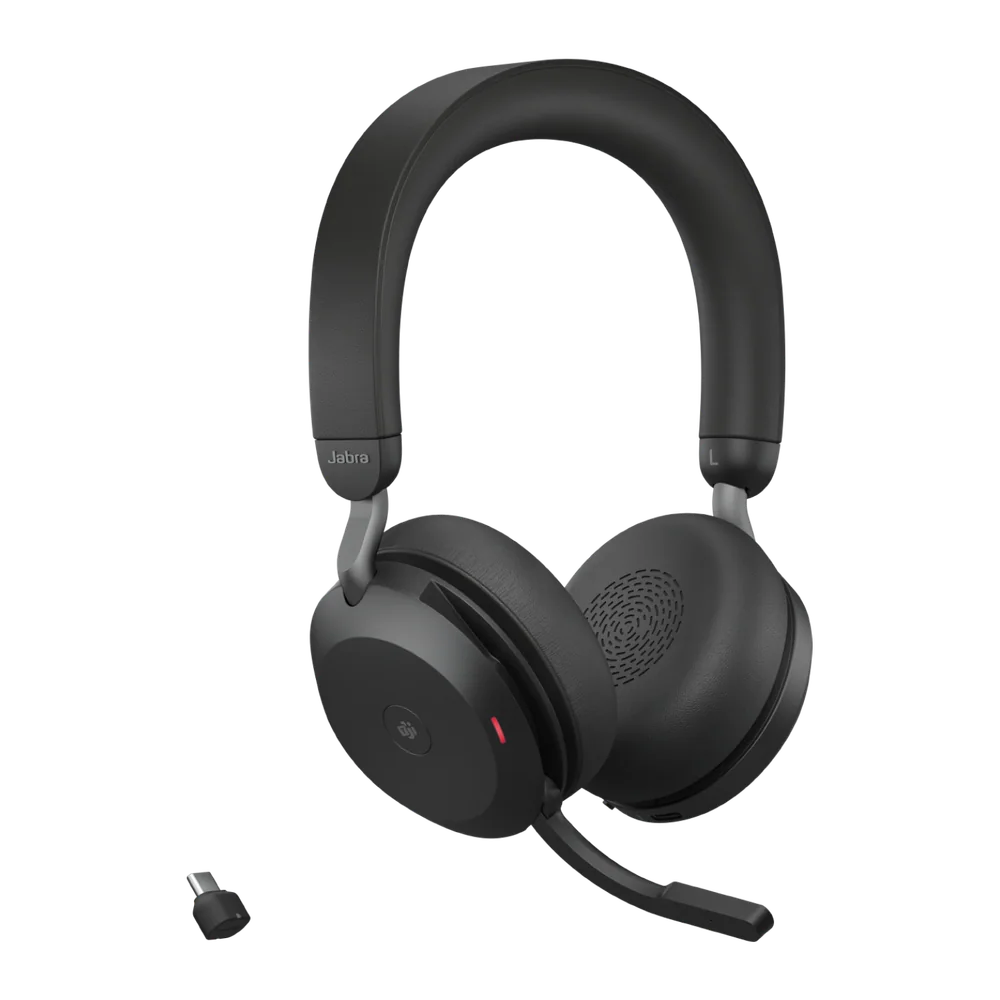
A few other flagship ANC earbuds are worth a look before you settle.
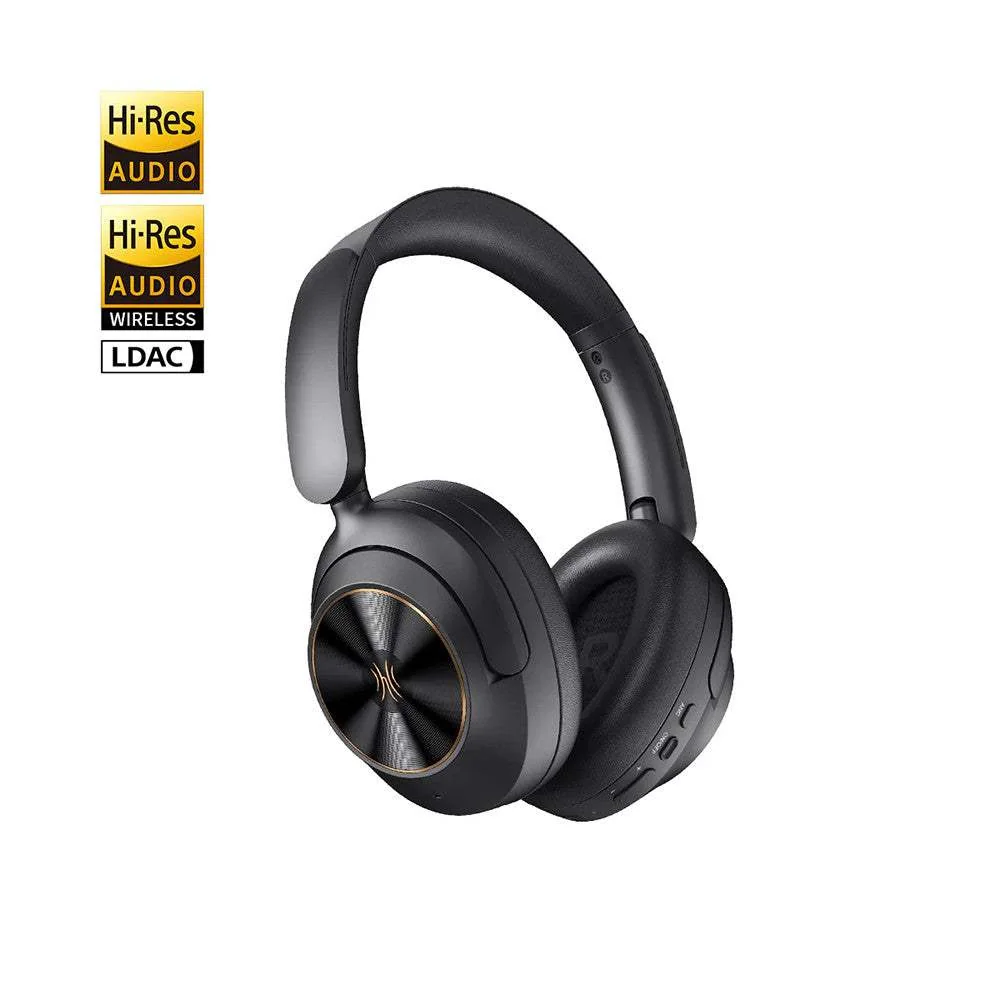
Bose QuietComfort Ultra Earbuds (Current Ultra line) FAQ
Do the Bose QuietComfort Ultra Earbuds block out voices and conversation?
Not as well as they block steady mechanical noise. Active noise cancellation is most effective against constant, low-frequency sound like engine drone, and much less effective against sudden or high-frequency sound like nearby speech.
How long does the battery actually last?
Total battery life figures usually include multiple recharges from the case, not a single continuous charge. Check the single-charge runtime specifically if you need the earbuds to last through one long flight or workday without a case top-up.
Do I need a specific Bluetooth codec to get good sound?
No. Codec support like AAC or SBC can affect wireless audio quality slightly, but fit, seal, and connection stability make a bigger daily difference for most listeners than codec choice.
Are these better than Sony's competing flagship earbuds?
It depends on which noise you're trying to cancel and how each pair's tuning suits your ears. Neither brand has solved cancellation of nearby human speech, so compare based on your specific noise environment rather than a single winner-take-all spec.
Are these comfortable for all-day wear?
Bose has generally prioritized a secure, comfortable seal over an ultra-minimal shape, which tends to favor long wear sessions like flights and full workdays over quick errands.
Worth the money if your noise problem is steady, not social
Bose earned its reputation on quiet, and the QuietComfort Ultra Earbuds carry that reputation into a truly wireless shape without diluting it. If your daily irritation is a plane engine, a subway car, or an HVAC system, this pair is built to answer that specific complaint, and it does.
If your actual problem is a loud office or a chatty roommate, no amount of ANC tuning fixes that, and you should walk in knowing it. Buy these for the quiet they're actually good at creating, not the total silence the marketing implies.