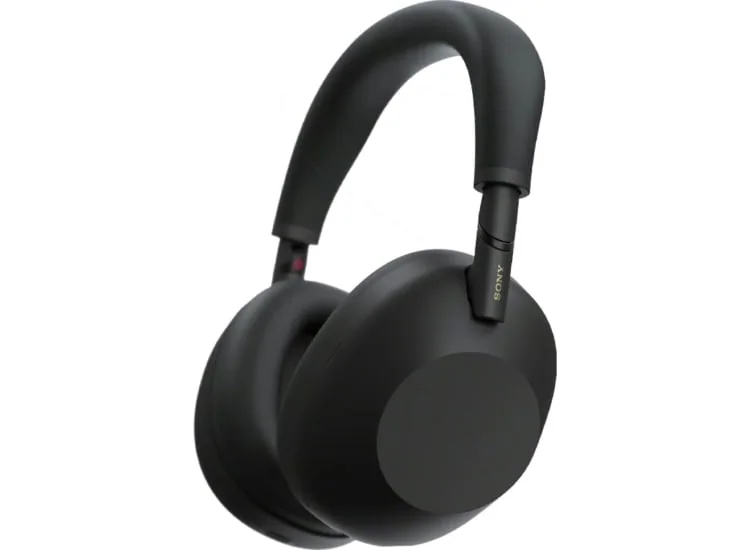
Active noise cancellation can take the grind out of engines, trains, and office HVAC, but its real value depends on the sounds around you and how well your headphones fit.
The cabin lights dim, the engine settles into its low roar, and suddenly every song has to compete with a wall of sound. Active noise cancellation can make that moment far less exhausting, not by creating silence, but by turning down the steady background racket that makes you raise the volume and clench your jaw. The short answer is that ANC works best against predictable low-frequency noise, including airplane rumble, bus engines, train movement, and air conditioning. It is less convincing with nearby voices, a crying baby, keyboard clatter, or an announcement you actually need to hear. A good seal and the right listening mode matter as much as the ANC label on the box.
Headphones fight the hum before it reaches your music
Active noise cancellation, usually called ANC, uses microphones to listen to the sound outside your headphones. Electronics inside the headphones then create a carefully timed opposing sound signal. When the outside sound and that opposing signal meet at your ear, part of the unwanted noise is reduced. It is not a tiny vacuum cleaner inside the ear cup. It is a fast, ongoing attempt to soften what the microphones hear.
That approach has a natural sweet spot. The long, repetitive waves from an airplane engine, a subway car, a bus, or an HVAC system are relatively predictable, so ANC has a useful target. The payoff is not merely a quieter ride. You may be able to hear a podcast or the quieter details in music at a more moderate volume, which makes a long trip feel less like an audio arm wrestle.
Steady low noise is the easy target, not every interruption
ANC is especially effective when the sound has a consistent pattern. Engine rumble and ventilation drone tend to stay in a narrow, low-frequency range, meaning their sound waves vibrate relatively slowly. Headphones can measure and counter those sounds with more success than they can manage a sudden laugh from the next seat or a spoon dropped in a cafe.
Speech is the classic reality check. Voices contain fast-changing frequencies and sharp consonants, and people move around while talking. ANC may take the edge off a nearby conversation, but it rarely makes it disappear. The physical barrier of well-sealing ear cups or ear tips does important work here too, blocking some sound passively before the electronics get involved. Strong isolation plus capable ANC is more useful than either one alone.
A secure seal decides how much cancellation you actually hear
For in-ear earbuds, the ear tip is part of the noise-control system. If it is too small, too shallow, or slowly loosens as you walk, outside sound leaks through the gaps. The earbuds can still run ANC, but they are trying to counter noise in an ear canal that is no longer properly sealed. Bass may thin out, street noise becomes more obvious, and the promised calm never quite arrives.
Over-ear headphones have their own version of this problem. Cushions that do not sit evenly around the ear can leave gaps, especially around glasses, thick hair, earrings, or an awkward headband fit. Comfort is not a frivolous detail when shopping for ANC. A pair that presses painfully after an hour or shifts whenever you turn your head is unlikely to deliver its best isolation on the flight or workday that prompted the purchase.
Transparency mode lets the outside world back in on purpose
Transparency mode, sometimes called ambient mode, uses the same external microphones for the opposite goal. Instead of reducing outside sound, the headphones feed some of it into your ears. This can make it easier to hear a gate change, answer a coworker, order coffee, or notice traffic without removing your headphones and fumbling for a place to put them.
The quality of transparency varies. Better implementations can make voices sound fairly natural and avoid the hollow, windy, or overly amplified effect that makes the room feel like a bad phone call. Wind can still challenge microphone-based modes, particularly outdoors. For walking or running near traffic, open-ear headphones may be a more dependable awareness-first choice because they leave the ear more open rather than recreating the world through microphones.
More cancellation is not always the setting you want
Maximum ANC is a sensible choice on a plane, train, or in a shared office with a persistent mechanical hum. But it can be disorienting when you need to stay tuned to your surroundings. Some headphones offer adjustable cancellation or adaptive modes that change their behavior as the environment changes. Those options can be convenient, though automatic switching is only helpful if it behaves predictably in your routine.
There is also a comfort question. A small number of listeners notice a pressure-like sensation when ANC is active, even though the headphones are not changing air pressure in the ear. If that feeling bothers you, try a lower cancellation setting, use transparency when appropriate, or consider a model with strong passive isolation that does not require aggressive processing. The best setting is the one you can wear comfortably for the whole trip, not the one with the most dramatic demo.
Read noise-canceling claims like a traveler, not a billboard
A claim about powerful noise cancellation does not tell you which sounds were reduced, how the headphones fit, or whether the result holds up with glasses and movement. Look for information about the situations that resemble yours: long flights, rail commutes, office ventilation, coffee shops, or calls from a windy sidewalk. Then separate the need for quiet music listening from the need for clear call microphones, since one does not automatically guarantee the other.
Battery claims deserve the same skepticism. Wireless ANC uses power, and single-charge listening time is the number that determines whether your earbuds survive a commute, workout, or flight without returning to the case. Total battery life with the case is useful for a weekend away, but it will not rescue earbuds that run low halfway through the leg of the journey when you need them most. Check runtime with ANC on, at your usual volume, before treating an all-day claim as a promise.
What this guide helps you understand
Judge active noise cancellation by the steady noise you want reduced, the fit you can maintain comfortably, and the awareness you need to keep.
List the places where noise bothers you most, then prioritize models with a secure fit and ANC suited to that setting.
For wireless models, check single-charge battery life with ANC enabled rather than relying only on the case total.
Make sure your source device and usual connections, including airplane audio or a laptop, will work with the headphones you choose.
Technique notes
Earbuds need the right tip size to seal well; try the included sizes before deciding their ANC is weak.
Glasses, hair, and worn ear cushions can create gaps that reduce both passive isolation and perceived cancellation.
Use transparency mode for brief conversations and announcements, but do not assume it provides the same awareness as leaving your ears open.
Safety note: Keep enough awareness for traffic, transit announcements, and other situations where hearing your surroundings matters.