
What to know first
- 45dB hybrid ANC handles steady drone (planes, HVAC, traffic) better than sudden noise like conversation
- Up to 5.5 hours of listening with ANC on, 9.5 hours with it off, and roughly 24.5 total hours with the case
- USB-C fast charging adds hours of playtime from just a few minutes on the cable, but there's no wireless charging pad support
- 11mm driver with a PMI and TPU diaphragm instead of the pricier Ear's ceramic diaphragm
- IP54 rating on the buds themselves, IPX2 on the case, so plan around rain and gyms rather than pools
- Pinch-stem controls give a satisfying physical click instead of a touch-sensitive tap that misfires
Nothing's answer to the beige earbud problem
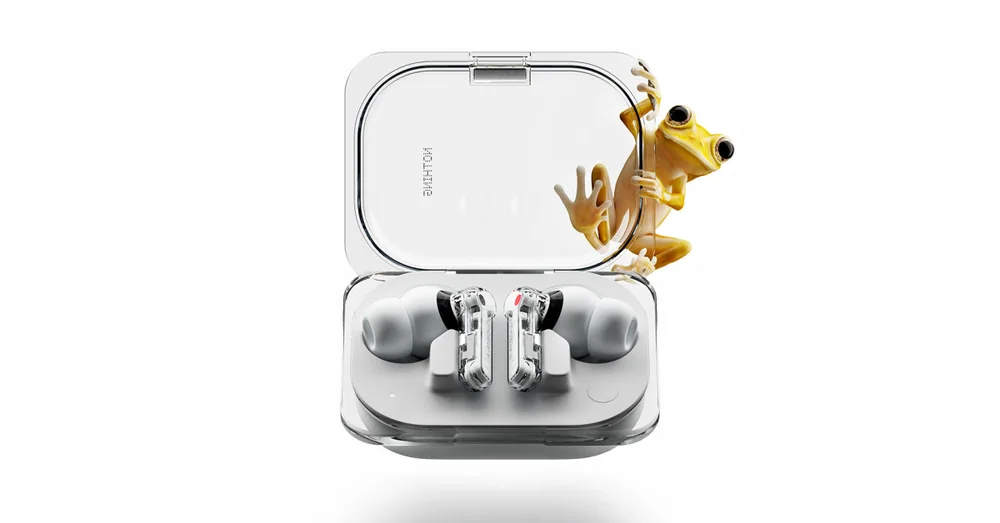
The case has a see-through lid, the earbuds themselves pair a matte ear piece with a translucent stem, and the whole thing comes in black, white, or a yellow colorway with visible internal detailing.
The pricing logic follows the same playbook Nothing uses for its phones: the Ear (a) is the 'a' version of the standard Ear, trimmed down in a few specific ways to hit a lower price without gutting the core experience. Buyers who assume the cheaper model is a stripped-down compromise will be surprised by how much made the cut.
What stayed intact matters more than what got cut. The same 45dB ANC rating, the same 11mm driver size, and the same six-microphone array for calls carried over from the pricier Ear. Nothing clearly decided that noise cancellation and call quality weren't places to save money.
Where the savings actually show up
Battery life actually favors the cheaper model. Nothing's specifications list 5.5 hours with ANC on and 9.5 hours with it off for the Ear (a), edging out the pricier Ear's 5.2 and 8.5 hours.
Charging is the real trade-off. The Ear (a) skips wireless charging entirely, relying on USB-C only, while the standard Ear adds a wireless charging pad option. For most people topping off a case in the car or at a desk, this changes little day to day, but it's worth knowing before assuming both models charge the same way.
Codec support tells a similar story. Both models support LDAC for higher-quality Android streaming, but only the standard Ear adds LHDC 5.0. Unless you're specifically chasing hi-res Bluetooth audio on a compatible phone, this gap won't register in daily listening.
Living with the pinch stems and the app
Setup on Android phones is close to instant: opening the case triggers fast pairing, and the companion Nothing X app downloads automatically within seconds. IPhone owners can use the earbuds too, though the deeper app features and fast pairing are built around Android.
Control happens through pinch gestures on the stems rather than touch panels on the earbud itself, and that distinction matters more than it sounds. A physical pinch with a felt click is far less prone to accidental triggers than a touch-sensitive surface that registers a stray brush against your ear. One pinch plays or pauses, a hold cycles through ANC modes, and multiple pinches skip tracks.
The Nothing X app's equalizer on the Ear (a) is simpler than what the pricier Ear offers: four presets (Balanced, More Bass, More Treble, Voice) plus manual sliders for mids, bass, and treble. It's not the eight-band custom EQ or personal hearing profile found on the standard Ear, but it covers the adjustments most people actually make.
A ChatGPT integration is built in, activated with a pinch gesture, though it requires pairing with a Nothing Phone (1, 2, or 2a) to function. Anyone on a different phone brand won't have access to this feature, so don't buy the Ear (a) expecting it as a universal perk.
The fit trade-off nobody should skip
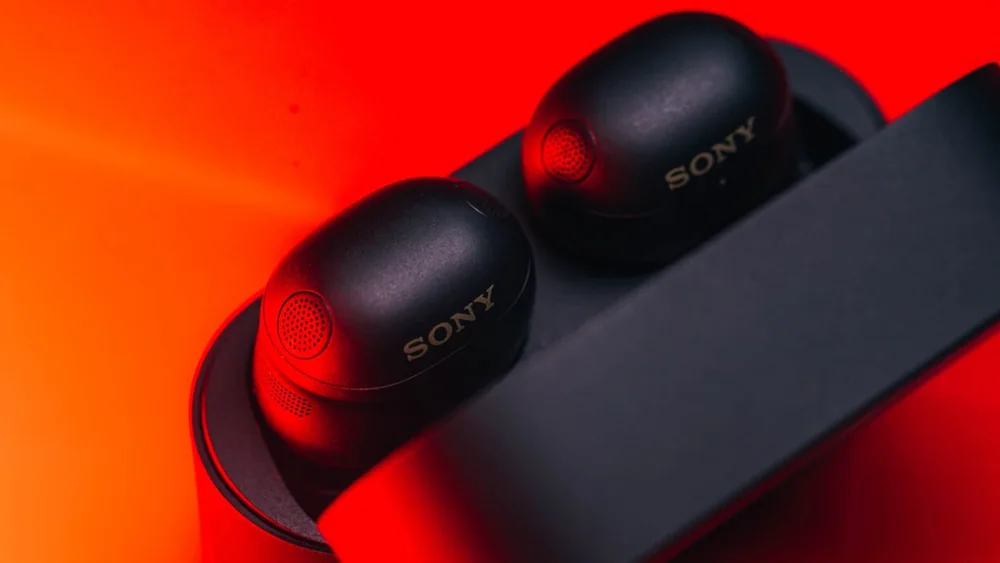
The Ear (a)'s comfort comes from a looser seal than earbuds like the Sony WF-1000XM5 or Samsung Galaxy Buds use. That looseness is genuinely comfortable for long listening sessions, but it also means passive noise isolation lags behind tighter-fitting competitors, which puts more of the noise-blocking workload on the active cancellation circuitry alone.
That circuitry handles steady, low-frequency noise, engine drone, HVAC hum, traffic, well. It's less effective against sudden or variable sounds like nearby conversation or a crying child, a limitation shared by nearly every ANC earbud at this price and above, not a unique weakness of this model.
The IPX2 rating on the case is worth flagging separately from the IP54-rated buds. Light rain splashes on the earbuds themselves should be fine, but don't assume the case can handle the same exposure, and neither the buds nor the case are built for swimming or heavy water contact.
The specs that matter
This is the same rating as the pricier standard Nothing Ear, and it competes with earbuds costing far more against steady noise like plane engines. It won't erase nearby conversation the way it silences constant drone.
This is the number that determines whether the earbuds survive a workday or long flight without a case top-off, and it slightly beats the pricier Ear model.
The case can recharge the buds multiple times before it needs power itself, useful for multi-day trips without packing a charger.
Anyone relying on a wireless charging pad for other devices will need to remember a cable specifically for these earbuds.
LDAC covers higher-quality streaming on compatible Android phones; the missing LHDC 5.0 support is reserved for the pricier Nothing Ear.
Fine for rain and sweat on the earbuds themselves, but the case has weaker protection, so keep it out of wet bags or pockets.
This differs from the ceramic diaphragm in the pricier Ear model, a subtle difference in tonal richness rather than a major sound quality gap.
Physical pinch controls with tactile feedback resist accidental triggers better than flat touch-sensitive surfaces.
Who this product fits
The frequent flyer on a budget
The 45dB ANC rating tackles engine drone and cabin HVAC noise effectively, and the fast USB-C charging means a few minutes at the gate can add hours of playtime before a long flight.
The Android owner comparing app ecosystems
The shopper eyeing the pricier Nothing Ear instead
Unless wireless charging or LHDC hi-res streaming specifically matter, the Ear (a) matches the standard Ear's ANC rating, driver size, and microphone count while actually running a bit longer on a charge.
What else to compare
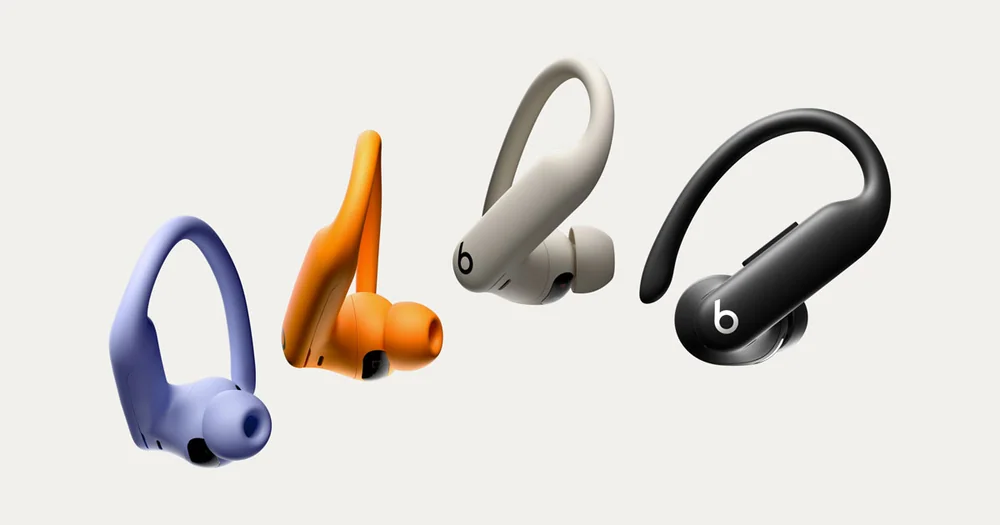
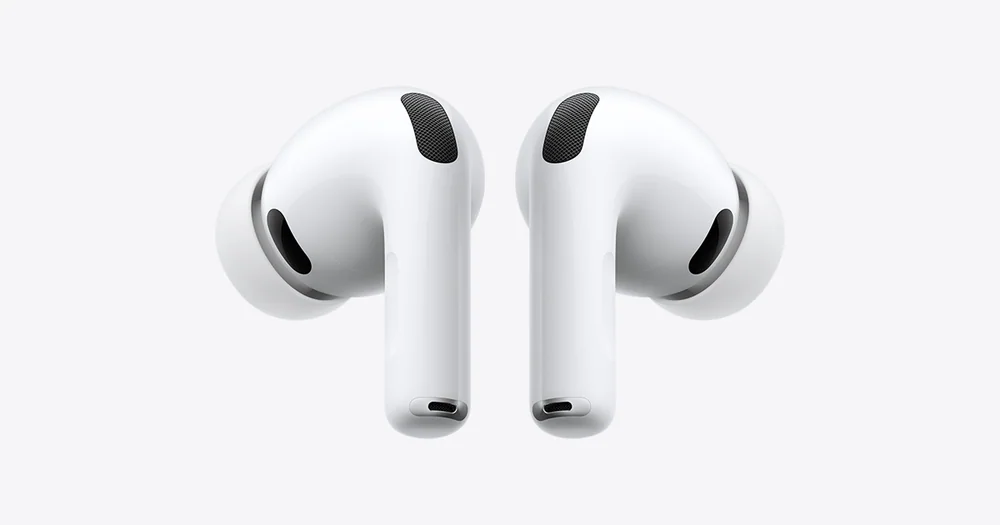
A few adjacent options are worth knowing before settling on the Ear (a).
Nothing Ear (a) FAQ
Is the Nothing Ear (a) worth it over the standard Nothing Ear?
For most buyers, yes. Both share the same 45dB ANC rating, 11mm driver size, and six-microphone setup, and the Ear (a) actually offers slightly longer battery life. The standard Ear adds wireless charging, LHDC codec support, and a more advanced equalizer with a personal sound profile, features that matter mainly to buyers chasing the best possible Bluetooth audio quality.
Does the Nothing Ear (a) work with iPhone?
Yes, it pairs with iPhones, though the fast-pairing pop-up and some app conveniences are built primarily around Android. Core features like ANC, EQ presets, and calls work on both platforms.
How long does the battery actually last?
Specifications list 5.5 hours per charge with ANC on and 9.5 hours with it off, with total playtime around 24.5 hours when using the case's extra charges. Actual runtime will vary with volume and codec choice.
Can I use the ChatGPT feature on any phone?
No. The built-in ChatGPT integration, triggered by a pinch gesture, requires pairing with a Nothing Phone (1, 2, or 2a). Other Android phones and iPhones won't have access to this specific feature.
Are these earbuds waterproof enough for the gym?
The buds carry an IP54 rating, which handles sweat and light rain reasonably well, but the charging case is only rated IPX2, so keep it away from heavy moisture exposure.
Nothing Ear (a) does something a lot of budget earbuds don't bother trying: it makes you want to pull the case out in public. That design confidence would ring hollow if the ANC and battery life didn't back it up, but 45dB of noise cancellation and battery life that beats Nothing's own pricier model make the case for itself.
Buy it if you want dependable ANC against steady noise, a genuinely comfortable fit for long listening sessions, and a design that doesn't look like every other white capsule earbud on the shelf.