
What to know first
- Single balanced-armature driver tuned with a mildly elevated bass response versus the flatter ER4 SR
- Passive noise isolation rated 35-42 dB, higher than most active noise cancelling headphones achieve against steady noise
- 45 ohm impedance and 98 dB sensitivity mean it works from a phone but can benefit from a stronger source
- Detachable MMCX cable, user-replaceable wax filters, and a two-year warranty support long-term ownership
- Deep insertion design demands the right tip size, and stock tips don't fit every ear canal comfortably
- Custom-fit molded tips are available as an option for buyers who struggle with the universal fit
A measurement house's answer to what an in-ear should do
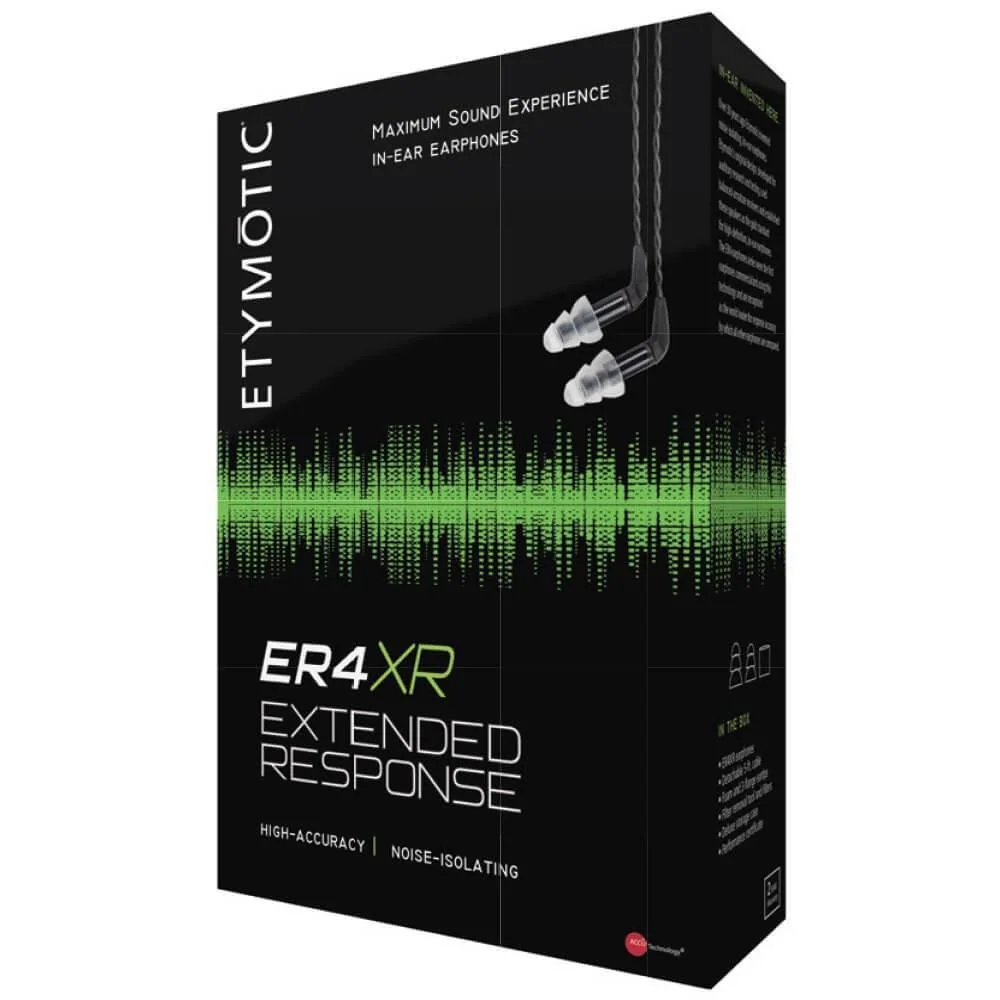
Etymotic built its name making hearing-test equipment before it built headphones, and the ER4 XR reads like an engineer's earphone rather than a lifestyle accessory. It's the 2016 successor to the ER4S, split into two tunings: the SR (Studio Reference) aims for a flatter response, while the XR (Extended Response) adds a modest lift starting around 300 Hz that gives bass notes more body without turning them boomy.
Every unit ships with documentation showing the individual driver's measured response, tied to a serial number etched into the metal housing. That's a small detail, but it says something about who this product is for: someone who wants to know their exact unit measures close to Etymotic's target curve, not just a marketing promise that it does.
The ER4 XR picks the second lane and doesn't apologize for it.
The isolation number that beats noise cancelling headphones at their own game
Passive noise isolation of 35 to 42 dB is an unusual figure to see attached to a wired earphone, and it comes entirely from how deep the ER4 XR sits in the ear canal, not from any battery or microphone. For comparison, most custom in-ear monitors land closer to 26 dB. That gap matters on a plane or in an open office: steady drone gets shut out almost completely, and you don't need to push volume up to compensate, which is easier on your hearing over a long flight.
The tradeoff behind that number is the same design choice that makes some buyers uncomfortable: the housing is a slim, elongated cylinder meant to go deeper than a typical universal-fit earbud. Get the seal right and the isolation is close to total. Get it wrong and the fit feels awkward rather than secure.
Sound-wise, the single balanced-armature driver keeps mids clean and separated without the smearing that cheaper multi-driver setups sometimes introduce when crossovers aren't tuned carefully. The elevated bass on the XR (versus the SR) gives it a fuller low end that still stays controlled, useful for listeners who found the original ER4S thin or clinical.
Etymotic backs the driver-matching claim with per-unit measurement, and the two-year warranty plus user-replaceable wax filters mean the earphone is built to be serviced rather than replaced at the first sign of wear.
What actually changes once you're wearing it
Getting a proper seal takes patience the first few times. The ER4 XR ships with triple-flange silicone tips in two sizes and foam tips, and the right choice depends heavily on your ear canal. Some listeners find the stock foam tips coarse and less comfortable than aftermarket options, and it's common for buyers to end up trying third-party foam tips to dial in comfort for long sessions.
The cable is detachable via MMCX, five feet long, and terminates in a right-angle 3.5mm plug that fits into portable amps without an extra adapter. It's flexible with little memory, which keeps it from tangling in a bag, though the connector's shallow angle means the cable doesn't sit comfortably worn over the ear, and cable noise (microphonics) can transmit into the ear canal if the cable bumps against clothing.
At 45 ohms impedance and 98 dB sensitivity, the ER4 XR plays at a reasonable volume straight from a phone or laptop, so you don't need a dedicated amp to use it day to day. A stronger headphone amp can extract a bit more headroom, but it's not a requirement to enjoy the earphone out of the box.
A custom-fit molded option is available for anyone who decides the universal tips never quite work for their ears, which is worth knowing if comfort turns out to be the deciding factor.
The fit is the whole decision
This isn't a headphone you can recommend blind. Some listeners with larger or unusually shaped ear canals find the deep-insertion design genuinely painful with the stock tips, to the point of needing to pause listening and shop for third-party foam options like Comply tips before the ER4 XR becomes usable for long stretches.
The high-frequency tuning, while never harsh, does lean bright enough at times that it can slightly overshadow the low end for some listeners, particularly at higher volumes. If you already know you're sensitive to treble energy, that's worth sitting with before buying.
And because isolation is this aggressive, using the ER4 XR in public spaces where you need situational awareness (crossing streets, hearing announcements) requires real caution. It blocks outside sound almost too well for casual outdoor use.
The specs that matter
One driver per ear keeps the tuning simple and avoids crossover smearing, at the cost of the multi-driver layering some competitors use for a bigger, more forward sound.
The XR tuning is close to Etymotic's flat reference curve but with a deliberate bass lift, giving it more low-end body than the ER4 SR without turning boomy.
This is achieved through deep physical insertion rather than electronics, and it can outperform noise cancelling headphones against steady droning noise like engines or HVAC systems.
Slightly higher impedance than typical earbuds, but sensitivity is high enough to play comfortably loud from a phone without a dedicated amplifier.
A detachable cable means you can replace it if it wears out, though the connector's shallow angle limits over-ear wear and doesn't fully suppress cable noise.
Balanced-armature drivers are vulnerable to earwax intrusion, so replaceable filters extend the life of the earphone without a repair visit.
For buyers who can't get a comfortable seal with universal tips, a custom mold removes the fit guesswork entirely.
Who this product fits
The frequent flyer who's tired of engine drone
Passive isolation in the 35 to 42 dB range means the ER4 XR can quiet a plane cabin more effectively than many active noise cancelling headphones, without needing a battery or charge cycle before boarding.
The listener who found the ER4S too clinical
If a flatter Etymotic tuning felt thin or fatiguing in the past, the XR's gently lifted bass gives vocals and instruments more warmth while keeping the same detail and separation in the mids.
The buyer who wants a serviceable long-term earphone
User-replaceable wax filters, a detachable cable, and a two-year warranty mean this isn't a disposable earbud. Someone planning to own one pair of in-ears for years gets more out of that structure than someone who replaces earbuds every season.
Someone with a large or oddly shaped ear canal
This is the buyer who should slow down before purchasing. The deep-insertion design has caused real discomfort for listeners whose canals don't match the stock tip sizes, and budgeting for aftermarket foam tips or the custom-fit option upfront avoids a frustrating first week.
What else to compare
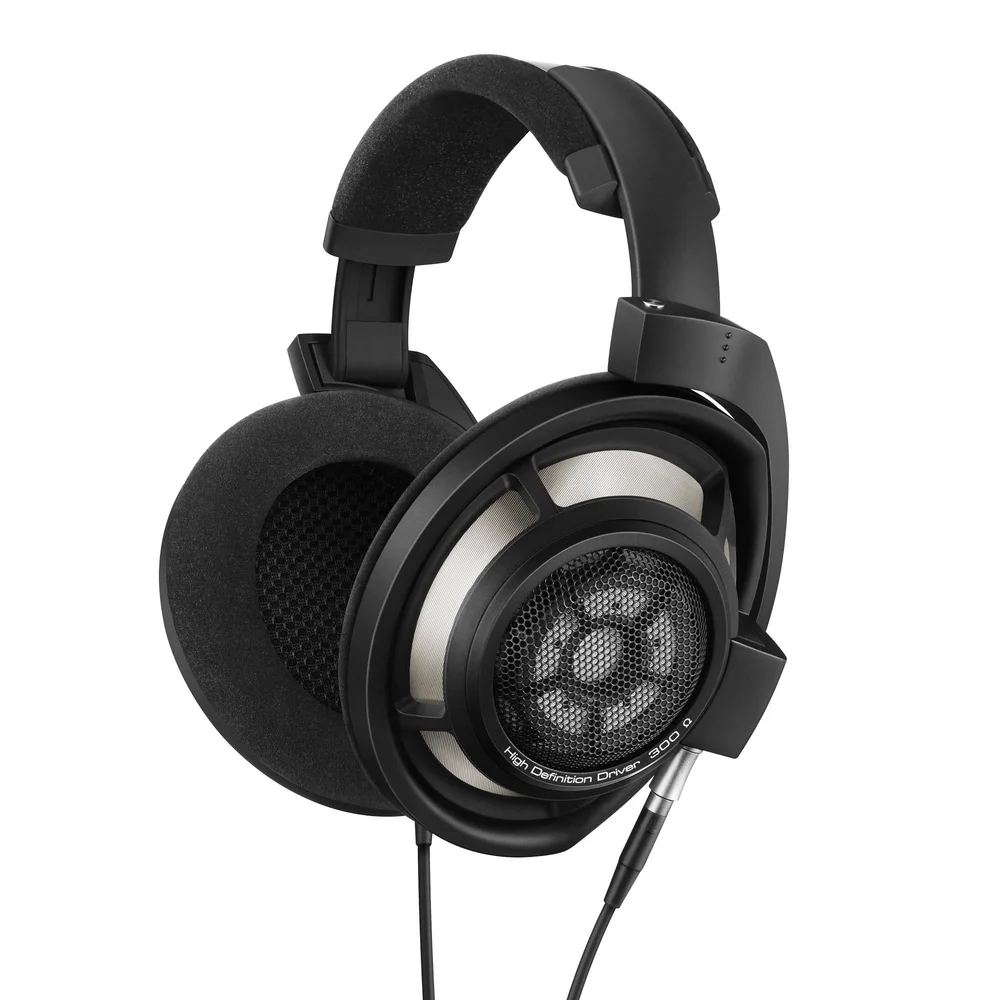
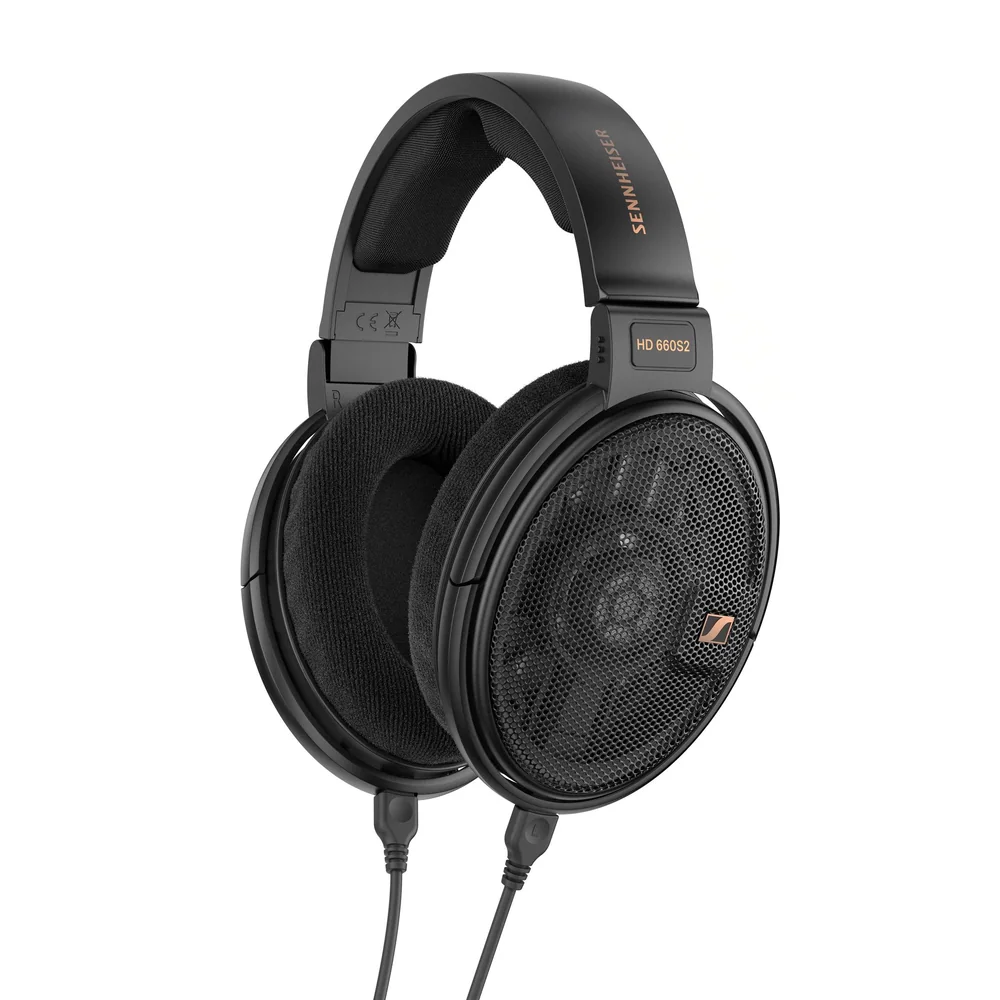
If the ER4 XR's fit or tuning gives you pause, its own lineup and price bracket offer a couple of natural alternatives.
Etymotic ER4 XR FAQ
What's the difference between the Etymotic ER4 XR and ER4 SR?
Both use a single balanced-armature driver and share a similar frequency range, but the XR has a gradually rising bass response starting around 300 Hz, giving it more low-end warmth. The SR stays flatter and closer to Etymotic's studio-reference target.
Does the Etymotic ER4 XR need an amplifier?
No. At 45 ohms and 98 dB sensitivity, it plays at a comfortable volume from a phone or laptop. A stronger amp can add some headroom but isn't required for everyday listening.
Is the Etymotic ER4 XR comfortable for long listening sessions?
It depends heavily on ear canal shape and tip fit. Some listeners wear it for hours without issue using the foam tips, while others with larger canals find the stock tips uncomfortable and need aftermarket foam tips or the custom-fit option.
How much outside noise does the ER4 XR block?
Passive isolation is rated between 35 and 42 dB depending on the tip used, which comes from deep physical insertion rather than any electronic noise cancelling. That's higher than most noise-isolating earbuds and competitive with active noise cancelling headphones against steady droning sound.
Can I use a different cable with the Etymotic ER4 XR?
The cable is detachable via an MMCX connector, but Etymotic's connector includes a bump that's designed to fit only the new ER4 housing, so a cable bought for other MMCX in-ears may not fit properly.
Worth it if you already value accuracy over convenience
Nobody buys the Etymotic ER4 XR by accident. It's a headphone for people who already know they want isolation this complete and a tuning this controlled, and who are willing to spend a few sessions dialing in tip fit to get there. That patience gets paid back with a level of detail retrieval and quiet background that few wired in-ears at this price match.
If comfort out of the box matters more to you than isolation or accuracy, look at something with a shallower fit designed for casual all-day wear instead. But if you've been chasing the kind of clarity that lets you hear a recording the way an engineer intended, and you don't mind treating the tip selection as part of the setup process, the ER4 XR earns its reputation.