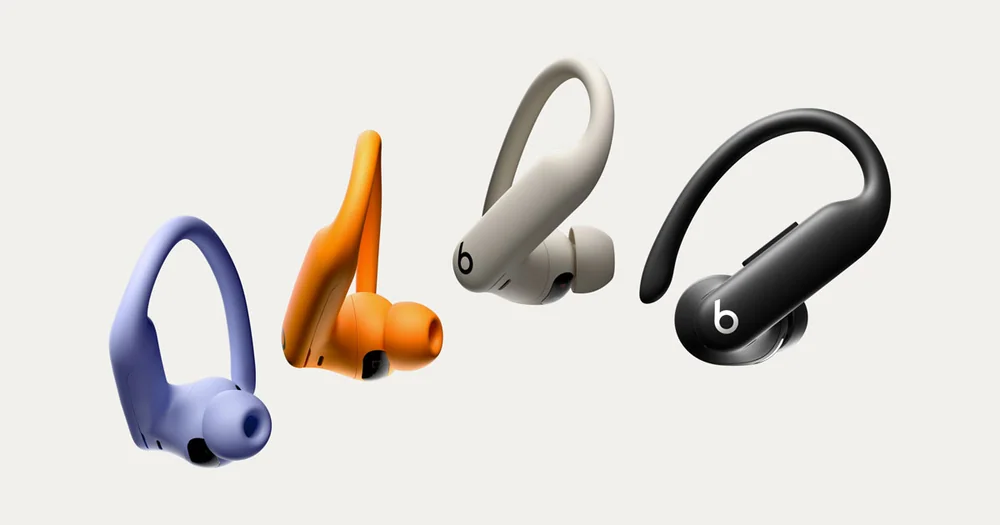
A running pair should stay put, handle sweat, keep controls usable, and give you the right amount of awareness for where you run.
Nothing ruins a good run quite like an earbud that starts inching loose before the warm-up is over. The right headphones fade into the background: they stay secure through sweat and stride changes, let you hear what you need to hear, and do not turn a gust of wind into a drum solo. For most runners, secure true wireless earbuds with a sweat-resistant rating are the practical choice for music and podcasts. Open-ear headphones are the better call when hearing traffic, cyclists, dogs, and other people matters more than blocking out the world. Pick the design for your route first, then judge fit, controls, battery, and call quality.
Reading time: 9 minutesBest for: Runners choosing between secure earbuds and open-ear headphones
Running headphones solve the distraction of gear that will not stay put
Fit is the first performance feature. A pair can have rich sound, strong noise cancellation, and a long battery claim, yet still be a bad running companion if one side needs a mid-run shove back into place. Running adds repeated impact, sweat, jaw movement, and the occasional adjustment of sunglasses or a hat. Those small motions expose a shape that was merely acceptable while standing still. Try to separate comfort from security, because they are not quite the same thing. A deeply sealed earbud may feel stable but create pressure after an hour. An open-ear model may feel almost absent but shift when you pick up the pace. Ear hooks, wings that brace against the outer ear, and several tip sizes can improve stability. The useful test is not whether a pair feels snug at the kitchen table. It is whether it remains comfortable and predictable after hills, sweat, and a few hard strides.
A secure fit also affects sound. Conventional earbuds rely on a seal between the tip and ear canal to produce bass and keep outside noise from overwhelming your music. When that seal loosens, bass thins out, volume creeps upward, and the temptation is to keep fiddling with the earbud. That is a poor bargain when your attention belongs on the route. Do not assume one brand's small, medium, and large tips will solve every fit issue. Tip material, nozzle angle, earbud weight, and the way the housing rests in the outer ear all matter. If your ears are different sizes, using different tips on each side can be sensible. A pair that needs constant correction is not a pair you will want to take on a long run, no matter how good it sounded in a short demo.
Open-ear headphones keep the route in the conversation
Open-ear headphones sit near the ear instead of sealing it. Some use a band or ear hooks to hold small speakers in place, leaving the ear canal open. That design is especially appealing for road running, busy paths, and walks where hearing approaching bikes, traffic, announcements, or a running partner is part of staying oriented. The tradeoff is simple: outside sound remains outside sound. You may hear a podcast clearly on a quiet neighborhood route, then lose parts of it beside a multilane road or in a windy park. Music can feel less full than it does through a sealed earbud, particularly in the bass. That is not necessarily a flaw. It is the consequence of choosing awareness over isolation, and for many runners it is exactly the point.
Sealed true wireless earbuds can work well on quieter routes, tracks, and treadmills, especially if you prefer a more immersive sound. Many offer a transparency mode, which uses microphones to feed some outside sound into your ears. It can be handy, but it is not identical to having an open ear. Wind, microphone processing, fit, and the setting you choose all affect how natural and useful that awareness feels. Avoid treating active noise cancellation as a running essential. Active noise cancellation, often called ANC, uses microphones and electronic processing to reduce steady sounds such as engine rumble or HVAC noise. It is more useful on flights, trains, and in offices than on a run. On a route where awareness matters, a sealed design with ANC can make the world feel farther away than you intend. Choose the amount of isolation your route can support, not the most impressive feature list.
Sweat resistance matters, but it is not a permission slip
Look for an IP rating when sweat and rain are part of the plan. An IP rating is a manufacturer-tested classification for resistance to dust and water. For running headphones, the water portion is the relevant clue: a rating that includes water resistance is more reassuring than a vague claim that a pair is "sport ready." Still, the letters and numbers do not make every kind of moisture harmless, and they do not mean the charging case has the same protection as the earbuds. Sweat is more than water. It carries salt, sunscreen, skin oils, and whatever else a humid July morning has in store. After a run, wipe the earbuds and charging contacts with a soft dry cloth before returning them to the case. Letting wet earbuds sit against the case contacts can lead to unreliable charging, which is a particularly annoying discovery when you are already laced up.
Do not confuse water resistance with a reason to rinse headphones under a faucet or wear them in a shower. The rating applies only under specific conditions, and damage can come from heat, soap, pressure, or a compromised seal. If you run in heavy rain often, check the product's stated rating and care instructions rather than assuming every workout model is built for the same weather. The physical design matters here, too. Ear hooks and larger housings can collect sweat around the ear, while compact earbuds may be easier to dry and store. Neither approach is automatically better. The practical question is whether you will actually do the small bit of care that keeps the pair working: wipe them down, keep the case dry, and occasionally clear debris from the charging contacts and ear tips.
Controls should work when your hands are moving
A control scheme that feels clever indoors can become maddening at a run. Touch controls may mistake sweat, hair, a hood, or an attempt to reseat an earbud for a command. Physical buttons are easier to locate without looking, but they can push the earbud deeper into the ear when pressed. Neither is universally superior. What matters is whether you can pause, skip, adjust volume, or change awareness settings without breaking stride. Prioritize the commands you actually use. A runner who queues a long playlist may only need pause and volume. Someone moving between roads and quiet trails may care more about switching from a more isolated setting to an awareness mode. If the controls require a precise double tap, a long hold, and a memorized sequence, they may be less useful when your fingers are cold or your attention is split.
Wind changes the equation. It can rush across microphones used for calls, transparency modes, and noise cancellation, creating a low roar or making outside sound seem oddly distorted. This is one reason a transparency mode that sounds convincing in a quiet room may be less pleasant at pace. Open-ear designs avoid some of that microphone-dependent awareness, though wind can still compete with the audio reaching your ears. Call quality deserves a realistic expectation. Headphone microphones can be perfectly adequate for a quick check-in, but wind, traffic, and footfall are difficult conditions. If you regularly take work calls while running, look for models that emphasize wind handling and keep your expectations modest. A clear call from a calm room says little about a breezy intersection.
Battery claims need to cover your actual longest run
For true wireless earbuds, separate single-charge battery life from the larger total quoted with the charging case. The case is useful for a week of short runs, but it cannot help if the earbuds themselves do not last through your long run, race day, or commute-plus-workout routine. "All-day" figures can also change with volume, calls, ANC, transparency mode, and other processing turned on. Build in a little margin. If your longest outing is two hours, a claimed two-hour runtime is not a comfortable fit once battery aging and feature settings enter the picture. A case with quick charging can rescue a forgotten charge before a short run, but it is not a substitute for enough single-charge runtime. Wired headphones avoid charging altogether, though their cable can be distracting and your phone still needs power.
Connection reliability matters as much as battery. Bluetooth is the wireless connection used by most running headphones, and it is usually dependable with a phone carried in a pocket, belt, or armband. Body position can still interfere, especially if the phone is on the opposite side from the earbud antenna. Dropouts are more irritating on a run than at a desk because there is no graceful way to troubleshoot them while moving. Do not overvalue Bluetooth codec labels for this job. A codec is the method used to compress and send audio wirelessly, and options such as AAC, SBC, aptX, and LDAC can affect compatibility and sound quality. For running, a stable connection, a secure fit, and tuning you enjoy at a safe volume will usually matter more. The best-sounding theoretical connection is not much comfort when one earbud keeps cutting out.
Your route should decide the final tradeoff
A treadmill runner can reasonably prioritize a sealed earbud, stronger bass, and a more immersive sound. A runner on quiet park paths may want the same, perhaps with an awareness mode for occasional crossings. A runner sharing roads, mixed-use trails, or crowded city sidewalks has a stronger case for open-ear headphones or a deliberately less isolating setup. The route is not a footnote. It determines what "better" means. Think about the rest of your routine as well. Glasses can conflict with ear hooks. Long hair can brush touch controls. A winter hat may make a headband or hook feel awkward. If you run after work, the charging case needs enough reserve to avoid becoming another thing to remember. If you use one pair for commuting and workouts, you may accept a compromise that a dedicated running pair would not require.
Before committing, make a short personal checklist: the route, the longest session, the weather you run in, whether you need calls, and how much outside sound you want available. Then choose the form factor that answers those questions with the fewest workarounds. A conventional earbud is often the versatile choice. An open-ear design is often the calmer choice for awareness. Neither needs to win every category to be right for your run. Finally, keep volume sensible. Turning music up to overpower traffic, wind, or a poor seal can leave you less aware and make listening tiring. If you repeatedly need more volume to enjoy a pair outdoors, the issue may be the route, the fit, or the design rather than the recording. Good running headphones support the run. They should not become the main event.
What this guide helps you understand
Choose running headphones by route and fit first: secure sealed earbuds suit more isolated listening, while open-ear designs make more sense when awareness is part of the run.
Wear the headphones through a few minutes of jogging, head turns, and sunglasses or hat adjustments before deciding the fit is secure.
Check the stated water-resistance rating for the earbuds and confirm whether the charging case has separate protection.
Compare single-charge runtime with your longest run using the listening settings you expect to use.
Make sure the controls can pause audio and adjust the setting you need without looking at your phone.
Technique notes
A charging case adds total battery reserve, but it does not extend the earbuds' uninterrupted runtime during a run.
A transparency mode can be useful, but wind and microphone processing may not feel as natural as an open-ear design.
Clean and dry earbuds before placing them back in the case, especially after hot or rainy runs.
Safety note: Keep enough awareness for your route, obey local rules, and avoid using headphones in situations where you need to hear hazards or instructions clearly.