
What to know first
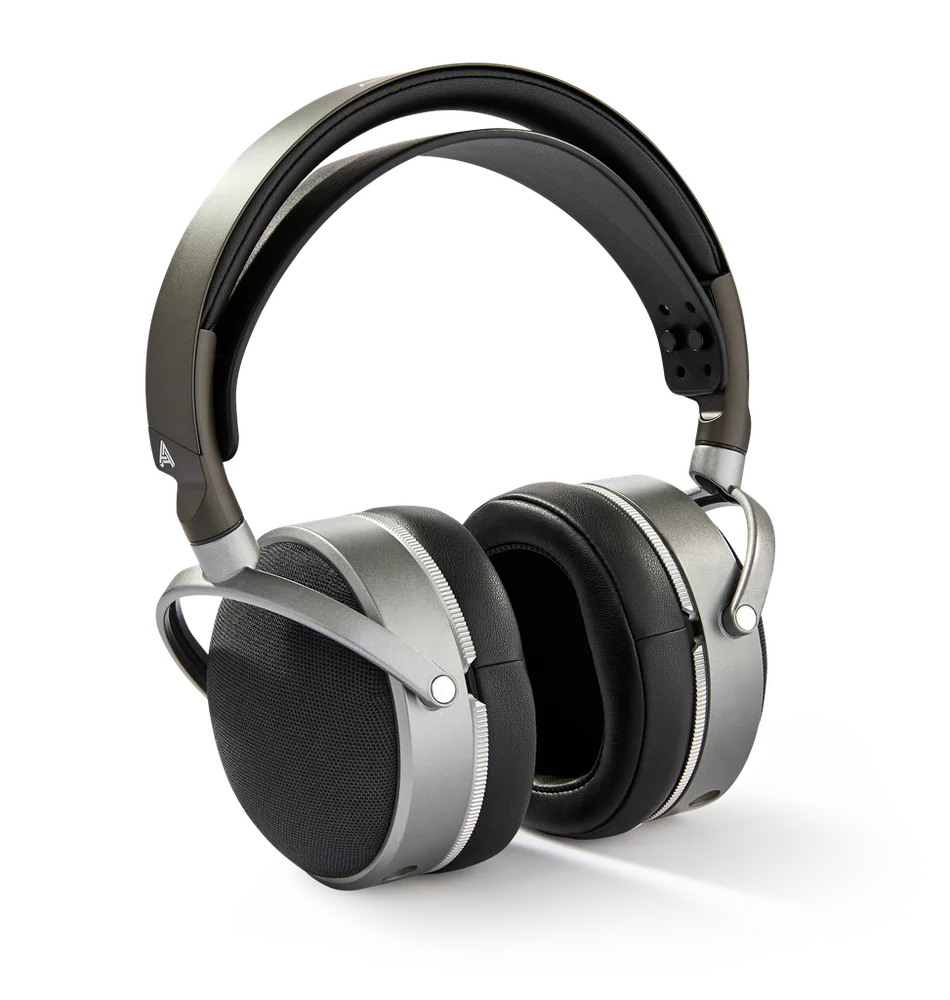
- Closed-back planar magnetic design, a first for Audeze at this price point
- Uses SLAM acoustic chamber technology adapted down from the flagship CRBN2
- 90mm planar drivers with Fluxor neodymium magnets, Fazor waveguides, and Uniforce voice coils
- Claimed frequency response of 10Hz to 40kHz
- User-removable, magnetic earpads instead of glued or fixed pads
- Single-sided cable connects to either the left or right earcup
Audeze's answer to the closed-back gap in its lineup
Audeze built its name on open-back planar headphones like the LCD-X and LCD-2, models that studios use for mixing precisely because they sound honest and spacious. The trade-off with an open back is that sound leaks in both directions: you hear the room, and the room hears your headphones. That's fine at a mixing desk. It's a problem when you're tracking a vocalist and don't want the headphone bleed picked up by a nearby microphone.
The LCD-S20 exists to close that gap. It's built on the same chassis as Audeze's Maxwell gaming and spatial audio headset, which gives it a proven, evaluated shape rather than a from-scratch design.
This isn't a headphone chasing wireless convenience or noise cancellation features. It's a wired, closed-back planar headphone aimed squarely at people who care about what's happening in the signal, whether that's a producer double-checking a low end or a home listener who wants more detail than a typical closed-back pair delivers.
SLAM technology, minus the flagship price tag
The headline feature is SLAM, short for symmetric linear acoustic modulator, a set of tuned acoustic chambers Audeze first introduced in 2024 on the CRBN2, an electrostatic headphone that costs many times what the LCD-S20 does. The idea is to let the driver's diaphragm move more freely and accurately while selectively reinforcing low frequencies, which in plain terms means better bass extension and texture without the driver working against a sealed chamber's air pressure.
That matters more in a closed-back design than an open one, because sealing the earcup traps air behind the diaphragm and can make bass sound boxy or congested if the chamber isn't engineered around it.
The driver itself is a 90mm planar magnetic design using Audeze's Fluxor neodymium N50 magnets, Fazor waveguides, and Uniforce voice coils, all technology drawn from the company's higher-end lineup rather than a simplified budget version. Combined with a claimed frequency response of 10Hz to 40kHz, on paper this is a driver built to reach both the sub-bass rumble and the upper treble air that cheaper planar headphones often can't touch.
Living with a headphone built to be repaired, not replaced
Two design choices set the LCD-S20 apart in daily use. The earpads are magnetic and user-removable, so swapping them for cleaning, replacement, or a different pad material doesn't require tools or a trip back to the manufacturer. That's a meaningful difference from headphones with glued-in pads that degrade and can't be replaced without professional help.
The cable is single-sided and can plug into either the left or right earcup, which sounds like a small detail until you're setting up a workstation and want the cord running away from your mixing surface instead of across it. It's a flexible-enough setup for people who've spent time adjusting cable routing around a desk or a rack.
Weight is the one thing worth flagging before you buy. Planar magnetic drivers are inherently heavier than dynamic drivers, and closed-back Audeze models carry that reputation. In practice, a well-balanced headband and earcup design can make that weight fade into the background during a session, but if you already know you're sensitive to heavier over-ear headphones, it's worth trying one on before committing to long listening sessions.
What the LCD-S20 doesn't do
This is a wired headphone with no Bluetooth, no active noise cancellation, and no built-in microphone for calls. If you were hoping to use it as an everyday commuter headphone or a wireless work-from-home pair, it isn't built for that job and Audeze isn't positioning it that way.
Planar magnetic drivers, even efficient ones, tend to reward a stronger source than a phone's headphone jack or a laptop's built-in output. Audeze hasn't published specific impedance or sensitivity figures for the LCD-S20 in the materials available, but the broader planar category generally benefits from a dedicated headphone amplifier or a DAC/amp combo rather than a bare phone connection. Budget for that if you don't already own one.
It's also worth being clear on what you're buying versus Audeze's open-back models. If soundstage width and that classic wide-open Audeze presentation is what you're after, the LCD-S20's closed-back design will sound more intimate and forward by comparison. That's the trade-off for isolation, not a flaw, but it's a different listening experience than an LCD-X or LCD-2.
The specs that matter
Planar drivers generally deliver more detailed, accurate sound than typical dynamic drivers found in headphones at this price, which is the core reason to consider Audeze over a mainstream closed-back option.
This is meant to let the diaphragm move more freely inside a sealed earcup, addressing the boxy bass that closed-back headphones can suffer from.
These are the same driver-technology building blocks Audeze uses in pricier models, not a stripped-down version made for a budget line.
A wide claimed range suggests the driver can reach deep sub-bass and extended treble, though how audible the extremes are still depends on your ears and source gear.
You can swap or clean pads yourself without tools, extending the usable life of the headphone instead of retiring it when pads wear out.
Lets you route the cable away from your body or workstation based on how you sit or where your gear is positioned.
The fit and build have already been proven in another product line rather than being an unproven first attempt at this shape.
The driver, the most expensive and failure-prone part, carries longer coverage than accessories like the cable.
Who this product fits
Home studio vocalist tracking without bleed
The closed-back seal keeps headphone output from leaking into a nearby microphone during a take, something Audeze's open-back models can't do, while the SLAM-tuned driver still delivers the detail engineers expect from the brand.
Mixing engineer who wants a second reference point
Paired with studio monitors, the LCD-S20 gives a closed-back check on a mix in a room that isn't acoustically treated, useful for late-night sessions or apartment setups where speakers aren't practical.
Home listener upgrading from a mainstream closed-back headphone
Someone coming from a typical dynamic-driver closed-back headphone should notice more texture in the low end and clearer separation between instruments, especially once paired with a proper headphone amp or DAC.
Commuter or gym-goer looking for a daily wireless pair
This isn't the right tool for that job. No Bluetooth, no ANC, and a planar driver that wants a real amp make it a poor fit for on-the-go listening.
What else to compare
A few other paths are worth weighing depending on what you actually need day to day.
Audeze LCD-S20 FAQ
Is the Audeze LCD-S20 good for gaming?
It shares a chassis with Audeze's Maxwell gaming headset, so the fit and build are proven for long sessions, but the LCD-S20 itself is a wired headphone without the wireless connectivity or mic setup that a dedicated gaming headset offers.
Does the Audeze LCD-S20 need an amplifier?
Audeze hasn't published specific impedance or sensitivity numbers for this model, but planar magnetic headphones as a category generally sound better with a dedicated headphone amp or DAC/amp than plugged straight into a phone or laptop.
What's the difference between the LCD-S20 and Audeze's open-back models like the LCD-X?
The LCD-S20 is closed-back, which isolates sound in both directions and suits recording or shared spaces, while open-back models like the LCD-X trade that isolation for a wider, more spacious soundstage that's less practical for tracking or noise-sensitive rooms.
Can you replace the earpads on the LCD-S20?
Yes. The earpads attach magnetically and are designed to be removed and replaced by the user, without needing to send the headphone in for service.
What does SLAM technology actually do?
SLAM stands for symmetric linear acoustic modulator, a set of tuned acoustic chambers first developed for Audeze's CRBN2 flagship electrostatic headphone. On the LCD-S20 it's meant to let the driver move more freely inside a sealed earcup, improving bass accuracy in a design that would otherwise fight against trapped air.
Is the Audeze LCD-S20 worth it over a cheaper closed-back headphone?
If you specifically want planar magnetic detail in a closed-back shell, there isn't much competition at this price. If you just want a solid all-purpose closed-back headphone and don't care about planar drivers specifically, a mainstream dynamic-driver option may serve you just as well for less money and more convenience.
Who actually needs this closed-back Audeze
Audeze didn't build the LCD-S20 to be a lifestyle headphone, and it shows. There's no Bluetooth, no ANC, no built-in mic, just a serious attempt to bring planar magnetic detail into a sealed earcup at a price that undercuts the company's flagship gear by a wide margin. That focus is exactly why it's worth taking seriously if closed-back monitoring or isolation is genuinely part of your daily routine.
For engineers, musicians, and home listeners who care more about accuracy than convenience features, the LCD-S20 offers a rare combination: Audeze's driver technology and a design that finally doesn't leak sound into the room. If your listening life revolves around commuting, calls, or wireless freedom, this isn't your headphone. If it revolves around a desk, a mic, or a quiet room where you actually want to hear what's in the mix, it's one of the more interesting closed-back options Audeze has made.