
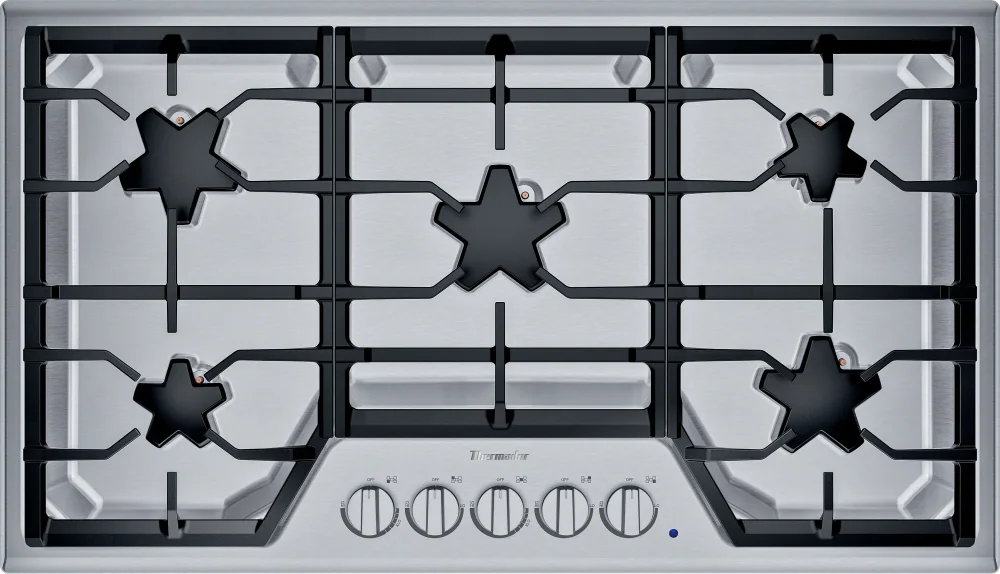
Gas cooktop
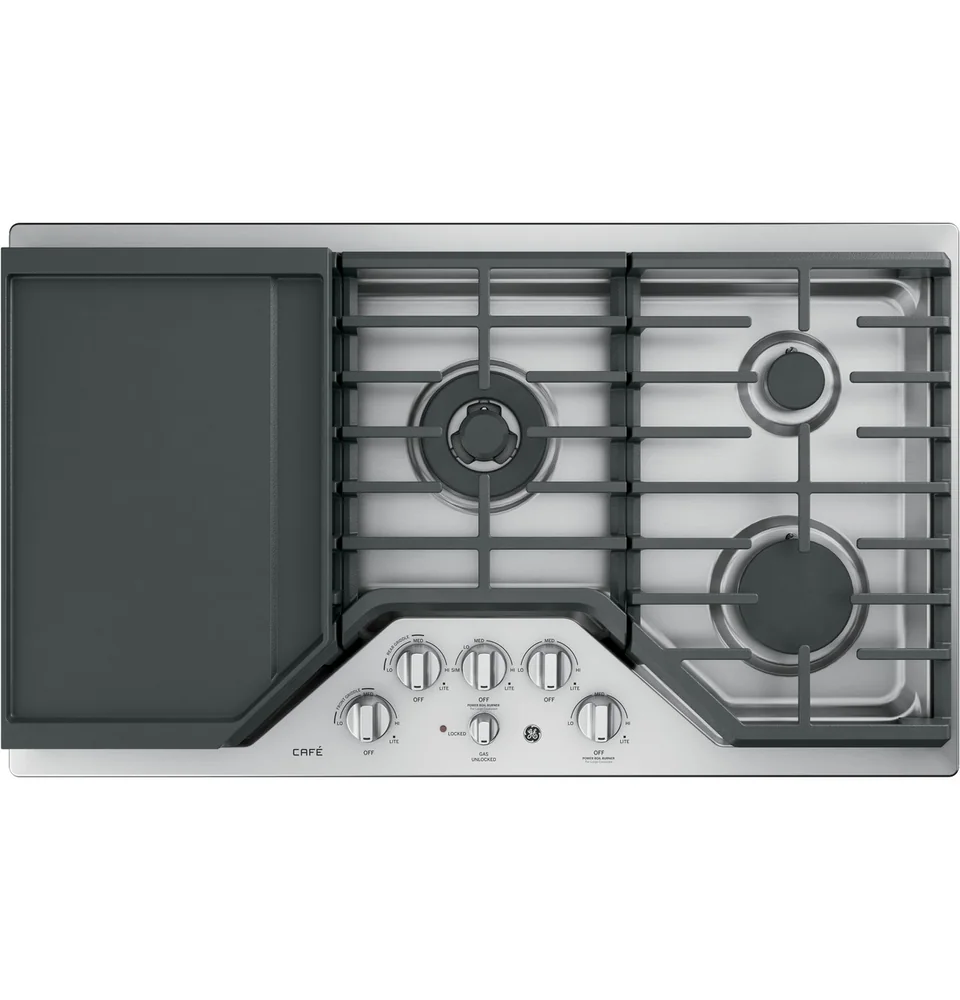
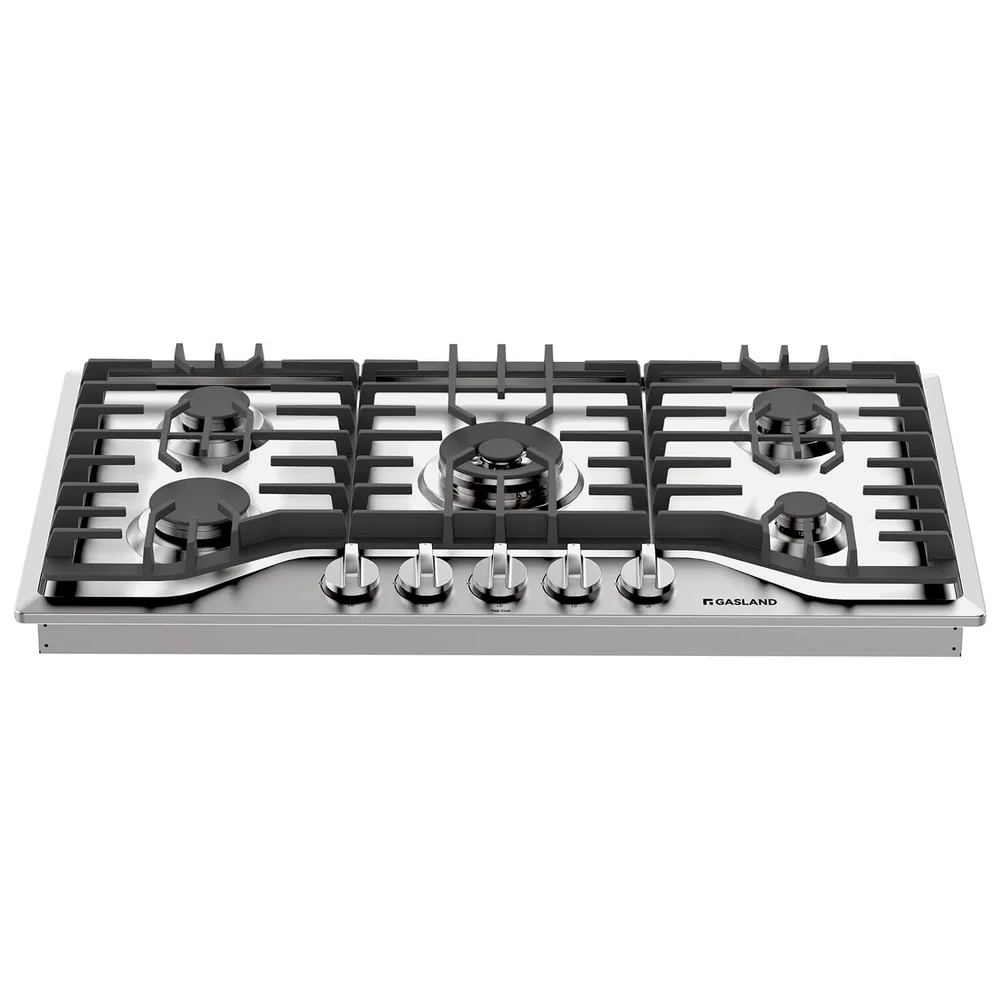
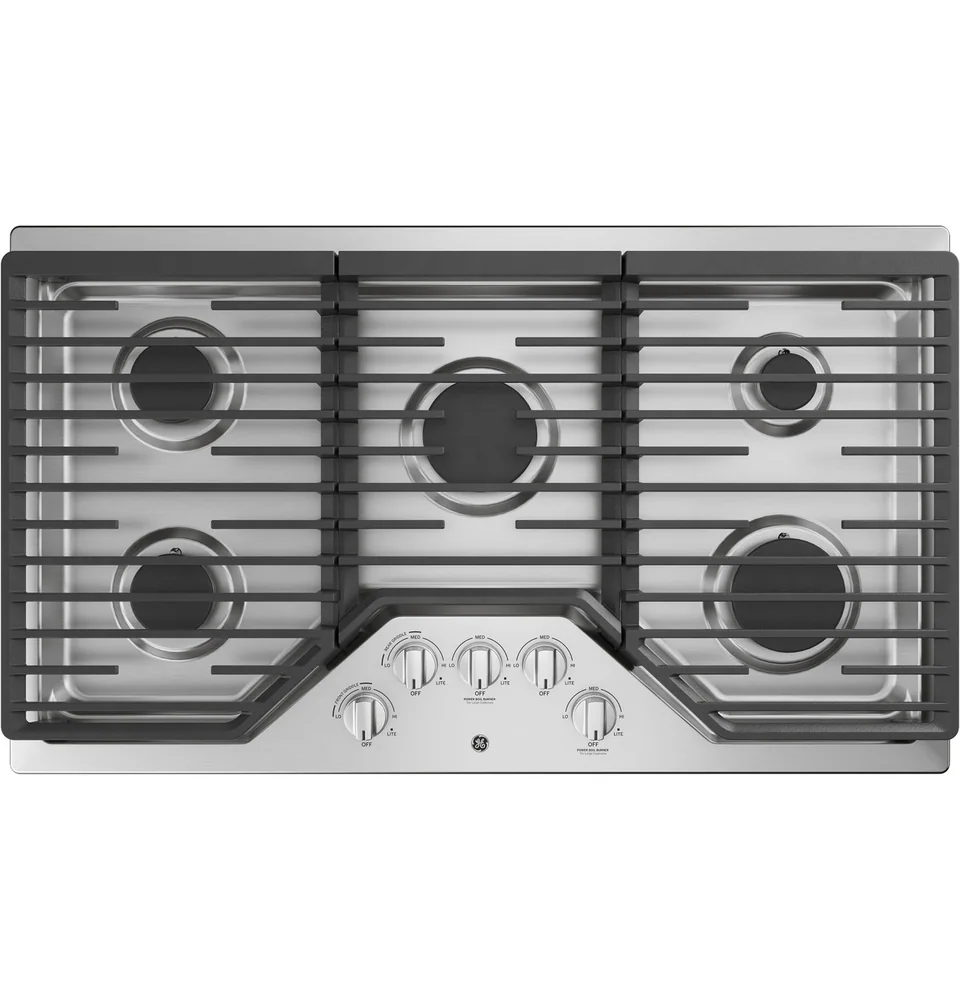
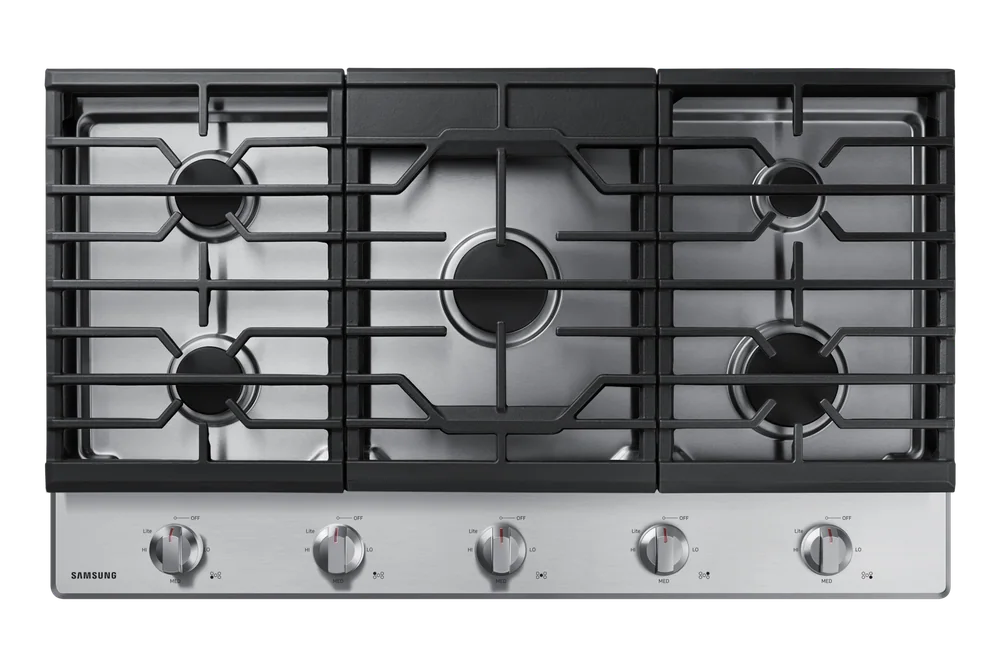
Gas flows to burners and ignites to create an adjustable flame.
Best for: Cooks who like instant visual feedback, use a wide range of cookware, and want strong high-heat options like stir-fry and searing.
New buying guides and full reviews, by email.
Cooktop Research
Cooktops give you a dedicated cooking surface when you do not want a full range or you are pairing with a wall oven. This Cooktops guide explains the real differences between gas, electric, and induction, plus the sizing, power, and cleaning details that affect daily cooking.
A cooktop is the built-in stovetop portion of a kitchen range, installed into a countertop cutout. People choose cooktops when they want a wall oven setup, need a specific width like 36 inches, or want a cooking surface that fits their cookware and cooking style better than a standard range. The big decision is the heat source: gas gives visible flame control, electric radiant uses heated elements under a glass surface, and induction uses a magnetic field to heat the pan itself.
What changes performance is not just "more burners." Burner or element power affects how fast you boil and how well you sear, while low-end control affects whether you can hold a steady simmer without scorching. Layout matters too: a cramped control panel, burners that are too close together, or a bridge element you never use can make a large cooktop feel smaller than it looks. Ownership is mostly about cleanup, ventilation, and fit. Gas asks more of you day to day because grates and burner parts collect spills. Glass-top electric and induction wipe down faster, but they can show scratches and need the right cleaning habits to stay looking good.
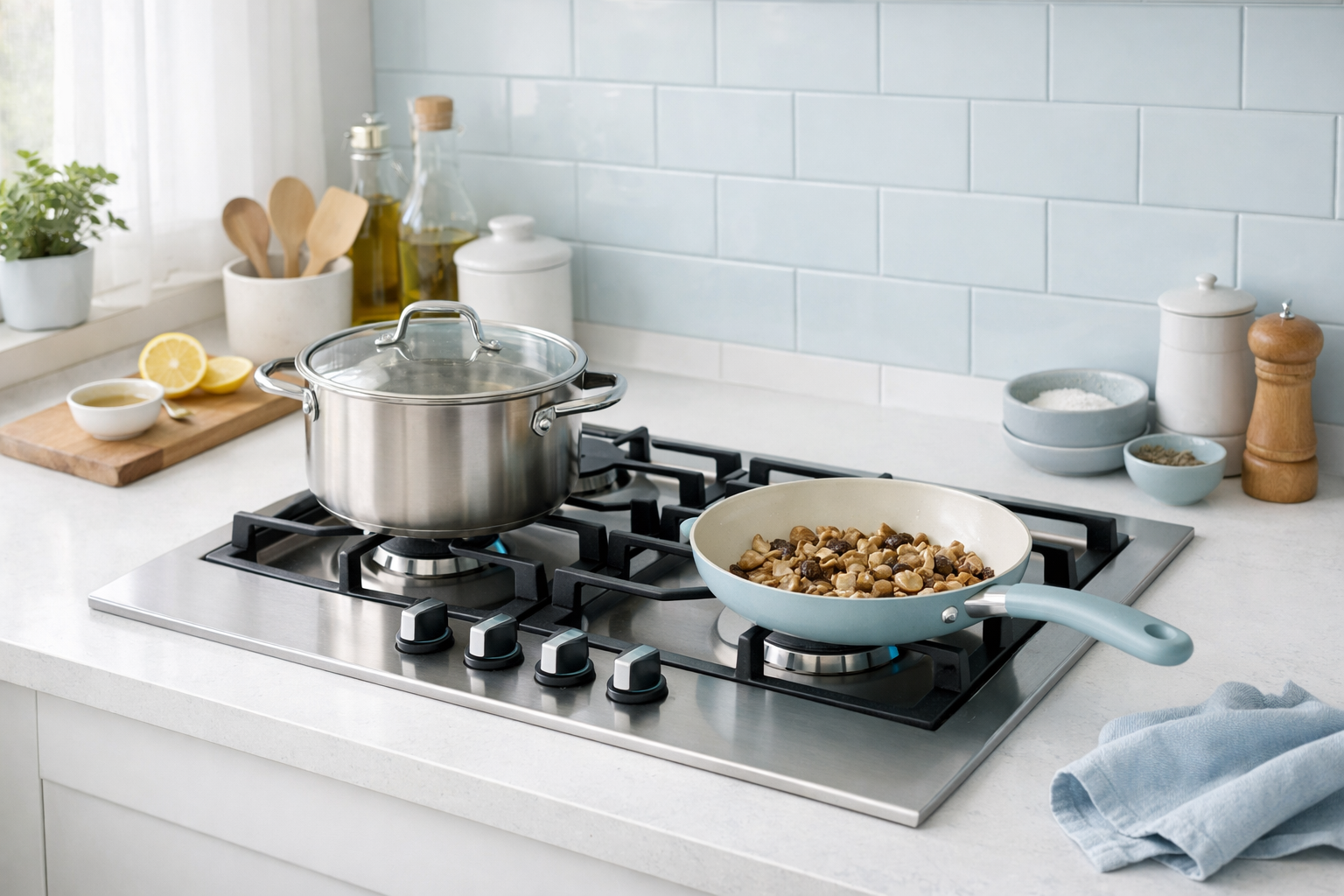
Gas flows to burners and ignites to create an adjustable flame.
Best for: Cooks who like instant visual feedback, use a wide range of cookware, and want strong high-heat options like stir-fry and searing.
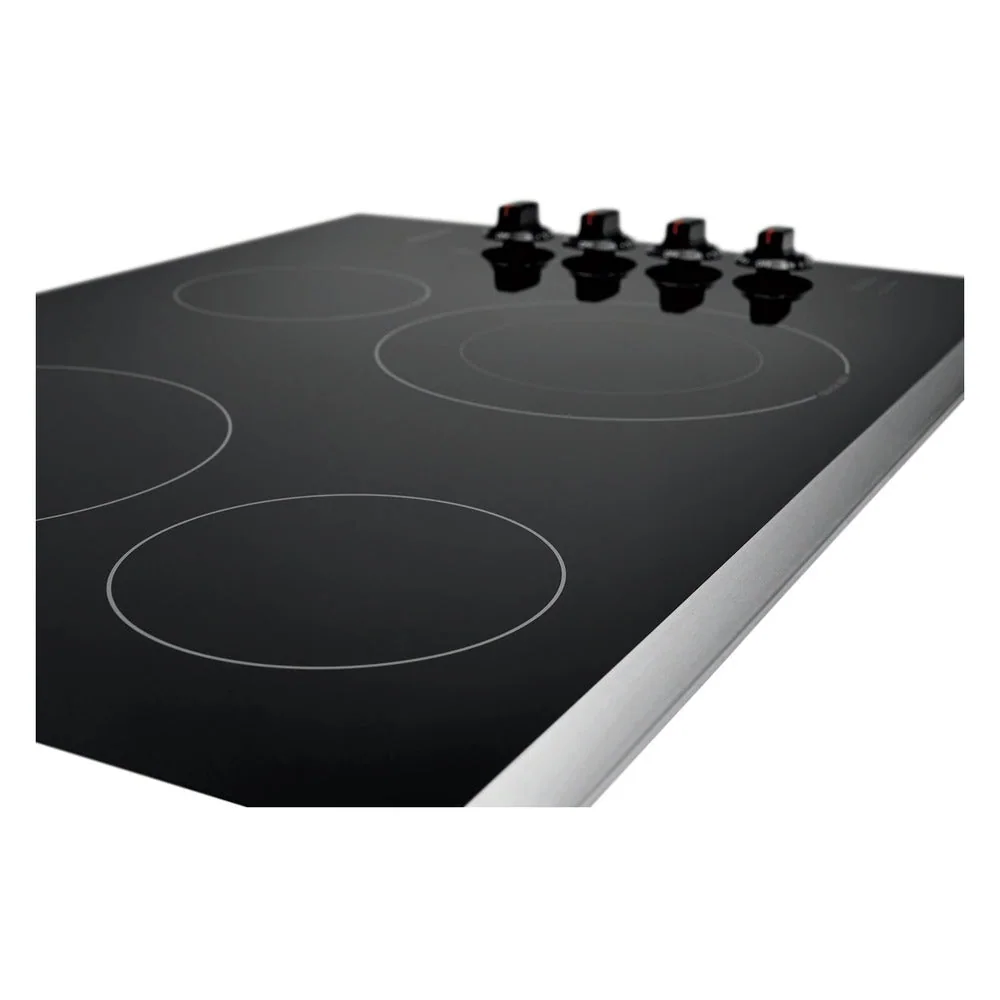
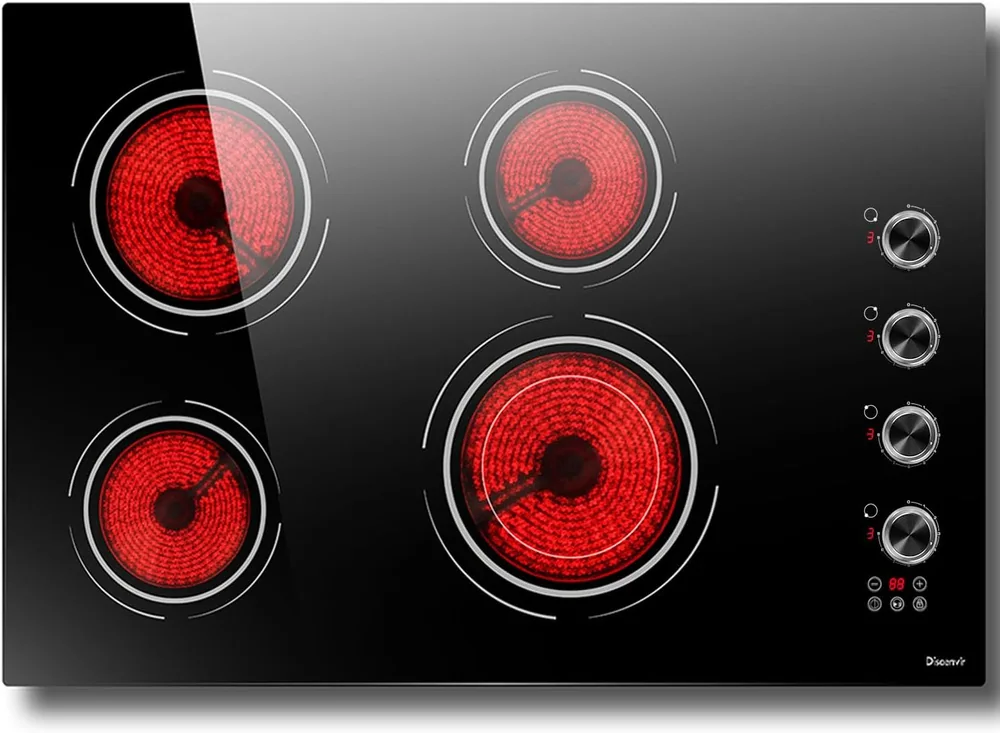
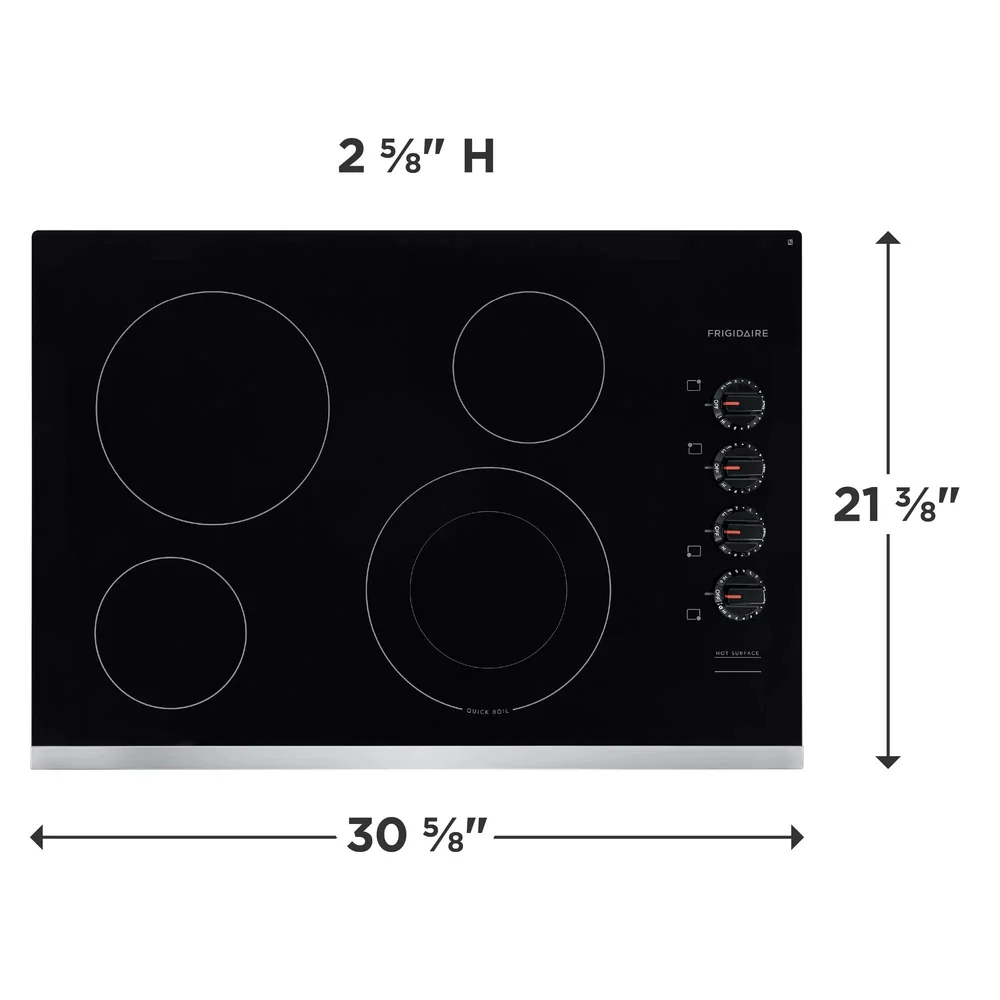
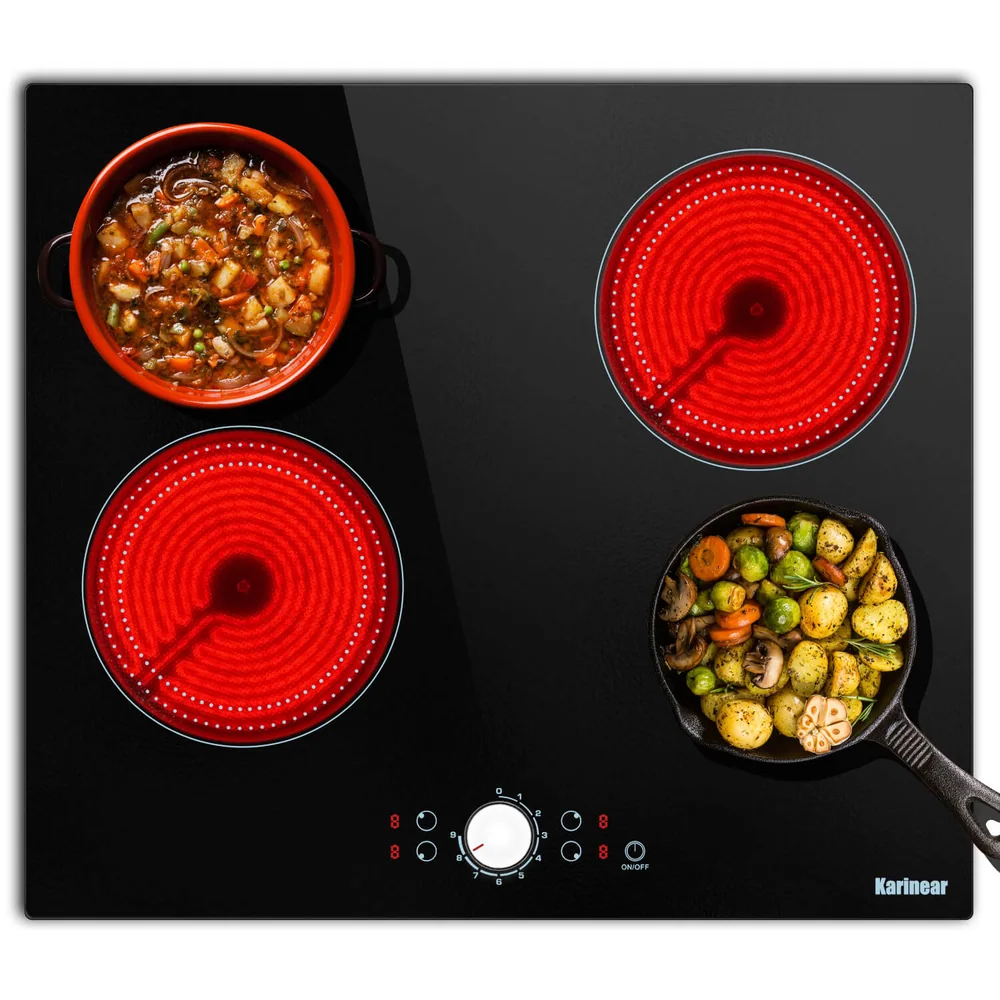
Electric elements heat up under a smooth glass-ceramic surface, then transfer heat to the pan.
Best for: Shoppers who want a smooth surface that wipes clean and do not need the fastest response to heat changes.
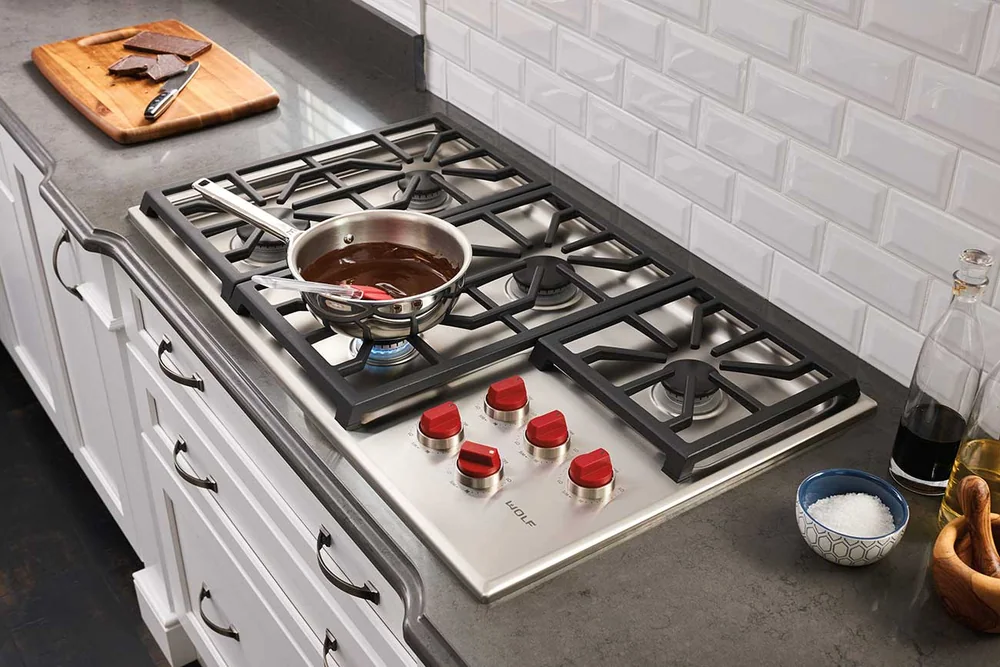
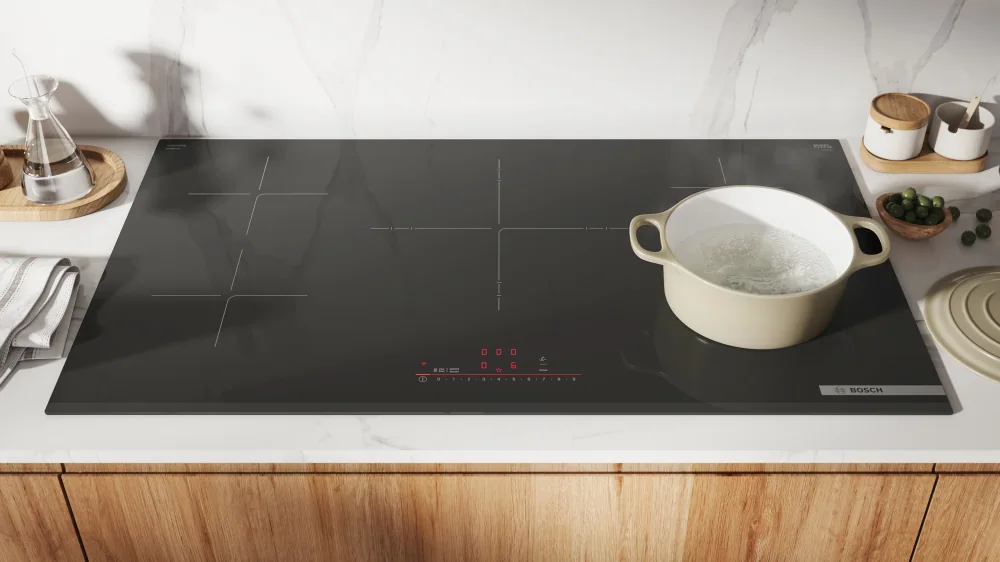
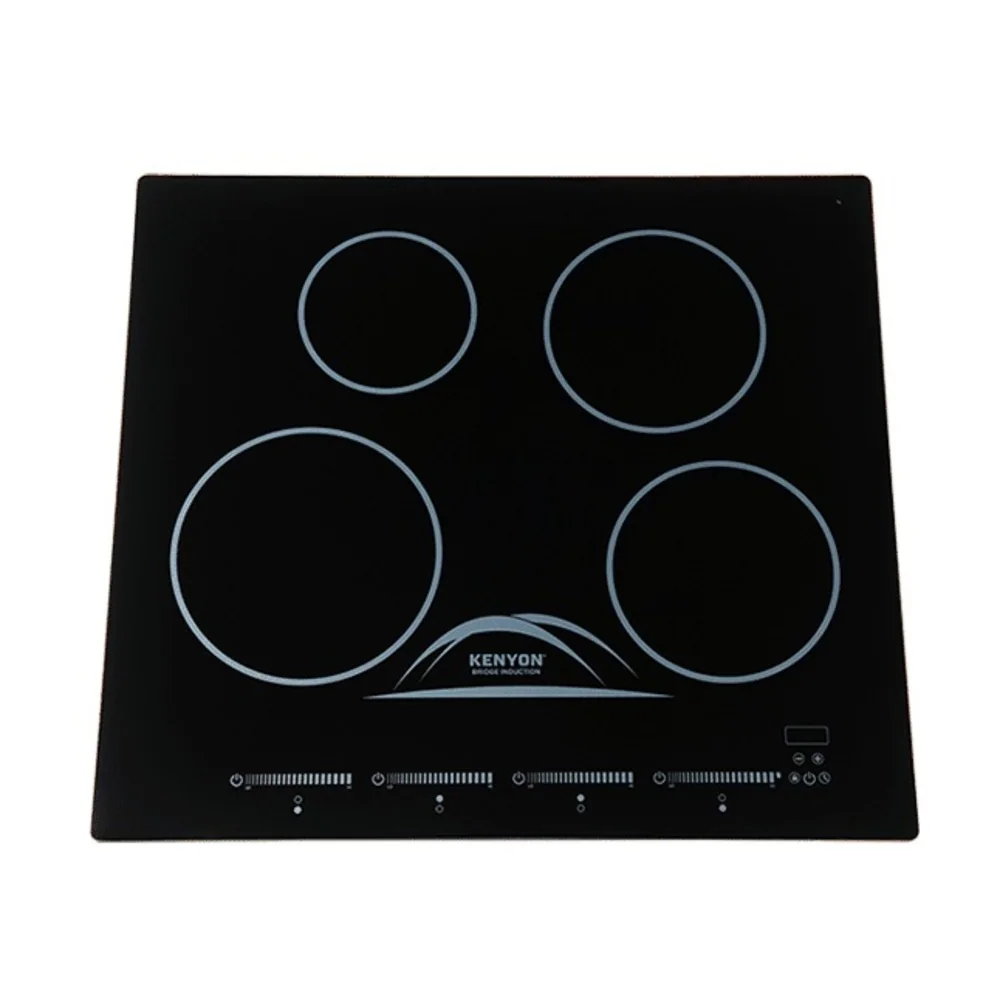
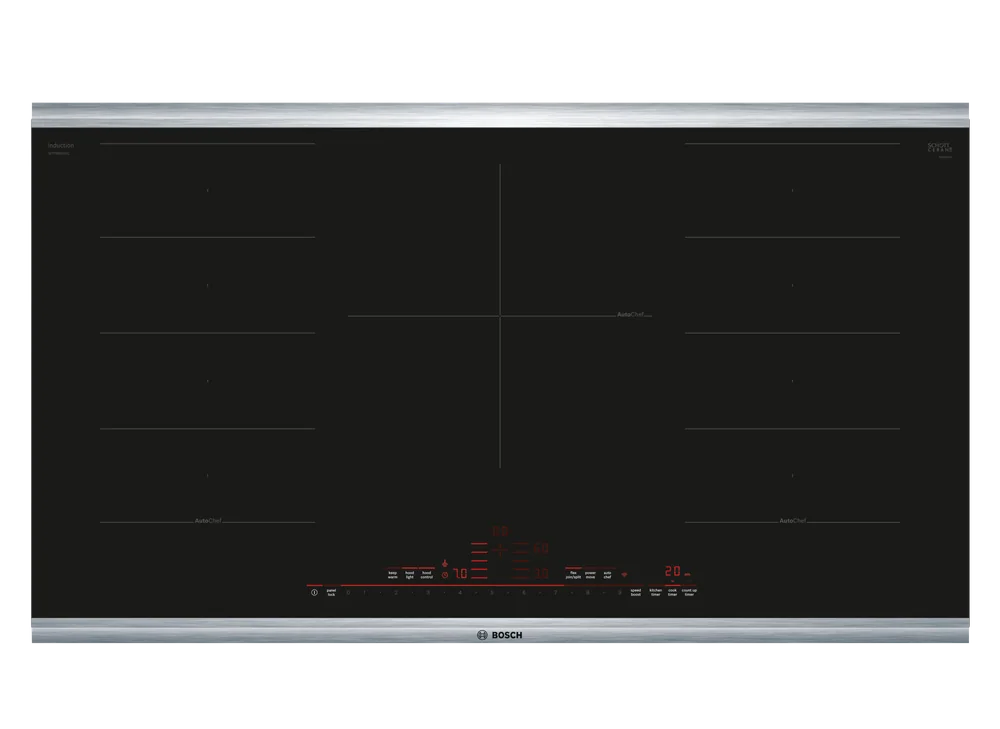
A coil under the glass creates a magnetic field that heats compatible cookware directly, while the surface stays relatively cooler.
Best for: Busy kitchens that want fast boiling, strong control, and easier cleanup, and already have or are willing to buy induction-ready cookware.
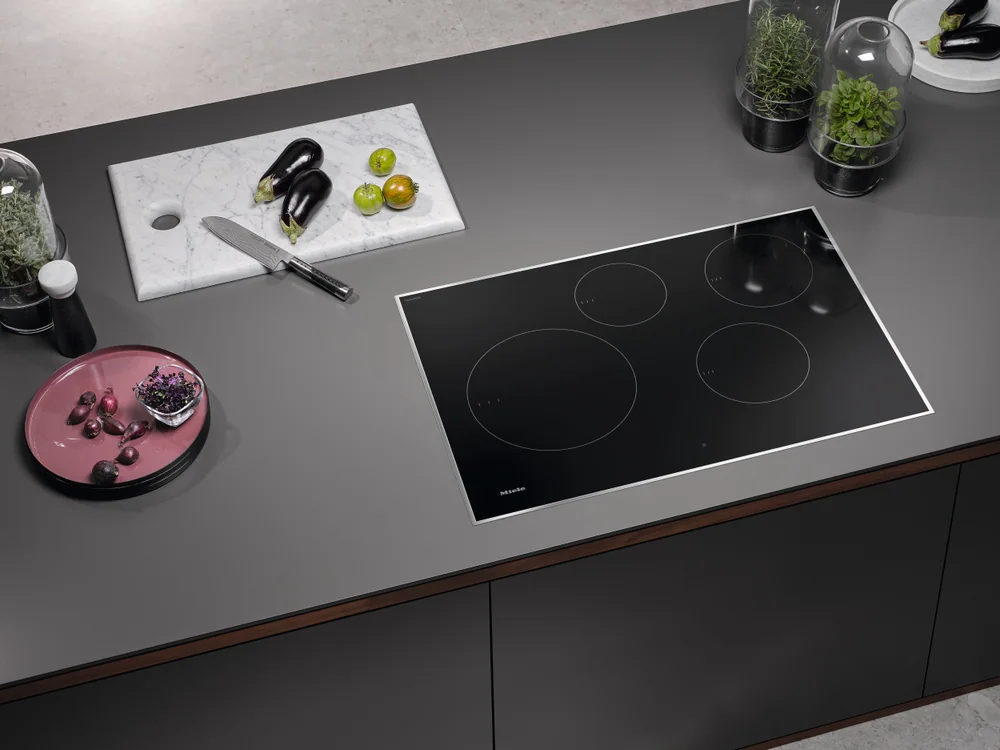
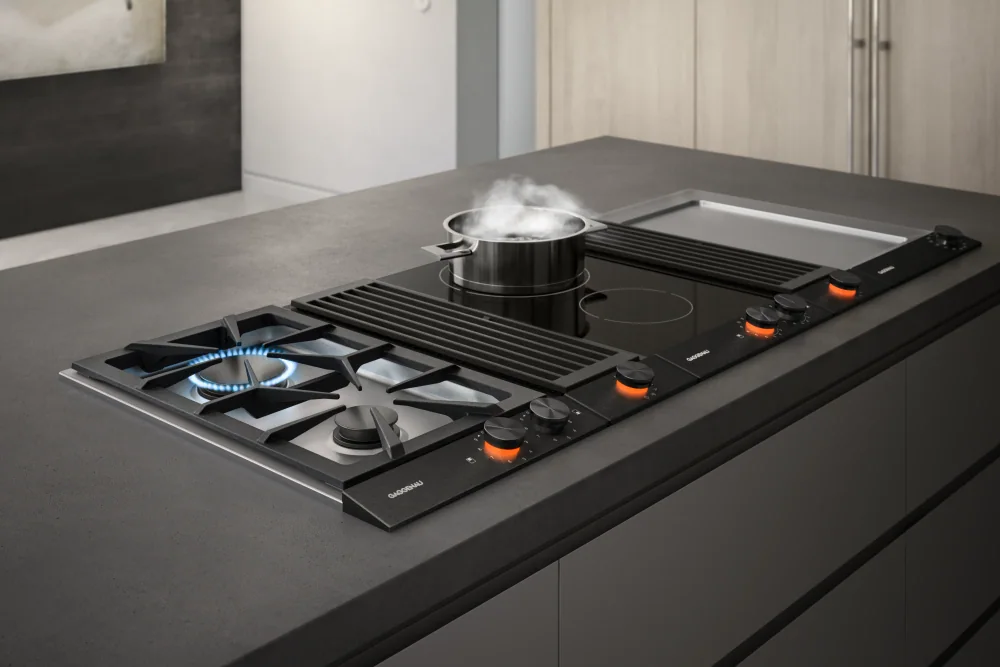
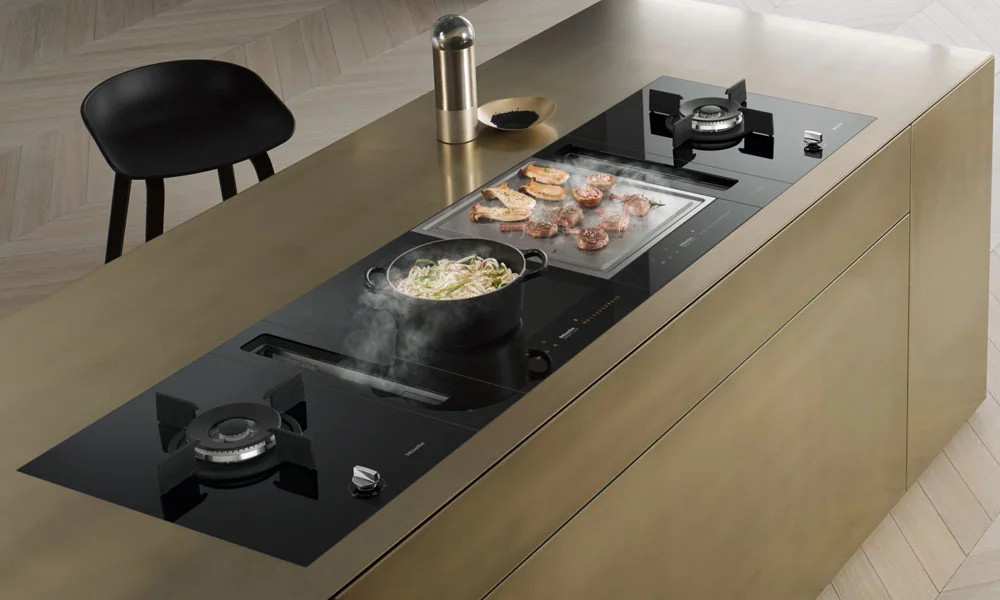
Narrow modules combine different cooking zones, like a two-burner gas module next to induction or a griddle module.
Best for: Custom layouts, small kitchens, or remodels where you want specific functions instead of a full-width traditional layout.
Product reviews
Start with the newest reviews and substantial refreshes, then open the complete directory when you need a specific model.
Pickori may earn a commission from affiliate links.
Practical ownership help
Practical help for choosing, installing, using, and maintaining a cooktop without surprises.


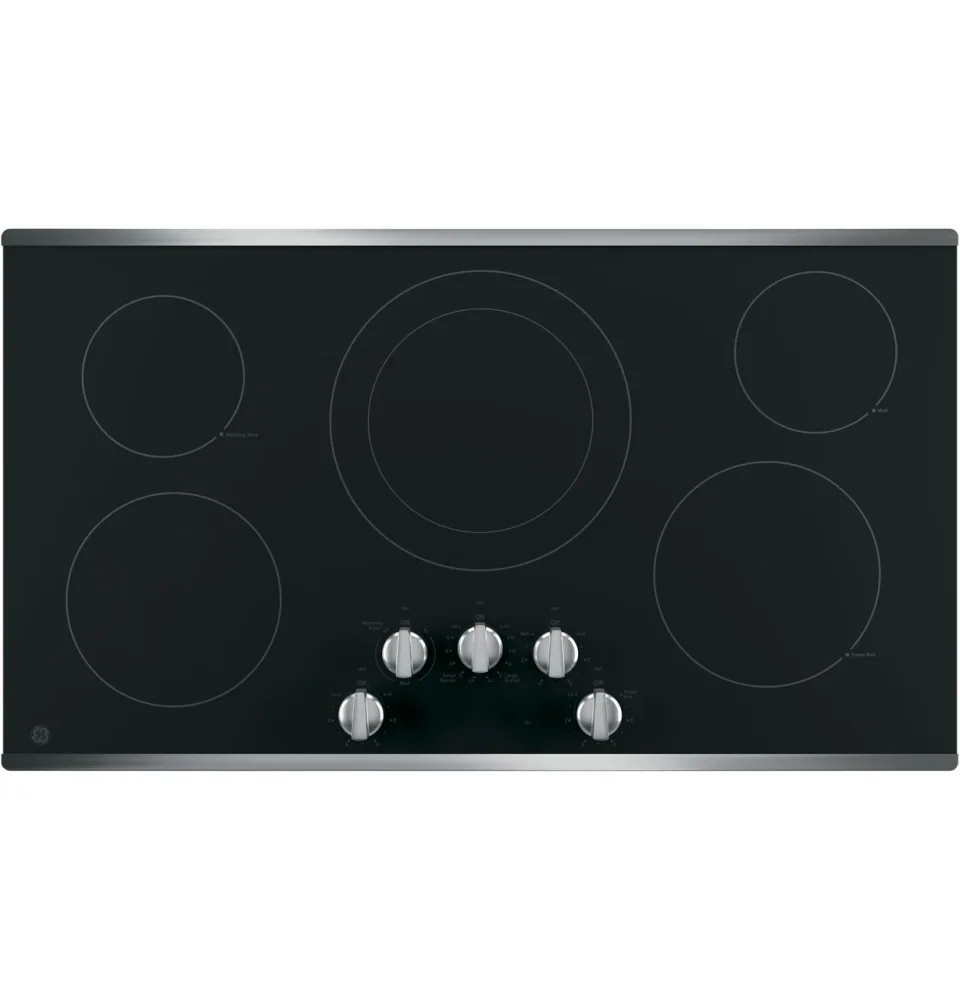
Learn the Category
Plain-English guides to sizing, features, setup, maintenance, and the questions that change which cooktop makes sense.

These specifications affect how cooktops perform, fit, and feel to own after the first week.
The cooktop's overall width (commonly 30 or 36 inches) and the countertop opening it requires.
Why it matters: This determines whether it will physically fit your counter and cabinet base. A "30-inch" cooktop does not mean a universal cutout, so replacing an older unit often comes down to matching the cutout and clearance requirements.
Gas cooktops still need electricity for ignition and controls. Electric and induction need the correct voltage and amperage circuit.
Why it matters: This can add cost and complexity. A great cooktop is a bad buy if your kitchen cannot support the required hookup without electrical work or gas line changes.
The high-end output for boiling and searing and the low-end control for simmering.
Why it matters: High power helps with large pots and fast boiling. Low, steady control matters for sauces, melting chocolate, and keeping food warm without scorching. The useful range is what you feel every day.
How much heat, steam, and combustion byproducts your cooking produces and how your hood or downdraft handles it.
Why it matters: Gas especially benefits from strong ventilation. Poor ventilation can make a powerful cooktop unpleasant to use, and it can affect comfort, odors, and grease buildup in the kitchen.
"Easy to clean": Smooth glass can wipe clean quickly, but it also shows smudges and can scratch. Gas can be easy only if grates and burner caps lift off easily and the surface is shaped to keep spills from hiding in seams.
"Power burner": A single high-output burner is helpful, but layout matters. If the power burner is too close to the backsplash or crowds other burners, you may not be able to use it with your largest pan the way you expect.
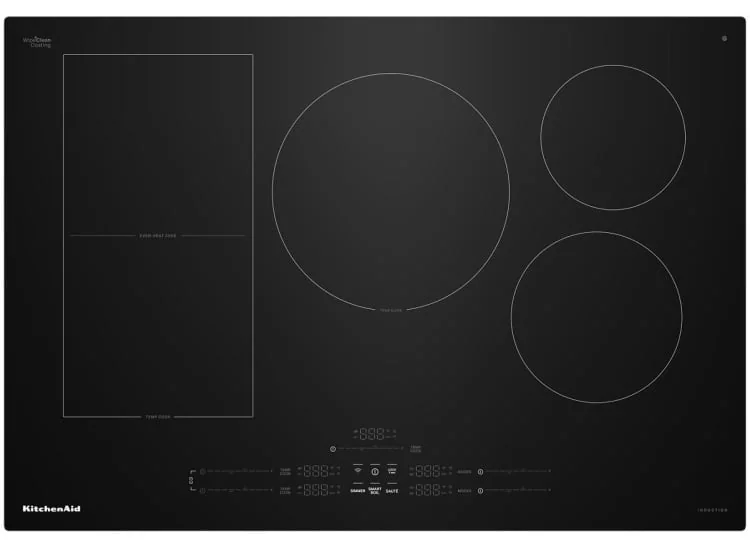
"Bridge element": A bridge element links two heating zones to better fit a griddle or long pan, but it works best when the zones are aligned and sized for your cookware. If you do not cook with a griddle, it may not change your day-to-day cooking at all.
Brands in the Category
Use these brand notes to narrow the field, then open the linked reviews for the model-specific details.
Bosch shows up in this cooktops collection with multiple induction options plus a gas model that emphasizes controlled low heat. The reviewed lineup is especially relevant for remodels where layout flexibility and installation clarity matter.
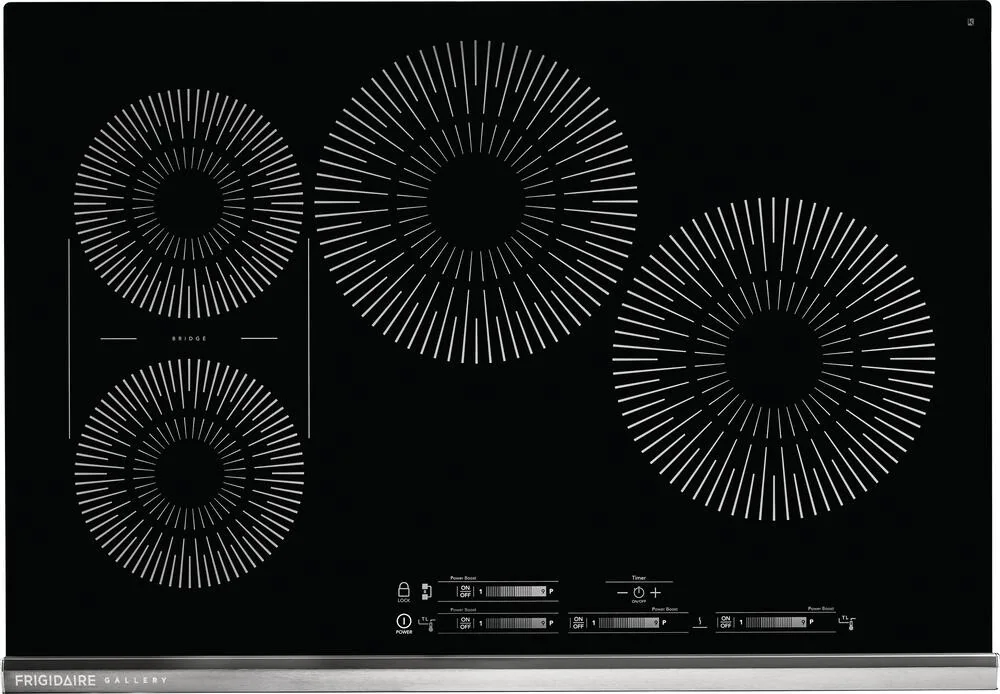
Frigidaire covers the practical end of the category, from budget-friendly replacements to a higher-power induction option with a layout that supports griddle-style cooking. The reviewed models focus on getting the basics right without forcing you into premium pricing.
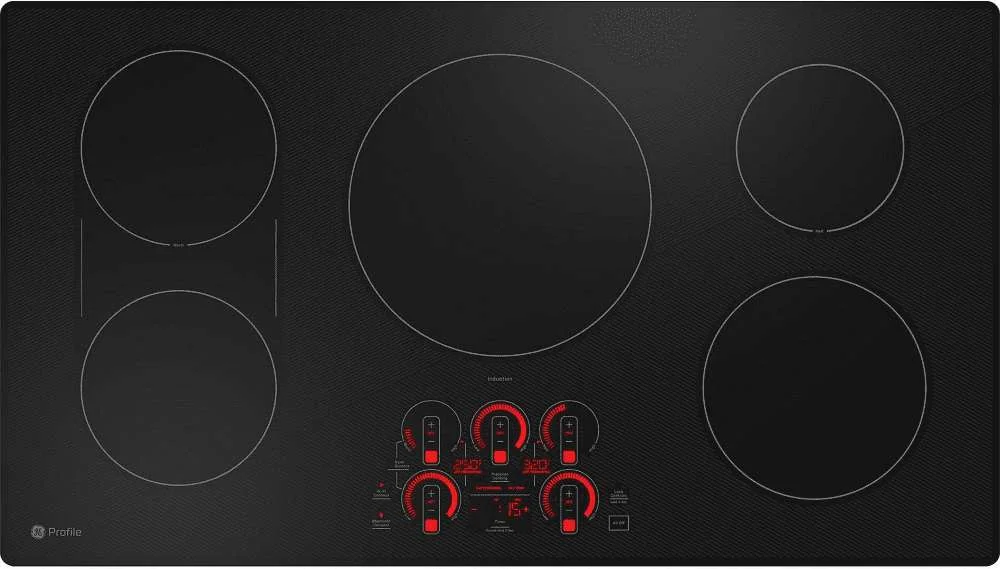
GE's reviewed cooktops span radiant electric, induction, and premium gas, with an emphasis on practical layouts and replacement-friendly usability. The lineup includes options that aim to deliver a full-size experience without pushing into the most expensive tier.
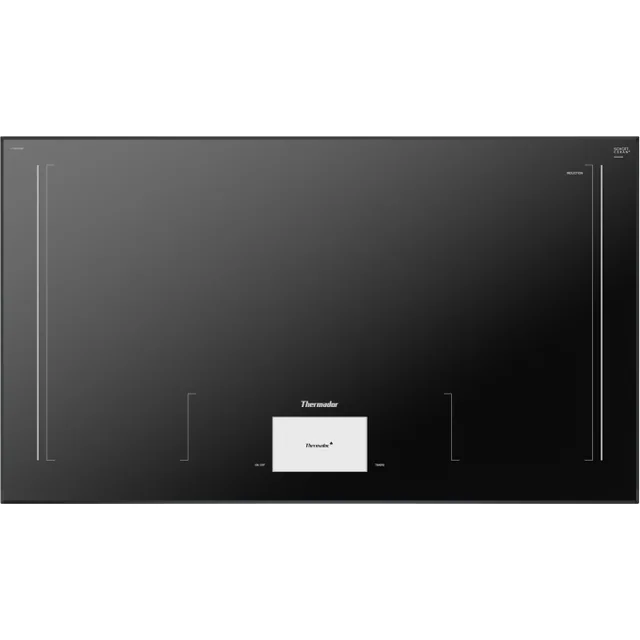
Thermador is positioned here as a premium choice for cooks who care about control, especially at low heat, and for those who dislike being locked into fixed burner positions. The reviewed models speak to high-end cooking preferences more than budget-driven replacements.
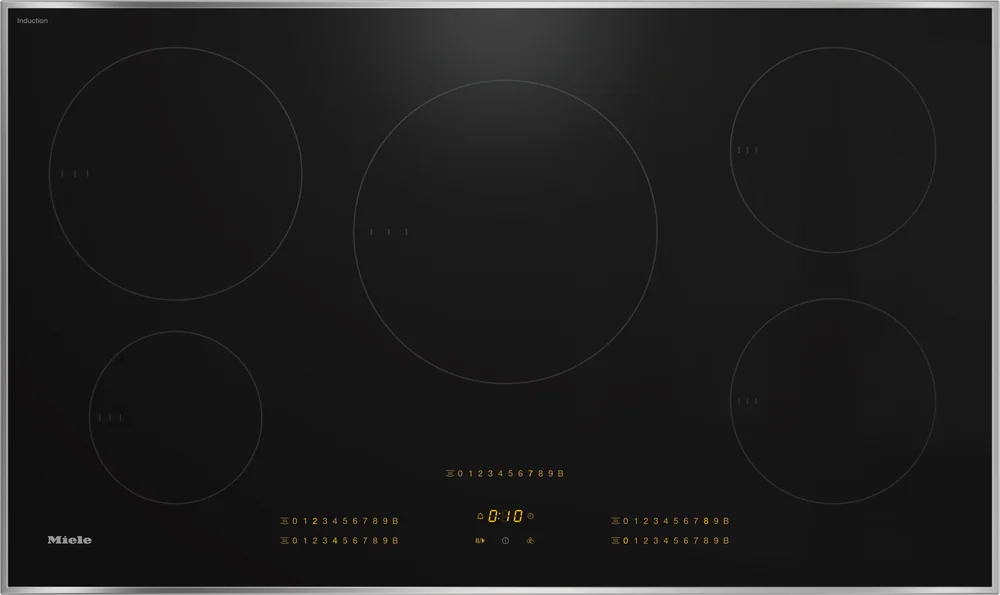
Miele appears in this category as a premium, built-in focused brand with both standard and modular cooktop directions. The reviewed set includes compact and modular options, with one model noted as lacking specific documented details for this guide.
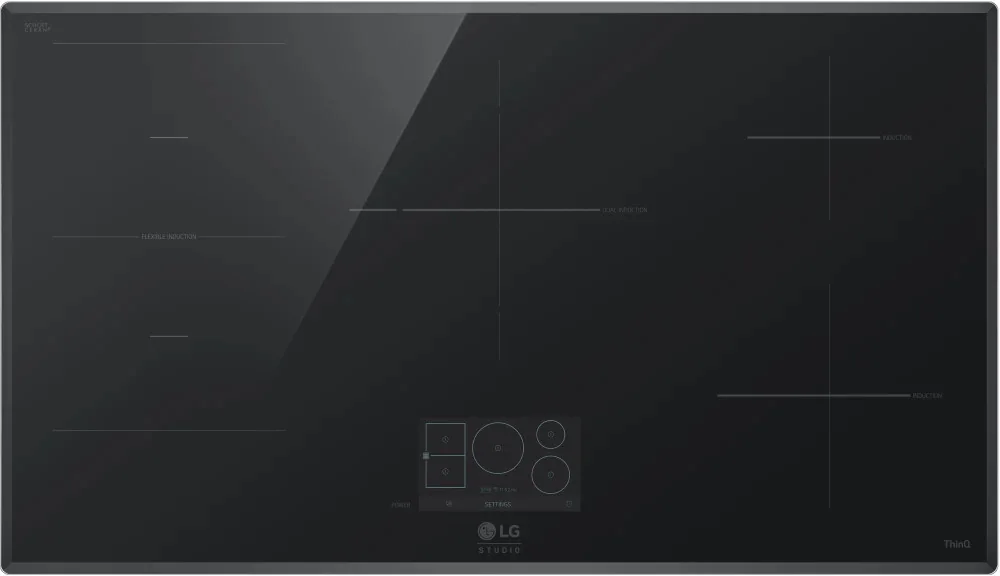
LG's reviewed cooktops lean modern in look, with options that prioritize high-heat cooking in induction, contemporary styling in gas, and clean touch controls in radiant electric. The models here are aimed at shoppers who want a current design language without overcomplicating the feature set.
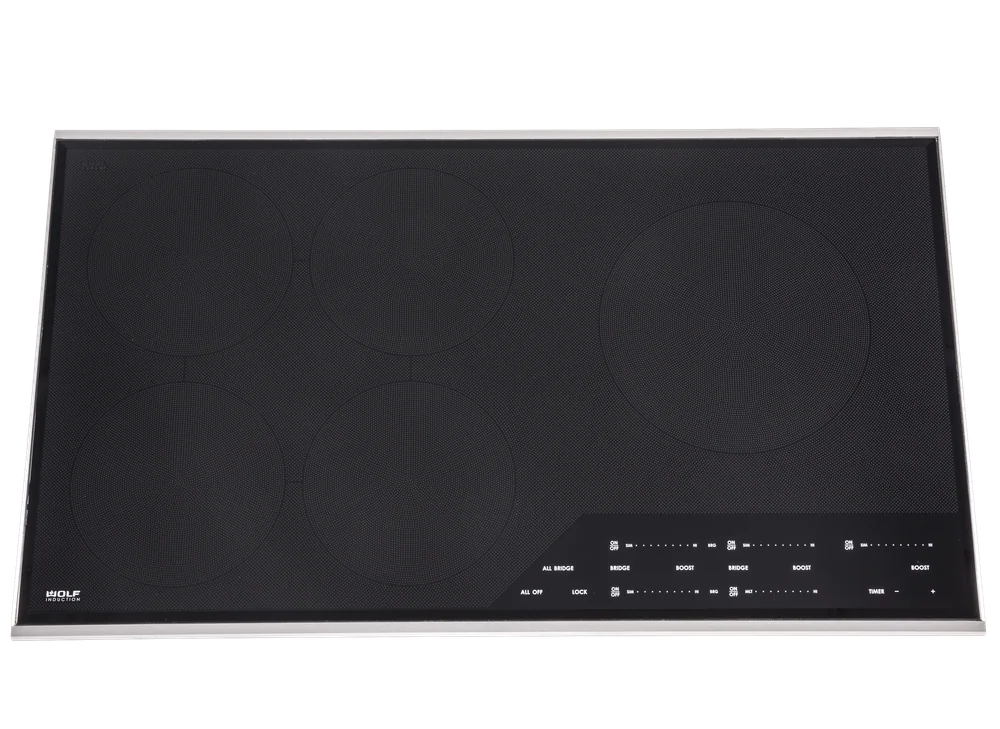
Wolf is represented as a pro-style choice in both induction and gas, with repeated emphasis on control at the low end, not just maximum power. The reviewed models are aimed at buyers who want a more serious built-in cooking feel, especially when moving from gas to induction.
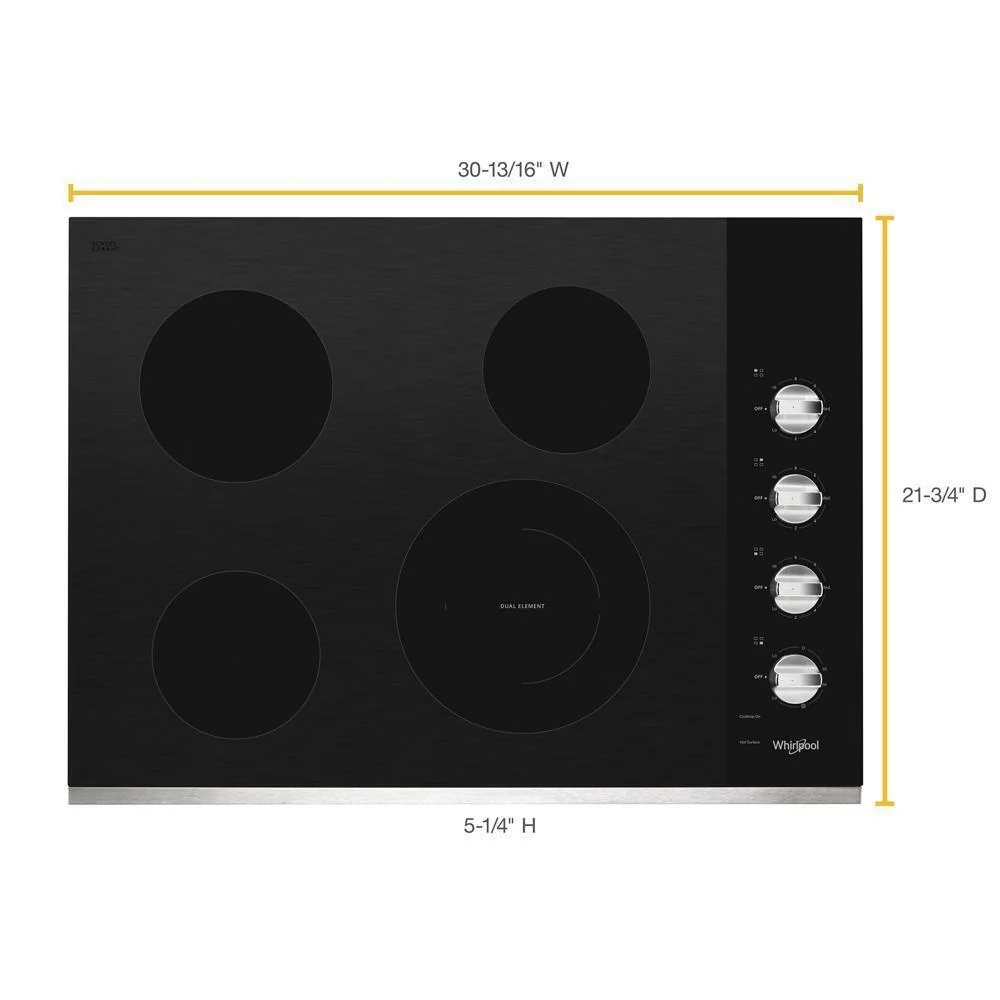
Whirlpool's reviewed cooktops focus on mainstream radiant electric replacements in 30-inch and 36-inch sizes. The emphasis is on everyday usability basics, simple cooking, and staying mindful on spend.
Match the new cooktop’s cutout requirements and overall dimensions to your countertop opening, then confirm the electrical (amps and voltage) or gas requirements. Even within the same nominal width (like 36 inches), cutouts and power needs can differ.
Not always. A 36-inch cooktop usually gives you more room between pans, but a strong 30-inch five-zone model can still handle real cooking if your kitchen is locked into a 30-inch opening.
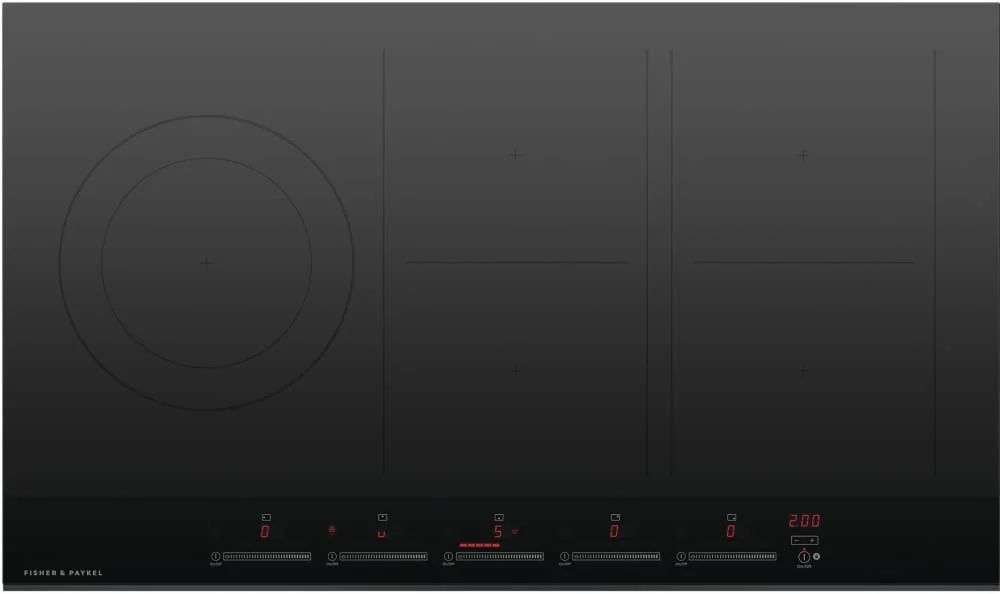
It changes how often you fight the cooktop. Bridging or full-surface designs make it easier to use griddles, oversized skillets, and oddly shaped cookware without hunting for the one burner that fits.
A lot. Some 36-inch induction cooktops call for higher amperage circuits (for example, 40 A vs 50 A). If your kitchen is not already wired for it, that can add complexity to a replacement.
You mainly need stable low control and a layout that fits your cookware. High-end models often add flexibility and nicer controls, but if the install and layout fit are right, you do not have to buy the most premium option to get good everyday results.
Look for at least one high-output burner for fast boiling and searing (this list includes 18,000 BTU to 20,000 BTU, and up to 24,000 BTU on one LG Studio variant), plus a dedicated low burner around 5,000 BTU or a specialized low-heat system like Thermador’s ExtraLow for true simmering.