
Everything Apple announced in September 2026
Confirmed prices, release dates, and the buying questions across iPhone Duo, iPhone 18 Pro, Apple Watch Series 12, Watch Ultra 4, and AirPods 5.
Read the launch briefingNew buying guides and full reviews, by email.
Phone Research and Buying Advice
A phone is a two-to-four-year purchase, so the decision that matters isn't which model looks newest in September. It's which form factor and support timeline actually fits how you use the thing every day. This page walks through Apple's latest lineup, then breaks down the bigger category decisions: standard flagship, book-style foldable, compact foldable, or midrange.
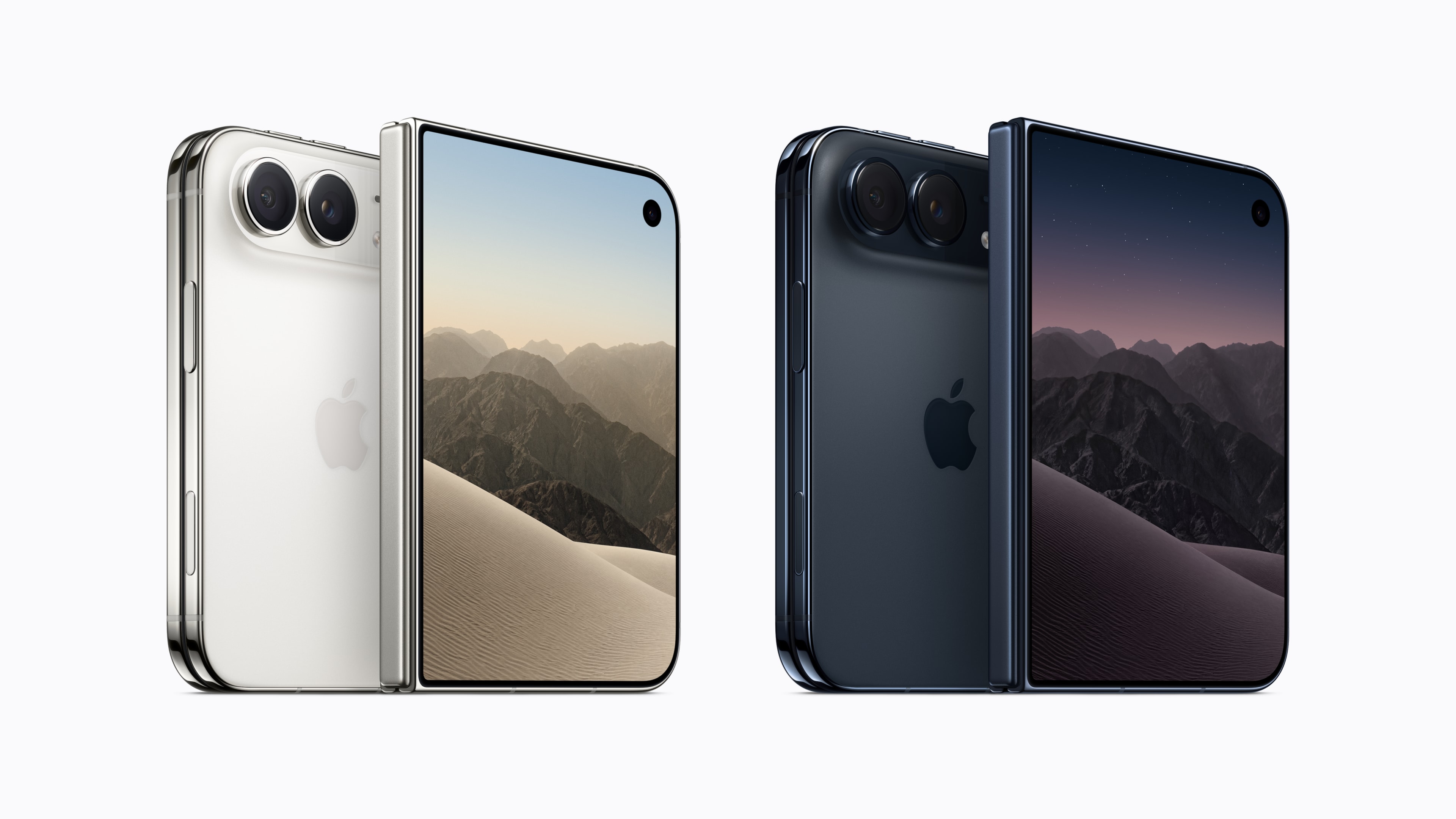
Apple September 2026
Apple's September 9 event introduced the foldable iPhone many Apple users had been waiting for. Duo starts at $1,999, opens into a 7.6-inch inner OLED display, and closes around a compact 5.4-inch outer screen. It offers a book-style foldable without asking an iPhone owner to leave iOS, familiar apps, or the Apple ecosystem.
The design is more thoughtful than simply making an iPhone larger. Closed, Duo is a short, wide phone for messages, calls, payments, quick searches, and the camera. Open, it becomes Apple's largest iPhone display for reading, video, comparison shopping, documents, and two apps at once. iOS 27.1 supports side-by-side apps, two windows from the same app, saved app pairs, and half-fold modes. MacRumors found the hardware thin and sturdy in a brief hands-on, while TechRadar found photo drag and drop between two apps smooth and intuitive.
That combination gives committed Apple fans a legitimate reason to preorder. Wanting Apple's first foldable, enjoying a genuinely new iPhone design, and keeping the surrounding ecosystem intact are part of the value. A $1,999 purchase still needs to fit the buyer's budget and tolerance for uncertainty, but it does not need to be defended as a productivity investment.
The tradeoffs are substantial and specific. Duo has a 48MP main camera and 48MP ultrawide but no dedicated telephoto, weighs 254 grams, and measures 11.3mm when closed. Apple has not published a fold-cycle rating, and independent battery, hinge-wear, repair-cost, and long-term display evidence does not exist yet. Those concerns should guide the decision rather than overwhelm every reason to be excited about the product.
Apple's battery claims also need to be read by screen: up to 44 hours of outer-display video, 31 hours of inner-display video, and 24 hours when both displays are used equally. An owner who embraces the inner screen will put a heavier load on the two-battery system than someone who stays mostly on the outer display. The 24-hour figure deserves the closest attention, though none of the three claims is a measured result from normal daily use.
Preordering is reasonable for an Apple enthusiast who has wanted this form factor, can comfortably afford it, and accepts that first-generation Apple hardware still carries unanswered ownership questions. Camera-first buyers have a stronger case for iPhone 18 Pro Max. Long-term owners who need proven durability should wait for independent testing. Galaxy Z Fold8 shows what years of foldable refinement can offer, especially in weight and window flexibility, but moving to Android is an ecosystem decision rather than an automatic alternative.
Confirmed prices, release dates, and the buying questions across iPhone Duo, iPhone 18 Pro, Apple Watch Series 12, Watch Ultra 4, and AirPods 5.
Read the launch briefingA closer look at Apple's confirmed hardware, the first independent hands-on reports, and the durability, battery, camera, and software questions that remain open.
Read the full analysisA quick note on timing: iPhone Duo was just announced. No outlet, including Pickori, has had enough time with the hardware to speak to its durability or long-term battery behavior, so we're not scoring it or calling this a review. What's below reflects Apple's published specifications and the earliest hands-on impressions from outlets that had brief access at launch.
At a glance
U.S. starting prices and announced availability dates, not ratings or purchase advice on their own.
| Product | Starting price | Biggest change | Availability | What to decide |
|---|---|---|---|---|
| iPhone Duo | $1,999 | Apple's first foldable; 7.6-inch inner display | Preorders Oct 16, ships Oct 23 | Whether the large inner display justifies first-generation tradeoffs |
| iPhone 18 Pro | $1,199 | Variable-aperture main camera and A20 Pro | Preorders Sept 12, ships Sept 18 | Whether camera control matters more than a folding screen |
| iPhone 18 Pro Max | $1,299 | Pro camera system with Apple's largest claimed battery gain | Preorders Sept 12, ships Sept 18 | Whether maximum battery and conventional durability are the priority |
| Apple Watch Series 12 | $399 | New Health Sensing System and readiness score | Sept 18 | Whether the new health data changes a daily routine |
| Apple Watch Ultra 4 | $799 | Up to 50 hours of regular use and 45-hour extended workouts | Sept 18 | Whether expedition battery and sports features justify the size and cost |
| AirPods 5 | $129 | Open-ear active noise cancellation across the lineup | Sept 18 | Whether open-ear comfort outweighs the isolation of sealed earbuds |
Notably absent from the September event: a standard iPhone 18 and a new Apple Watch SE. If your budget points toward either of those tiers, expect a separate announcement rather than treating this as the complete 2026 lineup.
Start with the form factor
Brand and chip generation get most of the attention in phone marketing, but the decision that actually changes your daily experience is the form factor. Here's how the four main categories differ in practice, not just in spec sheets.
This is the safe, well-understood choice, and for most people it should still be the default. You get a mature camera system, the widest case and accessory selection, the most predictable repair costs, and years of real-world durability data behind the design. iPhone 18 Pro Max's dedicated telephoto camera and larger battery are the kind of concrete, testable advantages a first-generation foldable can't yet match. If you're not sure which category fits you, this is the one to pick.
Best starting point for most buyersA phone-sized outer screen opens into something closer to a small tablet. Whether that's worth the added cost and bulk comes down entirely to whether you have a specific, recurring use for the bigger inner display: reading, comparing documents, multitasking between two apps. iPhone Duo's inner screen supports genuine side-by-side multitasking in iOS 27.1, but the panes split evenly rather than resizing freely, which is less flexible than what more mature Android foldables like Samsung's Galaxy Z Fold8 offer after several generations of software refinement. If your daily phone use doesn't include a task that benefits from more screen, this category is paying for capability you won't use.
Best for buyers who can name the large-screen taskThese prioritize a small folded footprint over a bigger workspace, which is a different bet entirely from a book-style foldable. The tradeoffs to check closely are battery capacity (smaller folded bodies often mean smaller batteries), how much the cover screen actually does versus just showing notifications, and hinge durability over time, since these phones fold shut far more often in daily use than a book-style device that mostly stays open.
Best for buyers prioritizing pocket size over screen sizeThe honest tradeoff here isn't performance for everyday tasks, it's usually camera versatility, build materials, and how many years of software updates you'll actually get. A midrange phone with a shorter support window can end up costing more over its life than a flagship you keep longer. Prioritize confirmed update timelines and battery health over raw benchmark numbers, which rarely reflect how the phone feels after eighteen months of normal use.
Best for buyers optimizing total cost of ownershipReading past the spec sheet
Manufacturer specs and demo-day observations are a starting point, not a verdict. Here's how to translate the categories that show up on every phone's product page into something that predicts daily experience.
A single-scenario number, like "36 hours of video playback," describes a best case you'll rarely hit. Apple's own 24-hour "mixed use" figure for iPhone Duo is the more honest number for how most owners will actually use a foldable, since it accounts for switching between the outer and inner displays rather than staying on one screen the whole time.
A 48MP sensor tells you resolution, not versatility. The presence or absence of a dedicated telephoto camera is the bigger practical question: a digital crop from a wide sensor, which is what iPhone Duo relies on for 2x, loses detail that an actual telephoto lens preserves, especially in lower light.
A few grams sounds trivial until it's the difference between comfortable one-handed reach and a phone you consistently use with two hands. iPhone Duo's 254 grams is meaningfully heavier than a standard iPhone, and Android Central specifically flagged that it's heavier than current Android foldables, a real comfort tradeoff for anyone upgrading from a standard phone.
An IP68 rating tells you about water and dust resistance under lab conditions. It says nothing about fold-cycle durability, which Apple has not published for iPhone Duo. When a manufacturer skips a durability figure that would normally be expected, that's worth noticing as much as the numbers they do publish.
Sources and research notes
Early hands-on impressions referenced above come from MacRumors, Tom's Guide, TechRadar, and Android Central, each covering a short demo period. None of those sessions establishes long-term durability, independent battery testing, or repair cost. Pickori has not tested the phone. Apple images on this page are unmodified Newsroom press-media files used for product-related editorial coverage. Image credit: Apple.