
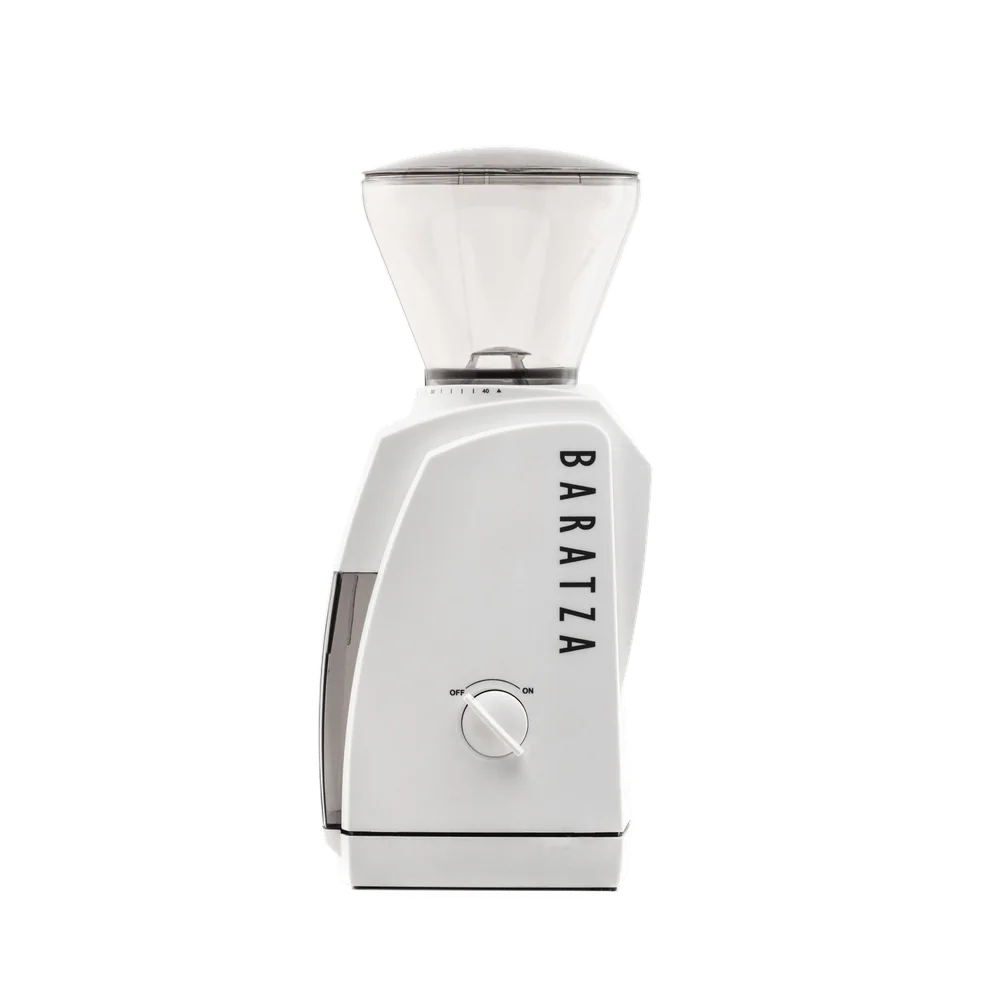
Burr grinder (electric)
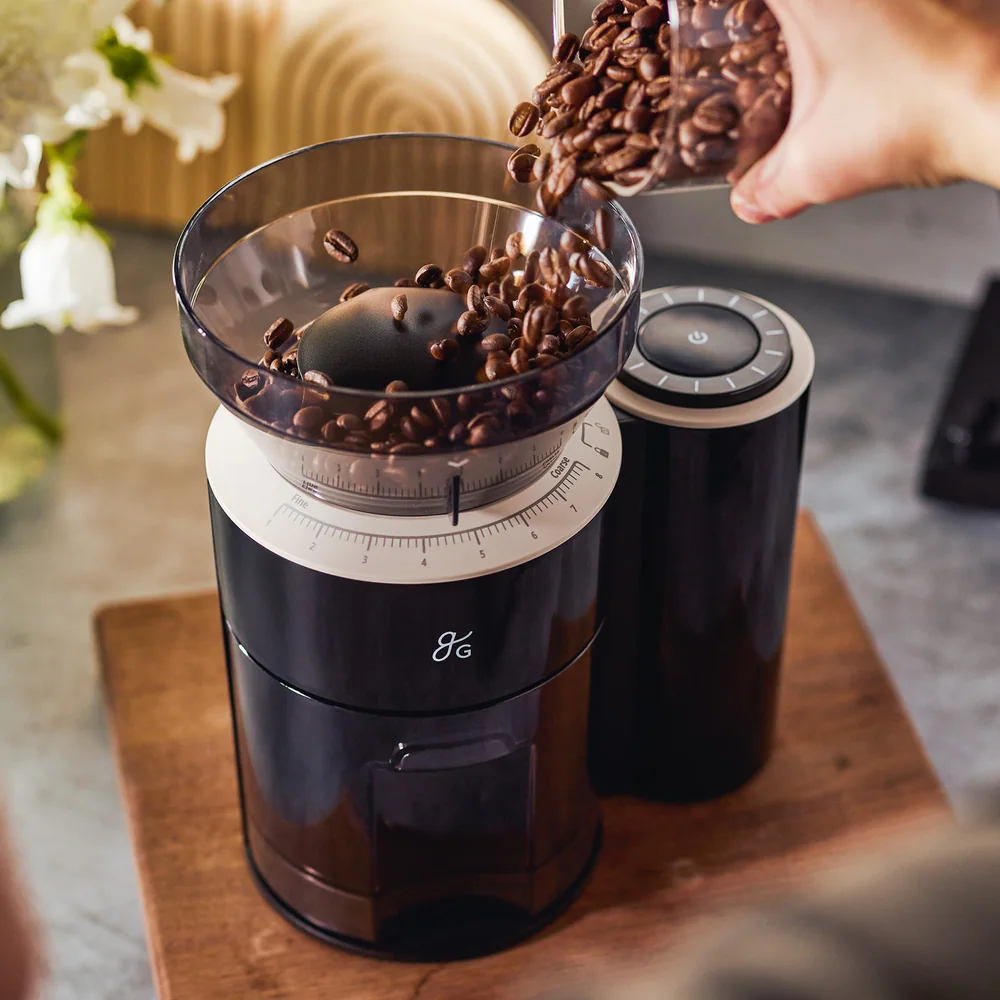
Two burrs, meaning shaped cutting surfaces, crush beans to a set gap so particles come out more uniform.
Best for: Most home brewers who want better consistency for drip, pour over, French press, and many espresso setups.
New buying guides and full reviews, by email.
Coffee Grinder Research
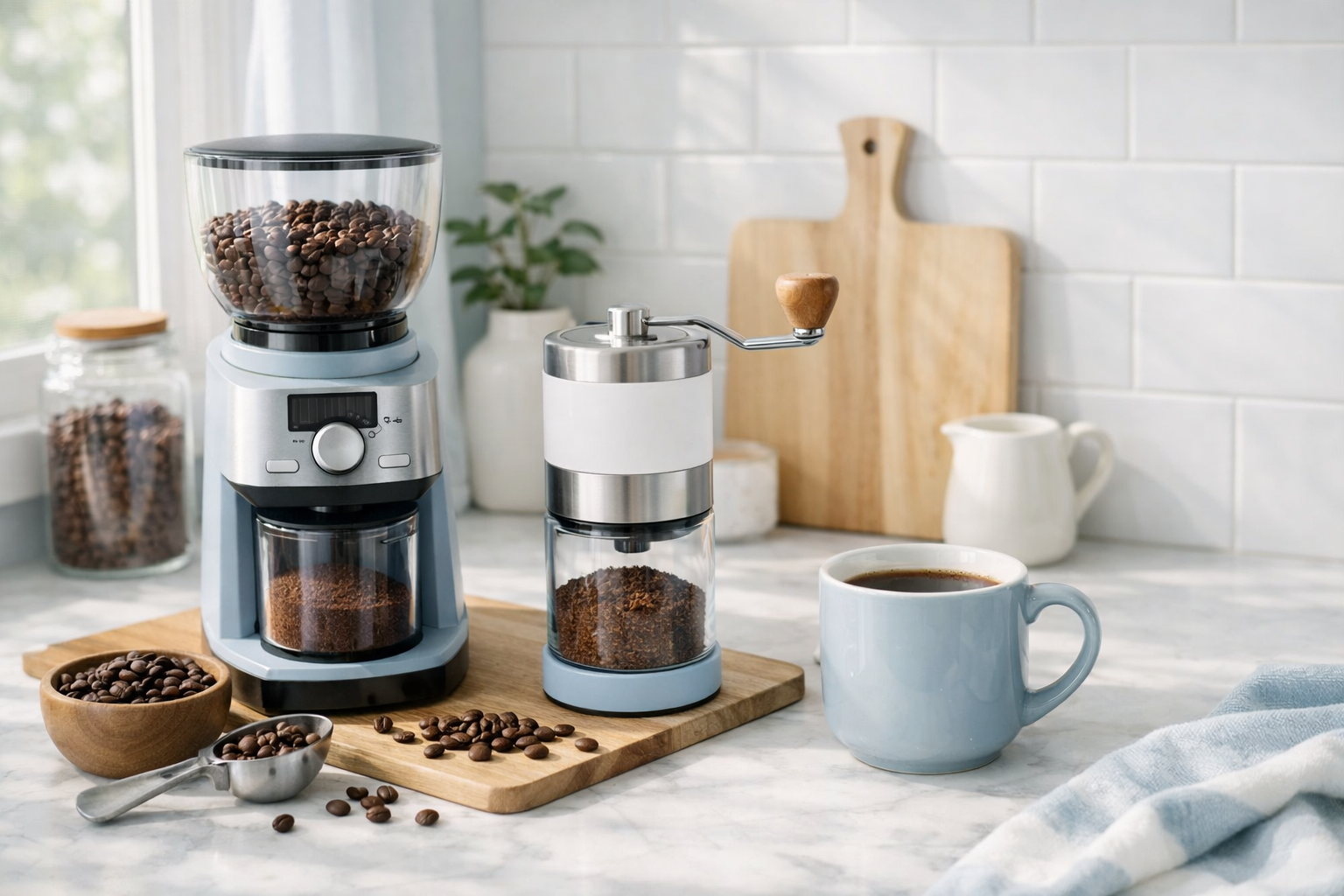
Coffee grinders turn whole beans into the grind size your brewer needs, which has a major effect on flavor, strength, and consistency. Learn how grinder types differ, which features actually change your cup, and what to expect from daily use, including noise, mess, cleaning, and retention.
A coffee grinder is less about speed and more about control. When grind size is uneven, water extracts coffee unevenly too, which shows up as sour, thin cups (under extracted fines are missing) or harsh bitterness (over extracted fines dominate). A grinder that produces a consistent grind makes it easier to dial in a recipe and repeat it tomorrow, even if you change beans.
The best grinder for you depends on your brew method, how often you brew, and how much mess you will tolerate. Espresso needs very fine, very consistent particles and small adjustments. Cold brew and French press need a coarse grind with fewer dusty fines so the drink stays clean instead of muddy. Drip and pour over sit in the middle, where consistency still matters but you can live with a wider range of settings. Ownership details like static cling, grind retention, hopper size, and cleaning access often matter more than a big watt number.
Two burrs, meaning shaped cutting surfaces, crush beans to a set gap so particles come out more uniform.
Best for: Most home brewers who want better consistency for drip, pour over, French press, and many espresso setups.
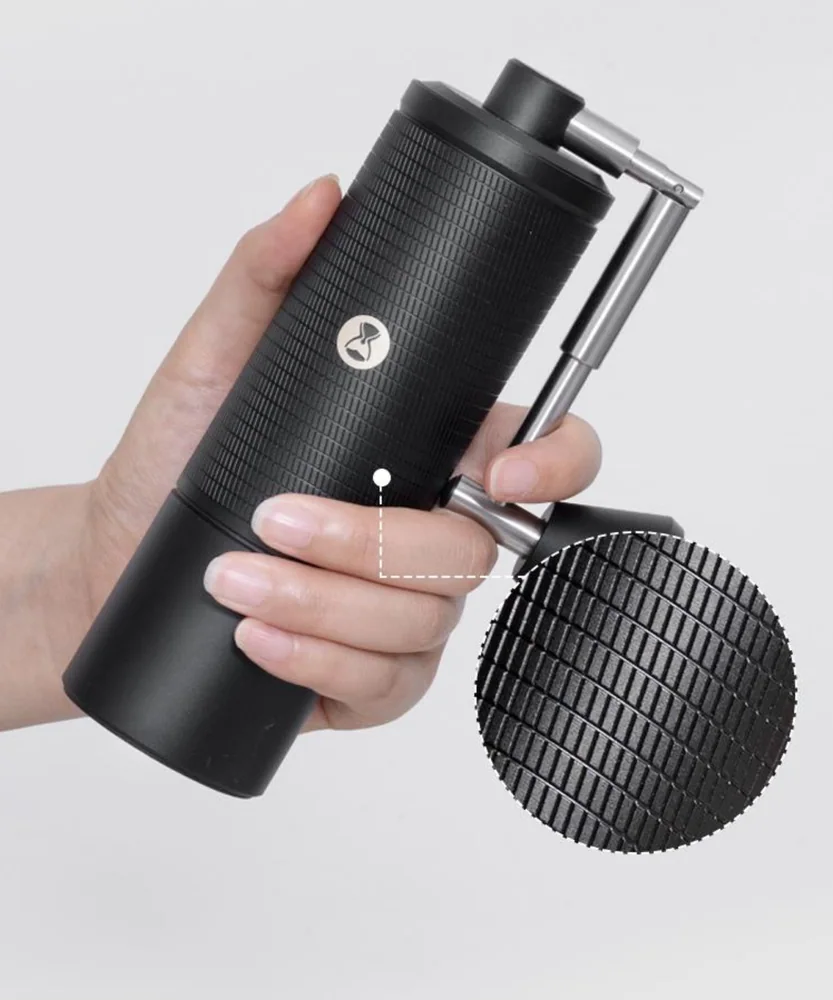
A hand crank turns burrs at a steady pace without a motor, usually with a smaller bean capacity.
Best for: Small kitchens, travel, quieter mornings, and anyone who does not mind grinding by hand for one to two cups.
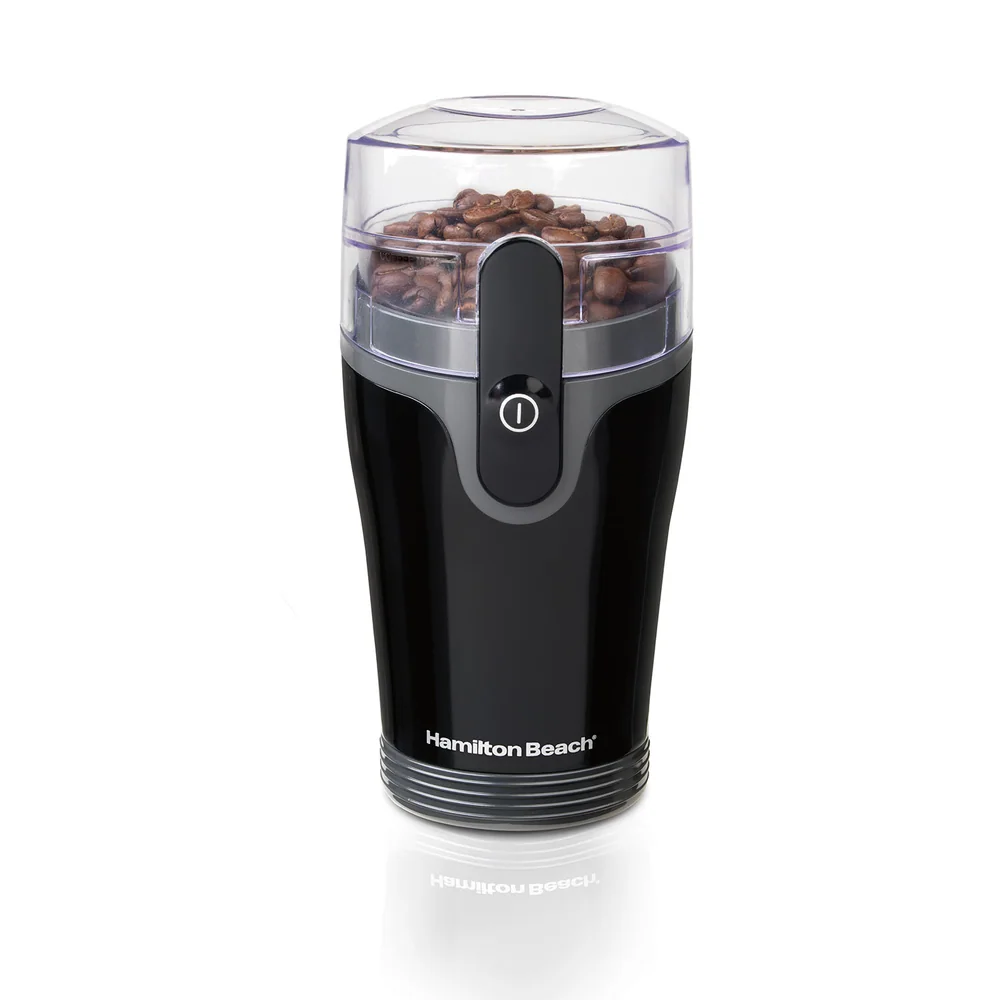
A spinning blade chops beans like a tiny food processor, which creates a mix of dust and boulders.
Best for: Occasional use when budget and simplicity matter more than repeatable results.
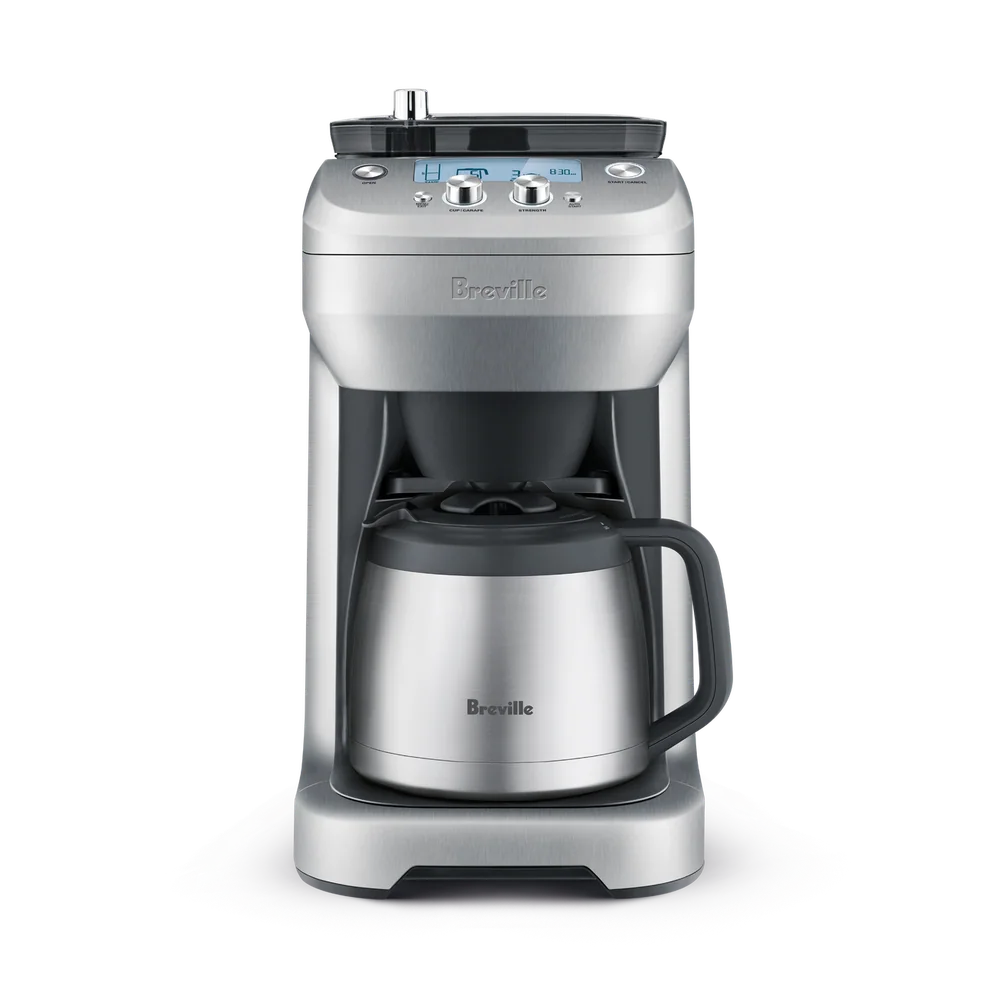
A built-in burr set grinds directly into the brewer or espresso machine, often with fewer adjustment steps.
Best for: People who value one-touch convenience and are willing to accept fewer grind and cleaning options.
Product reviews
Start with the newest reviews and substantial refreshes, then open the complete directory when you need a specific model.
Pickori may earn a commission from affiliate links.


Practical ownership help
Practical help for getting better coffee with less mess and fewer wasted beans.


Learn the Category
Plain-English guides to sizing, features, setup, maintenance, and the questions that change which coffee grinder makes sense.

These specifications affect how coffee grinders perform, fit, and feel to own after the first week.
How fine to coarse the grinder can go, and how small each click or step changes the burr gap.
Why it matters: Espresso needs fine control because tiny changes can swing shot time and taste. Coarse methods need a grinder that can go coarse without producing lots of fines.
Steel burrs are metal cutting surfaces; ceramic burrs are hard ceramic cutting surfaces that resist heat and wear differently.
Why it matters: Burr material affects durability, how the grinder handles light vs dark roasts, and how often you may need replacement parts. It also changes the sound and feel of grinding.
Retention is how much ground coffee stays inside the grinder after you grind. Dosing style is whether you grind from a hopper (stored beans) or single dose (weigh beans per brew).
Why it matters: High retention can make your next cup taste like yesterday’s beans and makes dialing in harder. Single dosing reduces staleness and makes switching beans easier, but it can be slower and messier.
Static is the cling that makes grounds stick to the chute, cup, and counter, especially in dry air.
Why it matters: Static turns grinding into cleanup. Better chutes, anti-static features, and compatible dosing cups reduce stray grounds and keep your workflow tolerable.
Anti-static: It may reduce cling, but it will not eliminate mess if the chute design is poor or if you grind very light roasts in dry conditions.
Espresso-capable: Some grinders can grind fine enough but lack the small adjustment steps needed to dial in espresso without frustration.
Easy to clean: A removable hopper is not the same as access to the burr chamber and chute, which is where oils and fines build up and cause stale flavors.
Brands in the Category
Use these brand notes to narrow the field, then open the linked reviews for the model-specific details.

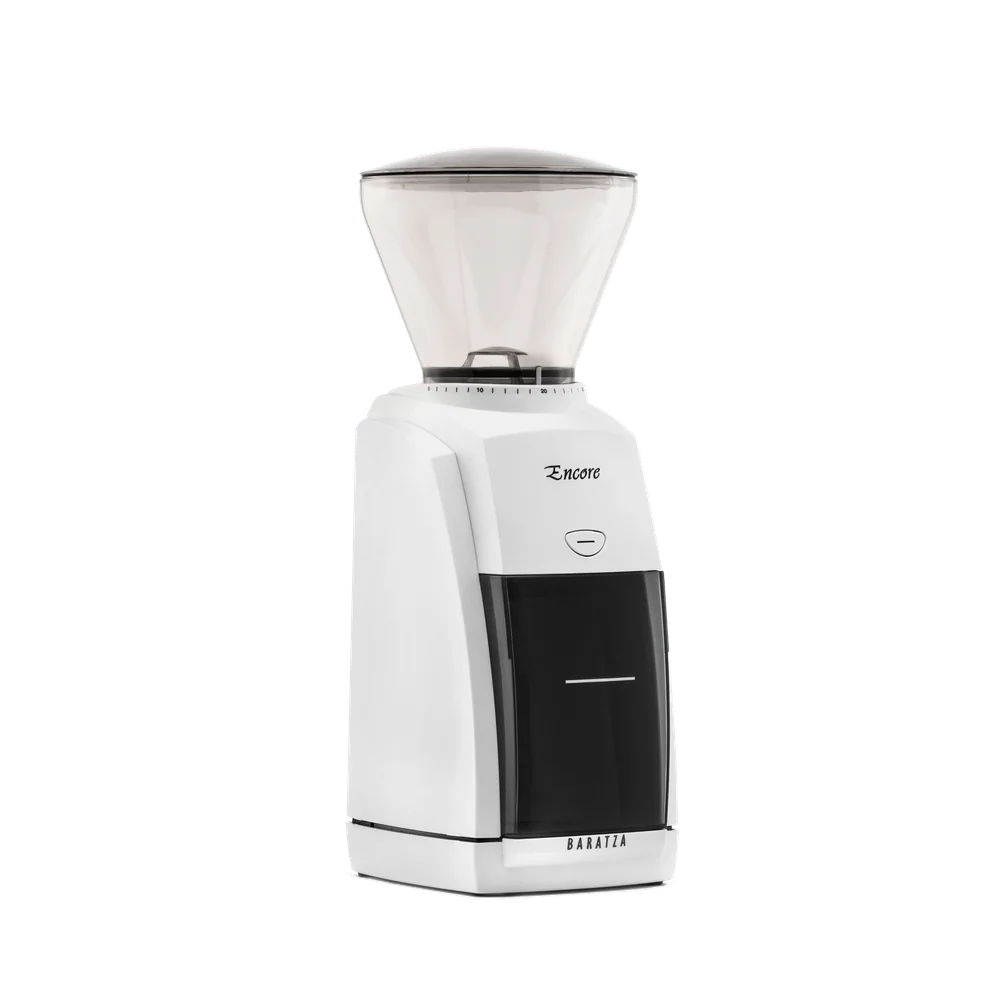
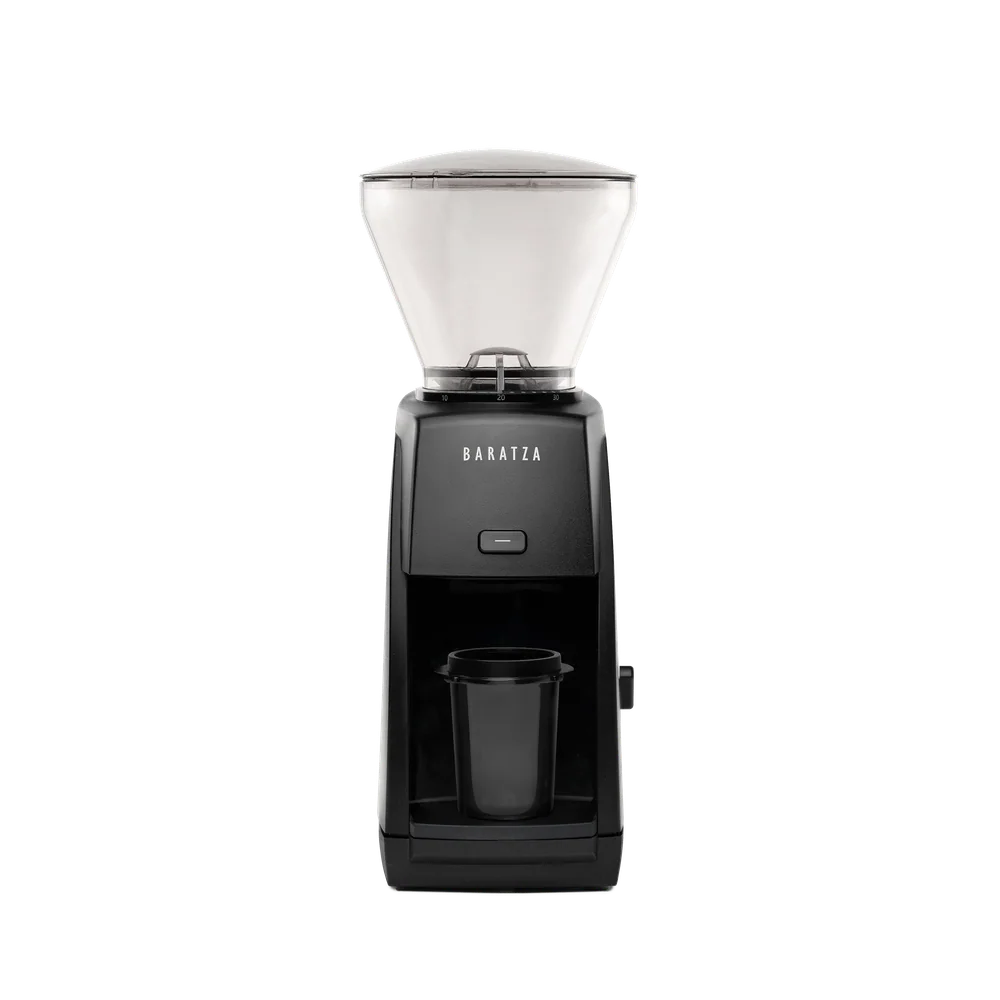
Baratza makes practical burr grinders that range from simple brewed-coffee models to machines with more espresso-focused control. The reviewed models focus on consistent grounds across common home brew methods without making the process feel complicated.
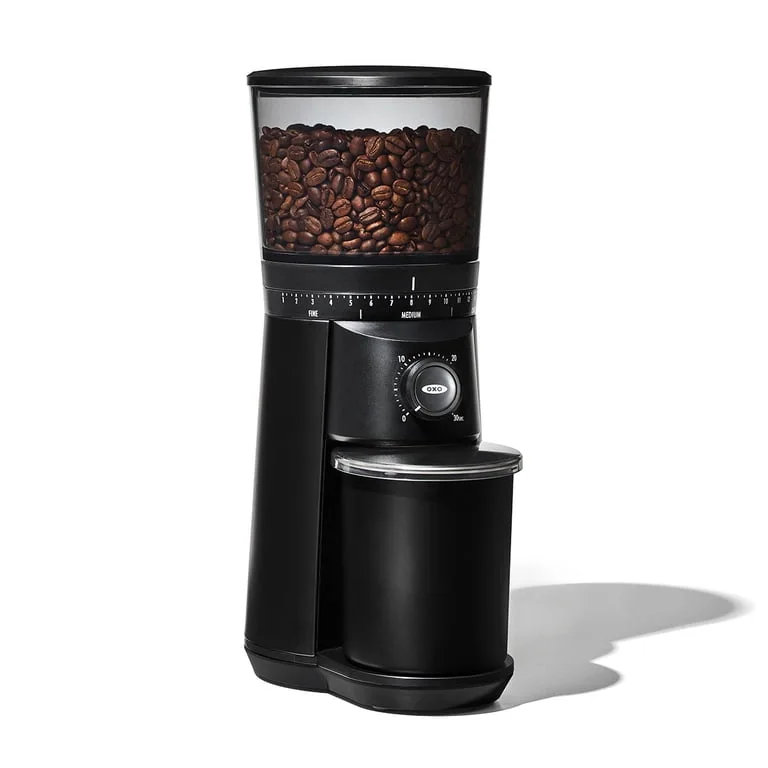
OXO’s grinders here are about dependable daily burr grinding, including a compact option for tighter counters. They suit people who want good results for brewed coffee without turning grinder settings into a hobby.
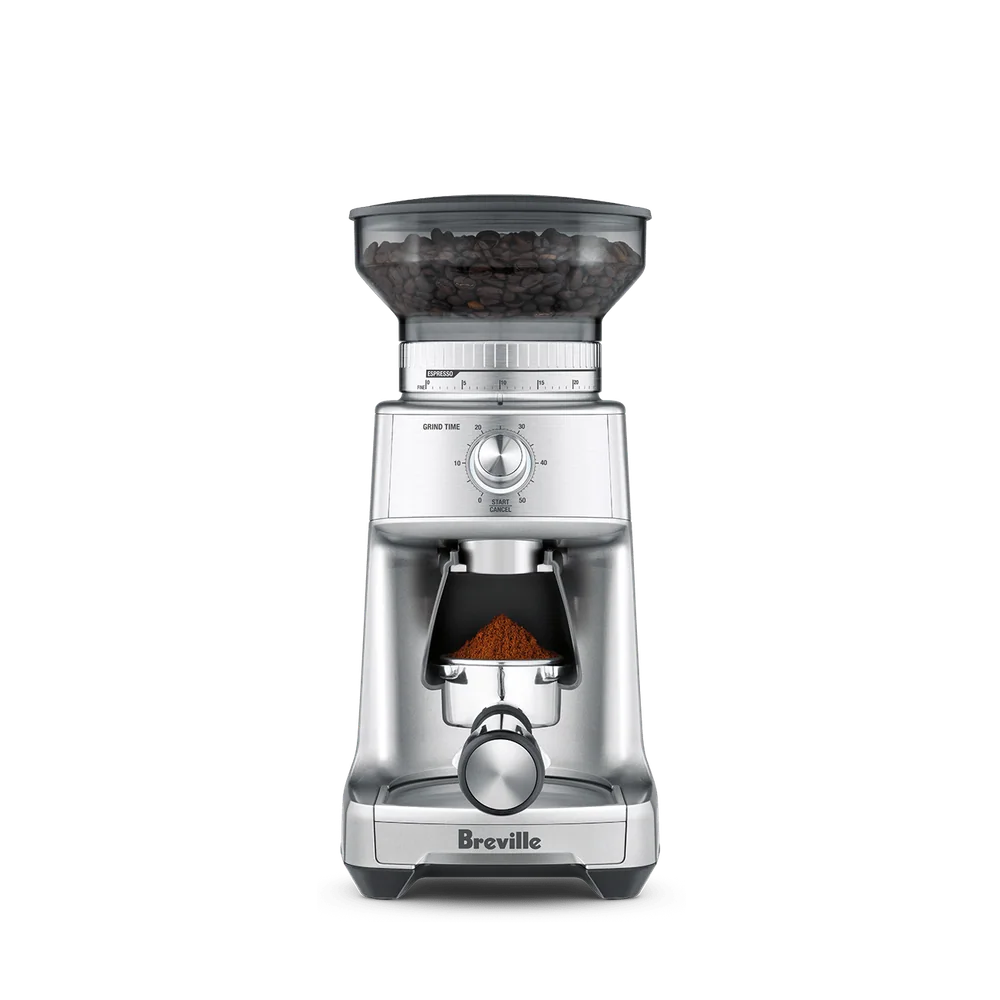
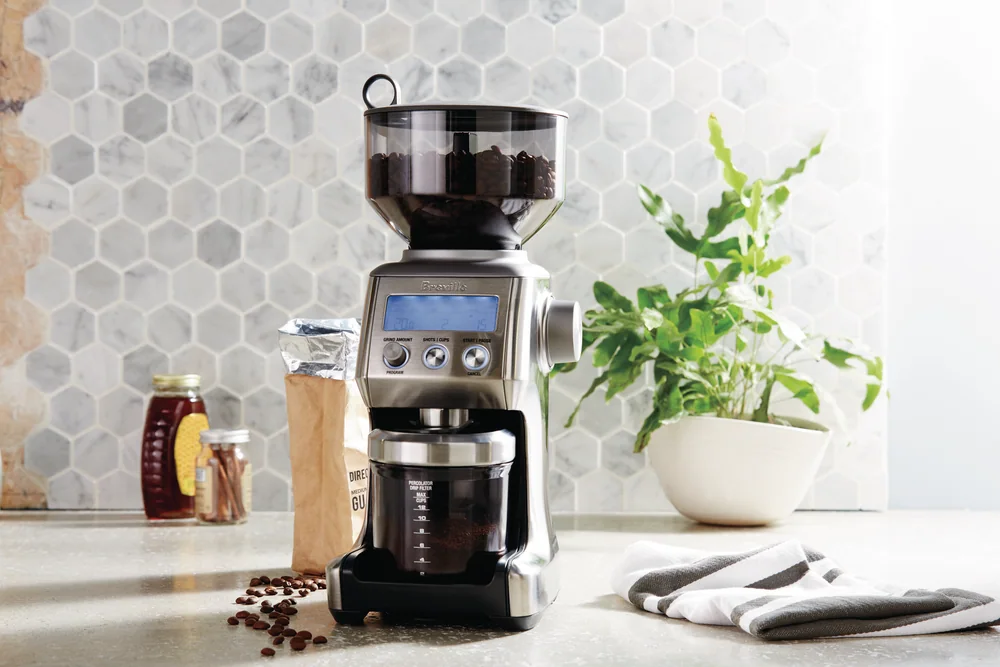
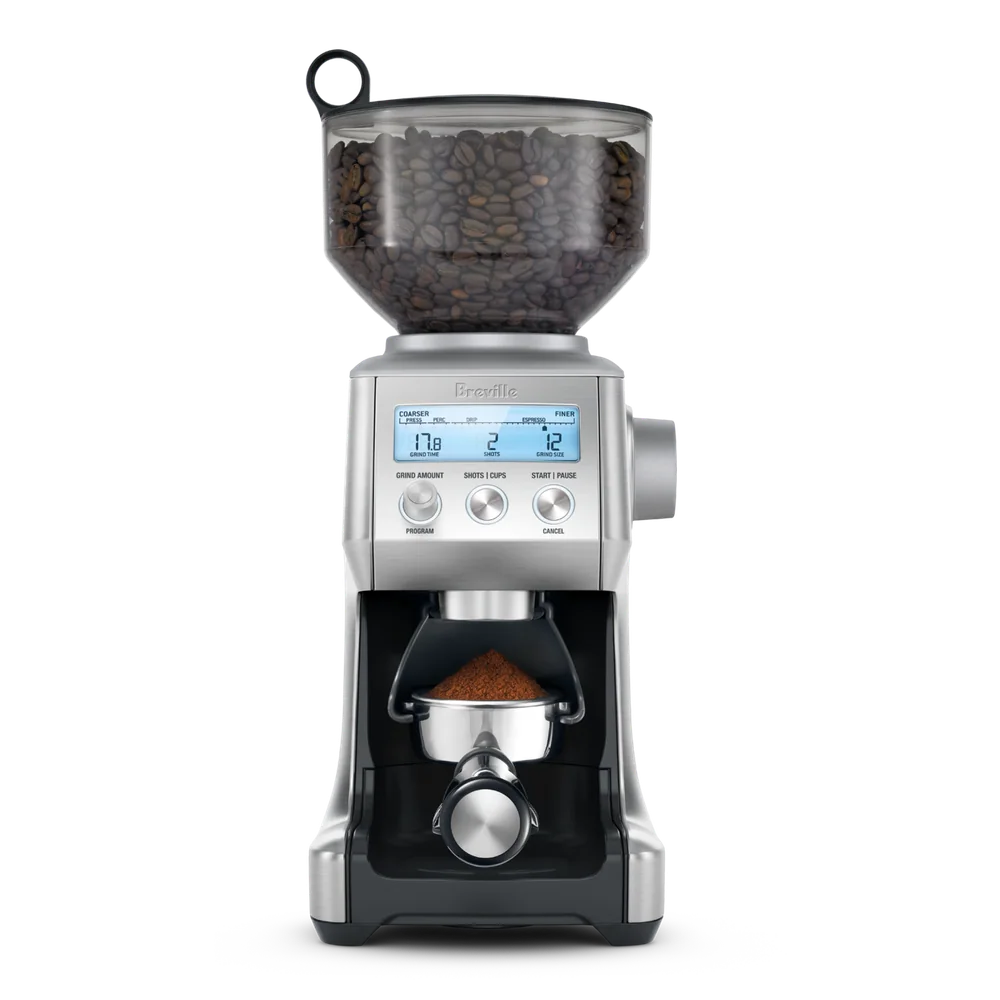
Breville leans feature-forward, with grinders aimed at convenience, capacity, and espresso-friendly flexibility, plus a coffee maker with a built-in grinder. The lineup suits shoppers who want more controls and an appliance that feels easy to set up and use every day.
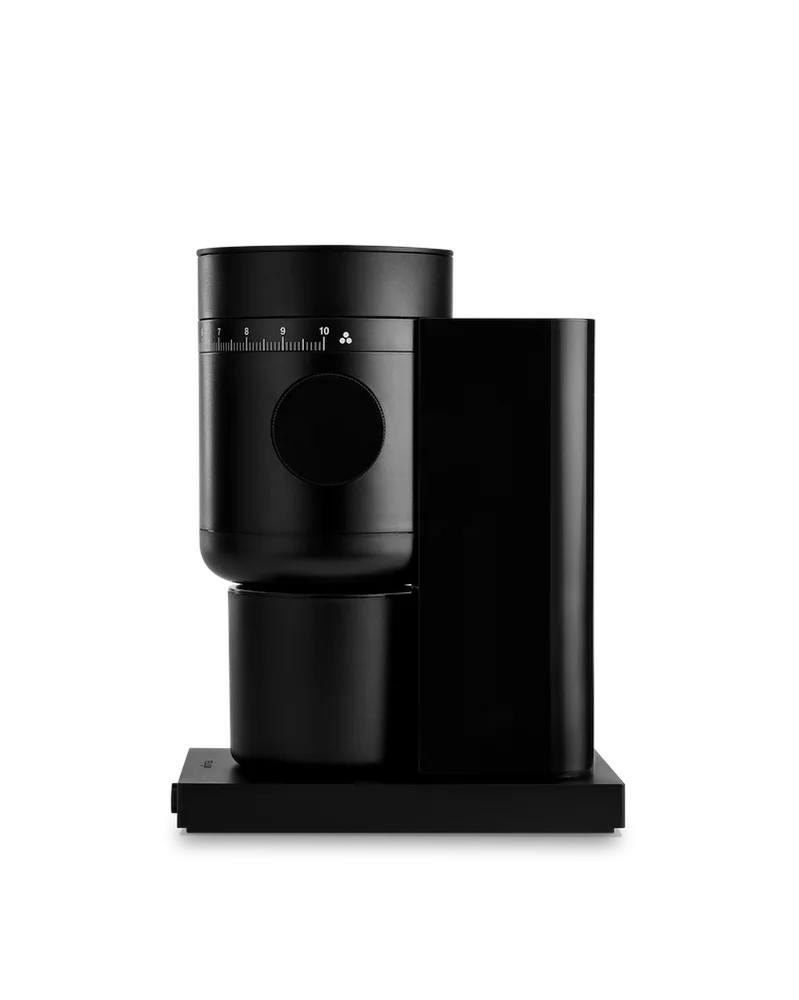
Fellow makes style-forward burr grinders that either cover multiple brew styles or focus specifically on brewed coffee. They suit shoppers who care about how the grinder fits into a modern kitchen and a repeatable brew routine.
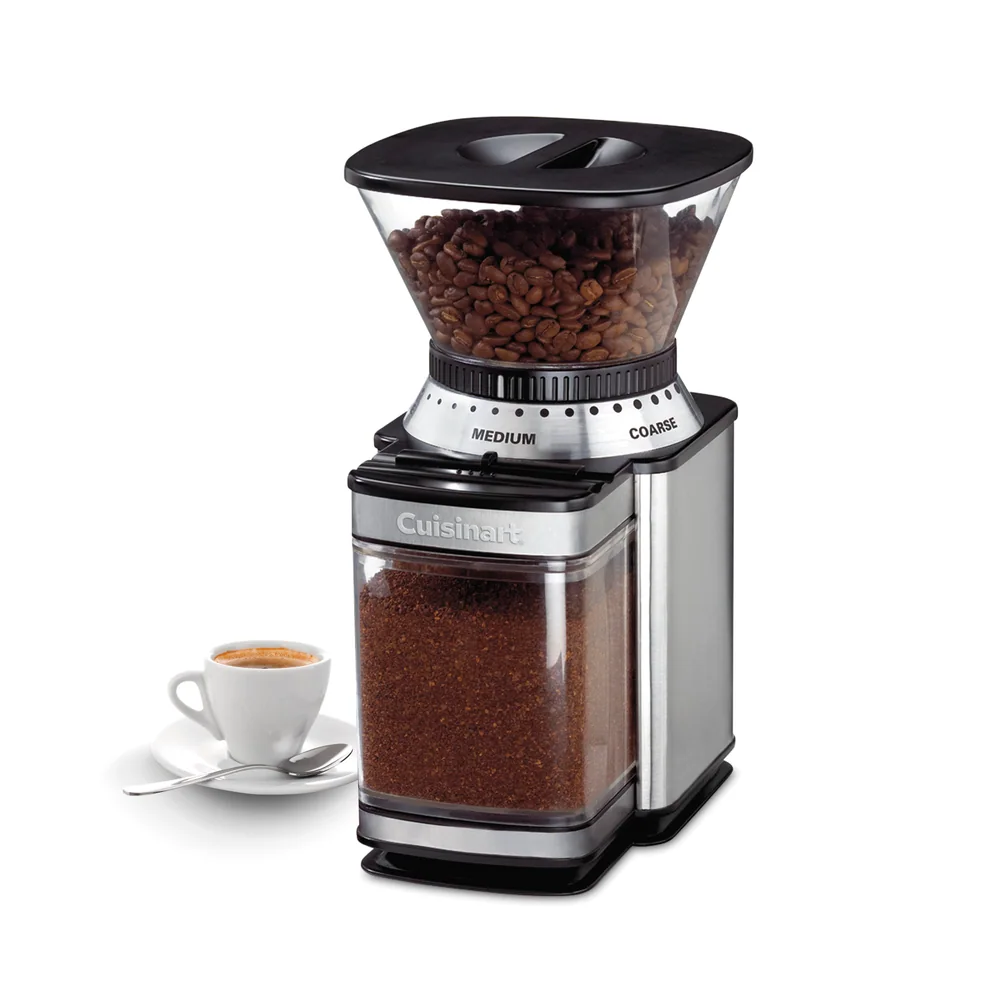
Cuisinart appears here as an approachable entry point to burr grinding, with models that keep the learning curve and cleaning routine from feeling like a project. The focus is budget-friendly brewed-coffee grinding with a useful range of grind sizes.

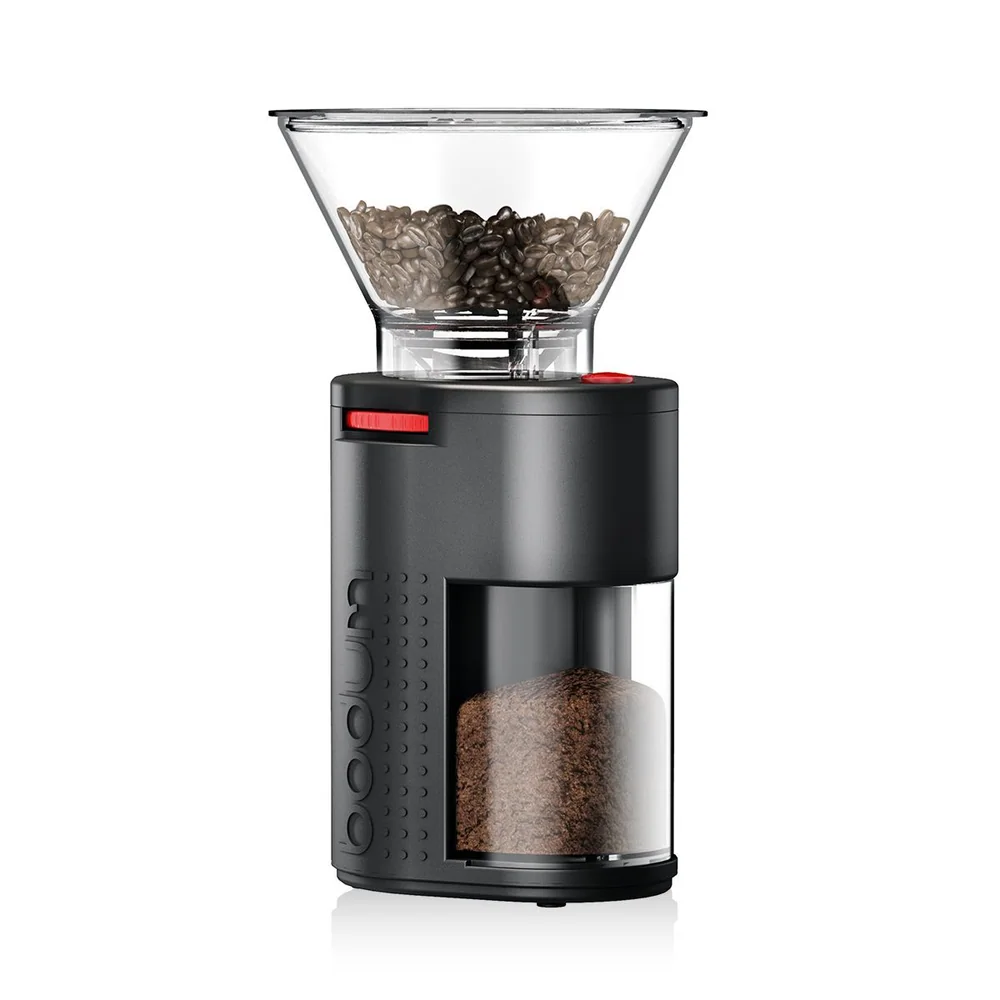
Bodum’s reviewed grinder is positioned around ease of use and a low-friction daily routine. It is for people who want fresh-ground coffee without spending time dialing in details.
The reviewed Hamilton Beach model is a blade grinder, meaning it uses a spinning blade instead of burrs and tends to produce less-uniform grounds. It is one of the lowest-cost, simplest ways to grind beans for casual use.
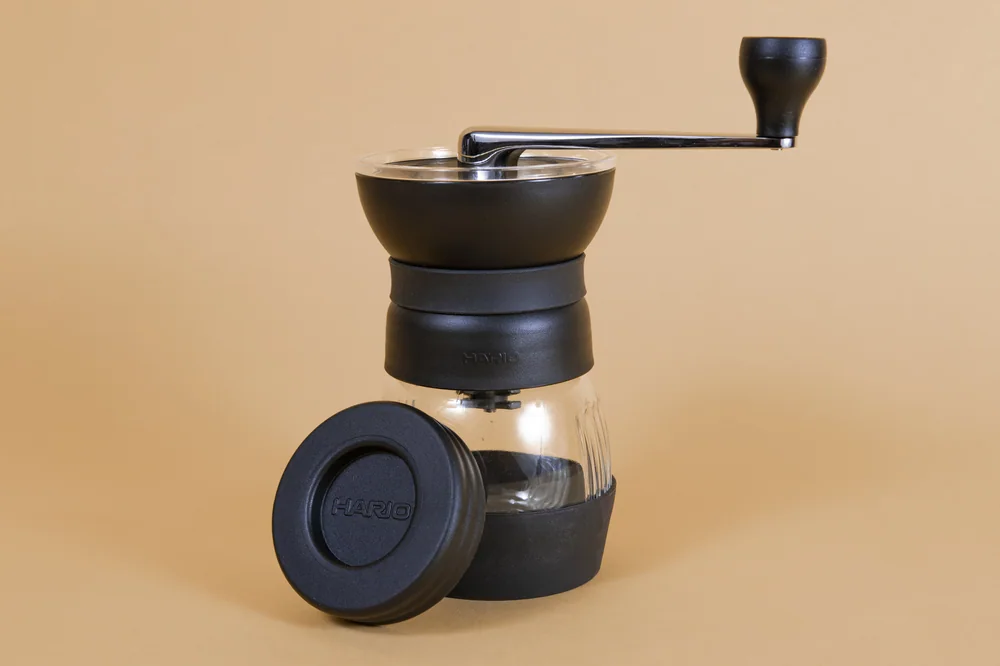
Hario shows up here with manual grinders built for portability and simplicity, using hand power instead of a motor. They are geared toward travel, camping, and small setups where speed matters less than having a compact grinder.
For most people, a burr grinder makes the bigger difference in the cup because it aims for a more even grind. A blade grinder tends to create a mix of dust and chunks, which makes brewed coffee harder to dial in.
OXO Brew Conical Burr Coffee Grinder fits the widest range of everyday brewed coffee needs. Baratza Encore Coffee Grinder also works well when you want a simple entry-level burr grinder routine.
Look for a grinder that handles coarse grinding well. OXO Brew Conical Burr Coffee Grinder and Baratza Encore Coffee Grinder both score strongly on coarse grind performance.
If you make espresso often, finer adjustment matters for dialing in shots. Baratza Encore ESP makes the most sense here because it focuses on finer control with an espresso range.
It matters for convenience more than taste. A larger hopper (like the 16 oz claimed capacity on Breville Smart Grinder Pro) means fewer refills, while smaller hoppers can encourage you to load beans more frequently.
Easy cleaning usually comes down to how quickly you can access the burr area and how little mess the grinder makes while dosing and grinding. Designs that let you remove the burrs simply, or that keep grounds contained, tend to feel much easier to live with.