Open-Back vs. Closed-Back Headphones: What Changes When You Listen?
Published Updated
Understand how open and closed headphone designs affect sound, privacy, outside noise, and the places where each one makes sense.
Open-back and closed-back headphones differ mainly in what happens behind the speaker inside each earcup. An open-back earcup has vents or a grille that lets air and sound pass through. A closed-back earcup has a solid outer shell designed to contain more of the sound. That physical difference changes both the listening experience and how much your headphones affect people nearby. Neither design is universally better. Open-back headphones are usually best for quiet, private listening at home. Closed-back headphones are more flexible because they reduce outside noise and leak less sound. Choose based on your room, your need for privacy, and whether you want to hear what is happening around you.
Reading time: 9 minutesBest for: Home listeners, office workers, commuters, and buyers deciding between private and spacious headphone listening
How the designs handle airflow
Open-back headphones use a perforated grille, mesh, or other vented structure behind the driver. The driver is the small speaker that creates sound in each earcup. Air can move more freely through this design, which reduces the enclosed feeling some listeners notice with sealed headphones. It also means outside sounds can enter easily and your music can escape.
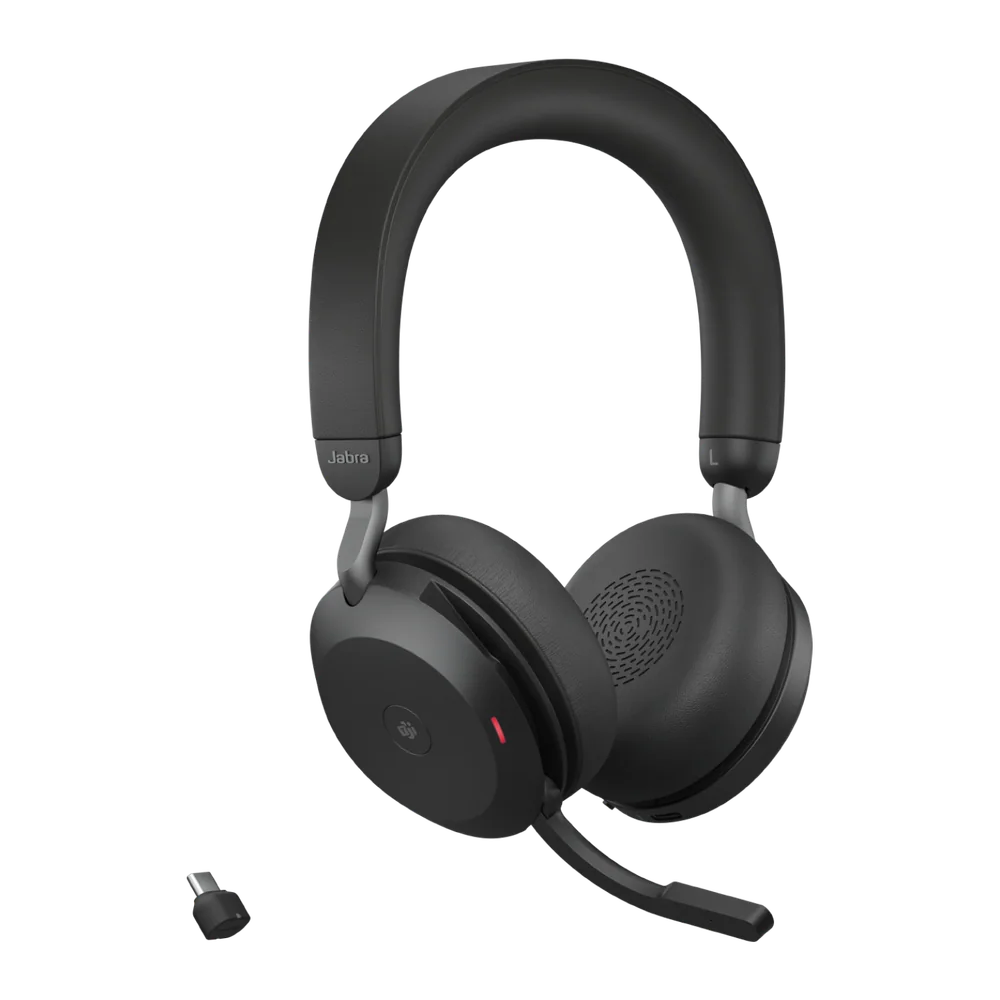
Closed-back headphones place the driver in a more enclosed chamber. The earcups and earpads work together to create a seal around your ears. This passive isolation, meaning noise reduction created by physical materials rather than electronics, can make music easier to hear in a noisy room. The seal varies with head shape, glasses, hair, and earpad condition, so the same headphones may isolate differently from one person to another.
Soundstage and bass differences
Soundstage describes the perceived size and placement of a recording. With a convincing soundstage, instruments can seem spread across a wider space rather than packed tightly between your ears. Open-back designs often create a more open, airy presentation because reflections inside the earcup are reduced. That can suit focused listening, acoustic music, orchestral recordings, and games where positional cues are useful.
Closed-back headphones can sound more immediate and can produce strong bass, partly because the earcup seal helps retain low-frequency energy. That does not mean every closed-back pair has more bass or every open-back pair sounds wider. Driver design, earcup shape, earpads, and tuning matter greatly. Compare the overall balance, including vocals and treble, instead of choosing solely on the assumption that one enclosure style guarantees a certain sound.
Noise leakage and isolation
Sound leakage is the music that people around you can hear. Open-back headphones leak substantially because the earcups are intentionally vented. In a quiet shared room, someone nearby may hear vocals, cymbals, or the general rhythm even at a moderate volume. They also let in conversations, keyboard noise, television sound, and traffic, which can interrupt quiet details in music.
Closed-back headphones usually leak less and block more outside sound, though they are not silent to others and do not isolate like purpose-built hearing protection. They are the sensible choice for libraries, offices, public transit, flights, and homes where other people are sleeping or watching television. If you need stronger reduction of steady engine or HVAC noise, look for closed-back headphones with active noise cancellation as well.
Where each style belongs
Choose open-back headphones when you have a quiet room, do not need privacy, and want to remain aware of your surroundings. They work well at a desk, in a dedicated listening area, or during relaxed home sessions. Because they admit outside sound, they are a poor fit for commuting, air travel, noisy households, and any setting where you need to concentrate despite interruptions.
Choose closed-back headphones when you need flexibility and containment. They are better for work calls in a shared space, travel, recording, gaming near other people, and everyday listening around household noise. Before buying, consider how long you wear headphones. Closed designs can feel warmer over time, while open designs may be more comfortable in a warm room. Earpad depth, clamp force, and weight still matter more than the enclosure label alone.
What this guide helps you understand
Pick open-back headphones for quiet private spaces and a more open presentation, or closed-back headphones when isolation, privacy, and everyday versatility matter.
Think about the quietest and noisiest places where you expect to listen.
If you share a room, play a sample at your normal volume and ask whether leakage would be disruptive.
Check whether replacement earpads are available, since worn pads can weaken comfort, bass, and isolation on closed-back headphones.
Technique notes
Open-back headphones do not protect music from dust, spills, or outdoor weather. Store them in a clean, dry place.
For closed-back headphones, wipe earpads with a soft dry or lightly damp cloth as appropriate for the material, and let them dry before use.
Safety note: Do not raise volume to overcome loud surroundings. Use a quieter location, better isolation, or noise cancellation when possible.