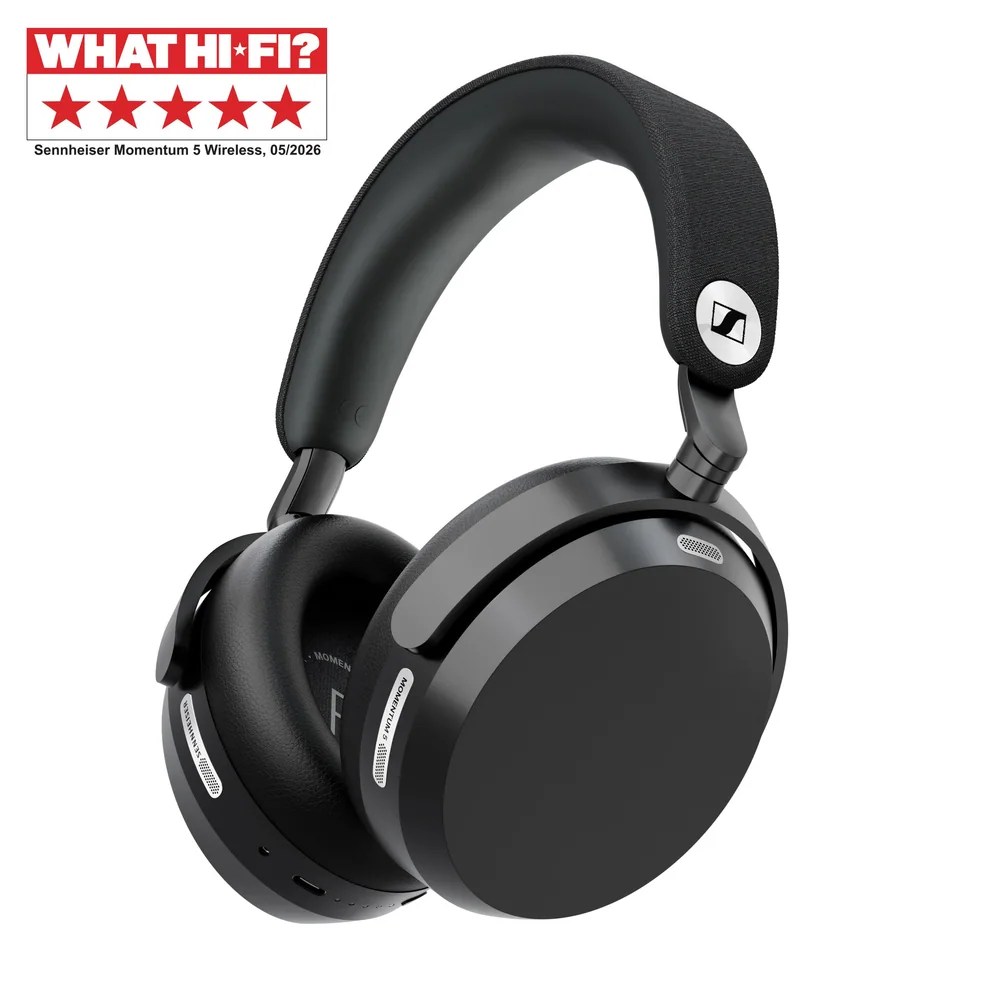
Over-Ear Headphones vs. Earbuds: Which Fits Your Day Better?
Published Updated
Over-ear headphones favor comfort and isolation, while earbuds win on pocketability, but your routine decides which tradeoff feels better.
The wrong pair tends to reveal itself at the worst possible moment: a headband starts pinching halfway through a flight, an earbud slips loose during a run, or a bulky pair gets left at home because it will not fit in the bag. Sound matters, of course, but the format you will actually wear is the one that earns its place in your day. For long listening, travel, desk work, and a stronger sense of being inside the music, over-ear headphones usually have the advantage. For commuting light, taking calls between errands, and carrying music without planning around it, true wireless earbuds are usually the easier choice. The better format is not the one with the longer feature list. It is the one that creates the fewest small annoyances in the places you listen most.
Reading time: 9 minutesBest for: Listeners deciding between wireless over-ear headphones and true wireless earbuds
Over-ear headphones solve the long-session comfort problem
If music, meetings, movies, or podcasts regularly stretch past an hour, over-ear headphones are often the safer bet. Their ear cups surround the ears rather than pressing into the ear canal, and the headband spreads their weight across the head. A well-shaped pair can feel less fussy than earbuds that need occasional reseating, especially for desk work, long flights, or an evening album session.
That advantage is not automatic. Clamp force, the pressure a headband applies at the sides of your head, can turn a promising pair into a headache. Glasses can also break the seal around the ear pads, changing both comfort and bass response. Look closely at pad depth, headband adjustment, and weight, then remember that a pair worn for three hours has a different job from one worn for a 20-minute train ride.
Earbuds solve the carry-it-everywhere problem
True wireless earbuds disappear into a pocket, which is their great practical talent. The charging case keeps them together, tops them up between uses, and makes it easy to bring them along without dedicating space in a backpack. For a commuter who moves from sidewalk to train to office, or someone who wants music available after a workout, that convenience can outweigh the fuller physical presence of over-ear headphones.
The catch is that earbuds ask more of your ears. Their tips and housings need to stay put without creating pressure, and a poor seal can make bass sound thin while letting in more outside noise. Ear shape is stubbornly personal, so multiple tip sizes are useful only if one actually creates a secure, comfortable seal. If earbuds slowly loosen while you talk, chew, sweat, or turn your head, their compactness will not rescue the experience.
Noise control changes the commute more than sound specs
For planes, trains, shared offices, and steady HVAC hum, over-ear headphones generally offer the more enveloping escape. Their pads provide passive isolation by physically blocking some sound before electronics enter the picture. Many also use active noise cancellation, or ANC, which relies on microphones and processing to reduce steady external noise such as engine rumble. The result can make a long trip feel less tiring at a lower listening volume.
Noise-canceling earbuds can be remarkably effective, particularly when their tips seal well, and they are far easier to pack. Still, do not read an ANC claim as a promise of silence. Low, steady noise is usually easier to reduce than nearby conversation, sudden announcements, or a crying child several rows away. If quiet is the central reason for buying, favor the format you can wear comfortably for the full length of the noisy stretch, not the one with the boldest cancellation claim.
Calls expose the difference between quiet rooms and real life
At a desk in a quiet room, either format can handle ordinary calls well. Over-ear headphones often feel more settled for back-to-back meetings because there is nothing in the ear canal and the larger controls can be easier to find without looking. They also make it simpler to stay in a focused work mode, particularly when outside chatter is the distraction you are trying to escape.
Outside, earbuds face a harder assignment. Their microphones must separate your voice from wind, traffic, café noise, and the rustle of a jacket collar. Some manage this better than others, but no small microphone array can repeal a gusty sidewalk. If calls are a major part of your day, think about where they happen. A commuter taking quick calls may value earbuds' convenience; someone leading long meetings from a desk may prefer the steadier comfort of over-ears.
Workouts and weather favor a lighter, more secure format
For running, gym sessions, and active errands, earbuds are usually the more sensible format. They do not trap as much heat around the ears, they move less dramatically with a quick head turn, and they are less cumbersome under a hood or hat. A secure fit matters more than a dramatic sound signature here. An earbud that stays sealed through a sprint is more useful than one that sounds wonderful while sitting still.
Over-ear headphones can work for walking or light exercise, but sweat, heat, and a shifting headband make them less natural for hard training. They also take up more room once the workout ends. If you run or walk near traffic, consider whether you need awareness rather than isolation. Transparency mode uses microphones to feed outside sound through conventional earbuds, while open-ear headphones sit near the ear and leave the surroundings more available. Neither approach replaces paying attention, but both can make a route feel less cut off from the world.
Your source device and charging habits can settle the tie
Wireless convenience has a quiet maintenance cost: charging. Earbuds are easy to recharge in their case, but the case itself can run empty at an inconvenient time. Check the earbuds' single-charge runtime with the settings you expect to use, especially ANC, rather than relying only on a large total-battery figure. A case that supplies several recharges is helpful, but it does not help much if one listening session will not cover your commute, workout, or flight.
Over-ear headphones usually offer longer listening time from one charge, though they are another larger item to remember and pack. Both formats depend on Bluetooth, the wireless connection between the headphones and your phone, computer, or other source. Before choosing, consider your laptop, console, airplane seat system, and older equipment. Some situations call for a cable or adapter, and not every wireless pair works equally smoothly with every device. The least glamorous compatibility check can prevent the most annoying purchase mistake.
What this guide helps you understand
Choose over-ear headphones when long-wear comfort, stronger isolation, and immersive listening shape your day; choose true wireless earbuds when portability, workouts, and effortless everyday carry matter more.
List your three most common listening settings and estimate how long each session lasts.
For earbuds, confirm that several tip sizes are included and prioritize a secure seal over a flashy sound claim.
For over-ear headphones, check weight, ear-pad depth, and whether you wear glasses for long stretches.
Verify compatibility with your phone, laptop, console, airplane audio setup, or any device you use regularly.
Compare single-charge battery life with ANC enabled if you expect to use noise cancellation often.
Technique notes
A comfortable fit is not a minor preference. It affects bass, noise isolation, call confidence, and whether the headphones get used at all.
Bluetooth codec support can affect wireless audio quality, but fit, sound tuning, and connection stability usually make the bigger daily difference.
Open-back over-ear headphones are a poor fit for noisy offices and shared rooms because they let outside sound in and leak your audio outward.
Safety note: Keep volume moderate, and use awareness-friendly listening options when running or walking near traffic, cyclists, or other hazards.