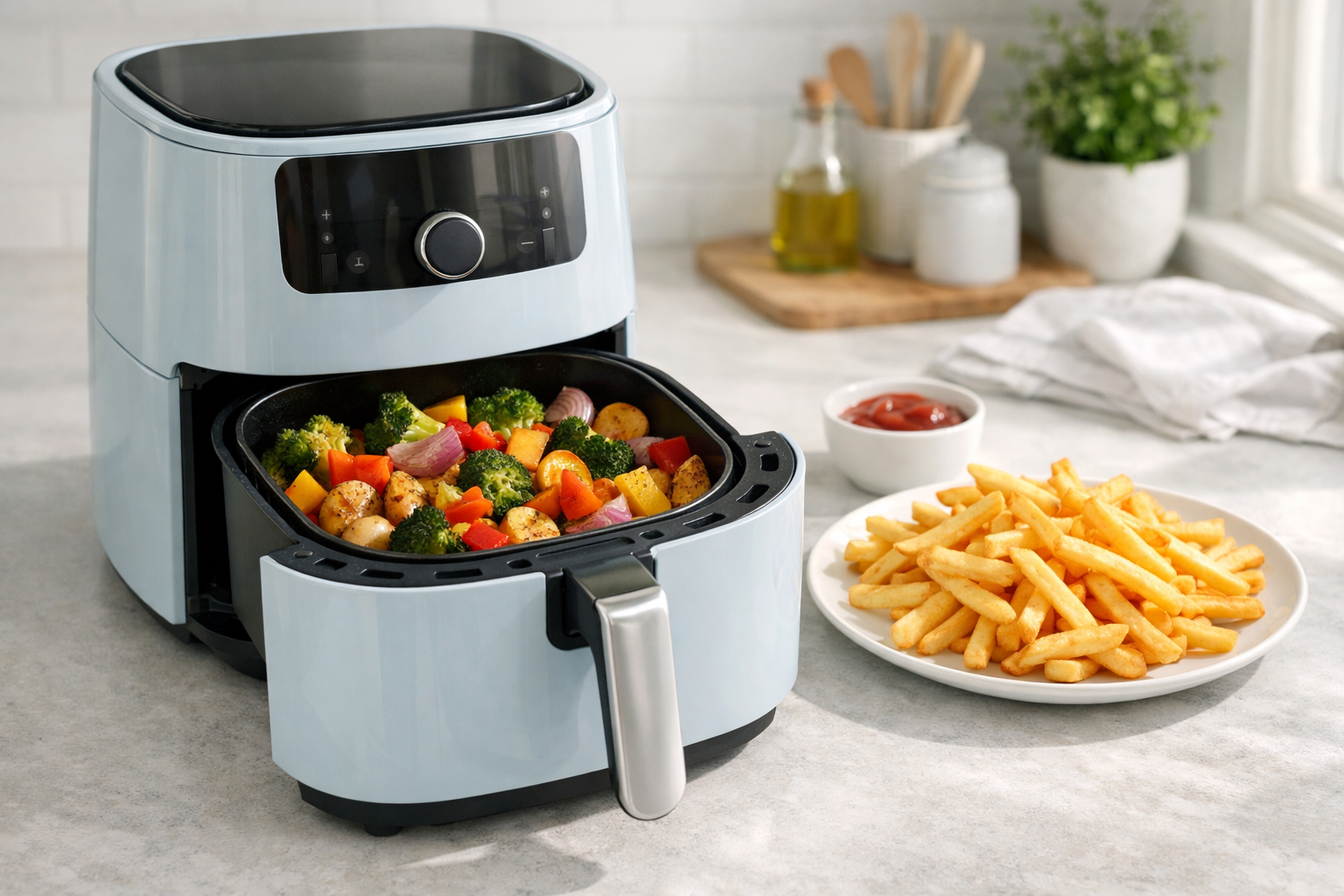
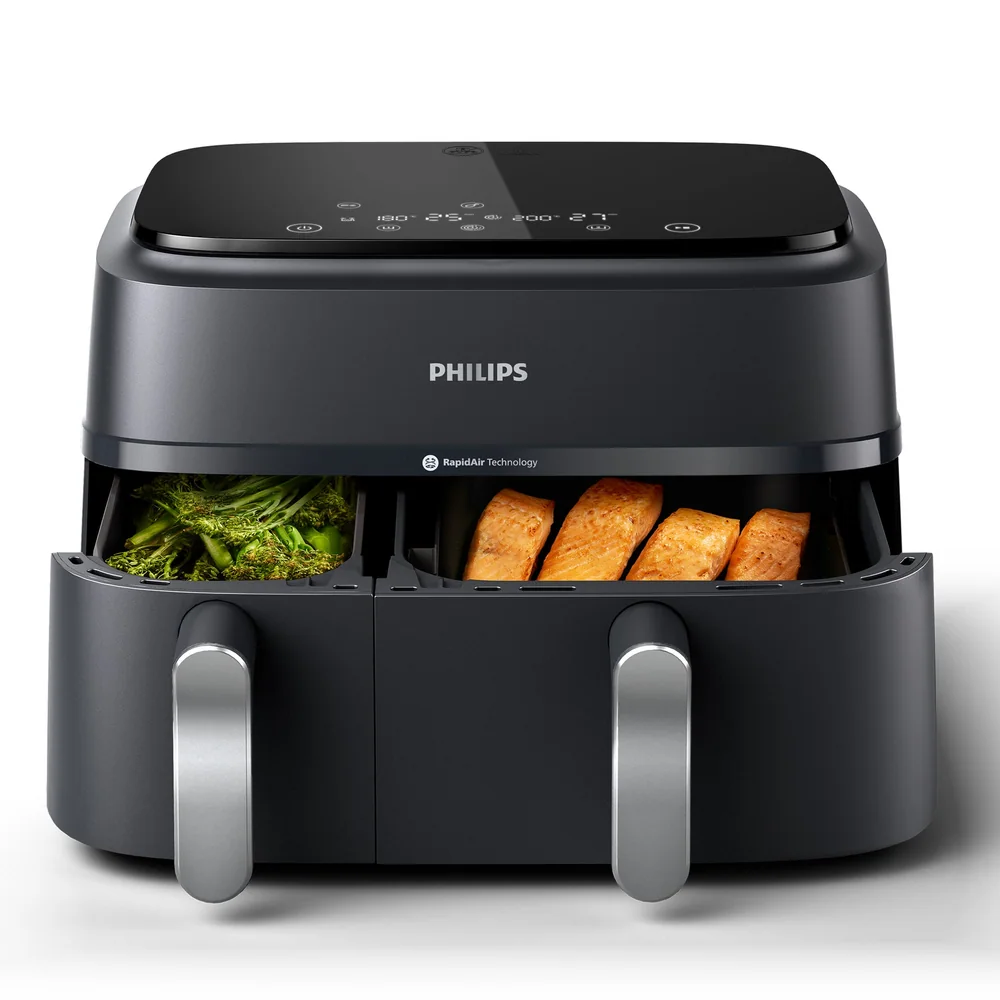
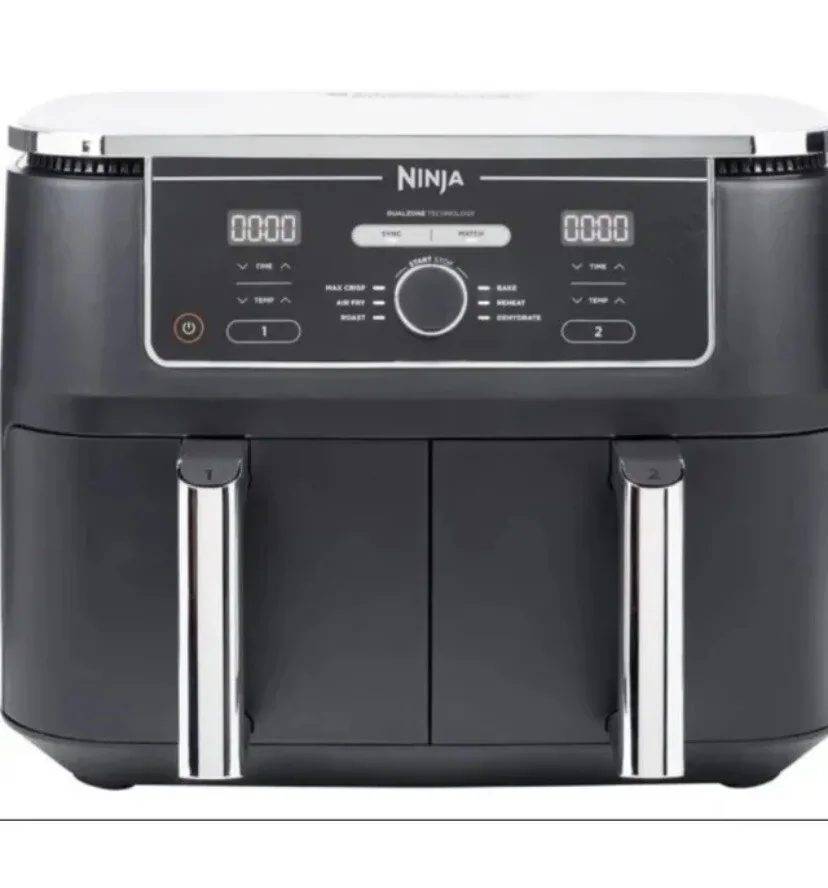
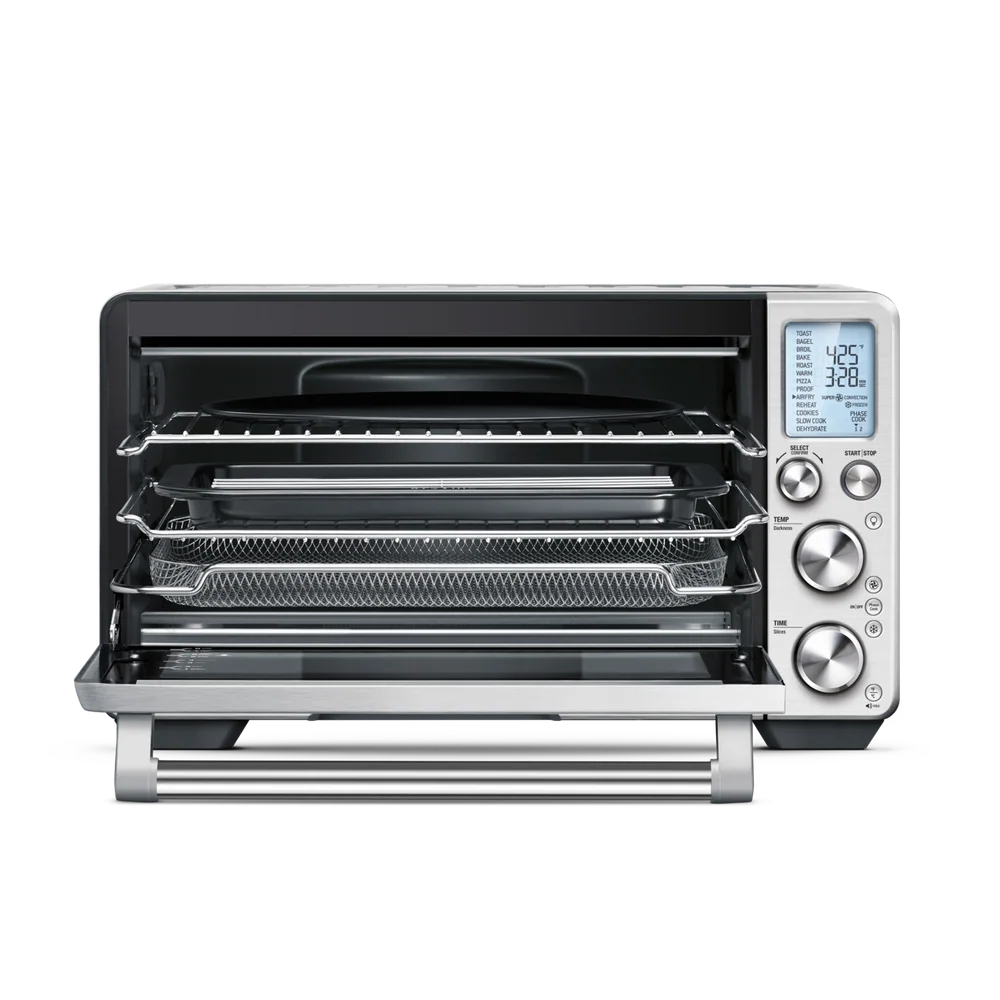
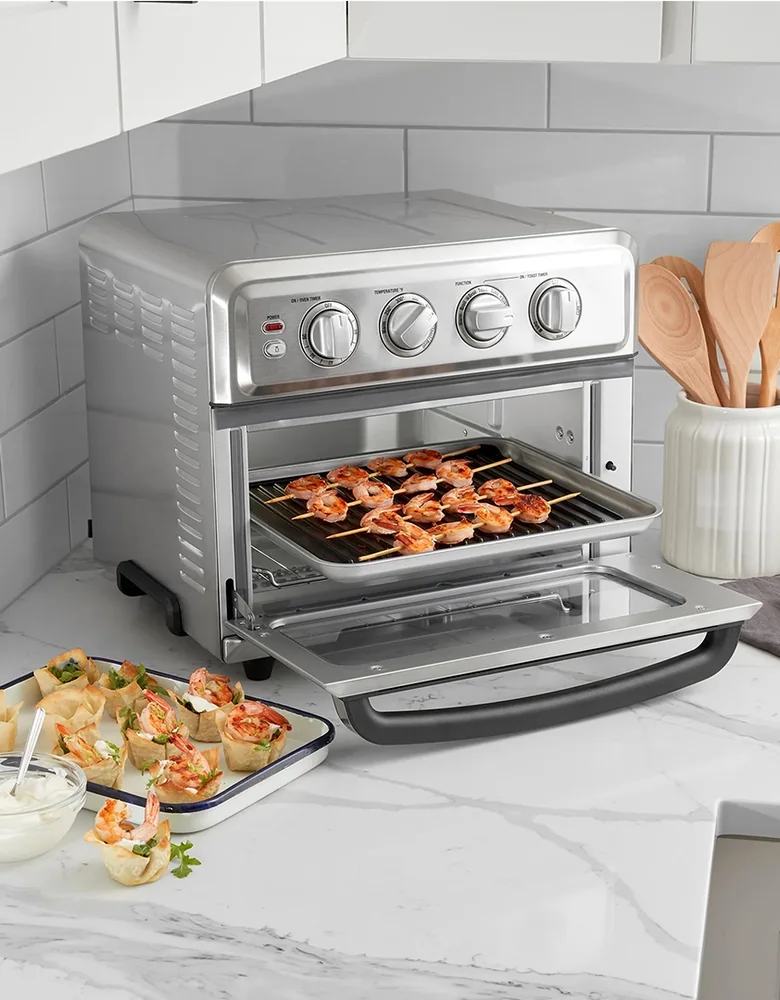
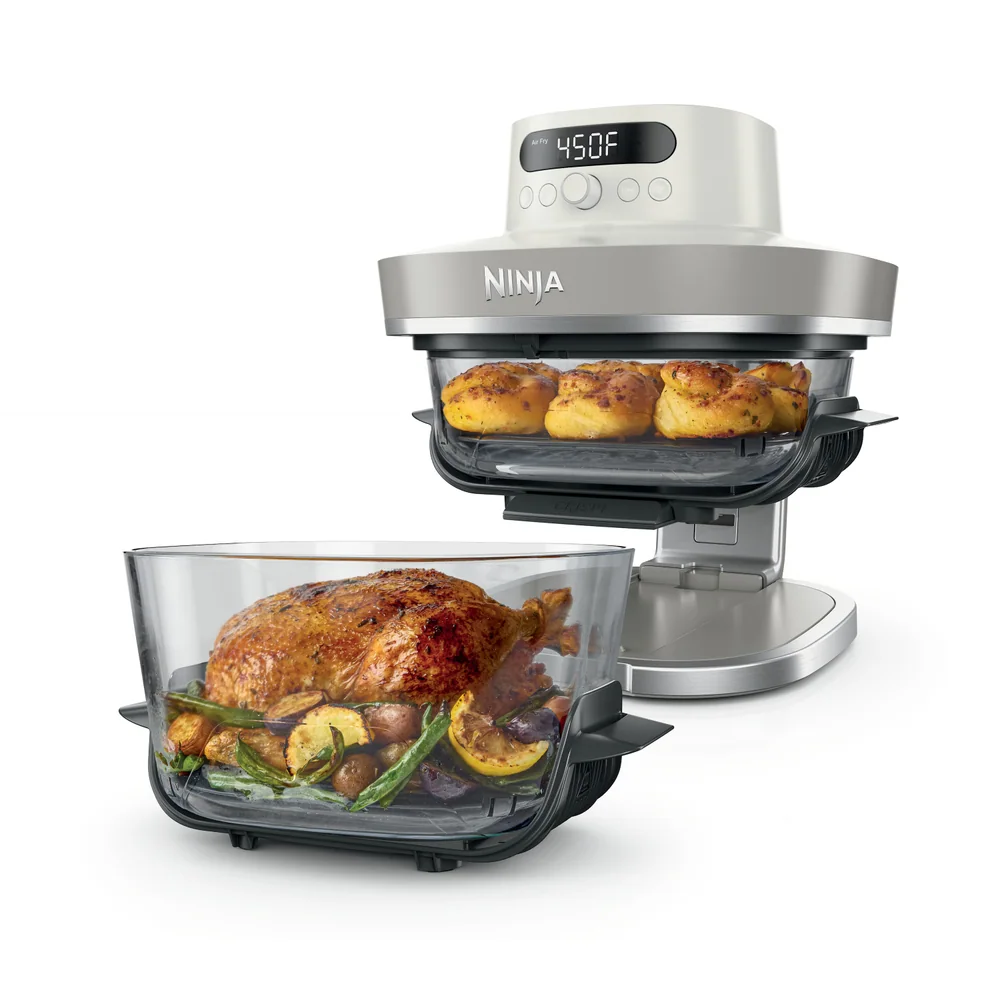
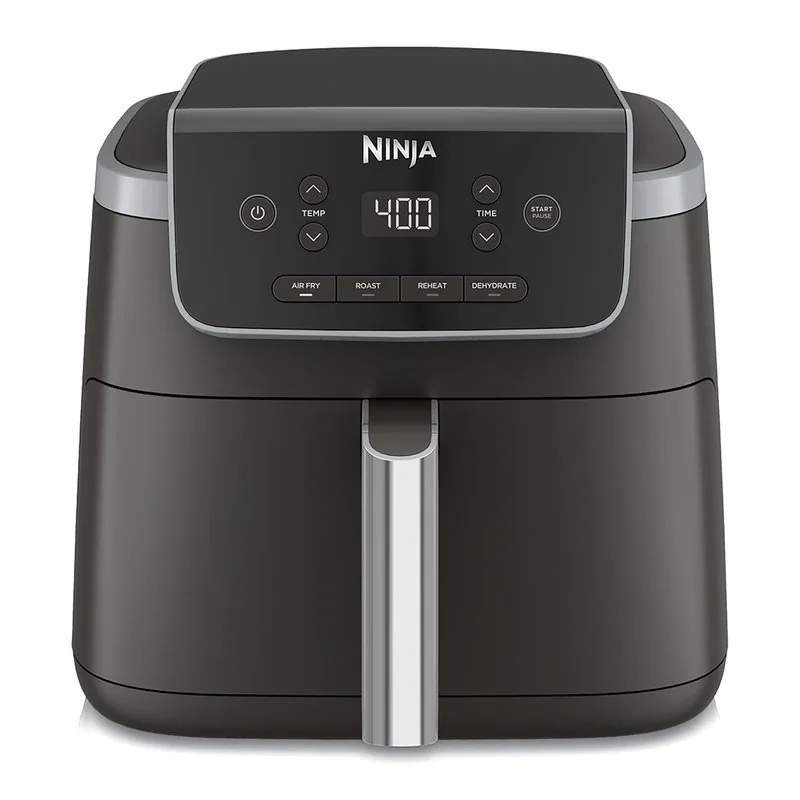
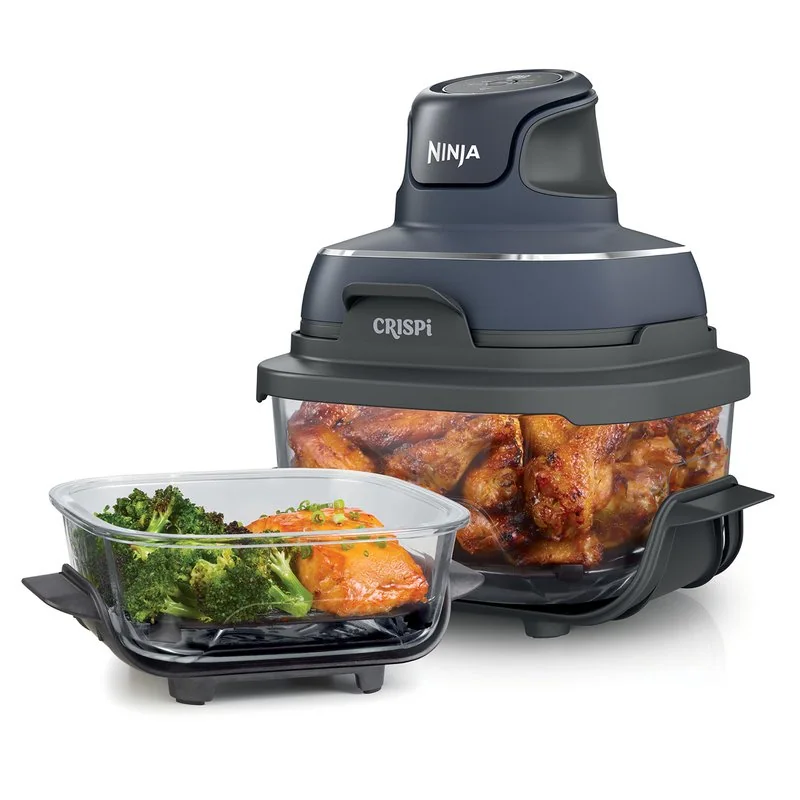
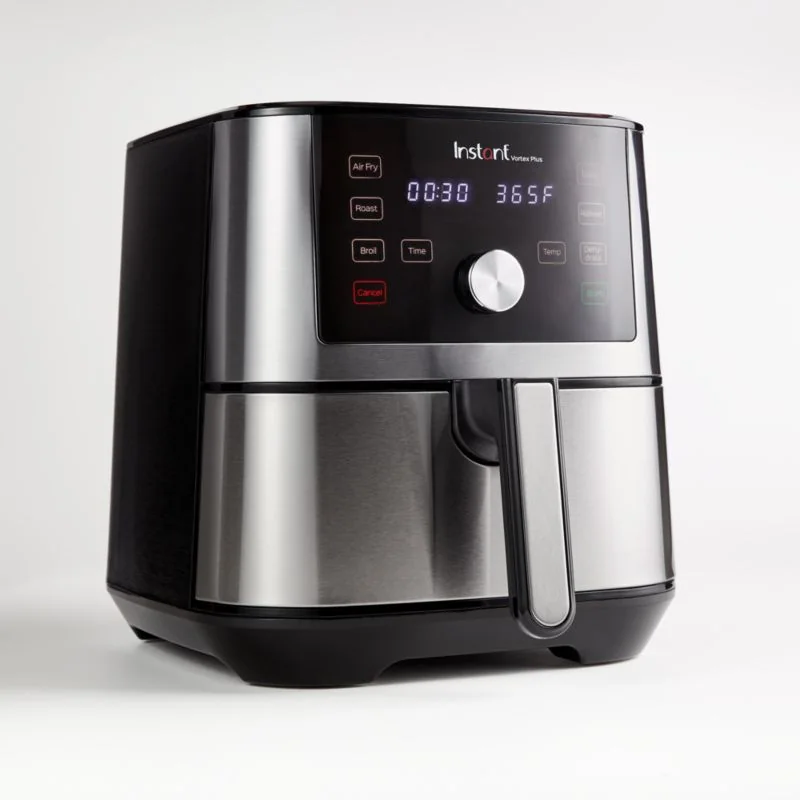
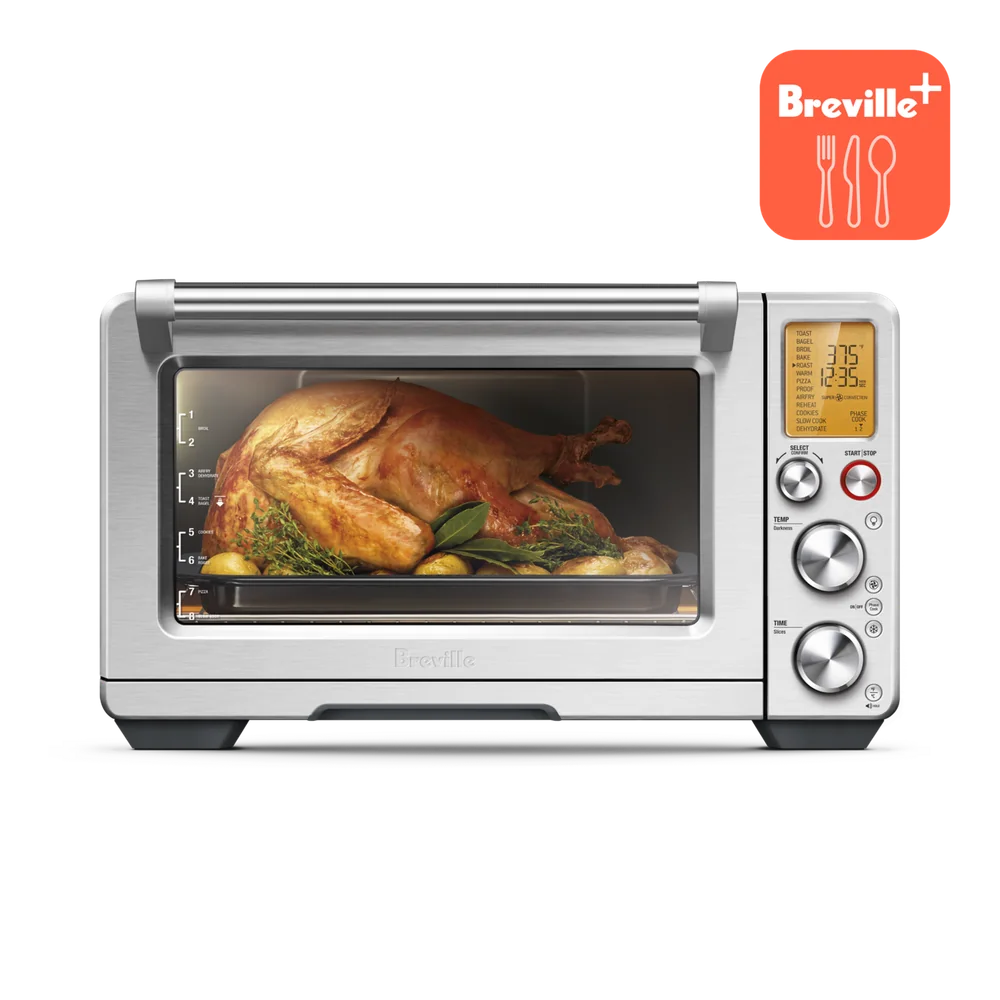
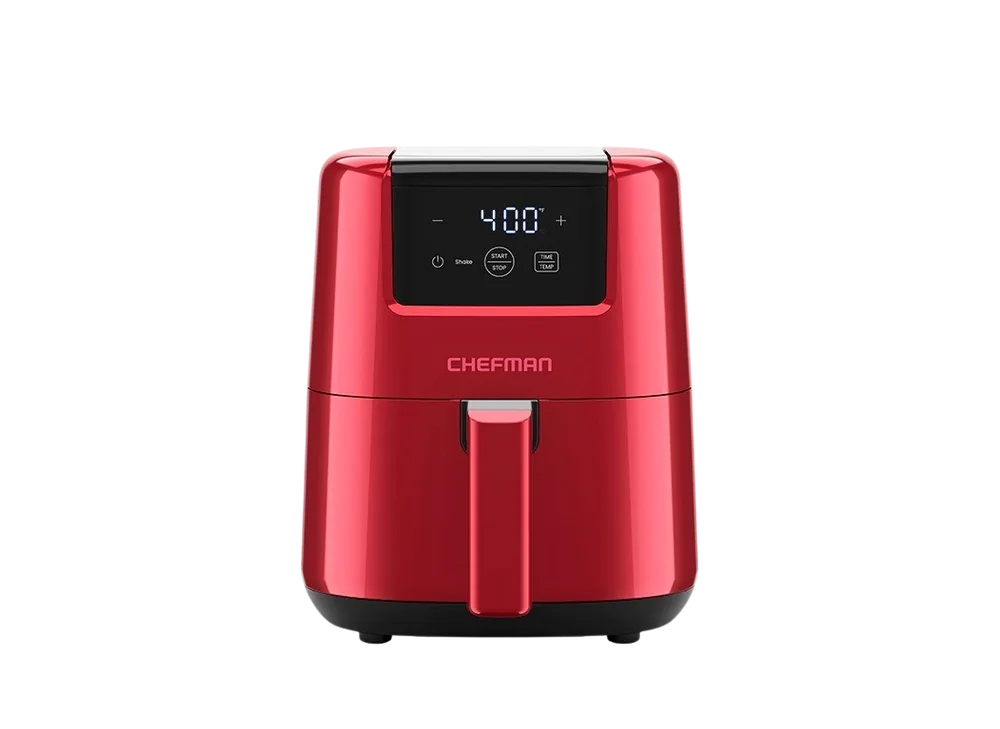
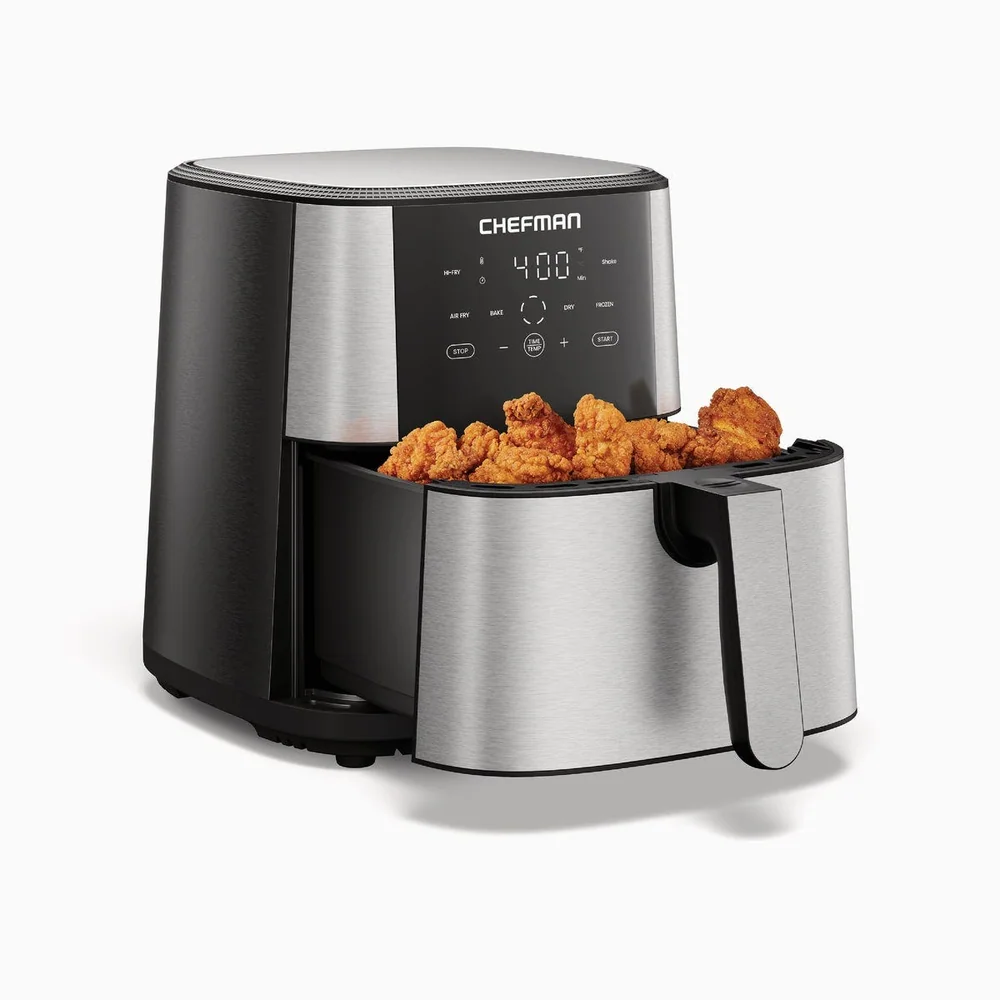
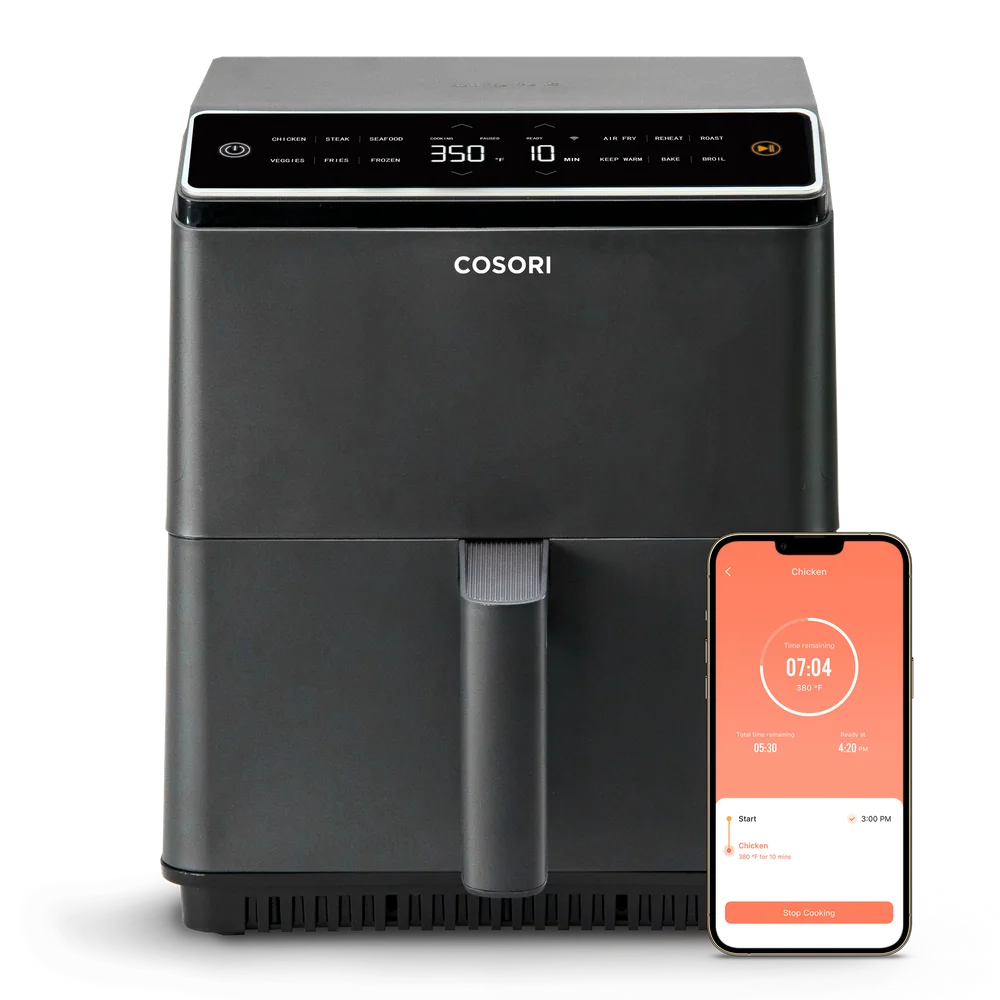
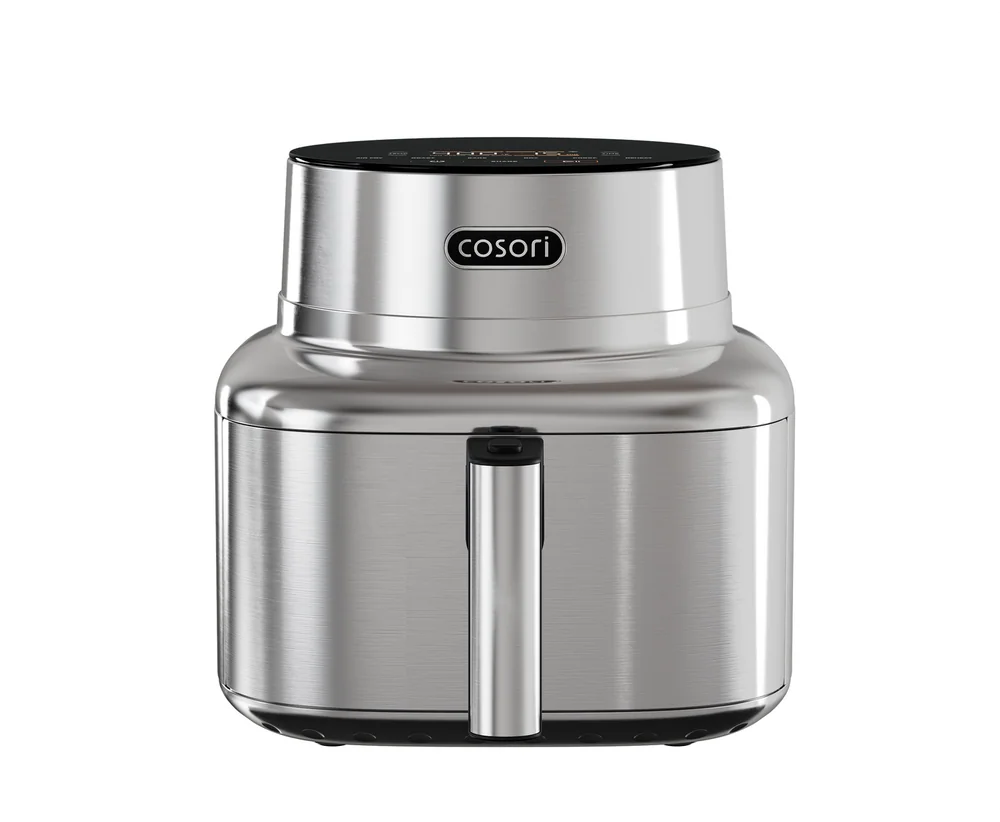
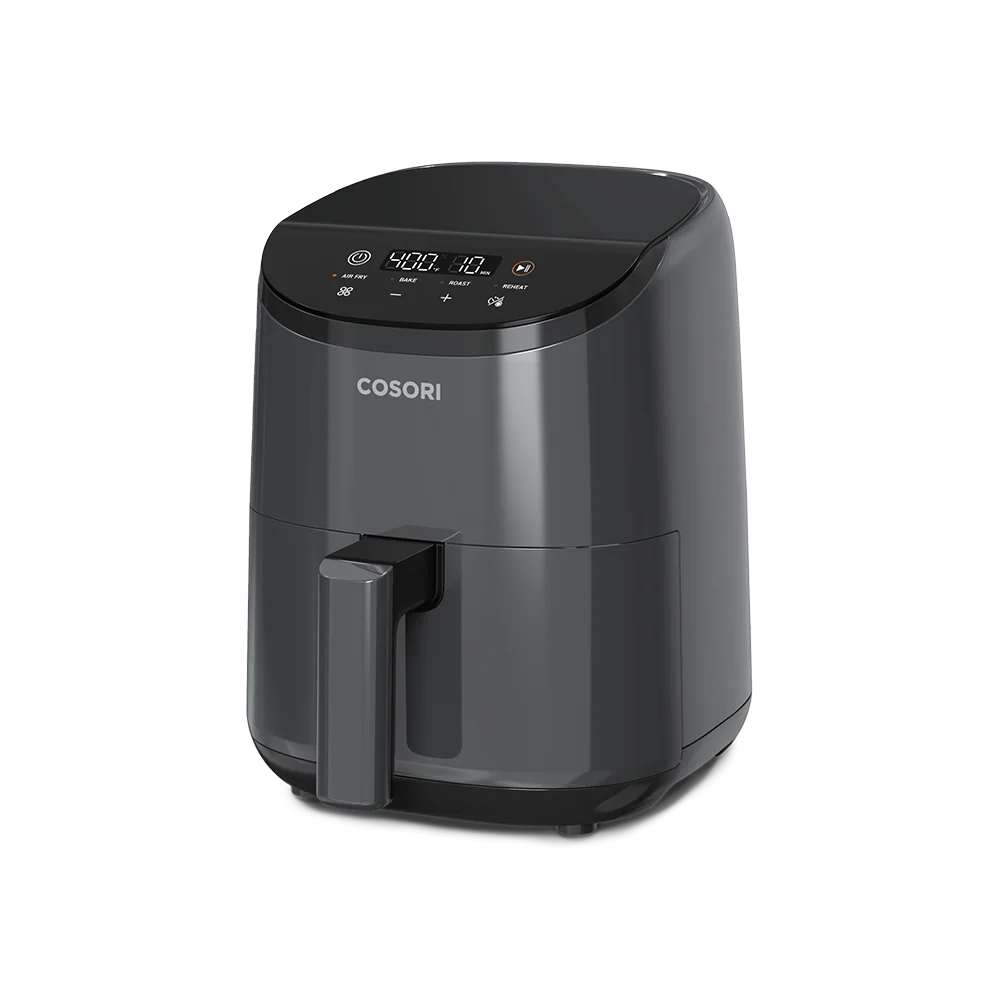
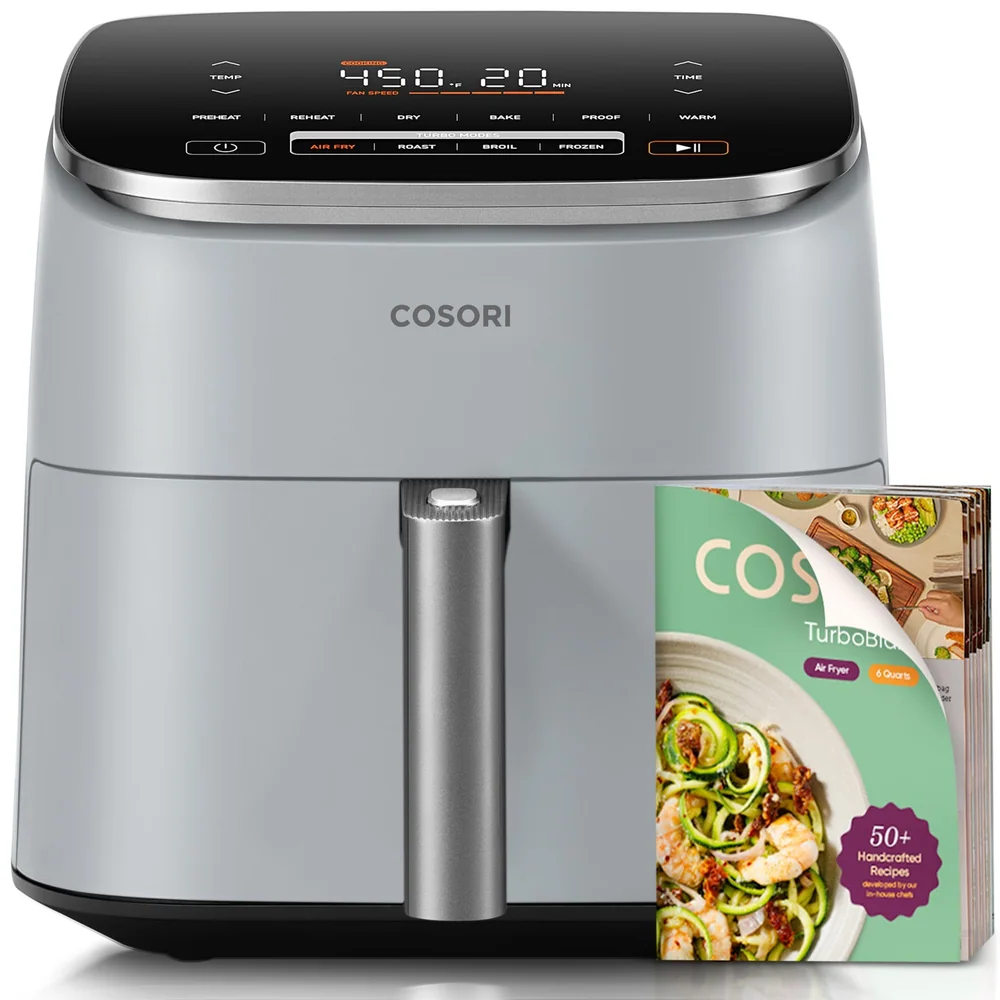
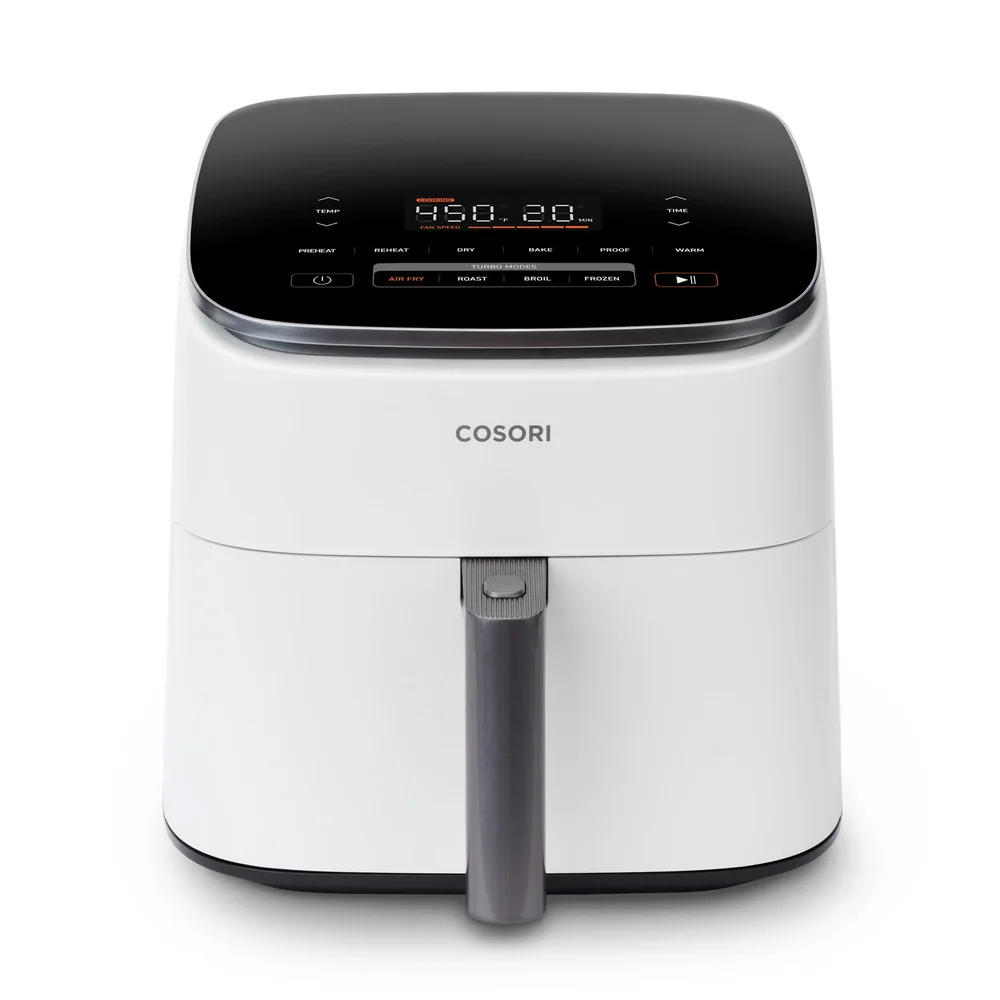
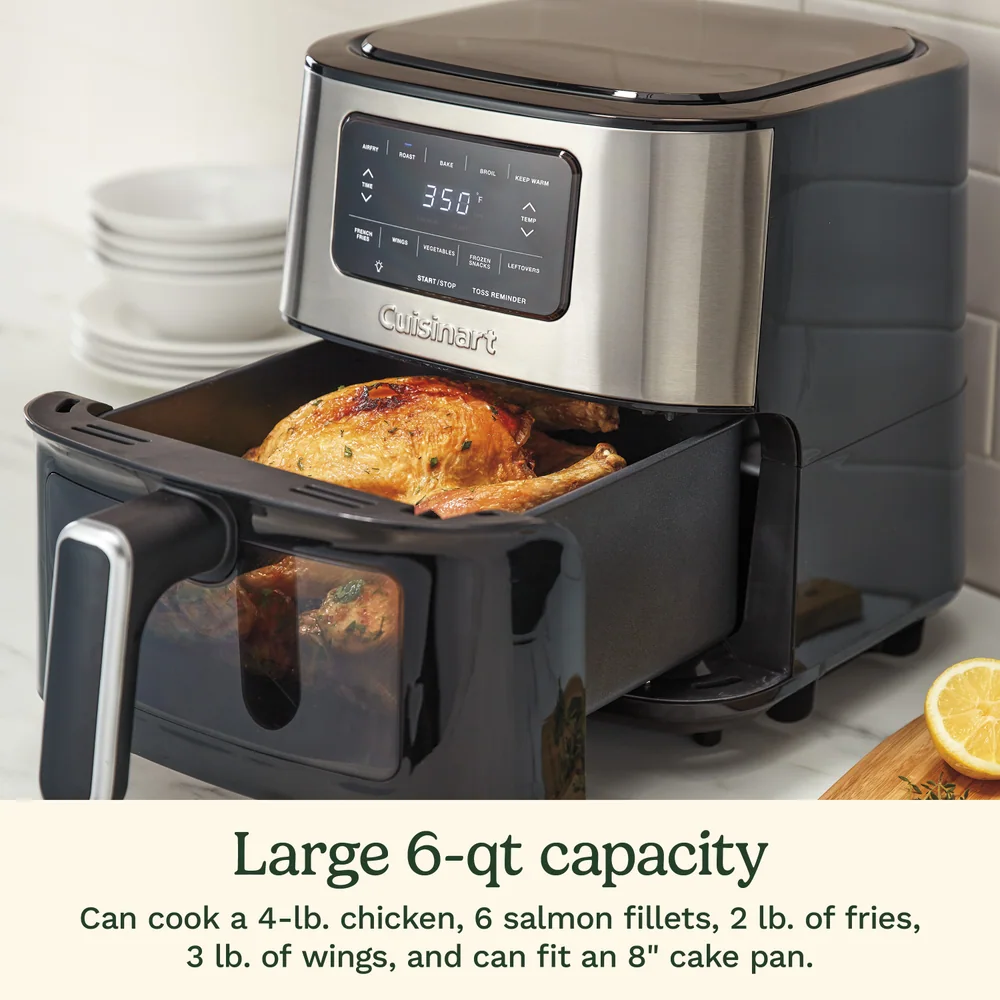
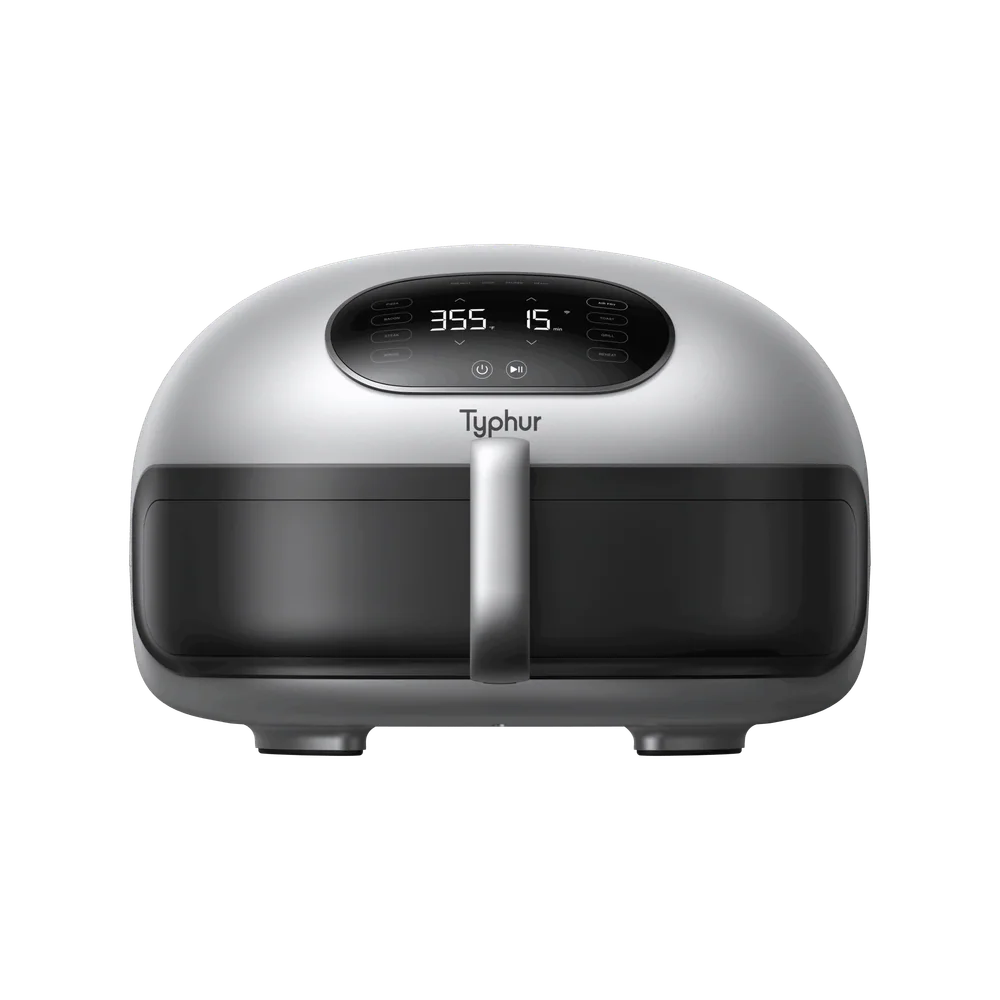
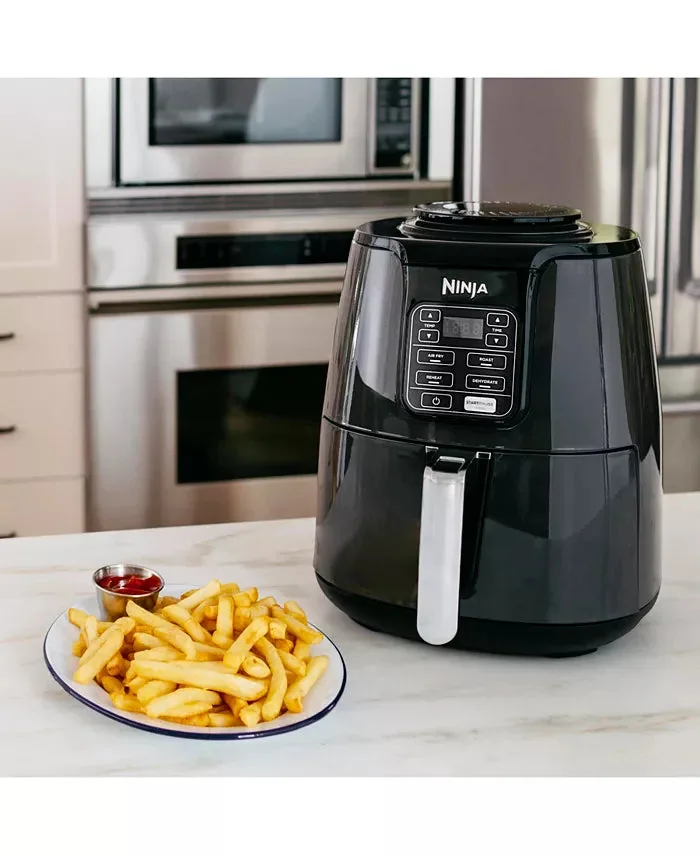
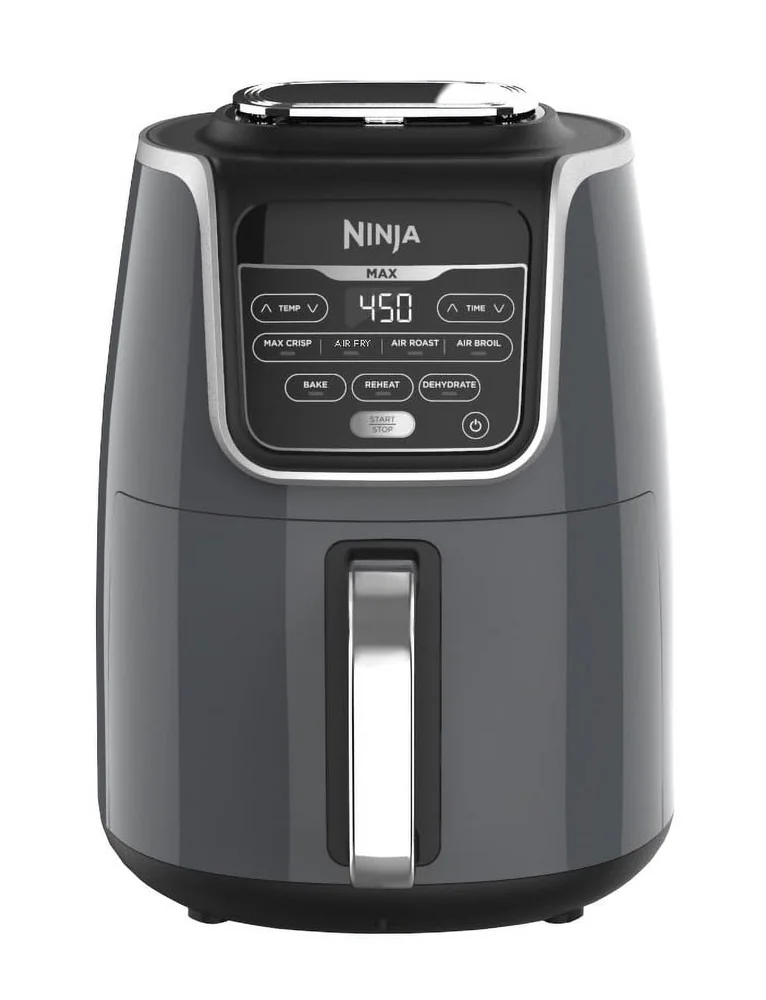
An air fryer is a compact convection cooker. Convection means a heating element warms the air while a fan circulates that hot air around the food. The moving air cooks the food and, just as importantly, helps dry its outside surface. That drying action is the main reason fries, wings, breaded foods, and leftovers can develop a crisp exterior. It is not a deep fryer. Deep frying surrounds food with hot oil, while an air fryer relies mostly on hot air and the small amount of oil already in the food or added to its surface. Air-fried food can be browned and crisp, but the result depends on moisture, spacing, food shape, and how often you turn or shake it.
In a conventional oven, hot air naturally moves around the cavity, but it can be relatively still. An air fryer uses a fan to push hot air quickly around a small cooking chamber. Because the chamber is compact and the food sits close to the heat source, the appliance heats up quickly and transfers heat efficiently to exposed surfaces. A perforated basket or crisper plate lifts food above the lower pan so air can reach underneath as well as around the sides. This setup works best when air has a path around each piece. A basket packed to the rim becomes more like a small steamer. Food releases water as it heats, and that moisture gets trapped between pieces instead of escaping. The result can be cooked food with pale, soft spots. Leaving gaps, cooking in batches, and shaking loose foods halfway through restores airflow and gives more surfaces a chance to brown.
Food gets crisp when its exterior loses enough moisture for browning to take place. As the surface heats, water evaporates. Once the surface is no longer very wet, it can become firmer, darker, and more flavorful. This is why frozen fries, dry-seasoned wings, and breaded cutlets often suit an air fryer. Their surfaces can dry while the inside warms or cooks through. Wet foods need more preparation. Pat raw proteins dry before seasoning, and drain or blot foods that come from a marinade. Add thick sauces near the end when possible, since a sugary or wet coating can darken before the food is cooked and can leave the basket messy. Traditional liquid batter is usually a poor fit because it can drip through the perforations before it sets. Use a dry breading, a coating that has been allowed to firm up, or an oven-safe pan when the recipe requires a wet mixture.
What this means when shopping: Food gets crisp when its exterior loses enough moisture for browning to take place. As the surface heats, water evaporates. Once the surface is no longer very wet, it can become firmer, darker, and more flavorful. This is why frozen fries, dry-seasoned wings, and breaded cutlets often suit an air fryer. Their surfaces can dry while the inside warms or cooks through. Wet foods need more preparation. Pat raw proteins dry before seasoning, and drain or blot foods that come from a marinade. Add thick sauces near the end when possible, since a sugary or wet coating can darken before the food is cooked and can leave the basket messy. Traditional liquid batter is usually a poor fit because it can drip through the perforations before it sets. Use a dry breading, a coating that has been allowed to firm up, or an oven-safe pan when the recipe requires a wet mixture.