
Apple Launch Analysis
Everything Apple Announced in September 2026
Published Updated
Apple's first foldable iPhone is the headline, but the more useful story is spread across six products: a new camera aperture, two different health-tracking claims, a battery number worth taking seriously, and an earbud that can't quite do what a sealed tip does. Here's how to think about each one before you spend money.
The complete hardware slate
Six products, and four separate decisions worth making carefully
On September 9, Apple announced iPhone Duo, iPhone 18 Pro, iPhone 18 Pro Max, Apple Watch Series 12, Apple Watch Ultra 4, and AirPods 5. There was no standard iPhone 18 and no new Apple Watch SE at this event, so anyone waiting on either of those should keep waiting.
Every product here has a different risk profile. Duo is a first-generation form factor at a first-generation price. The Pro phones are an iterative, lower-risk camera and battery update. The two watches share a health-sensing story that still needs independent confirmation. AirPods 5 solves a real problem for one specific kind of listener and does nothing for another. The table below has the full price and release calendar; the sections after it explain what each number actually changes for a buyer.
| Product | U.S. starting price | Preorder | Availability | Main change |
|---|---|---|---|---|
| iPhone Duo | $1,999 | October 16 | October 23 | Apple's first foldable iPhone |
| iPhone 18 Pro | $1,199 | September 12 | September 18 | Variable-aperture main camera |
| iPhone 18 Pro Max | $1,299 | September 12 | September 18 | Same camera system, largest battery gain |
| Apple Watch Series 12 | $399 | September 9 | September 18 | New Health Sensing System and readiness score |
| Apple Watch Ultra 4 | $799 | September 9 | September 18 | Up to 50 hours regular use, 84 in Low Power Mode |
| AirPods 5 | $129 / $149 | September 9 | September 18 | Active noise cancellation added to open-ear design |
The short version: if you want a genuinely new kind of iPhone and can absorb the risk of a first-generation product, Duo is the interesting purchase. If you want the safest possible upgrade, the Pro phones and either watch are far more predictable bets, and AirPods 5 is easiest to consider if the open-ear fit already works for your ears, though its ANC and battery claims still need independent testing.
The main event
iPhone Duo gives Apple users a foldable without asking them to leave iOS
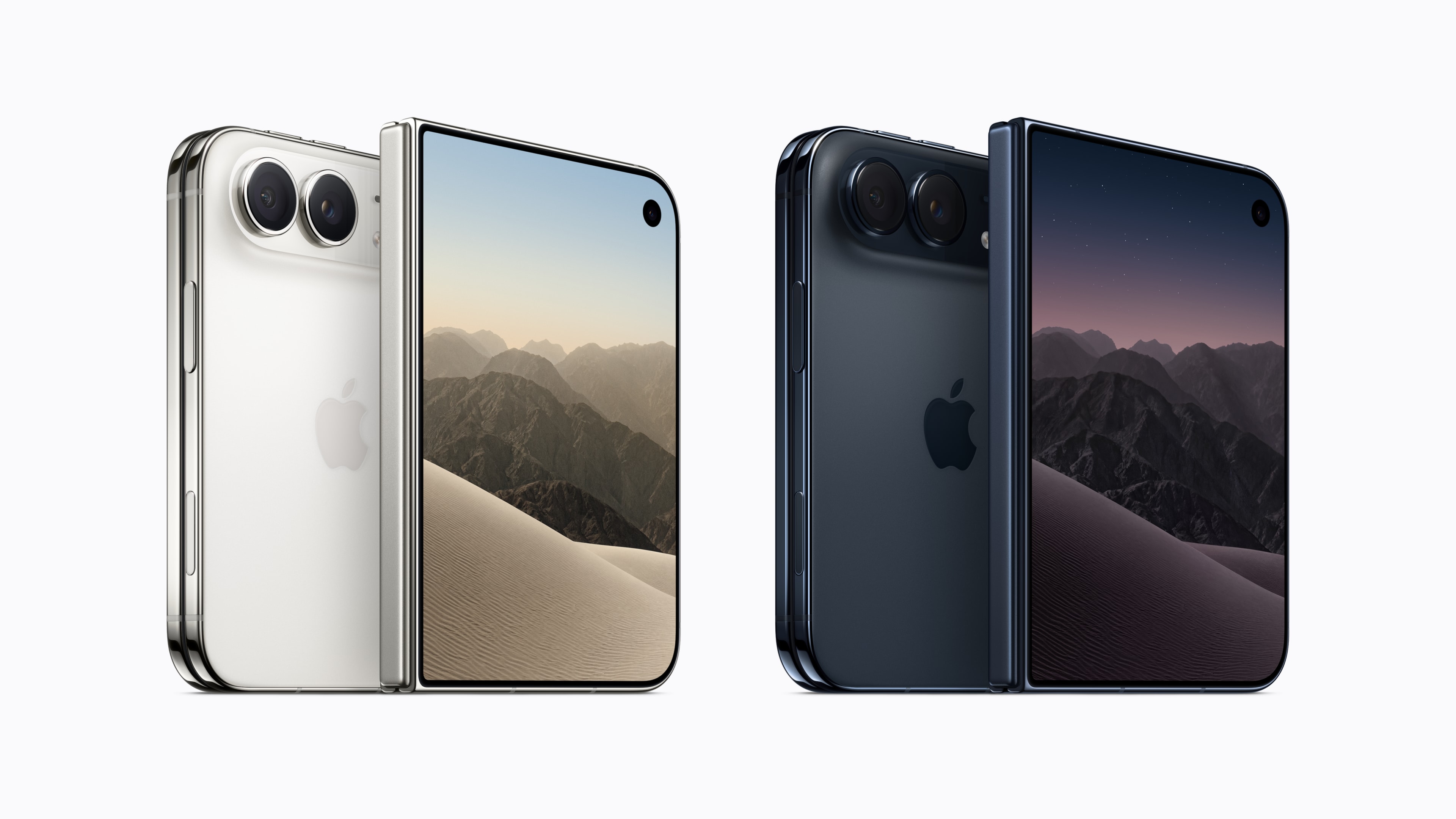
iPhone Duo is a book-style foldable: a 5.4-inch outer OLED display for one-handed use and a 7.6-inch inner OLED display that opens into something closer to a small tablet. Both run ProMotion, Always-On, and a claimed 3,000-nit peak outdoor brightness. Apple says the outer screen covers 90 percent of the screen area of iPhone 18 Pro, and the inner screen is 50 percent larger than iPhone 18 Pro Max. That framing matters: Duo isn't pitched as a bigger phone, it's pitched as a phone that becomes a different device when you open it.
The hardware runs A20 Pro, the same chip in the Pro line, with a custom vapor chamber to manage heat inside a folding chassis. Apple claims 20 percent faster CPU performance and 40 percent faster GPU performance than A19 Pro, plus 50 percent more memory bandwidth. Those are Apple's numbers, not independently measured results, and they should be read as an upper bound until someone runs the phone through sustained workloads rather than a keynote demo.
iOS 27.1 is built around the second screen: two apps side by side, two windows from the same app, saved app pairs, half-fold modes, and StandBy without needing to charge. MacRumors, in a hands-on look, confirmed that side-by-side apps split into equal halves rather than allowing free resizing, which is a real limitation next to how flexible desktop multitasking or a mature Android foldable can be. TechRadar found the interface intuitive when moving a photo from one pane to Messages in another, but noted that StandBy itself wasn't immediately obvious to a new user. These are short demonstrations, not verdicts on how the software holds up over months of actual use.
Now the numbers that matter for daily behavior. Apple claims up to 24 hours of mixed use across both displays, 44 hours of outer-display video playback, and 31 hours of inner-display video playback. Read those together, not separately. If owning Duo means opening it frequently to use the big screen, which is the entire reason to buy the thing, the blended 24-hour figure is the one that will govern your actual day, not the more flattering 44-hour number that assumes you mostly leave it closed. A phone bought for its inner display and then used like an outer-display-only phone to preserve battery defeats the purpose of the purchase.
Camera-wise, Duo carries a 48MP main and 48MP ultrawide, with no dedicated telephoto; the 2x option is a digital crop from the main sensor. At $1,999, next to an iPhone 18 Pro Max with an actual telephoto camera for $700 less, that's a real compromise, not a rounding error. Authentication is Touch ID in the side button rather than Face ID, another change from the Pro phones that some buyers will prefer and others will find a step backward. Apple rates it IP68 for water and dust, but has published no fold-cycle rating, which is the durability number that would actually tell you something about the hinge's expected lifespan.
MacRumors' early hands-on described the hardware as thin and sturdy, with the crease difficult to see or feel in normal handling, though visible under certain lighting and around the under-display camera area against darker backgrounds. Tom's Guide had a similar reaction: visible crease, not really felt, with Netflix filling the inner display cleanly in a demo, though that single app doesn't tell you how every video app will behave. Android Central, coming at it from the other side of the aisle, liked Apple's software transitions and dock implementation but flagged that Duo weighs more than current Android foldables at 254 grams. None of these are durability tests. None of them establish hinge wear, inner-display longevity, real-world battery drain, thermal throttling under load, or how quickly third-party apps will actually adapt to the folding layout.
Duo is the most interesting purchase in this launch for Apple users who have specifically wanted a foldable. The compact outer screen and 7.6-inch inner display create two genuinely different ways to use the same iPhone, and staying inside iOS is part of the value. Preordering on October 16 is reasonable for an enthusiast who can comfortably afford it and accepts the unanswered hinge, display, battery, and repair questions. Camera-first buyers should favor iPhone 18 Pro Max, while cautious long-term owners have good reason to wait for independent testing.
Read Pickori's full iPhone Duo analysis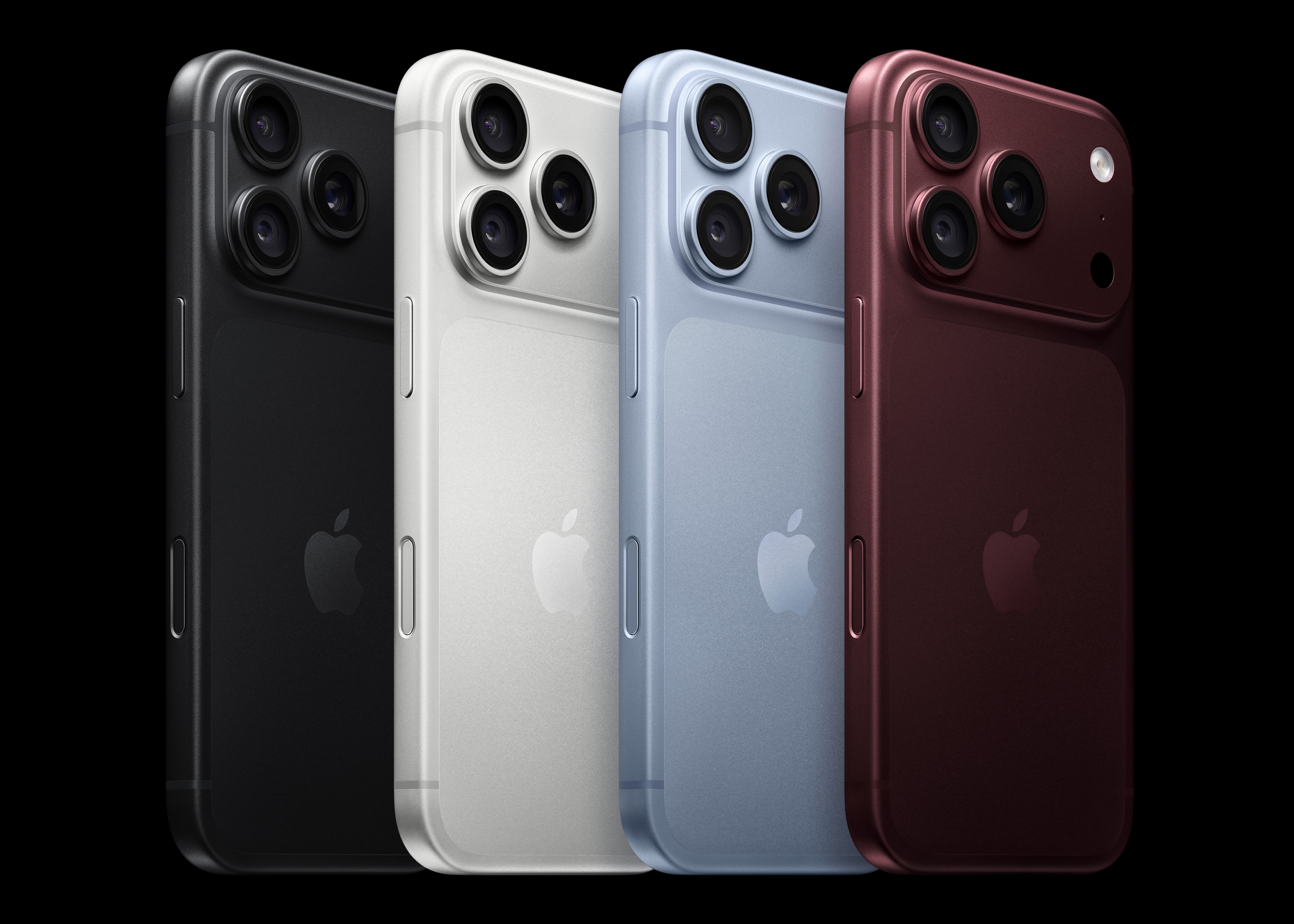
iPhone 18 Pro and Pro Max
The conventional upgrade, and the one built around a single meaningful camera change
Both Pro phones run A20 Pro with the same next-generation vapor chamber Duo uses, and both add a dedicated 48MP telephoto camera alongside a 48MP main camera. The headline change is that the main camera now has a variable aperture rather than a fixed one.
The aperture gives the camera another physical control over exposure and depth of field. A wider opening admits more light and can produce shallower optical focus; a narrower opening can keep more of a scene sharp and help manage bright conditions. Tom's Guide saw visible depth-of-field differences in a controlled demonstration. That makes the feature most relevant to photographers and video creators who already care where the plane of focus falls, while casual shooters can continue to let the automatic mode make the choice.
Where the value is limited: casual point-and-shoot photography, where the phone's image processing already handles most scenes automatically, won't look dramatically different to most people scrolling through their camera roll. Variable aperture is a tool for people who already think about aperture, not a blanket image-quality upgrade for everyone. If you don't currently notice or care about depth-of-field control, this specification will not change how your photos look day to day.
Both phones ship in black, silver, glacier, and burgundy, with 256GB, 512GB, 1TB, and 2TB storage options. Apple describes the Pro Max as having the largest battery increase in an iPhone to date, with a claimed 45 hours of video playback against 36 hours for the standard Pro. Tom's Guide reported the physical design stays familiar, with weights climbing to 211 grams for Pro and 249 grams for Pro Max, up from 206 and 233 grams the prior generation. That's a real, if modest, added heft in exchange for the battery gain, and it's the kind of trade-off that matters more the longer you hold the phone in one hand.
These are the lower-risk phones in this lineup. Sustained A20 Pro performance, real-world camera consistency, and actual battery drain under normal use still need independent testing rather than Apple's own claims, but the physical design, camera architecture, and battery capacity are evolutionary rather than experimental. If an older Pro is already limiting your battery life, camera range, or storage, the 18 Pro line belongs on the shortlist. It is not an automatic upgrade based on age alone. If you're on a 17 Pro, the variable aperture is a genuine reason to consider upgrading only if you actually use depth-of-field control; otherwise there isn't a strong case to replace a phone that already works well.
The more compact route to A20 Pro and the new variable-aperture camera, at $100 less than Pro Max.
Same camera system, the larger battery gain, and 38 more grams to carry for it.
Apple Watch
Series 12 and Ultra 4 share a health story that needs proof, and split apart on battery
Both watches run Apple's S11 chip and the new Health Sensing System. Apple says the system samples heart rate roughly every five seconds throughout the day, tracks heart-rate variability more frequently than before, and rolls the data into a new readiness score. That's Apple's claim, and it needs validation the way any new sensing hardware does: against clinical-grade equipment, across different skin tones and wrist sizes, and over enough time to know whether the readings are consistent rather than just plausible on a keynote slide. A readiness score is also only as good as your willingness to wear the watch overnight, since it depends on sleep and recovery data. If you take the watch off at night, the number that Apple is building the whole feature around won't have the inputs it needs.
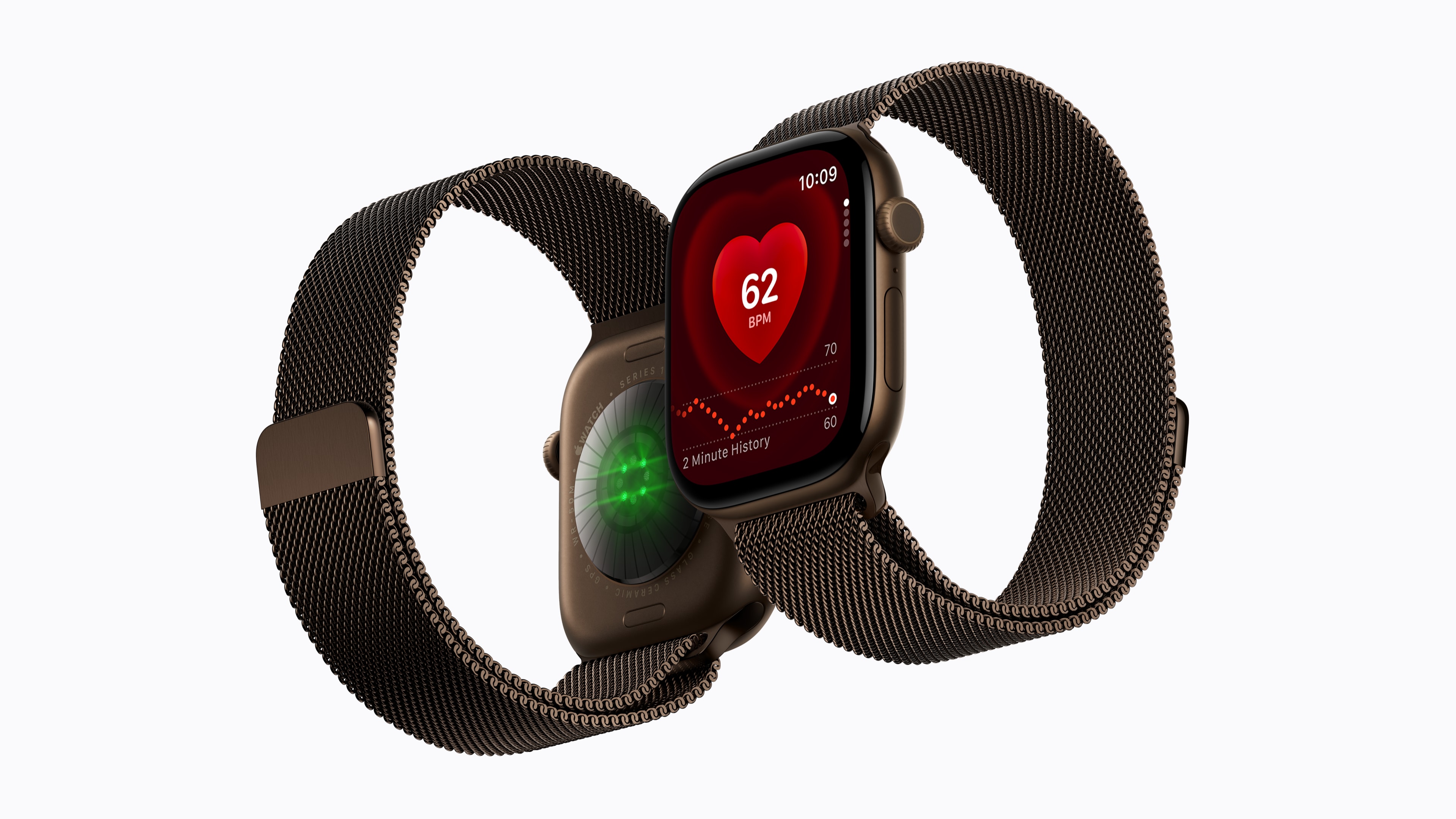
Apple claims up to 24 hours of everyday use and 10 hours of outdoor workout tracking, plus 12 hours of use from a 15-minute charge. It's the mainstream choice for anyone not already carrying Ultra hardware.
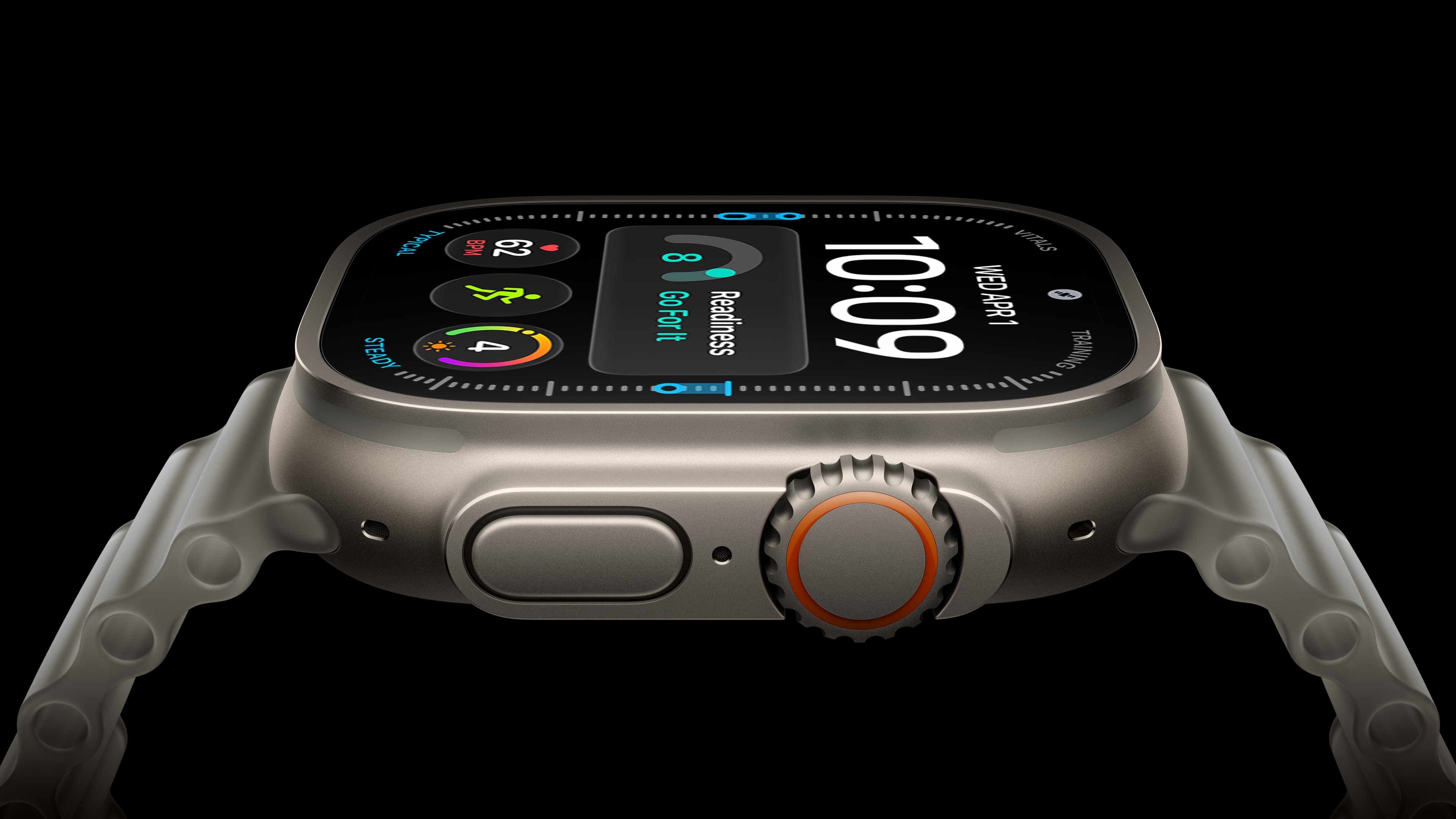
Apple claims up to 50 hours of regular use, 84 hours in Low Power Mode, and 45 hours of extended outdoor workout tracking.
The Ultra 4 battery numbers are the most concrete upgrade in the watch lineup. Apple's claim of 84 hours in Low Power Mode and 45 hours of extended outdoor tracking describes a clear use case for multi-day trips and long endurance events, although the claim still needs independent testing. If an Ultra 3 already covers your longest session, skip this generation. If battery endurance has been the limiting factor, Ultra 4 directly addresses it.
The upgrade question: Series 9, Series 10, Series 11, Ultra 2, and Ultra 3 owners should weigh the new sensing features and battery gains against whatever their current watch already does well. A new readiness number is not, by itself, a reason to replace a watch that still tracks your workouts and gets you through the day. For a wider comparison across Apple, Garmin, Samsung, and other current models, see Pickori's fitness watch guides and reviews.
AirPods 5
Active noise cancellation arrives on the open-ear design, with a limit built into the shape itself
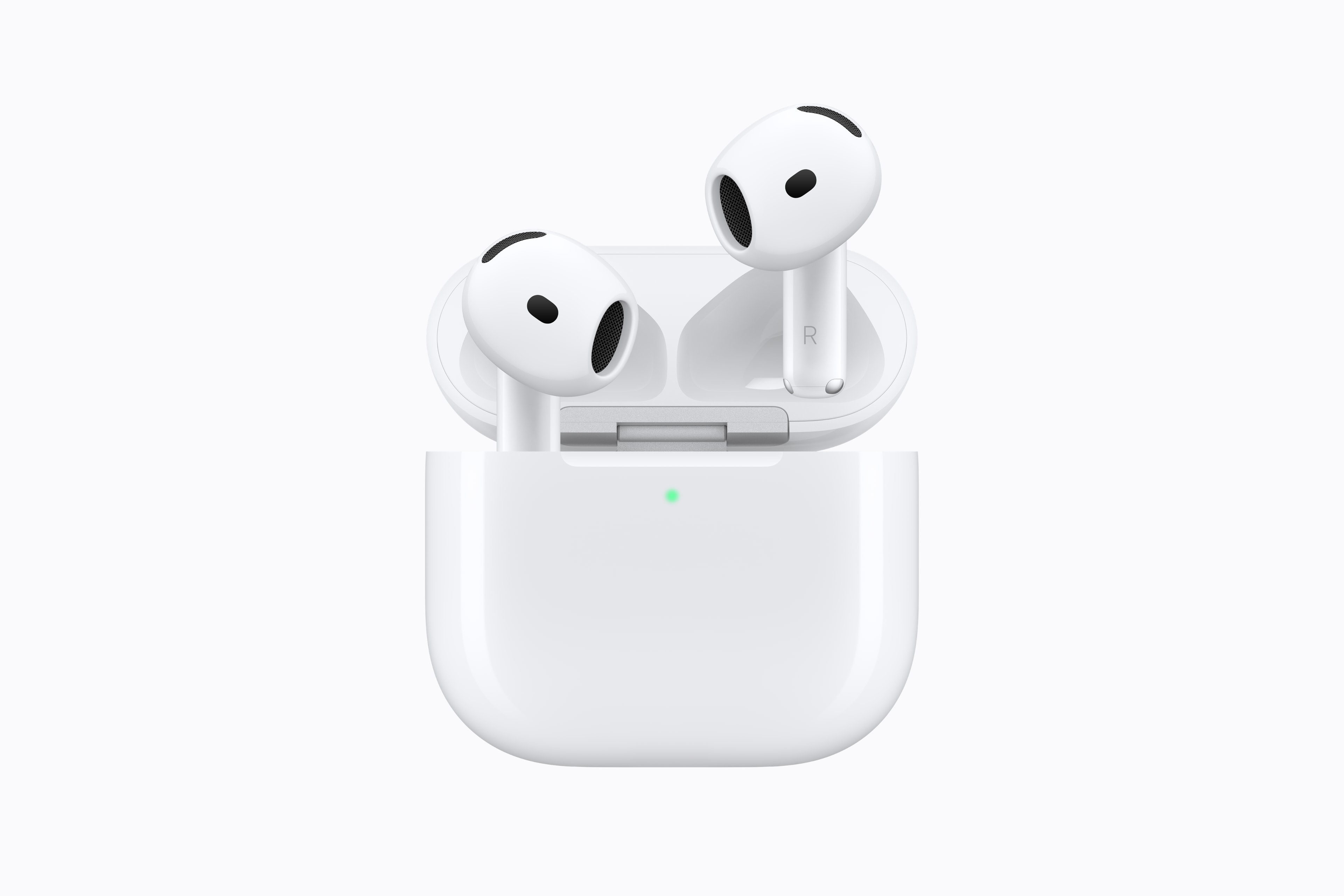
AirPods 5 keep the open-ear fit of the standard AirPods line and add active noise cancellation for the first time, alongside a new multiport acoustic architecture, updated Adaptive EQ, improved Transparency mode, Live Translation, and hands-free Siri. Apple claims 50 percent more noise removal than AirPods 4 with ANC. What Hi-Fi's launch coverage confirms the two-model structure, pricing, and the core feature list, though that's launch reporting rather than an independent listening test.
Here's the physical limit worth understanding before you buy: active noise cancellation works by generating an inverse sound wave to cancel unwanted noise, but it still needs a decent acoustic seal to be fully effective, especially against higher-frequency and inconsistent sounds like voices. In-ear tips create that seal passively, on top of whatever active cancellation does. An open-ear design, by definition, doesn't seal your ear canal, so no matter how good Apple's processing gets, AirPods 5 is working with a physical disadvantage that sealed earbuds don't have. Fifty percent better than the previous open-ear model is a real improvement over that model specifically; it doesn't mean AirPods 5 will out-cancel a sealed pair of AirPods Pro or a competitor's in-ear ANC earbuds in a loud environment like a plane cabin.
The $129 model is the more interesting value if the open-ear fit already sits securely in your ears, since it gets you the new ANC and acoustic upgrades without paying for the wireless charging case. The $149 model adds wireless case charging and on-stem volume control, with Apple stating up to 5 hours of playback with ANC on and 22 hours including the case. If you already know open-ear AirPods work for your ears and you want noise cancellation added to that experience, this is a straightforward buy. If you fly often or work in loud spaces and want the strongest possible isolation, compare sealed earbuds directly and wait for independent ANC testing before assuming AirPods 5 solves that problem. Pickori's headphone and earbud guides and reviews cover both sealed and open-ear alternatives.
Buying call
Who should preorder, who should upgrade, and who should sit this one out
If an older iPhone is running short on battery, storage, or camera reach, iPhone 18 Pro or Pro Max is worth shortlisting, especially the Pro Max when screen size and battery life matter more than pocket weight. If you own a 17 Pro and don't actively use depth-of-field control in your photography, there isn't a compelling reason to replace it yet.
iPhone Duo has a clear audience beyond people who can justify it with a work task. Apple enthusiasts have waited years for a foldable that keeps them inside iOS, and the compact-closed, expansive-open design is a legitimate reason to want one. Preorder on October 16 if that is the product you have been waiting for, the price is comfortable, and first-generation uncertainty is acceptable. Choose Pro Max for the stronger camera system, or wait if proven durability matters more than owning Duo at launch.
For watches, a Series 12 makes sense for anyone upgrading from a Series 8 or earlier, or buying their first Apple Watch, provided you're willing to treat the readiness score as a starting point rather than a verified health metric. Series 11 owners should wait. Ultra 3 owners should only move to Ultra 4 if long-event battery life has actually let them down before; everyone else already owns a watch that lasts long enough for their routine.
AirPods 5 at $129 is close to an easy recommendation if open-ear AirPods already fit your ears well; it's simply a better version of a product you already like, at a price that doesn't ask much of you. If you need maximum noise isolation for travel or loud commutes, look at sealed options instead and don't expect an open-ear design to close that gap no matter how the processing improves.
Reasonable buys now
- Committed Apple foldable enthusiasts choosing iPhone Duo with a clear understanding of its first-generation uncertainties.
- Owners whose current iPhone is limited by battery life, storage, or camera reach, moving to iPhone 18 Pro or Pro Max.
- First-time Apple Watch buyers, or anyone upgrading from Series 8 or earlier, choosing Series 12.
- Ultra 3 owners who have actually run out of battery mid-event, choosing Ultra 4.
- Open-ear AirPods users who want ANC added to a fit that already works, at $129.
Wait for more evidence, or skip
- Long-term owners considering iPhone Duo who need proven hinge durability, repair pricing, and independent battery results.
- 17 Pro owners without a specific need for variable-aperture control.
- Series 11 and Ultra 3 owners without a battery or workout complaint to solve.
- Anyone prioritizing maximum noise isolation over an open-ear fit.
Across the lineup, the safer purchases are the products that solve a limitation you already notice. Duo asks buyers to accept the most uncertainty, while the Pro phones, watches, and AirPods make narrower changes that are easier to match to a specific need.
Sources and research notes
Where the launch facts came from
- Apple's iPhone Duo press release for pricing, dates, specifications, and Apple's own performance and battery claims.
- Apple's iPhone 18 Pro press release for camera, chip, storage, pricing, and availability.
- Apple's Watch Series 12 press release for health-system, price, and availability claims.
- Apple's Watch Ultra 4 press release for battery, workout, price, and availability claims.
- Apple's AirPods 5 press release for models, pricing, battery, ANC, and availability claims.
- Associated Press event report for independent launch context.
- MacRumors' iPhone Duo hands-on for attributed first-use observations on the crease, build, and multitasking layout.
- Tom's Guide's iPhone Duo hands-on for observations about one-handed use and inner-display video.
- TechRadar's iPhone Duo hands-on for observations about drag-and-drop multitasking and StandBy.
- Android Central's iPhone Duo hands-on for cross-platform observations about software and weight.
- Tom's Guide's iPhone 18 Pro Max hands-on for variable-aperture and weight observations.
- What Hi-Fi's AirPods 5 launch coverage for confirmed model structure and feature claims.
All Apple photography is from official Apple Newsroom media assets and is used here only in direct editorial coverage of the products shown. Image credit: Apple. This article contains no affiliate links.