
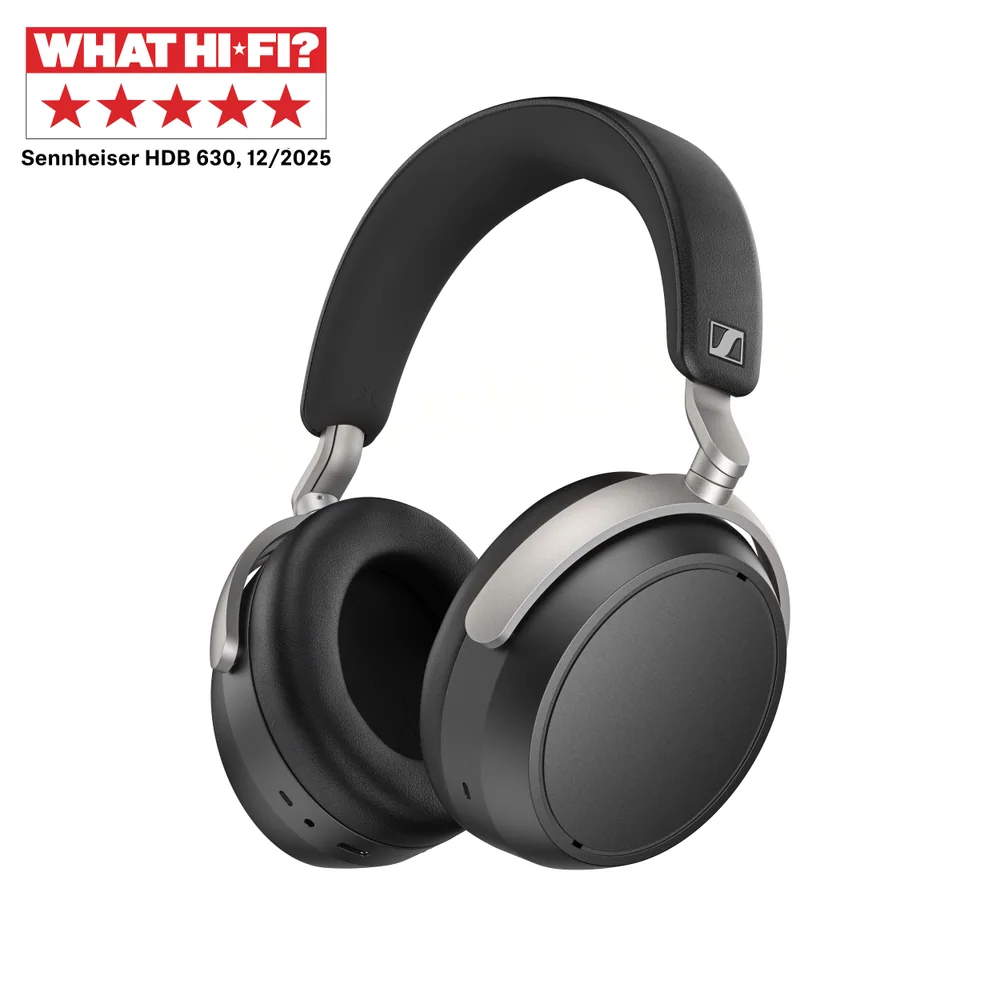
What to know first
- Released October 21, 2025, as Sennheiser's current wireless ANC flagship with no successor announced yet
- Rated for up to 60 hours of battery life, well above typical wireless ANC headphones
- Positioned as an audiophile-first design, not a noise-cancellation-first design
- Best suited to listeners who prioritize sound tuning over having the single strongest ANC available
- A meaningful investment, not an entry-level wireless headphone
Sennheiser's flagship for people who actually care what music sounds like
Sennheiser built its name on wired headphones that serious listeners reach for when they want an accurate, detailed sound rather than an exaggerated one. The HDB 630 is where that reputation meets a wireless, noise-cancelling design, and it launched in October 2025 as the company's current high-end wireless model.
There's no successor on the roadmap yet, which means the HDB 630 is Sennheiser's newest word on wireless ANC headphones right now. If you've been waiting for the company to bring its house sound to a cable-free format with real staying power, this is that headphone, not a stopgap ahead of something newer.
The 60-hour battery changes how you think about charging
Most wireless ANC headphones ask for a charge every one to three days depending on how hard you run noise cancellation. Sennheiser rates the HDB 630 for up to 60 hours, a figure that, even accounting for real-world variables like volume and how often ANC is active, puts it in a different category from headphones you have to babysit.
That kind of runtime matters most for people who forget to charge things, or who travel enough that a dead battery mid-trip is a real annoyance rather than a minor one. A headphone that can plausibly go a week between charges under normal use removes an entire category of daily friction.
It's worth being clear-eyed about what a battery-life number like this does and doesn't promise. Active noise cancellation, call handling, and higher volumes will all pull that figure down somewhat, so 60 hours is a ceiling, not a guarantee for every listening pattern. Even a conservative real-world number well below that ceiling still beats most competitors in this category.
Noise cancellation that's along for the ride, not the main event
The HDB 630 includes active noise cancellation, but Sennheiser's pitch here isn't that it has the strongest ANC on the market. It's that you get capable noise reduction bundled with a sound signature built by a company whose entire business is getting headphone audio right.
That's a meaningful distinction for shoppers who've tried noise-cancelling headphones tuned mainly to sound impressive on a store demo, then found the actual music flat or bass-heavy once they got them home. Buyers who care most about how a well-recorded album or a favorite vinyl-to-digital rip actually sounds should weigh that priority against how much ANC strength they truly need day to day.
Steady, droning noise, engine hum, HVAC systems, is the easiest kind for any active noise cancellation to tame. Nearby conversation, a crying kid on a plane, or a sudden announcement will still get through to some degree, and that's true of every ANC headphone on the market, not a shortcoming unique to this one.
What to know before paying flagship prices
Sennheiser hasn't positioned the HDB 630 as a budget or mid-range option, and the price reflects flagship ambitions. If your main goal is simply blocking out a noisy office for the least money possible, there are cheaper wireless ANC headphones that will get you most of the way there.
Because the HDB 630 just launched in October 2025, it hasn't had years on the market to build up a long track record the way some longer-running Sennheiser wired models have. Buyers who prefer to let a product prove itself over a couple of years before committing should factor that newness into the decision, even though nothing in the current picture suggests a reason for concern.
Exact Bluetooth codec support and precise battery behavior under heavy ANC and call use aren't fully detailed in what Sennheiser has published so far. Anyone with a specific hi-res streaming setup or a codec requirement should confirm compatibility with their source device before buying.
The specs that matter
This is Sennheiser's newest wireless flagship, not an older model being sold down, so you're buying the company's current best effort rather than something about to be replaced.
A rating this high means far fewer charging cycles than typical wireless ANC headphones, though real-world use with ANC and calls active will bring the number down somewhat.
You're not buying into a model that's about to be superseded; this is Sennheiser's present top-of-line wireless option.
ANC is present and functional, but Sennheiser's emphasis is on preserving its audio character rather than maximizing raw noise suppression.
Who this product fits
The long-haul flyer who hates hunting for outlets
With up to 60 hours of rated battery life, the HDB 630 can plausibly cover a long international trip, the layovers, and the flight home without needing a charge, even after accounting for real-world battery drain from ANC use.
The Sennheiser loyalist going wireless for the first time
Someone who already owns and trusts a Sennheiser wired headphone gets a wireless option built by the same company, aimed at carrying that sound signature into a cable-free design rather than starting from scratch with an unfamiliar brand.
The buyer comparing ANC strength across brands
Anyone whose top priority is the single strongest noise cancellation available should treat the HDB 630 as a strong all-around option rather than the benchmark for blocking noise, since Sennheiser's focus here is sound quality first.
What else to compare
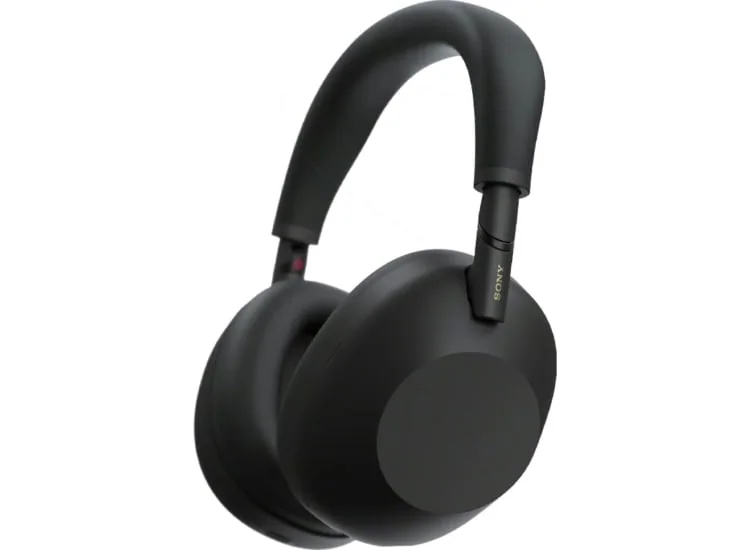
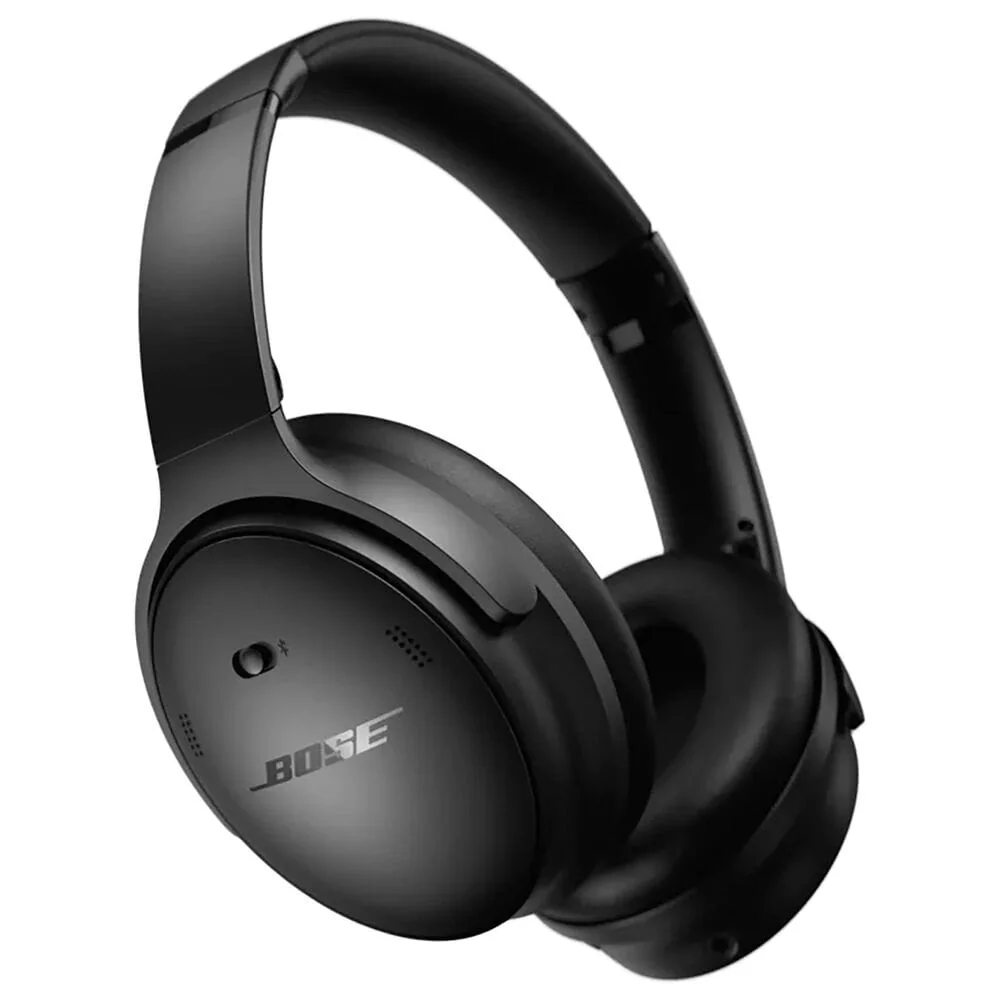
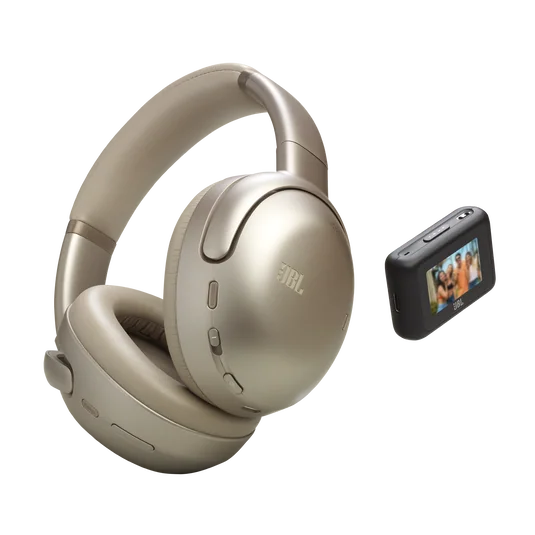
Shoppers who want to compare battery life, noise cancellation strength, and price against other current wireless flagships have several routes worth weighing.
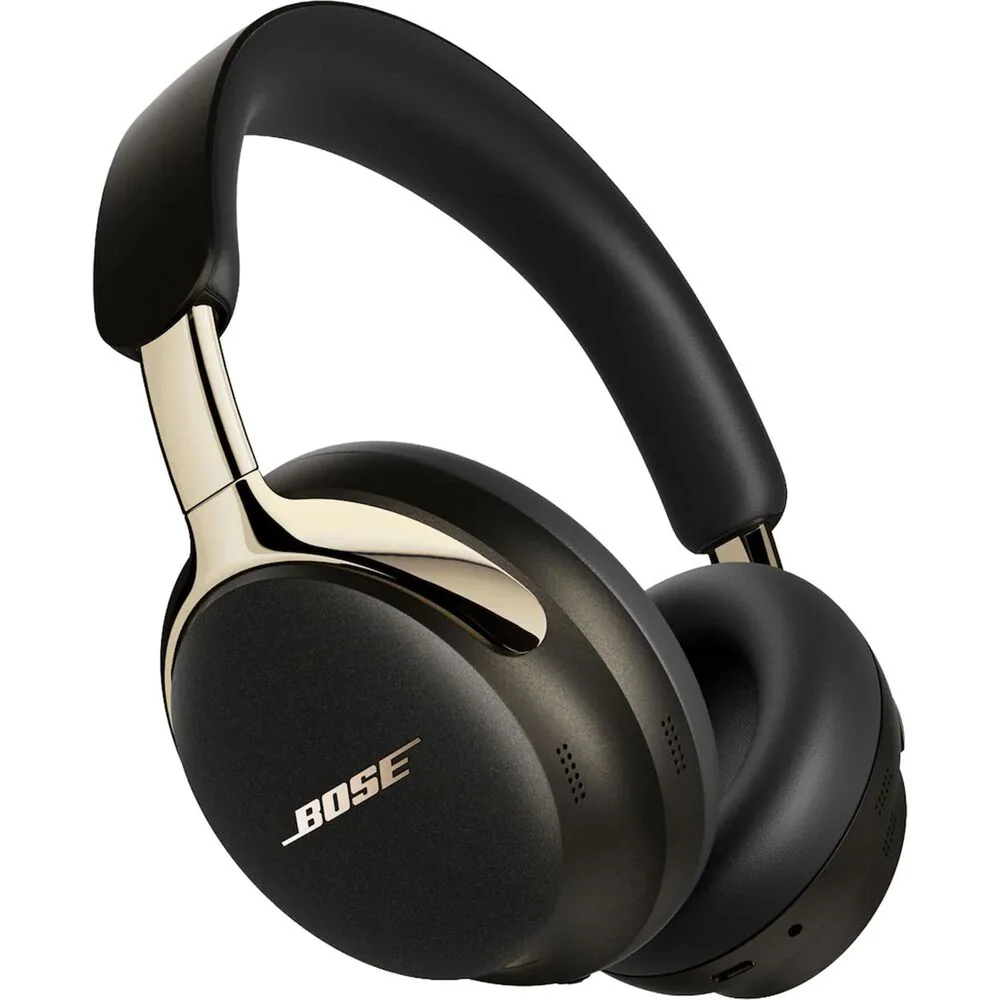
Sennheiser HDB 630 FAQ
When did the Sennheiser HDB 630 come out?
Sennheiser released the HDB 630 on October 21, 2025, and it's currently the company's flagship wireless noise-cancelling headphone with no successor announced.
How long does the battery last on the Sennheiser HDB 630?
Sennheiser rates the HDB 630 for up to 60 hours of battery life. Real-world runtime will vary depending on volume, how much you use active noise cancellation, and call time.
Is the Sennheiser HDB 630 good for blocking out noise?
It includes active noise cancellation that handles steady background noise like engine hum well, though Sennheiser's emphasis is on sound quality rather than having the strongest ANC available. Sudden sounds and nearby speech will still get through to some degree, as with any ANC headphone.
Is the Sennheiser HDB 630 worth the price over cheaper wireless ANC headphones?
If you value Sennheiser's audio tuning and want a long battery life without daily charging, it's a reasonable investment. If your main goal is inexpensive noise blocking, a mid-range wireless ANC headphone will likely serve you just as well for less money.
Will the Sennheiser HDB 630 be replaced soon?
As of its late 2025 launch, there's no successor model announced, so it's Sennheiser's current wireless flagship for the foreseeable future.
Who actually needs Sennheiser's newest wireless flagship
Buying the HDB 630 makes the most sense for someone who already cares about how their headphones sound and simply wants that experience without a cable. The 60-hour battery rating removes daily charging from your mental checklist, and Sennheiser's involvement means the tuning isn't an afterthought behind flashy ANC marketing.
If blocking out the world is your only concern and price is tight, there's no shame in a cheaper wireless ANC headphone that does that one job well. But for a listener who wants Sennheiser's sound signature freed from a cable, with battery life that can shrug off a long trip, the HDB 630 earns its place as the company's current best answer.