
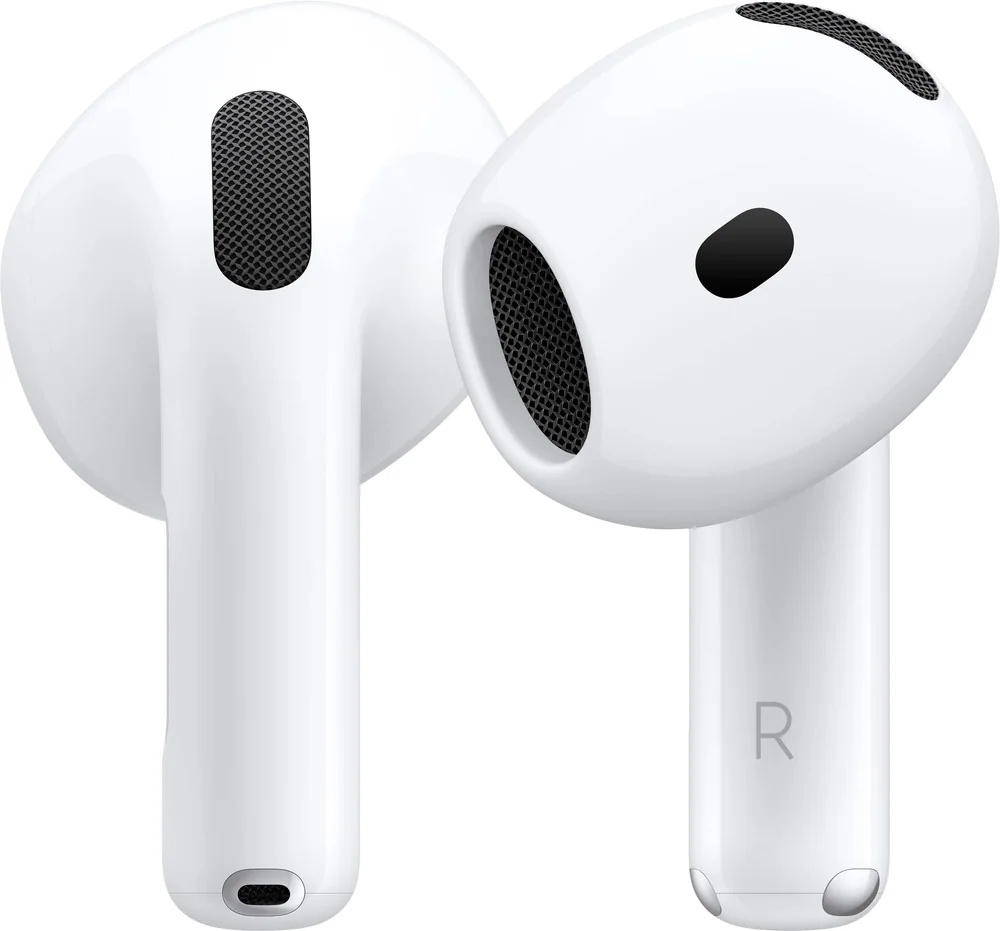
What to know first
- Adds Active Noise Cancellation, Adaptive Audio, and Transparency mode to the open-fit AirPods shape for the first time
- H2 chip also powers Voice Isolation for calls and Conversation Awareness, which lowers media volume when you start talking
- Rated IP54 for dust, sweat, and water resistance, so treat them like workout gear, not shower gear
- Case charges via USB-C and supports wireless charging with Qi or Apple Watch chargers, plus a built-in speaker for locating it in Find My
- Battery runs about 5 hours per charge with roughly 30 hours total using the case
- No volume swipe control on the stem, only tap and press-and-hold gestures
AirPods, but with a noise-canceling asterisk
Every AirPods generation before this one drew a hard line: get ANC, and you had to accept the sealed, silicone-tipped AirPods Pro shape. AirPods 4 with Active Noise Cancellation erases that line by putting ANC, Adaptive Audio, and Transparency mode into the same open, stemmed shape that's defined the standard AirPods since the beginning.
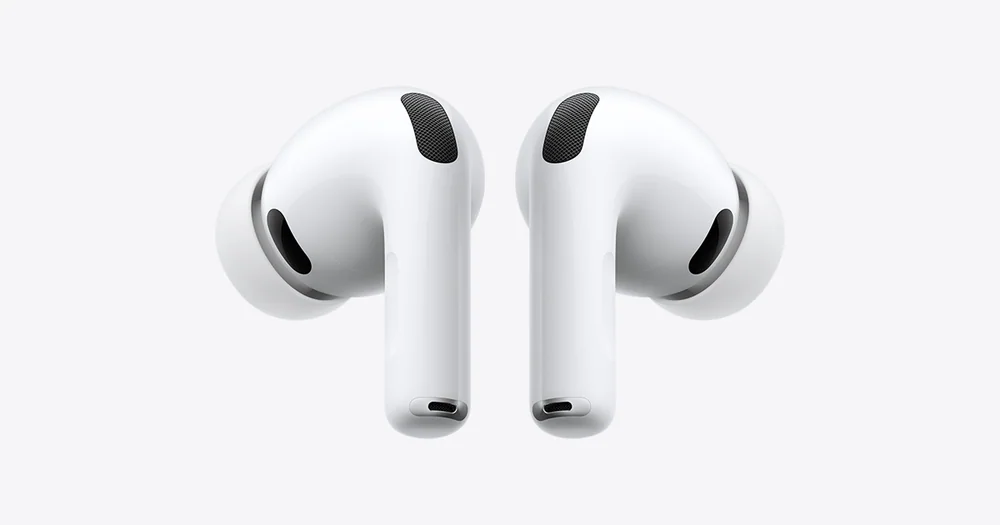
That's a meaningful shift for anyone who has tried AirPods Pro and found the tips uncomfortable or unstable, but still wanted more noise control than the standard AirPods 4 without ANC offer. It slots in as the middle tier of Apple's earbud lineup: more capable than the base AirPods 4, less isolating than the Pro.
Buyers should be careful not to confuse this model with the non-ANC AirPods 4, which look nearly identical but skip noise cancellation, Adaptive Audio, and the case's Find My speaker and wireless charging support entirely.
Real ANC, without the plug-your-ear feeling
The defining trick here is putting working noise cancellation into a design that never seals the ear canal. Sealed earbuds get a physical head start on blocking noise simply by plugging the opening; unsealed ones have historically skipped ANC because there's little to work with acoustically. The H2 chip changes that math enough to meaningfully cut steady, low-frequency noise like engine drone or air conditioning hum, even without a seal.
It won't match the isolation of AirPods Pro or most sealed rivals, and voices, sudden sounds, and sharp transient noise get through more easily than they would with tips in your ears. Judge the ANC here against other open or semi-open earbuds, not against sealed noise-canceling models, and the achievement looks a lot more impressive.
Adaptive Audio and Conversation Awareness add a layer sealed earbuds also have but that matters more here: since the fit is already more open, the software's job of quickly lowering media volume when you start talking, or blending in ambient sound, does real work rather than just being a nice-to-have.
Living with the fit, the stem, and the case
Day to day, control is simple: tap once to play or pause, twice to skip forward, three times to go back, and press and hold for Siri. Apple also added a hands-free option, letting you nod or shake your head to answer Siri's yes-or-no prompts, useful when your hands are full or you're mid-workout. There's no swipe gesture for volume, so you'll still reach for your phone or say 'Hey Siri' to adjust it.
Software features live scattered across iOS rather than in a dedicated app: noise control modes toggle from Control Center or Settings, spatial audio and head gestures get configured in Settings, and Find My handles locating a lost earbud or the case itself, which now includes a speaker to help track it down. None of this works the same way, or at all, on Android.
The case charges over USB-C and also accepts wireless charging from a Qi charger or an Apple Watch puck, a genuine convenience if you already have one of those charging pads sitting on a nightstand. Apple states up to 30 hours of total listening time using the case, though the earbuds themselves run out well before that, closer to 5 hours per charge, so plan case top-ups around long travel days rather than assuming all-day wear from one charge.
The comfort lottery nobody can promise you'll win
Fit is the single biggest variable with this model, and it's not resolved by data or design tweaks. Apple used a large dataset to shape the new earbuds, but ears vary enough that some people find them comfortable for hours while others feel discomfort within minutes, and some experience a secure fit during movement while others deal with earbuds working loose. If a past AirPods generation didn't sit right in your ears, there's no strong reason to expect this one will fix that.
Isolation is the other honest limitation. Because the design never seals the ear canal, ambient noise blocking tops out well below what sealed ANC earbuds or headphones achieve, particularly with voices and sudden sounds rather than steady hums. Treat the ANC here as noise reduction, not noise elimination.
iOS dependency is worth flagging plainly: features like Conversation Awareness, head-gesture Siri responses, and Find My case tracking are tied to Apple's ecosystem. Android users get basic Bluetooth playback but lose most of what makes this model distinct.
The specs that matter
Reduces steady background noise like engine hum or office HVAC, but won't isolate as effectively as sealed earbuds since there's no physical seal blocking the ear canal.
The single-charge number is what determines whether they'll last through a workday or a flight without a case top-up; the 30-hour figure only matters if you're recharging along the way.
USB-C means one cable for your earbuds and most modern devices; wireless charging support means you can drop the case on an existing pad instead of hunting for a cord.
Fine for sweat during a workout or getting caught in light rain, but not rated for showers or submersion.
Since the fit is already open rather than sealed, these software features do more real-world work here than on sealed earbuds, smoothing transitions between quiet focus and quick conversations.
Simple and familiar if you've used AirPods before, but there's no swipe-to-adjust-volume gesture, so you'll still reach for your phone or voice control for that.
Android users can pair and play audio, but lose Conversation Awareness, head gestures, Find My case tracking, and other software-dependent features.
Who this product fits
The open-office worker who hates plugged ears
Someone who finds silicone tips uncomfortable during long desk sessions gets real noise reduction from steady office hum and HVAC without the sealed, pressurized feeling of AirPods Pro. Nearby conversations will still cut through more than they would with sealed buds, so it's a better fit for focus work than for blocking a loud open floor plan entirely.
The commuter deciding between this and AirPods Pro
A commuter dealing with subway or bus drone should know this model tames that steady low-end noise reasonably well, but won't match Pro-level isolation on sudden announcements or nearby chatter. If isolation is the top priority, the Pro model is the better buy; if comfort and this shape matter more, the trade-off is worth it.
The gym-goer who's lost earbuds before
IP54 sweat resistance and the case's Find My speaker make this a reasonable pick for workouts, especially for someone who has misplaced a case before. Fit security during high-movement exercise varies by ear shape, so trying them before a heavy training block is worth doing if returns are an option.
The Android user browsing on price alone
Someone shopping cross-platform should know that losing iOS ties means losing Conversation Awareness, head-gesture Siri answers, and full Find My case tracking, three of the features that most distinguish this model from cheaper wireless earbuds.
What else to compare
Where AirPods 4 with ANC lands next to Apple's other earbuds and the wider market.
Apple AirPods 4 (with Active Noise Canceling) FAQ
Do AirPods 4 with ANC actually block noise well without ear tips?
They reduce steady background noise like engine hum or air conditioning better than most open-fit earbuds have managed before, thanks to the H2 chip. They still won't isolate sound the way sealed earbuds with silicone tips do, especially against voices or sudden noises.
What's the real difference between AirPods 4 and AirPods 4 with ANC?
The ANC model adds Active Noise Cancellation, Adaptive Audio, and Transparency mode, plus a charging case with a Find My speaker and wireless charging support. The standard AirPods 4 without ANC skips all of that.
How long does the battery actually last?
Expect around 5 hours of listening per charge on the earbuds themselves, with the case adding extra charges for up to about 30 hours total. Volume, noise cancellation, and call use will all pull that single-charge number down.
Do these work well with Android phones?
Basic Bluetooth playback works fine, but features like Conversation Awareness, head-gesture Siri responses, and full Find My case tracking are tied to iOS, so Android users lose much of what sets this model apart.
Are these better than AirPods Pro for noise cancellation?
No. The unsealed design here can't match the isolation of the sealed AirPods Pro. Choose this model for comfort and an open feel, and choose the Pro if blocking noise is the top priority.
Should you buy the AirPods 4 with ANC?
Comfort-first buyers who never liked the plugged feeling of silicone tips finally get a real reason to consider ANC, and Apple's H2 chip makes that open-fit noise cancellation genuinely functional rather than a marketing footnote. The catch is baked into the physics: no seal means no shot at Pro-level isolation, no matter how good the chip is.
Buy these if you're already in Apple's ecosystem, want AirPods styling with some added quiet, and have found past AirPods comfortable. Skip them for AirPods Pro if isolation on flights or loud commutes is the priority, and skip them entirely if you're on Android, since the software features that justify the ANC model's premium over the standard AirPods 4 mostly disappear outside iOS.