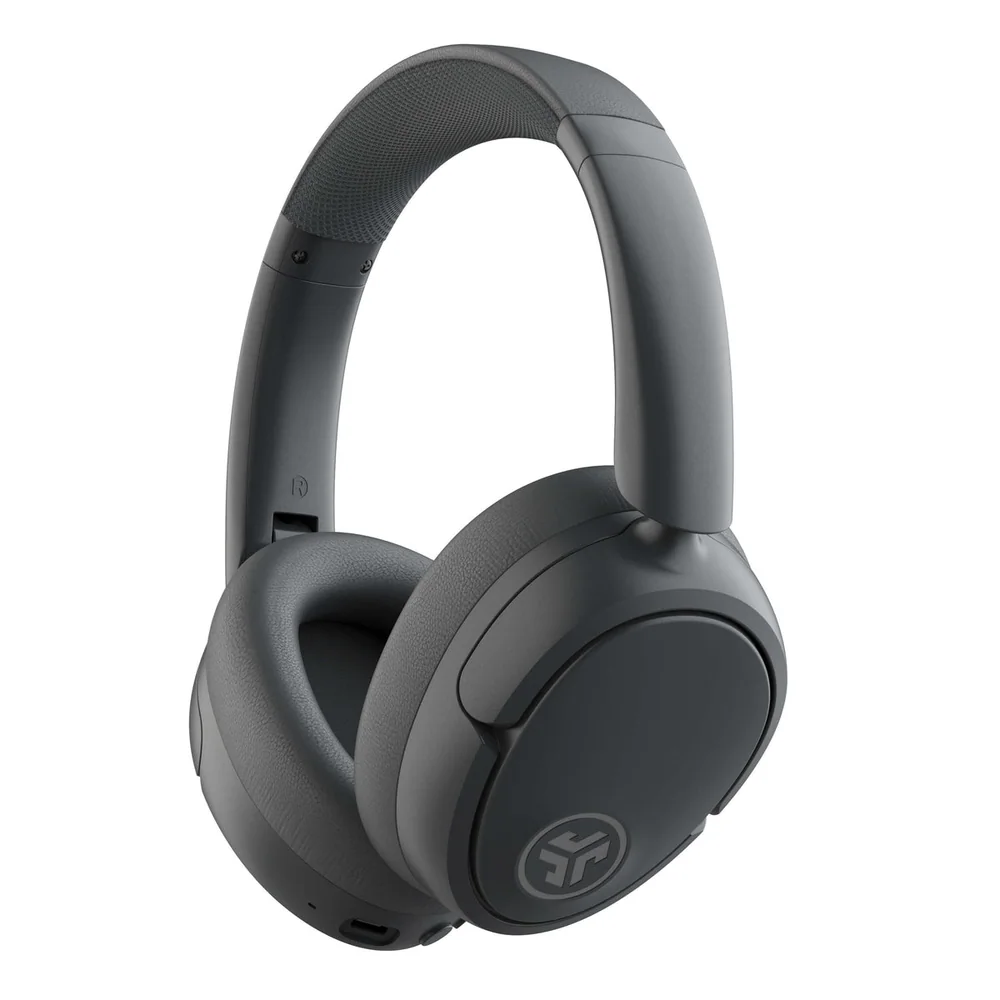
Protect your headphones from crushed ear cups, dead batteries, tangled cables, and the small missing adapter that can ruin an otherwise quiet flight.
The boarding line is not the moment to discover that your headphones are flat, your earbud case is at the bottom of a suitcase, or the cable you packed cannot reach the seatback screen. A little planning keeps your listening setup useful from the terminal to the hotel room. Pack headphones according to when you will need them, not simply where they fit. Keep the listening essentials close at hand, give anything fragile a firm shell around it, and treat adapters and charging cables as part of the headphones rather than optional extras.
A soft pouch prevents scratches, but it does very little when a carry-on is shoved under a seat or a suitcase takes a hard knock. For over-ear headphones, use the fitted case if one came with the pair, or choose a semi-rigid or hard-shell case that holds the ear cups in their folded position. The case should close without forcing the headband, hinges, or ear pads into an unnatural bend.
Fit matters more than a case that merely looks sturdy. A case that is too roomy lets headphones rattle around; one that is too tight can press on controls, deform ear pads, or strain folding joints. Check for a small interior pocket or mesh sleeve for the cable and adapter, but do not let loose metal plugs sit directly against the headphones. A thin cloth pouch or a separate small zip bag keeps those pieces from becoming tiny battering rams.
Packing over-ear headphones
Over-ear headphones belong near the top of a personal item or carry-on, not buried under shoes, books, and a laptop charger. Put the closed case flat against a side of the bag where it will not become the base that carries the weight of everything else. If space is tight, place soft clothing around the case rather than wedging it between rigid objects.
Do not wear headphones around your neck while moving through every stage of a trip unless you are actively using them. Ear cups can catch on backpack straps, jacket collars, and seat edges, while a sudden bump can twist the headband. Before packing, remove any detachable cable and fold the headphones only in the direction their hinges are designed to move. A forced fold is an expensive way to save two inches of bag space.
Keeping earbuds and their case accessible
True wireless earbuds are easiest to lose when they are treated like loose change. Keep both earbuds in their charging case whenever they are not in your ears, then put the case in one consistent pocket of your personal item. An outer pocket with a secure zipper is ideal: easy to reach at security, at the gate, and once you are seated, but not so exposed that the case can slip out.
Avoid tossing the case into a pocket shared with keys, coins, lip balm, or a power bank. The lid can open, charging contacts can collect lint, and a small case can disappear into the clutter with surprising speed. If you use foam or silicone ear tips, bring one spare pair in a tiny labeled bag. A tip that tears or goes missing can turn excellent earbuds into a poor seal, weaker bass, and much less effective noise cancellation.
Bringing cables and airplane adapters
Pack the cable you are most likely to need, then confirm that it matches both your headphones and your source. A USB-C charging cable may not be the same cable that carries wired audio. Some headphones use a 3.5 mm connection, some use USB-C audio, and some need a proprietary cable. If your phone lacks a headphone jack, a compatible USB-C or Lightning audio adapter may be essential for wired listening.
For seatback entertainment, a short 3.5 mm cable is often more useful than a long one that tangles around an armrest. Some older airplane systems use two-prong audio sockets, so a dual-prong airplane adapter can be sensible if you expect to use one. It is not universal, and many newer systems use standard 3.5 mm jacks or Bluetooth, so check your airline and aircraft details when possible. Keep these items in the same pouch as the headphones, not in checked luggage where they cannot help you.
Managing battery before departure
Charge wireless headphones and earbuds the day before departure, then check the battery level again before leaving home. For earbuds, look at both the buds and the case. The case is the reserve tank, but it cannot rescue you if it is empty too. Single-charge runtime matters most on a long flight or delayed connection, especially when active noise cancellation is on.
Active noise cancellation, often called ANC, uses microphones and processing to reduce steady sounds such as engine rumble and air-conditioning noise. It can make a cabin far less tiring, but it also uses power. Do not assume an all-day battery claim applies at your usual volume with ANC, calls, and other processing active. Bring a compact power bank if you already travel with one, and charge during a layover or at the gate rather than waiting for the battery warning chime at 30,000 feet.
Avoiding heat, crushing, and lost accessories
Heat is rough on batteries, adhesives, and ear pads. Do not leave headphones in a hot car, on a sunny windowsill, or pressed against a warm laptop charger for hours. In a bag, keep them away from toiletries that can leak and from food containers that can turn a clean case into a sticky little disaster. If rain is likely, use an inner zip bag or a water-resistant pocket, particularly for earbuds and their charging case.
Make a quick departure check part of packing: headphones, case, charging cable, audio cable if needed, adapter, and spare ear tips. Take a photo of the full kit before you leave if you tend to unpack in several places. On the return trip, check the seat pocket, hotel nightstand, and outlet area before you go. Headphones are often not lost in dramatic fashion. They are left beside the one outlet that finally had power.
What this guide helps you understand
The best travel headphone setup is not the most elaborate one. It is a protected pair within reach, charged for the longest part of the journey, with the one cable or adapter your devices actually require.
A protective case sized for your specific over-ear headphones, or a secure zip pocket for an earbud charging case.
A charging cable that fits your headphones and a power source you can use while traveling.
A confirmed audio connection plan for your phone, laptop, and any seatback entertainment you expect to use.
Spare ear tips for in-ear models if a secure seal is important to your comfort and noise cancellation.
Technique notes
Keep lithium-ion battery-powered headphones and charging cases in your carry-on unless your airline specifically permits another arrangement.
A wired cable is a useful backup for compatible headphones, but confirm that your model can play audio while charging or when its battery is low if that matters to you.
Open-back headphones leak sound and let cabin noise in, so they are usually a poor fit for shared travel spaces.
Safety note: Keep volume moderate, especially when using noise cancellation. You may not notice announcements, alarms, or people trying to get your attention.