Explore Headphones for more buying guides, in-depth reviews, comparisons, and practical advice.
The first time you hear a genuinely resolving pair of headphones, you notice something unsettling: your favorite recordings sound different, sometimes worse, because you can finally hear how they were actually mixed. That's the audiophile trade-off nobody warns you about, and it's why picking the right pair matters more than picking the most expensive one. This guide ranks headphones on how honestly they reproduce music, not on how they look in a box.
Pickori may earn a commission from affiliate links.
1
Best reference sound
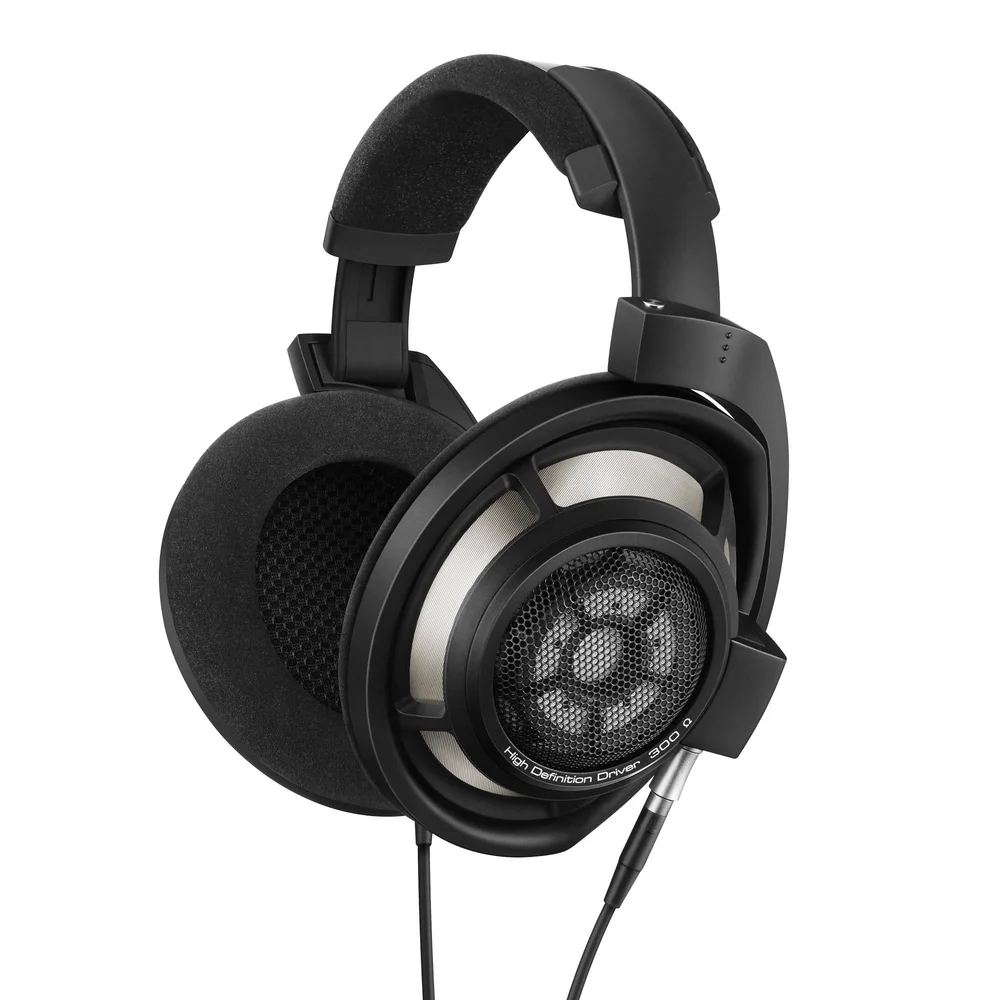
Sennheiser HD 800 S Over-The-Ear Audiophile Reference Headphones
This is the headphone people mean when they say 'reference sound' without qualifying it. It's been in continuous production for a decade, which in audio gear years is a strong signal that the tuning has held up against newer competition rather than needing a redesign. The open-back design trades isolation for a spaciousness that closed headphones structurally can't match, so if you listen on a bus or in a shared office, that's a real limitation. For a quiet room and a good source, though, this is the sound most audiophile discussions still get measured against.
Open-back design prioritizes soundstage and detail over isolation
Long production run suggests a tuning that has aged well against newer releases
Best suited to quiet, dedicated listening environments rather than commuting or offices
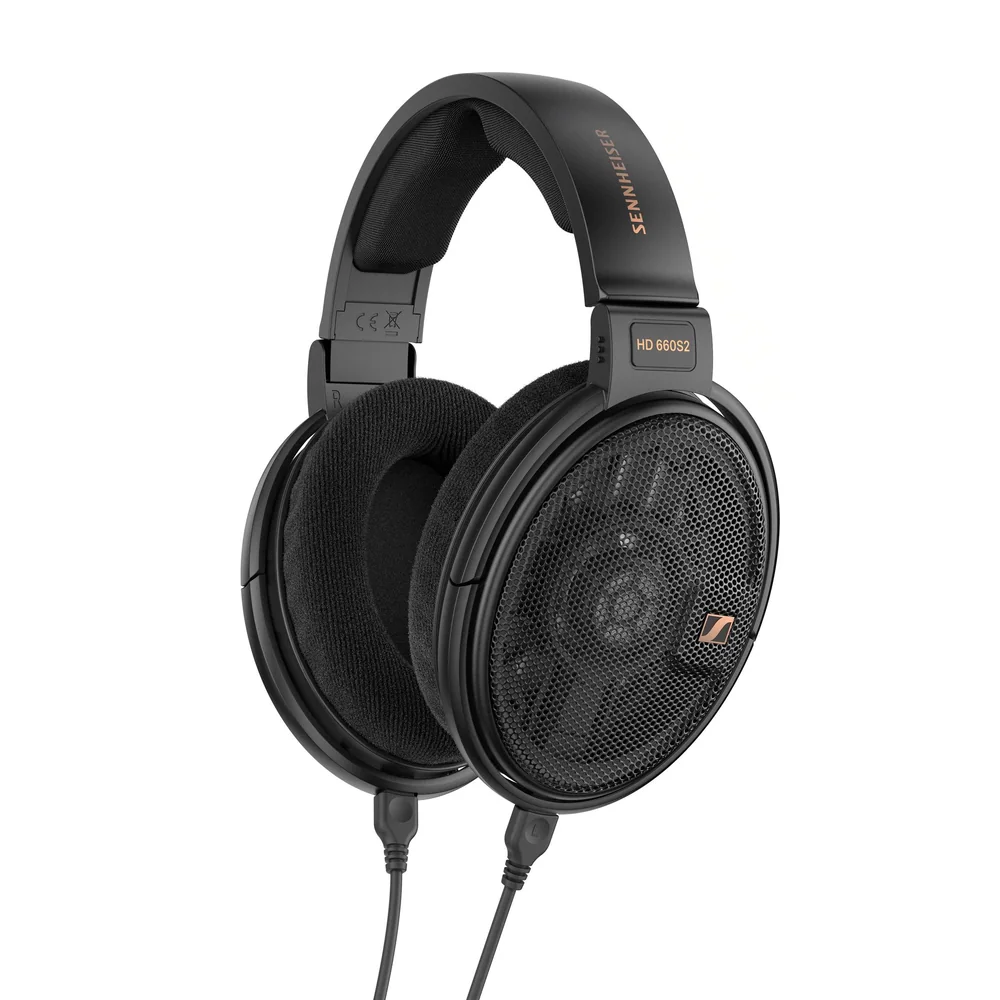
If the HD 800 S is the reference point, the HD 660S2 is the more forgiving, easier-to-drive sibling that most listeners will actually reach for day to day. It's been called out as a top wired pick specifically for buyers who want accurate sound without building a dedicated amp setup around it. That accessibility is the whole appeal here: strong tonal balance without demanding the same investment in supporting gear.
Easier to pair with modest amplification than flagship open-back designs
Praised as a top overall wired option for accuracy-focused listening
Open-back construction means the same isolation trade-off as higher-tier models
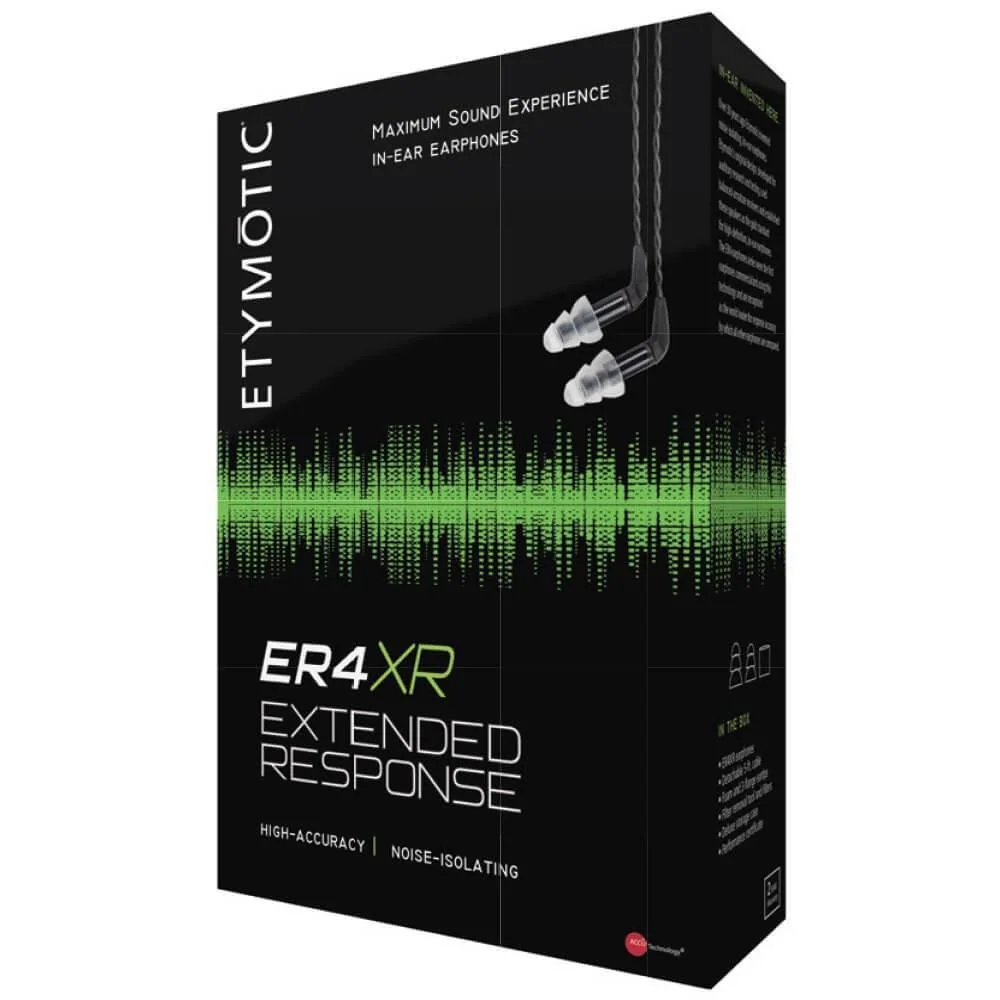
For listeners who want reference-grade accuracy without a bulky over-ear headphone, the ER4 XR takes a different path entirely: in-ear monitors built around isolation and precision rather than open soundstage. It's earned Editors' Choice recognition alongside full-size audiophile headphones, which says something about how seriously it's taken despite the compact form. This is the pick for critical listening on the go, not the pick for the expansive presentation the open-back models above offer.
In-ear form factor trades soundstage width for portability and strong isolation
Recognized alongside full-size audiophile headphones in editor selections
Best fit for listeners prioritizing accuracy while traveling or commuting
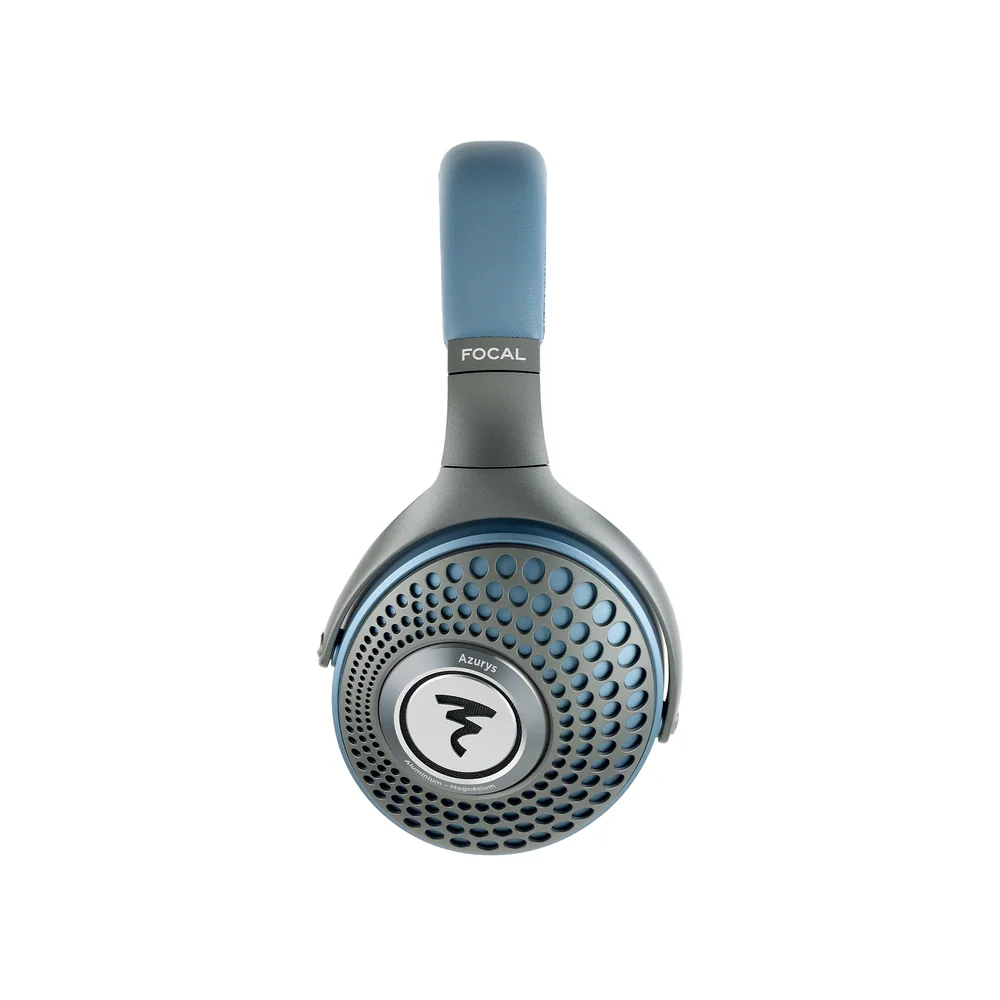
The Azurys shows up in the same wired-headphone conversations as the HD 505 and the MDR-M1, positioned as a step toward Focal's reputation for detailed, closed-back sound. It's a reasonable option for someone who wants a recognizable audiophile brand's house sound in a closed design, though the available detail on its tuning is thinner than what's documented for the higher-ranked picks here. Treat it as a solid alternative rather than a headline choice until more independent listening data accumulates.
Closed-back design from a brand known for detail-forward tuning
Positioned alongside other value-focused wired audiophile options
Less independently documented than higher-ranked picks, so verify fit before committing
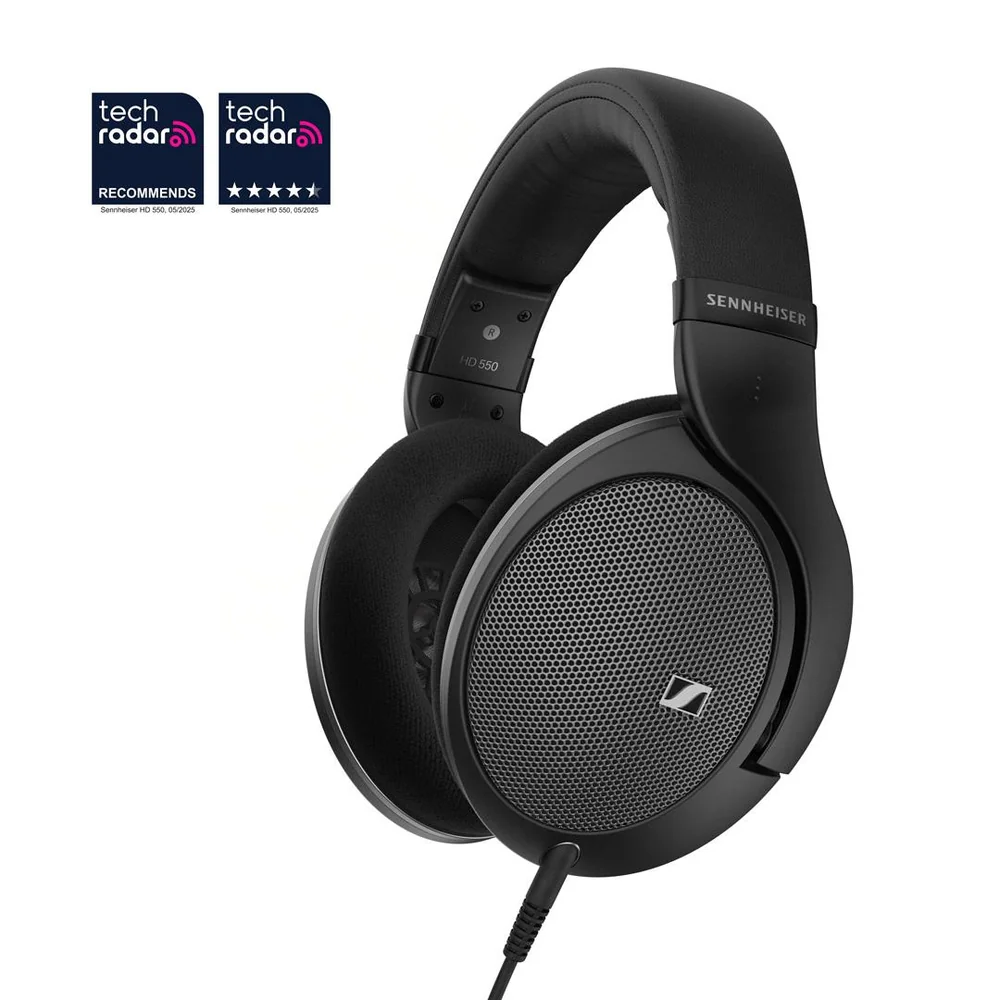
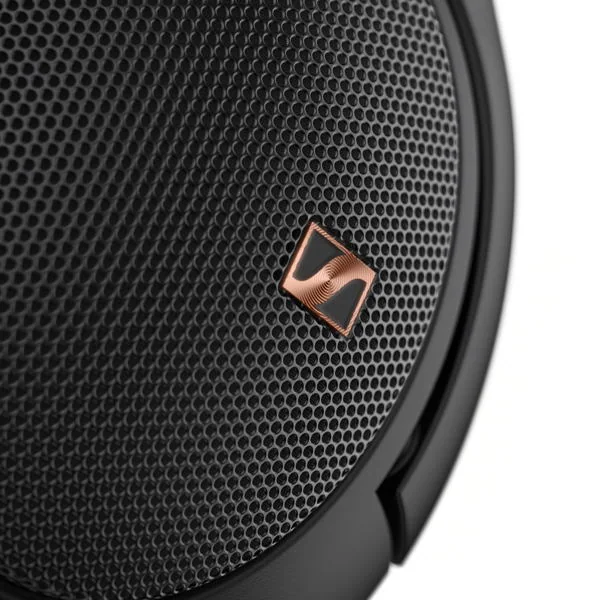
The HD 550 gets grouped with gaming-oriented audiophile picks, which hints at its appeal: a neutral, unfussy sound signature that works whether you're listening critically or just want accurate detail during long sessions. It's a reasonable entry point if you want the Sennheiser house sound without committing to the HD 660S2 or HD 800 S price and amplification requirements. Just know it's being recommended in a more casual context than the reference-focused picks above, so expect it to compromise a bit on ultimate resolution.
Neutral tuning that works for both music and other critical listening tasks
Positioned as a more accessible entry into the Sennheiser lineup
Less resolving than the brand's higher-tier reference models
Labeled an entry-level audiophile pick, the HD 505 exists for the listener who's curious about the hobby but isn't ready to spend at HD 660S2 or HD 800 S levels. It's a sensible starting point precisely because it carries the Sennheiser name into a more approachable tier. Don't expect it to compete with the resolution of the models ranked above; its job is to introduce, not to be the destination.
Positioned specifically as an entry point into audiophile listening
Carries Sennheiser's tuning philosophy at a more approachable tier
A stepping stone rather than an endpoint for serious critical listening
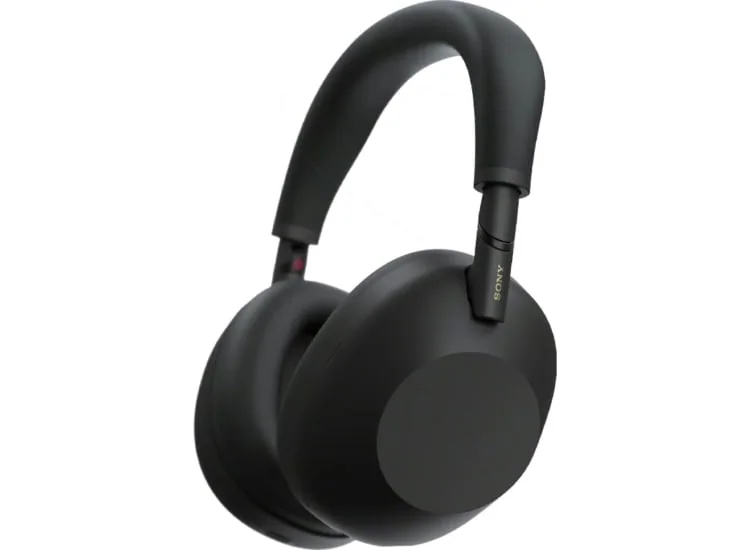
This is the headphone for someone whose 'critical listening' actually happens on planes and in open offices, where noise cancellation matters as much as tonal accuracy. Its new processing chip and expanded microphone array push noise cancellation and call quality ahead of its predecessor, and reviewers note a clean, accurate sound alongside that. It's not built primarily for wireless gaming, and it's not chasing the same reference tuning as the open-back picks above, but for travel-heavy listeners who still care about sound quality, it's a legitimate compromise.
New processing chip significantly improves noise cancellation over the prior generation
Long battery life and comfortable fit suit long flights and travel days
Prioritizes noise cancellation and calls over the pure tonal accuracy of dedicated audiophile designs
What actually separates an audiophile headphone from a regular headphone?
It comes down to tuning philosophy: audiophile-focused headphones are built and reviewed around accurate, detailed frequency response rather than bass emphasis or lifestyle features like noise cancellation alone.
Do I need an amplifier for headphones like the Sennheiser HD 800 S?
Open-back reference headphones in this tier generally benefit from dedicated amplification to reach their full detail and dynamic range, which is worth factoring into your budget.
Are wireless headphones ever a legitimate audiophile choice?
Yes, though with compromises. Models like the Dali IO-8 are built specifically to close that gap, but wired designs still generally lead in raw resolution.
Why would I choose a closed-back model over an open-back one?
Closed-back designs like the Sony MDR-M1 isolate sound better for shared spaces, at the cost of the wider, airier soundstage open-back headphones provide.