

What to know first
- Stealth Magnet geometry is designed to reduce wave interference from the driver's own magnet structure, aiming for cleaner, less distorted sound
- Sensitivity specs place it in easy-to-drive territory for phones and laptops, though a dedicated amp will still extract more from it
- Fully open-back design means no isolation and audible leakage, so it's built for private listening spaces
- Detachable 3.5mm cable connections mean cable swaps and repairs don't require replacing the whole headphone
- Metal-reinforced headband and weight-dispersing strap design target comfort over long sessions
Where the Ananda sits in HiFiMan's planar lineup
HiFiMan has built its reputation on planar magnetic drivers, the same basic technology used in its far more expensive flagship models, and the Ananda is one of the ways that technology reaches a wider audience. Instead of a moving-coil dynamic driver vibrating a cone, a planar design pushes an entire thin diaphragm evenly using a magnetic field, and HiFiMan's diaphragm here is described as between 1 and 2 microns thick, thinner than earlier generations from the company.
The headline feature is the Stealth Magnet structure, shaped specifically so the sound waves generated by the diaphragm can pass through the magnet array without bouncing back and creating interference. Conventional magnets sit in the path of the sound and can cause exactly that kind of turbulence, which shows up as smeared detail or a less accurate frequency response.
Full-size and open-back, the Ananda is a headphone for a desk, a listening chair, or a studio corner, not a commute. Newer packaging on some listings shows an 'Unveiled' variant with a different grille structure, so shoppers should confirm they're looking at the standard Stealth Magnet Ananda covered here rather than that separate version.
The magnet trick that actually changes what you hear
Most planar headphones in this price range still route sound past a magnet structure that gets in its own way. HiFiMan's pitch with Stealth Magnet is that the shape of the magnet lets sound waves pass through nearly undisturbed, described as acoustically transparent, which is supposed to reduce the kind of wave diffraction that muddies fine detail. Published measurements of this model has praised its sense of space and accurate bass as standout qualities, language that lines up with what the Stealth Magnet design is meant to achieve.
Sensitivity is the other reason this headphone stands apart from typical planar designs, which often demand a dedicated amplifier to sound their best. Listings for the Ananda show sensitivity figures as high as 103 dB, positioning it as usable straight from a phone or laptop headphone jack, not just a desktop amp. That's a meaningful distinction if you're not ready to buy a separate piece of equipment just to hear what the headphone can do.
A window shade grille design is part of the same goal: reducing sonic reflections off the grille itself so the driver's output reaches your ear with less interference. Paired with asymmetrical ear cups shaped to follow the ear's natural contour, the engineering choices here are consistently aimed at getting out of the sound's way rather than adding processing on top of it.
Living with an open-back headphone day to day
Comfort over long sessions comes down to the hybrid headband, which uses a weight-dispersing strap designed to spread pressure rather than concentrate it on the top of the head. Combined with a metal-reinforced construction under a matte black finish, the build is meant to hold up to daily handling rather than feel disposable, though it's still a headphone you'll want to store on a stand rather than toss in a bag.
Connections use a detachable 3.5mm cable setup, which matters more than it sounds. If a cable frays or you want a longer or shorter run for your setup, you replace the cable, not the whole headphone. That's a small ownership advantage over sealed, non-detachable designs where a damaged cable means the headphone is done.
Because it's open-back, expect sound to leak out and outside noise to leak in. There's no active noise cancellation and no isolation from a closed cup, so a quiet room does more for your listening experience here than any setting on the headphone itself.
What this headphone won't do for you
There's no microphone, no inline remote, and no wireless connection. This is a wired-only headphone built around sound quality, and buyers looking for a do-everything pair that also takes calls or connects to a phone over Bluetooth need to look elsewhere entirely.
The open-back design that gives it such a spacious sound is the same design that makes it unsuitable for shared spaces. Anyone nearby will hear what you're listening to, and you'll hear them right back, which rules it out for offices, libraries, or a shared apartment where someone's trying to sleep in the next room.
Shoppers should also be careful about naming. HiFiMan sells a related 'Unveiled' version with a different grille and magnet shielding approach, and mixing the two up when comparing prices or specs is an easy mistake. Confirm you're looking at the Stealth Magnet Ananda specifically if that's the model you've researched.
The specs that matter
A thin, evenly driven diaphragm (roughly 1-2 microns thick) responds faster and with less distortion than a typical dynamic cone driver, which is why planar headphones are prized for detail.
Conventional magnets can sit in the path of sound waves and cause turbulence. This design is meant to let sound pass through cleanly, which shows up as clearer, less smeared detail.
Higher sensitivity means the headphone plays louder from less power, so it's realistic to drive from a phone or laptop instead of requiring a separate amplifier.
Low impedance generally means less strain on a basic headphone output, reinforcing that this isn't a headphone that demands specialty gear to sound decent.
Open backs typically sound more spacious and natural but leak sound both ways, so isolation in public settings isn't part of the deal.
A damaged or worn cable can be replaced on its own instead of requiring a full headphone replacement.
That's a substantial over-ear headphone, which is why the weight-dispersing headband design matters for long sessions.
Who this product fits
Upgrading from a closed-back headphone at a desk
Someone moving from a typical closed-back wired headphone to the Ananda should notice an immediately wider, more open sense of space and clearer separation between instruments, largely a result of the open-back design and the Stealth Magnet's reduced interference.
Listening straight from a laptop or phone
Given sensitivity specs that reach as high as 103 dB, a listener plugging the Ananda directly into a laptop or phone headphone jack should get usable volume and reasonable performance without needing to buy a dedicated amplifier first.
Sharing an apartment or office
Anyone hoping to use this at a shared desk or in earshot of roommates should reconsider. The open-back design leaks sound in both directions, so it's a poor fit anywhere privacy or quiet matters to the people around you.
What else to compare
A few adjacent options are worth knowing about before you commit.
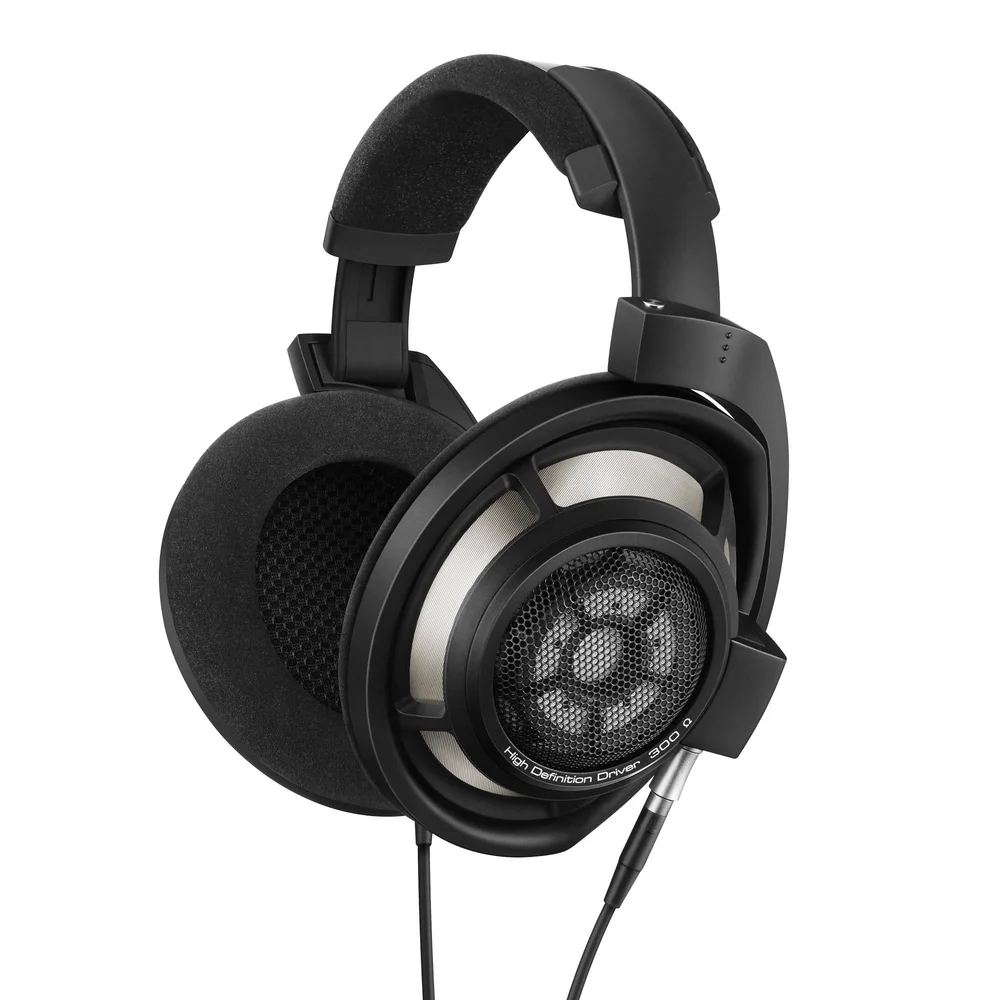
HiFiMan Ananda Over-Ear Full-Size Open-Back Planar Magnetic Headphones with Stealth Magnet FAQ
Does the HiFiMan Ananda need a headphone amplifier?
Not strictly. Sensitivity specifications put it in a range that phones and laptops can drive to a listenable volume, though a dedicated amp may extract more detail and headroom from the planar drivers.
Is the HiFiMan Ananda good for noisy environments?
No. It's a fully open-back design with no active noise cancellation and no isolation, so it performs best in a quiet room and is a poor match for commuting or shared offices.
What's the difference between the Ananda and the Ananda Unveiled?
The Unveiled version uses a different grille approach and magnetic shielding technology derived from HiFiMan's flagship line, while the standard Ananda covered here uses the Stealth Magnet design with a window shade grille. They're related but distinct products, so check listings carefully.
Does the Ananda come with a microphone or remote for calls?
No. This is a wired, audio-only headphone with detachable 3.5mm cables and no inline controls, so it isn't built for taking calls.
Can I replace the cable if it wears out?
Yes. The Ananda uses detachable 3.5mm connectors, so a worn or damaged cable can be swapped without replacing the entire headphone.
Is the Ananda worth the step up from a dynamic headphone?
For anyone who's been listening on closed-back dynamic headphones and wondering what all the planar magnetic talk is about, the Ananda is a reasonable place to find out. The Stealth Magnet design and thin diaphragm are engineered specifically to reduce the kind of interference that makes cheaper headphones sound congested, and sensitivity specs mean you're not immediately on the hook for an amplifier purchase too.
Just don't buy it expecting a commuter headphone or a video-call solution. The Ananda is built for a quiet room, a dedicated listening moment, and a wired setup, and it delivers on that narrower promise rather than trying to be everything at once.