Pickori
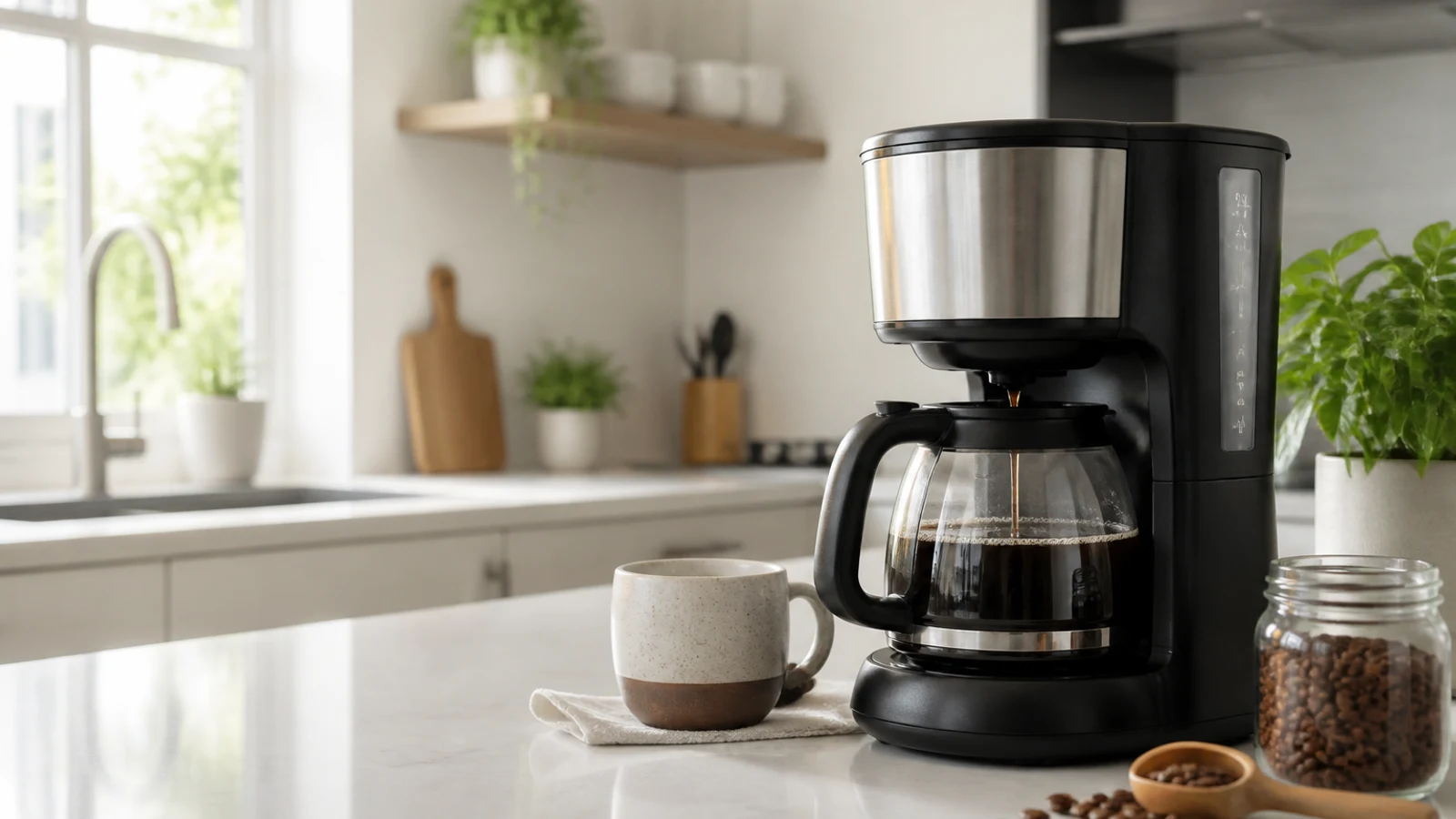
Fresh coffee being poured beside a modern coffee maker in a bright kitchen

coffee maker Research

Coffee Makers

A good coffee maker makes the drink you want without turning every morning into a project. Compare drip brewers, grind-and-brew machines, espresso systems, and flexible multi-serve models for the way coffee actually happens in your kitchen.

Coffee makers for quick mornings, slow weekends, and everything between

Coffee makers range from one-button drip machines to espresso systems that reward practice. The right choice starts with what you drink most often, how many cups you make, and how much hands-on work sounds enjoyable before breakfast.

Capacity and convenience matter, but so do the parts you handle every day: the water tank, brew basket, carafe, grinder, milk wand, and cleaning cycle. A shorter feature list can be an advantage when it makes the machine easier to use and keep clean.

Types of coffee makers

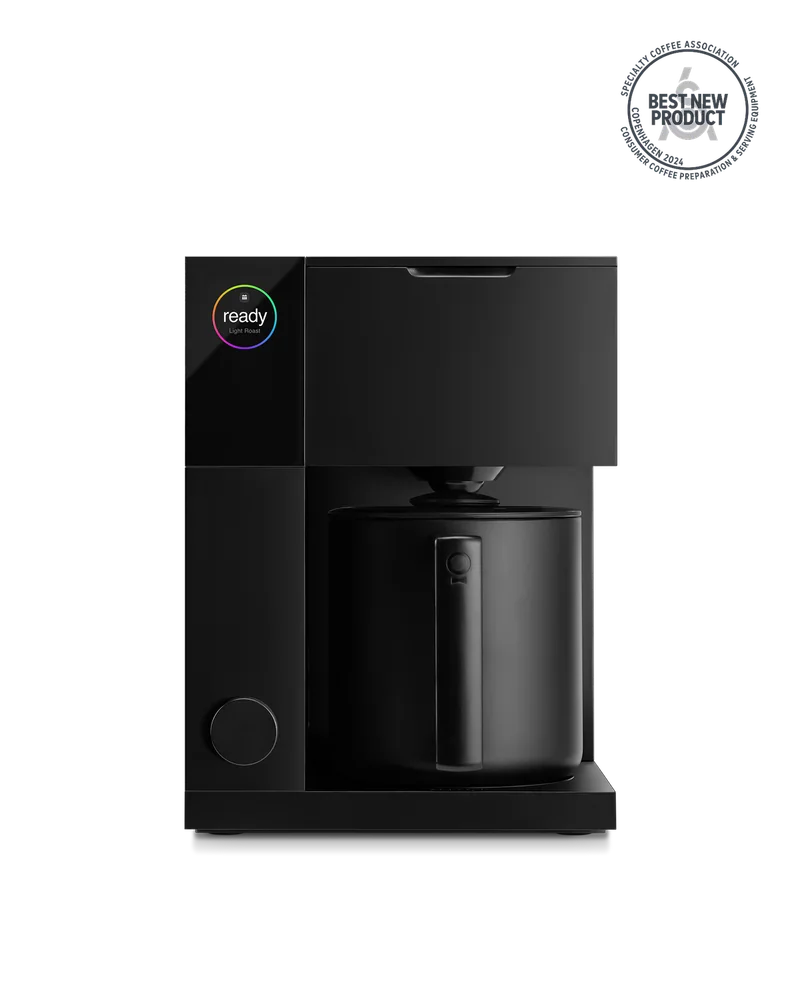
Fellow Aiden Precision Coffee Maker

Drip coffee makers

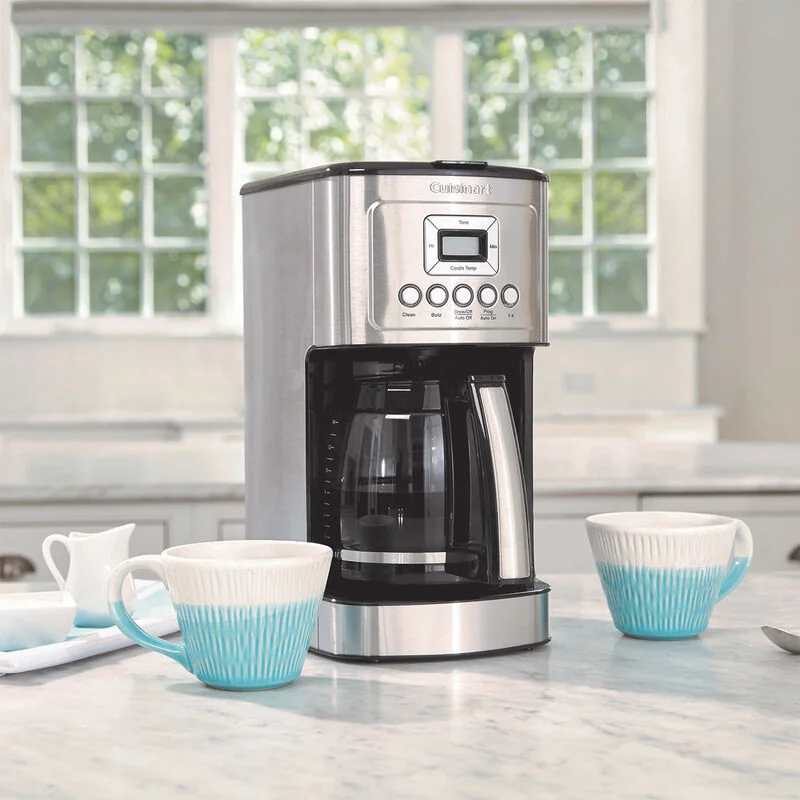
The everyday choice for brewing several cups at once. Models differ in temperature control, carafe style, programming, and how well they handle small batches.

Best for: Households that regularly brew mugs or a full pot of filter coffee.

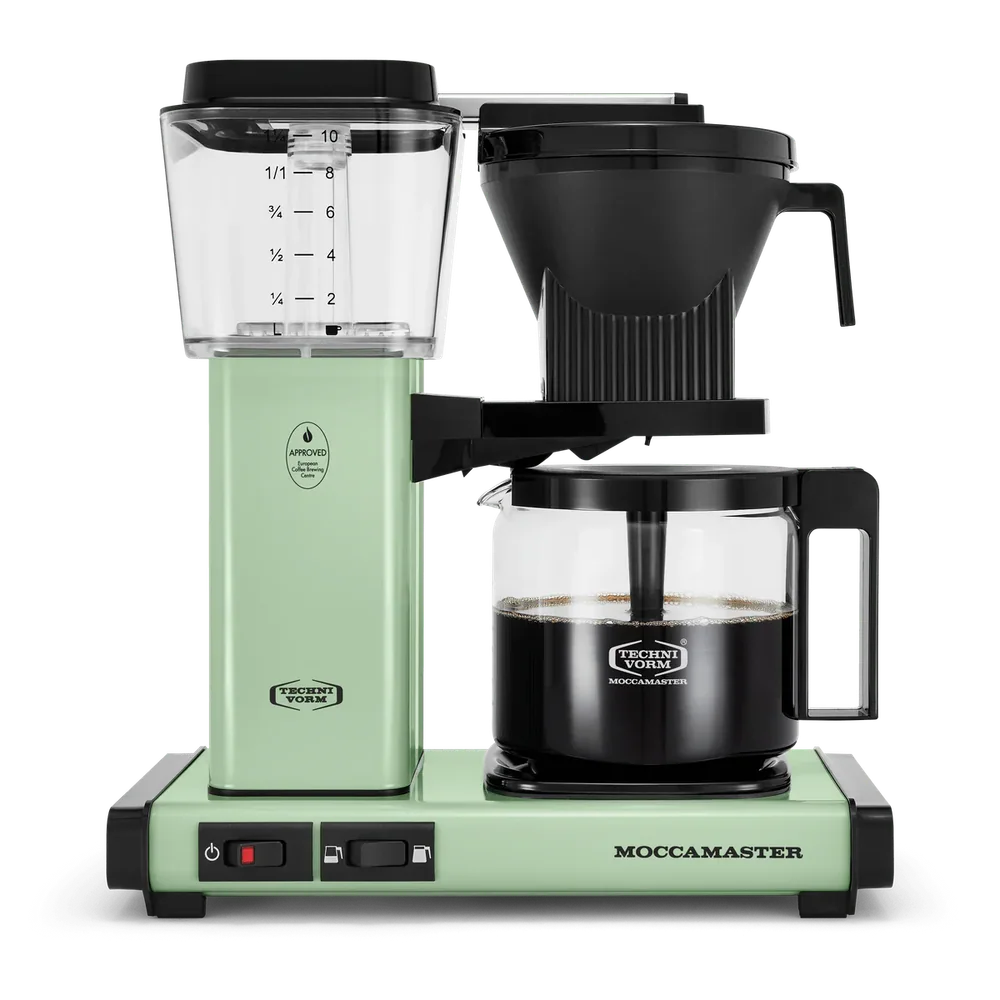
Technivorm Moccamaster KBGV Select

Coffee makers with grinders

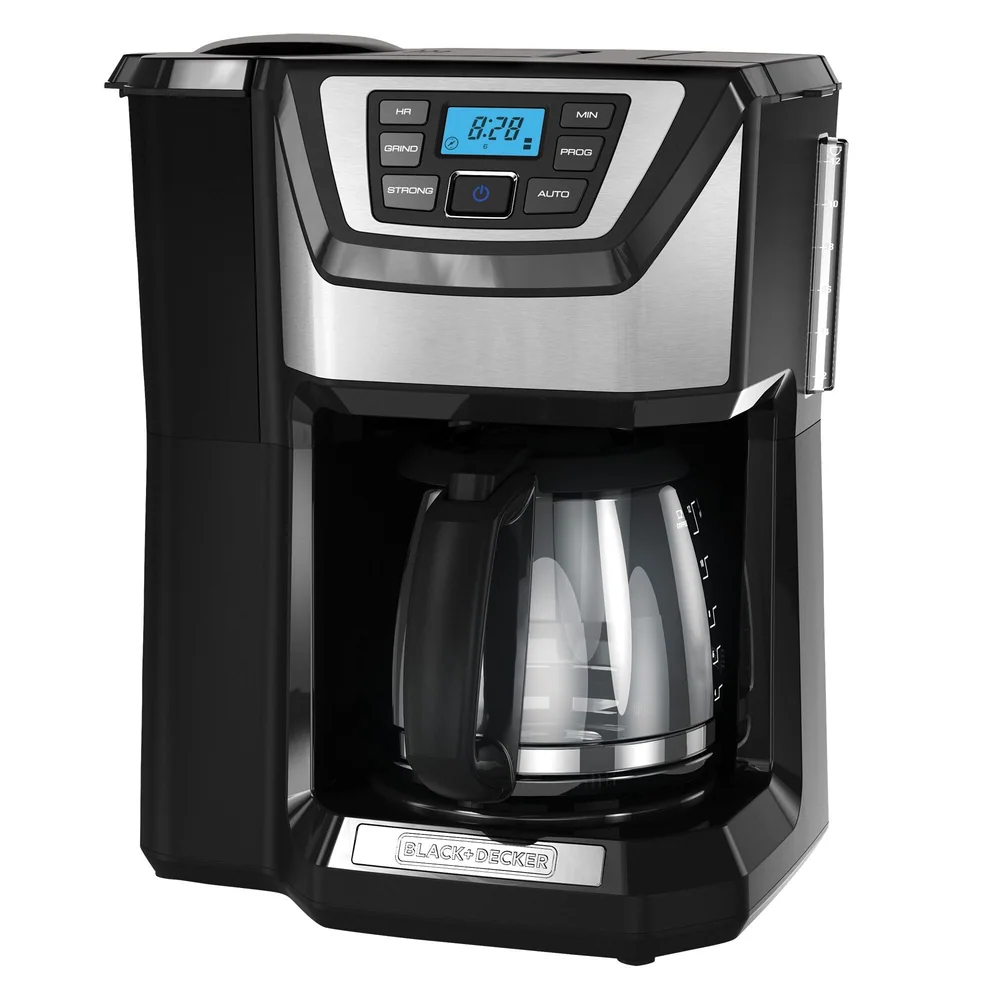
These machines grind whole beans immediately before brewing. They save counter space but add cleaning and make grinder quality part of the buying decision.

Best for: Coffee drinkers who want fresh-ground beans without operating two appliances.

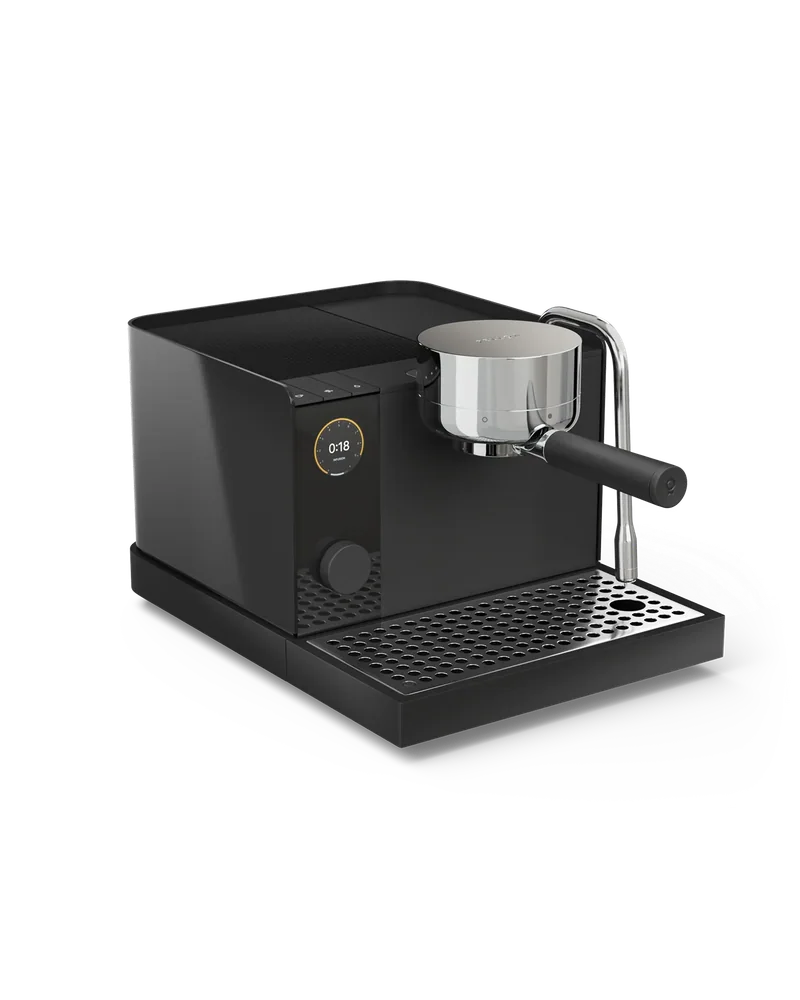
Fellow Espresso Series 1

Espresso machines

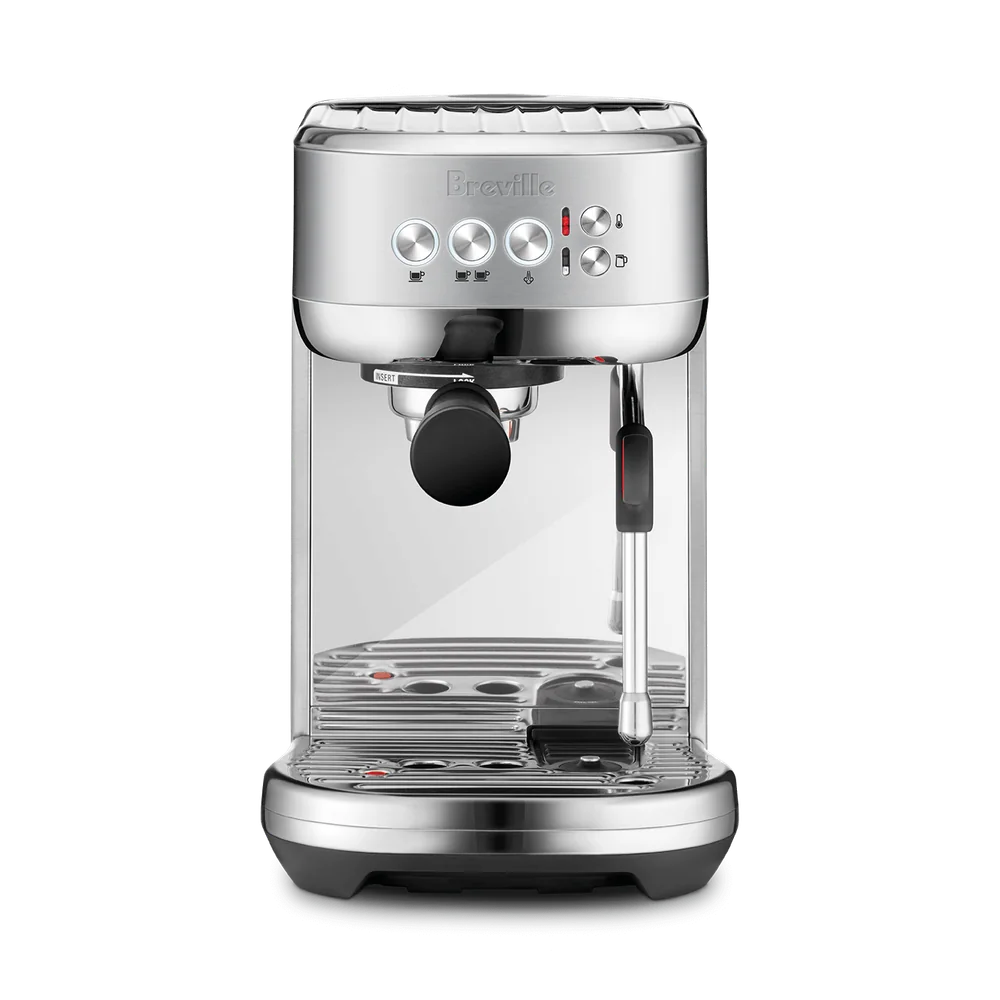
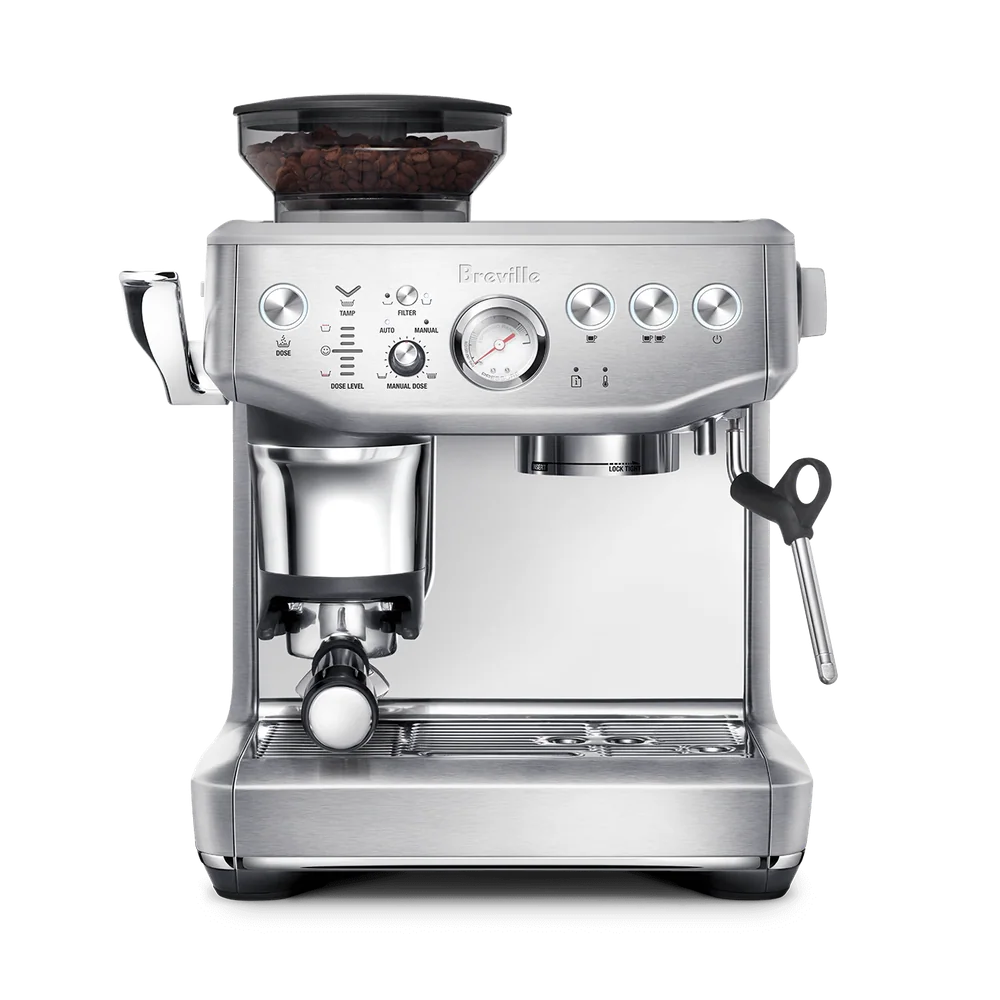
Espresso uses pressure and a fine grind to make a concentrated drink. Some machines guide the process; others leave grinding, dosing, tamping, and milk texture to the owner.

Best for: Lattes, cappuccinos, Americanos, and people who enjoy learning a hands-on routine.

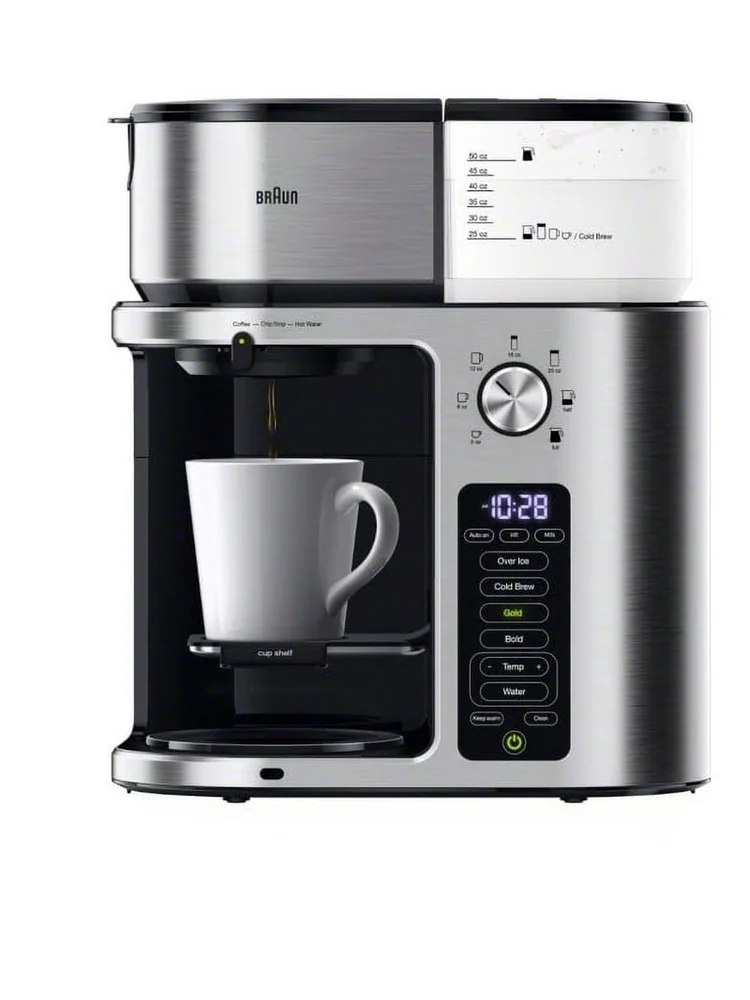
Braun MultiServe Plus KF9370SI

Multi-serve and single-serve brewers

These machines can brew straight into a mug, travel cup, or carafe. Pod-free models reduce waste, while pod systems prioritize speed and variety.

Best for: Households where people drink different amounts at different times.

Coffee Maker Buying Guides and Comparisons

Product reviews

In-Depth Coffee Maker Reviews

Read the full reasoning, important specifications, ownership details, and alternatives for every product covered in this research.

Browse all 17 in-depth coffee maker reviewsEvery full product review, organized by brandView complete archive

Practical ownership help

Make better coffee with the machine you already own

Better water, a sensible coffee-to-water ratio, regular cleaning, and a few small technique changes can improve almost any brewer.

Fellow Aiden Precision Coffee Maker
Cleaning Guide How to Clean a Coffee Maker Without Leaving Cleaner Behind A thorough cleaning routine removes coffee oils and mineral buildup while making sure the next pot tastes like coffee, not cleaner. Read the guide →
Ratio Four Coffee Maker
Brewing Guide The Best Coffee-to-Water Ratio for Drip Coffee A consistent coffee-to-water ratio gives drip coffee a dependable starting point, then lets you adjust strength without guessing. Read the guide →
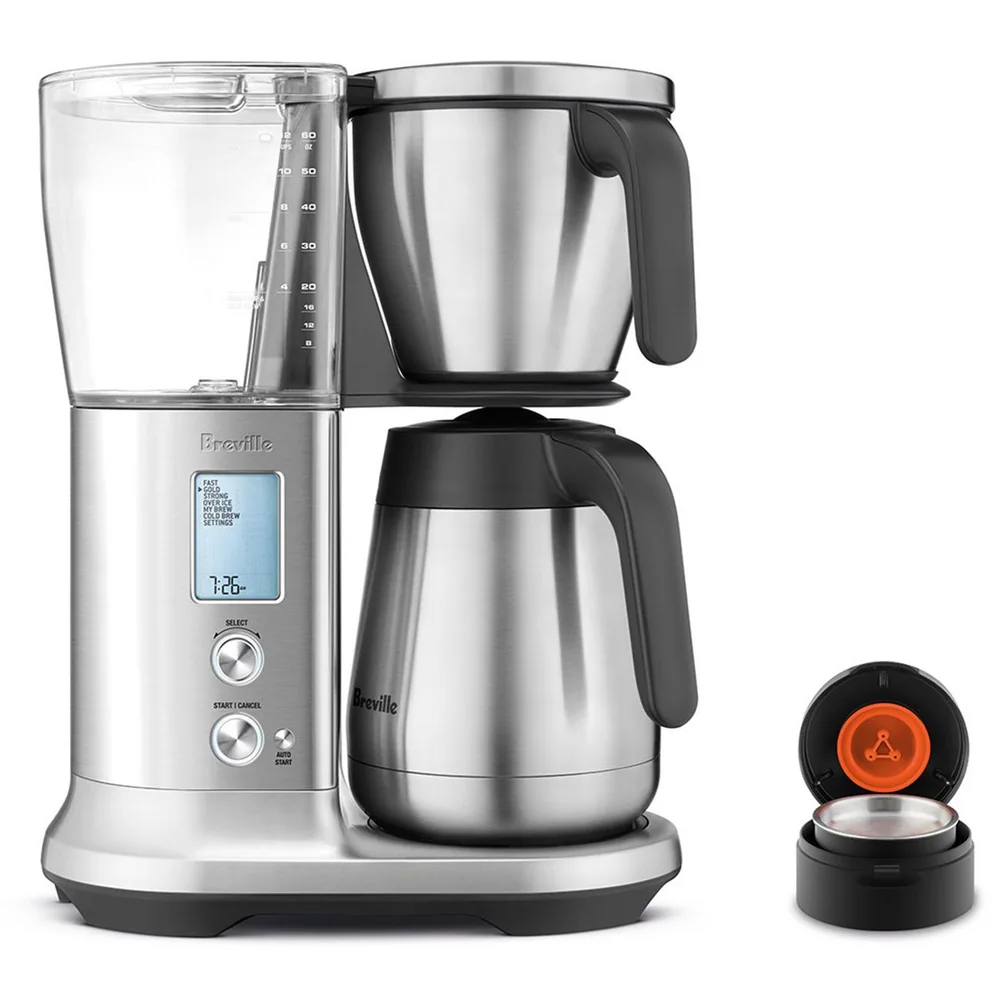
Breville Precision Brewer Thermal
Taste Guide Why Coffee Tastes Bitter or Sour and How to Fix It Bitter and sour coffee usually point to different brewing problems, so identifying the taste first prevents random adjustments. Read the guide →
Fellow Aiden Precision Coffee Maker
Iced Coffee Guide How to Make Iced Coffee With a Coffee Maker Brew coffee a little stronger than usual, then chill it quickly over plenty of ice for a drink that stays flavorful instead of watery. Read the guide →
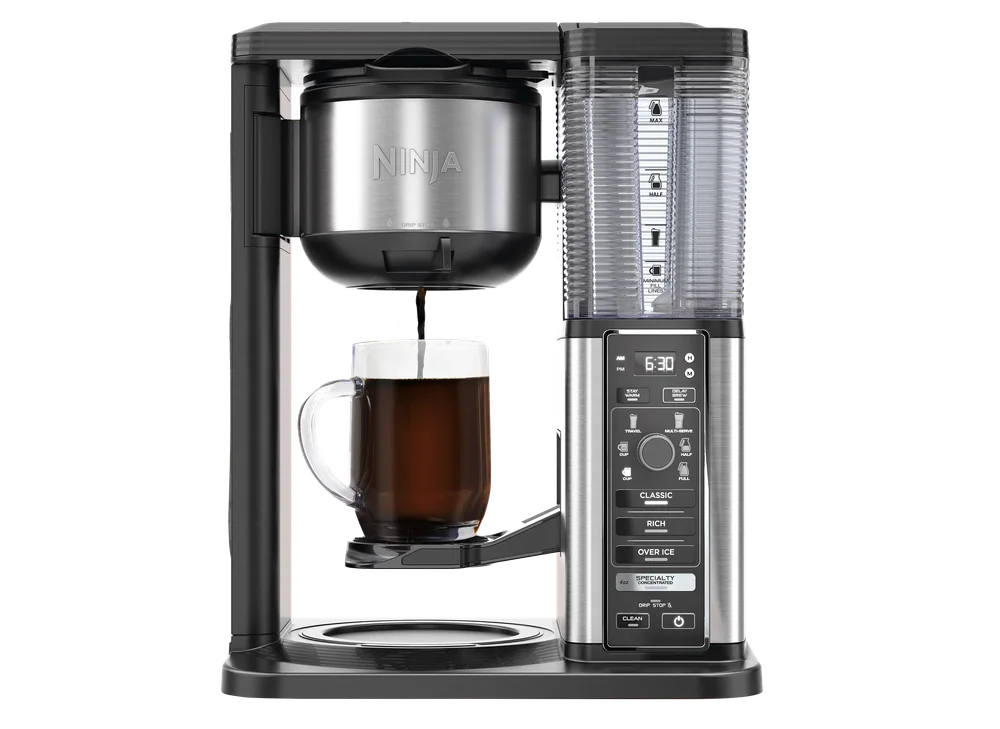
Ninja Specialty Coffee Maker CM401
Maintenance Guide How Often Should You Descale a Coffee Maker? Descale when mineral buildup begins to affect brewing, with the right schedule depending mainly on your water and how often you use the machine. Read the guide →
Cuisinart DCC-3200 14-Cup Programmable Coffee Maker
Carafe Guide How to Keep Coffee Hot Without Burning It Keep coffee warm by reducing how long it sits on heat, using a preheated thermal carafe, and brewing amounts you can finish while flavor is fresh. Read the guide →
Breville Precision Brewer Thermal
Bean Guide How to Choose Coffee Beans for an Automatic Brewer Choose beans that suit your usual drink, stay fresh through the bag, and match the way your brewer handles grinding and extraction. Read the guide →
Ratio Four Coffee Maker
Setup Guide What to Do During the First Week With a New Coffee Maker Use the first week to clean the machine, establish a dependable recipe, and build maintenance into the routine before residue becomes a problem. Read the guide →

Learn the Category

Understand Coffee Makers Before You Buy

Plain-English guides to sizing, features, setup, maintenance, and the category questions that change the decision.

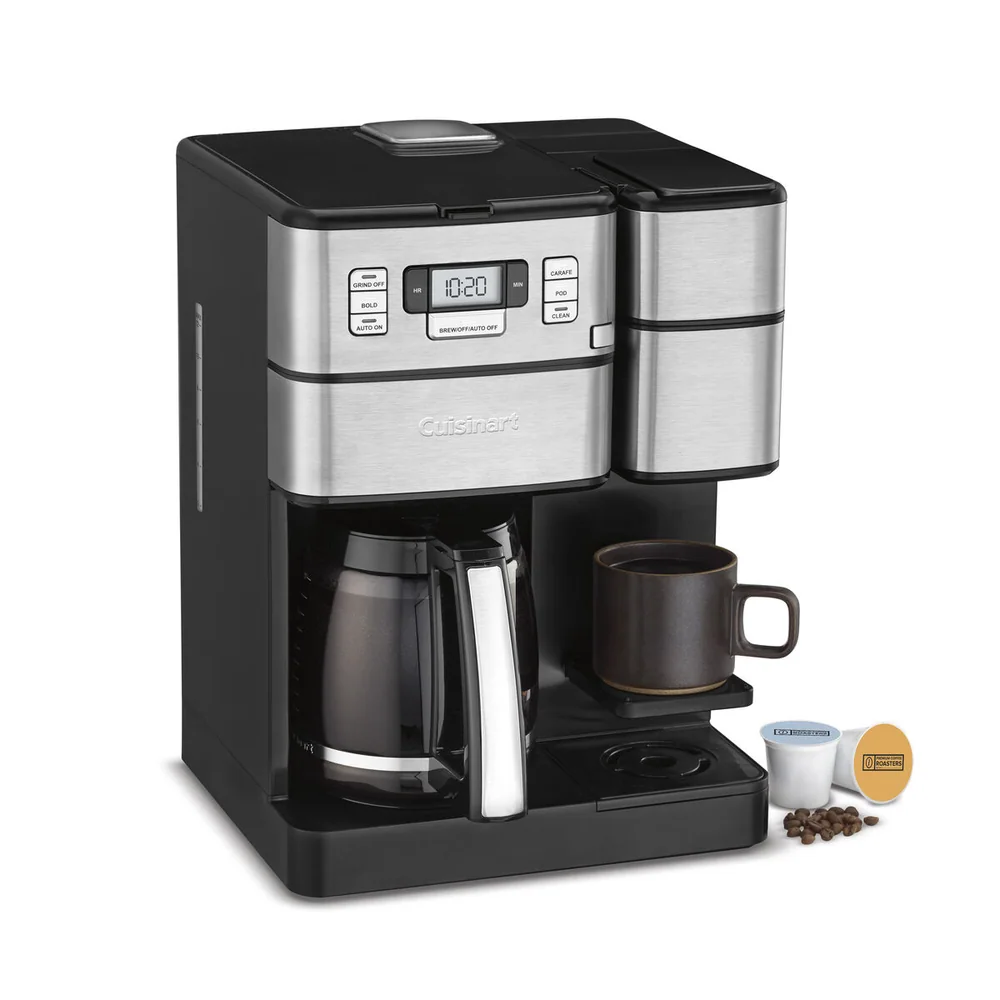
Cuisinart Coffee Center Grind & Brew Plus
Category guide Coffee Maker Types Explained: Drip, Espresso, Grind-and-Brew, and Single-Serve Compare the main coffee maker styles by drink type, daily effort, capacity, and cleanup. Read the guide →
Breville Precision Brewer Thermal
Category guide Thermal vs. Glass Coffee Carafes Learn how thermal and glass carafes affect heat retention, flavor, cleanup, and your morning routine. Read the guide →
Breville Precision Brewer Thermal
Category guide Coffee Maker Temperature and Extraction Explained Understand how water temperature, grind size, and brew time shape the taste of coffee. Read the guide →
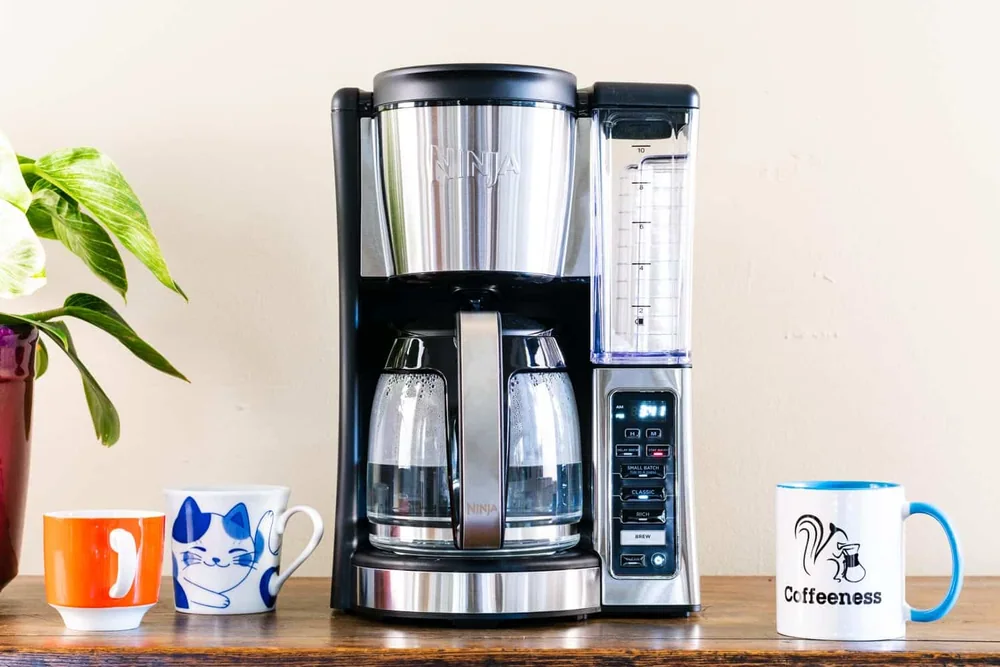
Ninja CE251 12-Cup Coffee Brewer
Category guide Coffee Maker With a Grinder vs. a Separate Grinder Choose an all-in-one brewer for a simpler routine, or separate machines for more control, easier cleaning, and more flexible upgrades. Read the guide →
Fellow Espresso Series 1
Category guide How Much Work Does a Home Espresso Machine Really Take? Home espresso can be a quick routine after practice, but the amount of work depends heavily on how much grinding, brewing, and milk preparation the machine leaves to you. Read the guide →
Ninja CE251 12-Cup Coffee Brewer
Category guide Coffee Maker Capacity Explained: Why a Cup Is Not Always 8 Ounces Coffee maker capacity labels use their own cup measurements, so compare the stated volume with the size of the mugs and batches you actually serve. Read the guide →
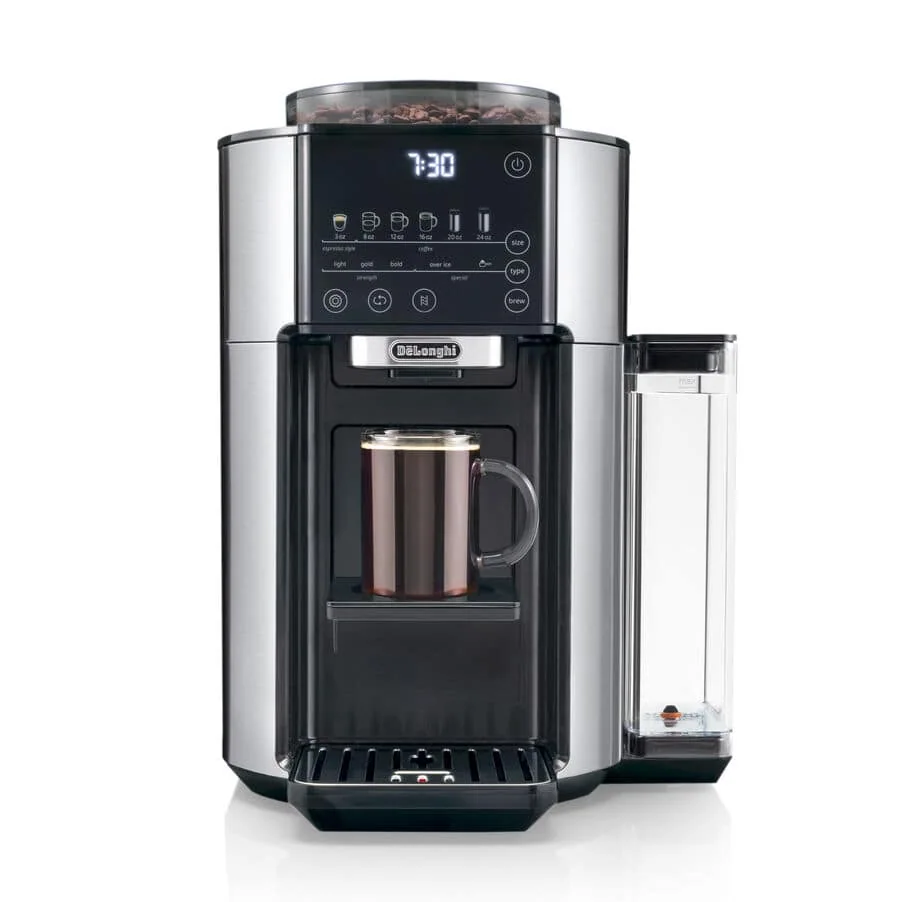
De'Longhi TrueBrew
Category guide Coffee Maker Cleaning and Descaling Explained Learn what to clean after each brew, when to descale, and which neglected parts can affect flavor and machine reliability. Read the guide →
Ratio Four Coffee Maker
Category guide Coffee Maker Features That Matter and the Ones You Can Skip Focus on coffee maker features that fit your routine, improve consistency, and do not create unnecessary cleanup. Read the guide →

Category Knowledge

How Coffee Makers Work

The technical details below explain why products behave differently and which differences shoppers are likely to notice.

Category knowledge

Coffee Maker Types Explained: Drip, Espresso, Grind-and-Brew, and Single-Serve

Compare the main coffee maker styles by drink type, daily effort, capacity, and cleanup.

Coffee makers do not all solve the same problem. A drip machine is built to make filter coffee for several people, while an espresso machine makes small, concentrated shots that become lattes, cappuccinos, and Americanos. Grind-and-brew machines combine bean grinding and brewing, and single-serve brewers focus on individual cups and flexible timing. Start with your normal weekday routine rather than the drinks you imagine making on a relaxed weekend. Count how many people drink coffee, whether they drink at the same time, and whether milk drinks are part of the routine. The best type is usually the one that produces your usual drink with the fewest unwanted steps.

Drip coffee makers heat water and send it through a basket of medium-ground coffee and a paper or reusable filter. The brewed coffee collects in a carafe or, on some models, goes directly into a mug. This is the most practical format for households that make several cups of regular black coffee at once. It also works well for people who prefer a simple routine: add water, add grounds, start the brew cycle, and discard the used grounds afterward.

Capacity is only useful if it matches how you drink. A large pot can be wasteful for one person who wants a single mug, especially if the machine does not have a true small-batch setting. Choose a thermal carafe if coffee often sits for an hour or more, since it holds heat without continued heating. A glass carafe on a warming plate is convenient for seeing the coffee level, but extended heat can make coffee taste cooked or bitter.

Espresso machines force hot water through a compact bed of finely ground coffee under pressure. The result is a small, concentrated coffee drink called espresso. It can be served on its own or diluted with water for an Americano. Add steamed milk, which is milk heated and textured with steam, and the same base can become drinks such as lattes and cappuccinos.

The hands-on work varies widely. A manual or semi-automatic machine asks you to grind, measure, distribute, and tamp the coffee. Tamping means pressing the grounds into the filter basket so water flows through them evenly. More automated machines may grind, dose, or froth milk for you, but milk systems and brew components still need regular cleaning. Buy this type because you want espresso-based drinks often enough to learn and maintain the process, not because a high pressure number sounds impressive.

What this means when shopping: The hands-on work varies widely. A manual or semi-automatic machine asks you to grind, measure, distribute, and tamp the coffee. Tamping means pressing the grounds into the filter basket so water flows through them evenly. More automated machines may grind, dose, or froth milk for you, but milk systems and brew components still need regular cleaning. Buy this type because you want espresso-based drinks often enough to learn and maintain the process, not because a high pressure number sounds impressive.

Category knowledge

Thermal vs. Glass Coffee Carafes

Learn how thermal and glass carafes affect heat retention, flavor, cleanup, and your morning routine.

The carafe is more than a container. It determines how a full pot stays warm after brewing and can change how the last cup tastes. Thermal carafes use insulated walls to retain heat, while glass carafes usually sit on an electric warming plate that supplies heat after the brew cycle ends. Neither style is automatically better. The right choice depends on whether coffee is poured quickly or left out for a while, whether you want to see the remaining amount at a glance, and how much effort you are willing to put into cleaning a narrow container.

A thermal carafe is insulated, often with double walls, so it slows heat loss without needing a warming plate. Once the coffee is brewed, the carafe is usually removed from the machine and keeps the pot warm on its own. This approach avoids continued direct heating. It is especially useful when people pour coffee over a long breakfast, carry the carafe to another room, or do not want the brewer occupying counter space with a hot plate running.

A glass carafe relies on a warming plate beneath it. The plate keeps supplying heat after brewing, which can make a fresh pot feel hotter for a period of time. It also lets you see the coffee level immediately. The downside is that coffee remains in contact with heat after extraction is finished. If the pot sits for a long time, the flavor can become flatter, harsher, or more bitter than it was when freshly brewed.

Coffee changes as it sits no matter which carafe you choose. Aromatic compounds escape, and the drink gradually loses some of its fresh smell and complexity. A thermal carafe generally slows the flavor damage caused by extra heat because it holds warmth rather than repeatedly heating the coffee. For people who make one pot and return for a second or third cup later, this is often the more forgiving setup.

A glass carafe can still work well when the pot is consumed soon after brewing. If your household pours most of it within a short breakfast window, the convenience of a visible carafe may outweigh the flavor difference. Avoid treating a warming plate as a storage method for all morning. Brew a smaller amount when possible, or transfer leftover coffee to an insulated container if you want to keep it for later without leaving it on heat.

What this means when shopping: A glass carafe can still work well when the pot is consumed soon after brewing. If your household pours most of it within a short breakfast window, the convenience of a visible carafe may outweigh the flavor difference. Avoid treating a warming plate as a storage method for all morning. Brew a smaller amount when possible, or transfer leftover coffee to an insulated container if you want to keep it for later without leaving it on heat.

Category knowledge

Coffee Maker Temperature and Extraction Explained

Understand how water temperature, grind size, and brew time shape the taste of coffee.

Brewing coffee is an extraction process. Hot water dissolves flavor compounds from ground coffee and carries them into your cup. A balanced brew has enough sweetness, aroma, and pleasant bitterness without tasting thin, sharply sour, dry, or aggressively bitter. Water temperature matters because hotter water generally extracts coffee more readily than cooler water. Temperature is only one part of the result. Grind size, coffee dose, water amount, contact time, filter type, and the freshness of the beans all affect the cup. Understanding how these factors work together helps you judge useful coffee maker features and fix common taste problems without chasing marketing claims.

Ground coffee contains many soluble compounds, meaning compounds that can dissolve into water. Early in brewing, water tends to pull out bright acids and some aromatic flavors. As brewing continues, it extracts more sweetness, body, and bitter compounds. The goal is not to remove everything from the grounds. It is to remove enough of the desirable material in a balanced proportion before unpleasant flavors dominate.

Water that is too cool may not extract enough from the grounds, especially in a fast drip brew. The cup can taste weak, sour, salty, or hollow. Excessive heat or too much contact can contribute to over-extraction, which often tastes bitter, dry, harsh, or woody. These descriptions are useful clues, not fixed rules. A dark roast, for example, can taste more bitter by nature, while a light roast may show more acidity even when brewed well.

A coffee maker needs more than a high temperature claim. It needs to deliver water at a reasonably steady temperature throughout the brew cycle. If water starts hot and then cools too much, or if it reaches the coffee unevenly, some grounds may be extracted more than others. That can produce a cup that tastes both weak and bitter, because different parts of the coffee bed did not receive the same brewing conditions.

The showerhead, which is the part that distributes water over the grounds, also affects consistency. Water should wet the coffee bed broadly rather than drilling a narrow channel through one spot. A machine can advertise a precise temperature number and still make uneven coffee if water distribution or flow is poor. For everyday buying, prioritize a brewer with a sensible basket design, a stable brew cycle, and a small-batch option if you often make only one or two cups.

What this means when shopping: The showerhead, which is the part that distributes water over the grounds, also affects consistency. Water should wet the coffee bed broadly rather than drilling a narrow channel through one spot. A machine can advertise a precise temperature number and still make uneven coffee if water distribution or flow is poor. For everyday buying, prioritize a brewer with a sensible basket design, a stable brew cycle, and a small-batch option if you often make only one or two cups.
Category knowledge

Coffee Maker With a Grinder vs. a Separate Grinder

Choose an all-in-one brewer for a simpler routine, or separate machines for more control, easier cleaning, and more flexible upgrades.

A coffee maker with a built-in grinder combines two morning tasks in one appliance. Add beans and water, choose a setting, and the machine grinds before brewing. That can be genuinely convenient, especially when counter space is tight or several people want ordinary drip coffee with little setup. The tradeoff is that the grinder and brewer become one maintenance and repair system. A separate grinder and coffee maker require an extra step, but they let each part do its own job. You can adjust the grind for different beans, clean the grinder without moving the brewer, and replace one appliance if it fails. The better choice depends less on the number of features and more on whether your household values speed, flexibility, or a little of both.

An integrated grinder reduces the number of items on the counter and the number of actions before brewing. Beans go into a hopper, which is the storage container above the grinder, and the machine sends the grounds into its brew basket. This suits a predictable routine, such as making the same amount of drip coffee each morning. It also avoids measuring grounds into a separate filter when time is short. That convenience has limits. Many built-in grinders are designed around one brew method and one machine layout, so switching from a full pot to a small pour-over or a cold-brew setup is less convenient. A separate grinder takes up another outlet and some counter area, but it can serve several coffee makers. Before buying, map the space needed for opening lids, removing a water tank, and pulling out the brew basket, not just the machine's footprint.

Grind size is the size of the coffee particles after grinding. Water moves too quickly through coarse grounds and may produce thin, sour-tasting coffee. Water can move too slowly through very fine grounds and may produce bitterness or a clogged filter. A useful grinder gives repeatable adjustments, meaning you can return to a setting that worked after changing beans or cleaning the machine. Built-in grinders vary widely in adjustment range and consistency. A basic integrated grinder may work well for standard drip coffee but offer little room to correct a weak or bitter batch. A separate grinder makes it easier to match the grind to the brewer, whether you use a drip machine, French press, or espresso machine. Do not assume whole beans automatically improve coffee. Fresh grinding helps only when the grinder produces a suitable, reasonably even grind and the brewer is used consistently.

What this means when shopping: Grind size is the size of the coffee particles after grinding. Water moves too quickly through coarse grounds and may produce thin, sour-tasting coffee. Water can move too slowly through very fine grounds and may produce bitterness or a clogged filter. A useful grinder gives repeatable adjustments, meaning you can return to a setting that worked after changing beans or cleaning the machine. Built-in grinders vary widely in adjustment range and consistency. A basic integrated grinder may work well for standard drip coffee but offer little room to correct a weak or bitter batch. A separate grinder makes it easier to match the grind to the brewer, whether you use a drip machine, French press, or espresso machine. Do not assume whole beans automatically improve coffee. Fresh grinding helps only when the grinder produces a suitable, reasonably even grind and the brewer is used consistently.

Specs That Matter When Choosing Coffee Makers

These are the measurements and ownership details that change which coffee makers make sense.

Brew temperature

Stable water temperature helps extract coffee evenly.

Why it matters: A premium-sounding temperature claim matters less than whether the brewer controls it consistently through the cycle.

Carafe type

Thermal carafes preserve coffee without a hot plate; glass carafes make the remaining amount easy to see.

Why it matters: Choose for how long the pot sits, not for appearance alone.

Batch range

Some full-size machines struggle with one or two cups.
Why it matters: Look for a real small-batch mode when daily volume changes.

Grinder adjustment

Built-in grinders need enough control for the machine's brew method.

Why it matters: A grinder is not automatically useful just because it is included.

Cleaning access

Removable water tanks, brew baskets, grinders, and milk parts make routine maintenance easier.

Why it matters: Daily ownership usually matters more than one extra drink preset.

Claims that need context

Barista quality: The phrase has no fixed meaning. Look for temperature control, grind quality, useful pressure guidance, and repeatable operation.

Maximum pressure: More bars do not automatically produce better espresso. Stable pressure and a sensible brewing workflow matter more.

Dozens of drink settings: Presets are useful only when they match drinks you actually make and do not create more cleaning than they save.

Brands in the Category

coffee maker Brands Explained

Use the brand overview as a starting point, then open the linked product reviews for the model-specific decision.

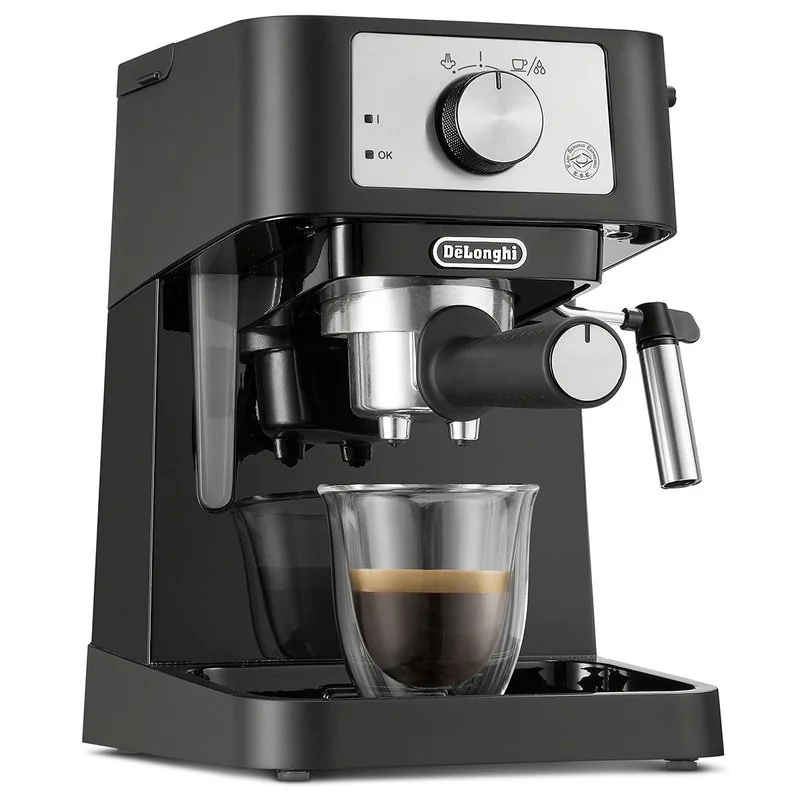
De'Longhi TrueBrew
Brand guide

DeLonghi

De'Longhi TrueBrew makes the most sense for One-cup brewing with minimal fuss.

What to know: 2 DeLonghi models appear across the current guides and reviews.

Braun MultiServe Plus KF9370SI
Brand guide

Braun

Braun MultiServe Plus KF9370SI makes the most sense for Household brewing with multiple cup-size options.

What to know: 1 Braun model appears across the current guides and reviews.

Technivorm Moccamaster KBGV Select
Brand guide

Technivorm

Technivorm Moccamaster KBGV Select makes the most sense for Reliable manual-style drip coffee at home.

What to know: 1 Technivorm model appears across the current guides and reviews.

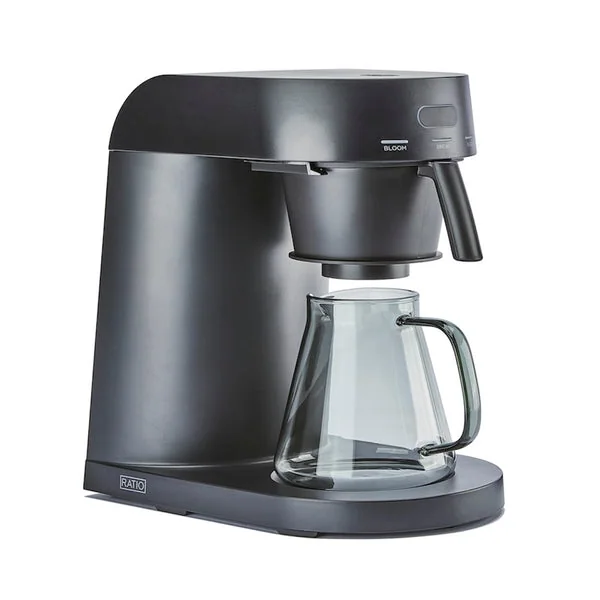
Ratio Four Coffee Maker
Brand guide

Ratio

Ratio Four Coffee Maker makes the most sense for Premium countertop drip coffee with minimalist design.

What to know: 1 Ratio model appears across the current guides and reviews.

How to Choose a Coffee Maker

  • Brew temperature: A premium-sounding temperature claim matters less than whether the brewer controls it consistently through the cycle.
  • Carafe type: Choose for how long the pot sits, not for appearance alone.
  • Batch range: Look for a real small-batch mode when daily volume changes.
  • Grinder adjustment: A grinder is not automatically useful just because it is included.
  • Cleaning access: Daily ownership usually matters more than one extra drink preset.

Coffee Makers FAQ

What is the best coffee maker for most people in 2026?

The Fellow Aiden Precision Coffee Maker is the best overall choice because it combines precise brew control with easy programming and the ability to make either a single cup or a full thermal carafe.

Which coffee maker is best if I want simple drip coffee?

Choose the Technivorm Moccamaster KBGV Select. It focuses on fast, consistent brewing, has a simple half-or-full-carafe selector, and is designed for repairable long-term ownership.

Which coffee maker is best for a large family?

The Cuisinart DCC-3200 14-Cup Programmable Coffee Maker is the best fit for frequent large batches. Its 14-cup carafe, scheduling, brew-strength control, and small-batch mode cover both busy mornings and lighter-use days.

Do I need a coffee maker with a built-in grinder?

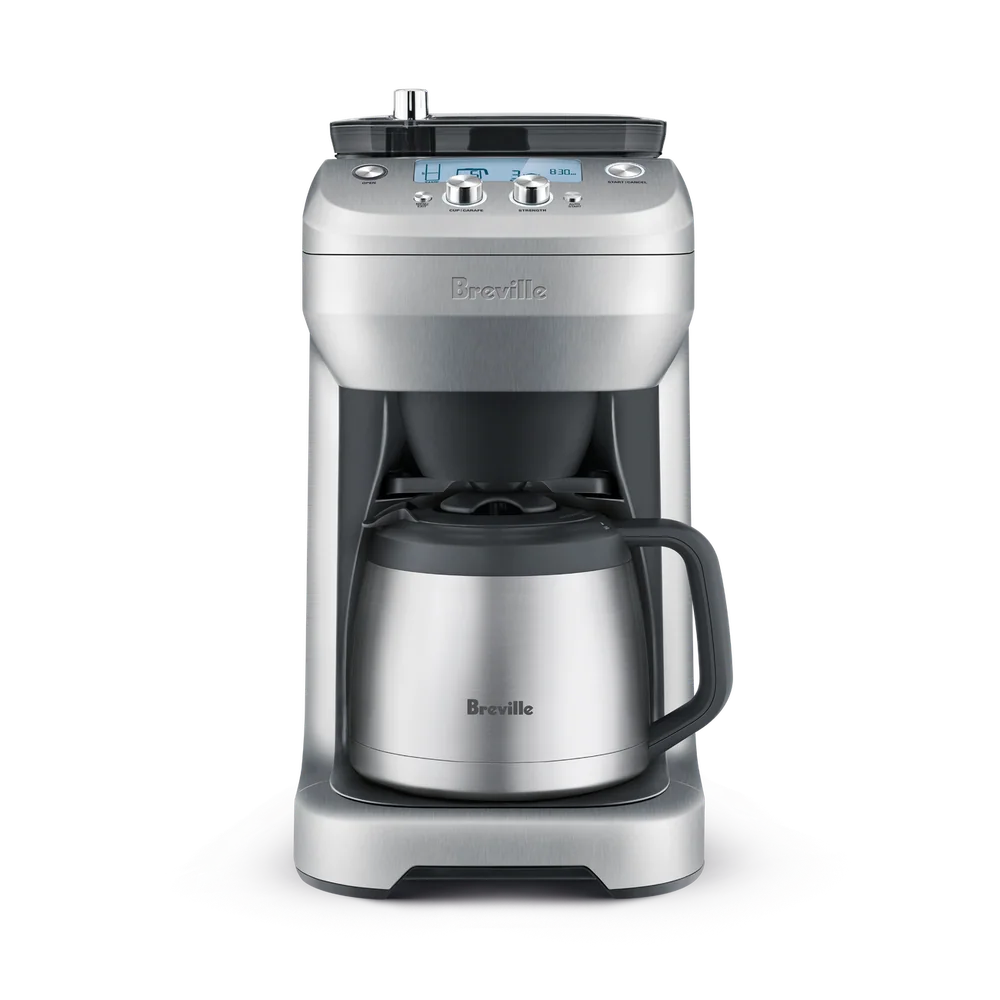
A built-in grinder is worthwhile if you want to brew from whole beans without keeping a separate grinder on the counter. The De'Longhi TrueBrew and Breville The Grind Control Coffee Maker both combine grinding and brewing, though the Breville has more parts to clean than a basic drip machine.

Which coffee maker is best for iced coffee and specialty drinks?

The Ninja Specialty Coffee Maker CM401 is the better fit for specialty drinks because it includes an over-ice setting, concentrated specialty mode, and a fold-away milk frother.