
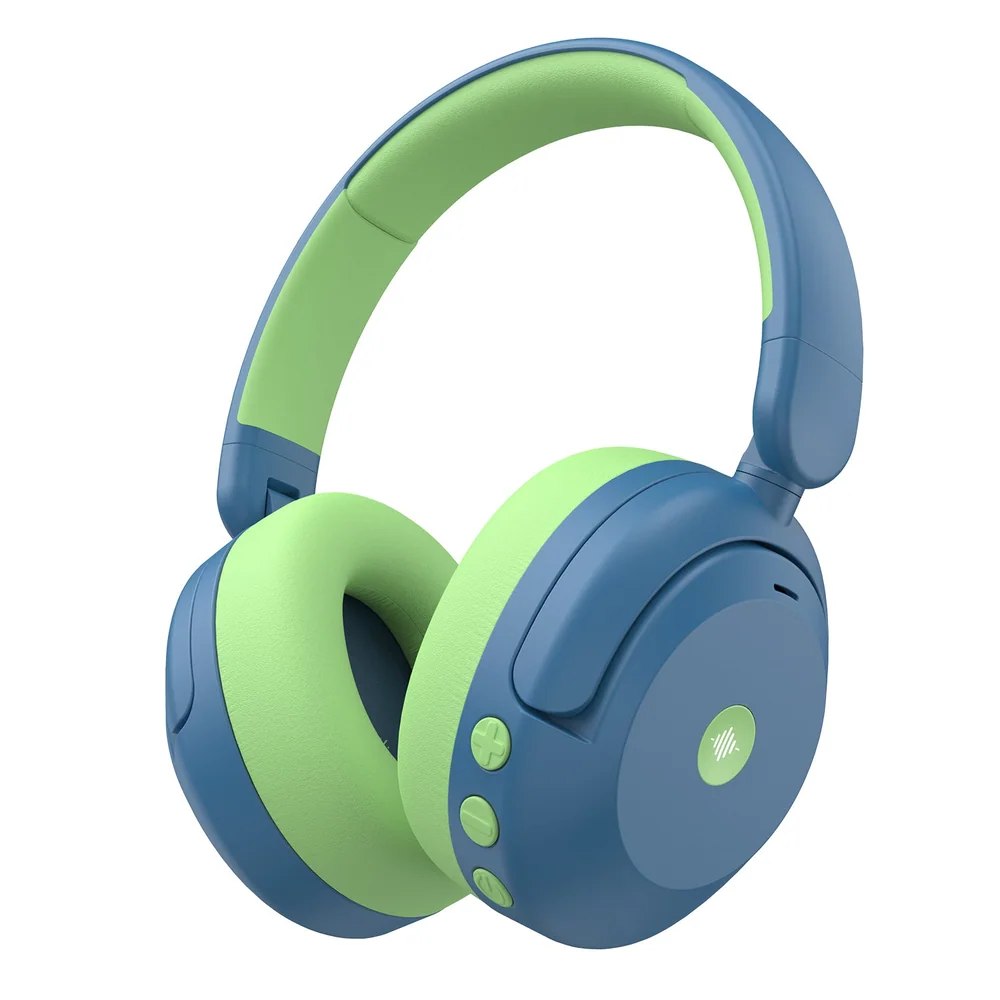
What to know first
- Sound Refiner tech automatically reduces the 2kHz-4kHz range, the frequency band most linked to hearing fatigue and damage risk
- Two ANC depth modes let you choose gentler noise reduction for pressure-sensitive kids or stronger blocking for travel
- Rated up to 60 hours of playtime with ANC off, 35 hours with ANC on, over a 500mAh battery
- Works wired or wirelessly; ANC only activates in Bluetooth mode, not through the 3.5mm cable
- Foldable design with 10-level headband adjustment built to grow with a child over time
- No companion app, so there's no manual EQ or settings customization beyond the onboard buttons
A kids' headphone that treats volume safety as a frequency problem
Most kids' headphones solve the "too loud" problem with one blunt tool: a hard volume ceiling. The BTH20 adds a second layer. Instead of only limiting maximum output, it automatically dials back the 2kHz to 4kHz frequency range, the zone where ears are most sensitive and where prolonged exposure does the most damage. The result is a listening experience that stays clear and balanced instead of sounding capped or thin, which is usually what happens when a headphone just chops the top end off to stay quiet.
It's built for kids from around age 3 up, with sizing that adjusts across 10 head-size levels and a fold-flat design for backpacks and glove compartments. ANC is on board too, which is unusual at this price point in the kids' category, and it's tuned in two strengths rather than one blanket setting.
Two ANC modes instead of one, because kids aren't small adults
Adult ANC headphones assume you want maximum noise blocked, full stop. The BTH20 assumes the opposite: that a kid's ears might not tolerate the ear pressure that comes with strong active cancellation, so it offers a low mode built specifically for pressure-sensitive listeners alongside a high mode that claims up to 40dB of combined active and passive reduction for engine noise and mechanical drone.
That distinction matters more than it sounds. A child who gets uncomfortable in a plane seat or car ride isn't going to tell you it's the ANC pressure bothering them, they're just going to yank the headphones off. Having a gentler option built in means you don't have to guess or disable ANC entirely to keep the peace.
Battery life backs this up as a travel-first design. Sixty hours with ANC off covers a multi-day trip without a charger in sight, and even with ANC running the 35-hour figure should outlast most flights and long drives with room to spare.
Wired for the classroom, wireless for the car
The BTH20 covers both connection types out of the box: Bluetooth 5.4 for wireless use, and a 3.5mm cable for wired situations like school tablets that don't pair or in-flight entertainment systems that require a cord. One thing worth knowing before a flight: ANC only works in wireless mode. Plug in the cable and you lose the noise cancellation, so pack accordingly if a quiet cabin is the goal.
Controls sit on the housing itself: a power button and separate volume up and down buttons, simple enough for a young kid to operate without adult help. There's no companion app, so there's nothing to configure beyond the physical buttons, which cuts both ways. It's one less thing to lose or forget how to use, but there's also no way to fine-tune EQ or adjust the volume limiting curve for a specific child.
Charging runs through USB-C with fast-charge support, which beats the micro-USB ports still found on some competing kids' headphones. The included storage bag and audio cable round out what's in the box alongside the charging cable and manual.
No app means no fine-tuning, and ANC has a wired blind spot
The biggest limitation here is the lack of a companion app. Every safety and noise-cancellation feature is baked in at the factory, which is fine for most families but leaves nothing to adjust if a particular kid needs a different balance than the default.
Remember that ANC only engages over Bluetooth, not through the wired cable. If your child mostly uses these plugged into a school-issued tablet or an airplane seatback screen, they'll get the moderate sound output and Sound Refiner tech but not the active noise blocking, so plan for pairing over a cable when quiet matters most.
At 218 grams and available only in blue or pink, sizing and color choice are fixed rather than customizable, worth checking against your specific child's preferences before buying.
The specs that matter
Protects against hearing fatigue in the frequency band most linked to damage, without needing a parent to set or monitor a volume cap manually.
Lets you match noise blocking to a specific child, easing off for kids sensitive to ear pressure and going stronger for flights or loud commutes.
Covers multi-day trips or a full week of school use without a nightly charge, even with ANC running for most of a flight.
Wired mode works with devices that don't pair, like some school tablets or seatback entertainment systems, though ANC won't function over the cable.
Faster and more universal than the micro-USB ports still common on cheaper kids' headphones, and matches most household chargers already in use.
Gives real room to grow with a child over multiple years rather than needing replacement as they get taller.
Who this product fits
A parent buying a first pair of headphones for a 4-year-old
The built-in Sound Refiner tech means volume safety doesn't depend on a parent remembering to set a limit or check settings. Combined with the low ANC mode, it's a reasonable pick for a young child who hasn't used headphones long enough to know if loud volume feels uncomfortable.
Long flights with a noise-sensitive kid
The low ANC depth setting is built specifically for kids who find ear pressure uncomfortable, while still cutting some cabin noise. A 35-hour battery with ANC running means one charge before the trip should cover the whole flight and then some.
A school tablet that won't pair over Bluetooth
The included 3.5mm cable handles that instantly, though it's worth telling your kid ANC won't be active in wired mode, so the classroom experience will be quieter overall but without active noise blocking.
What else to compare
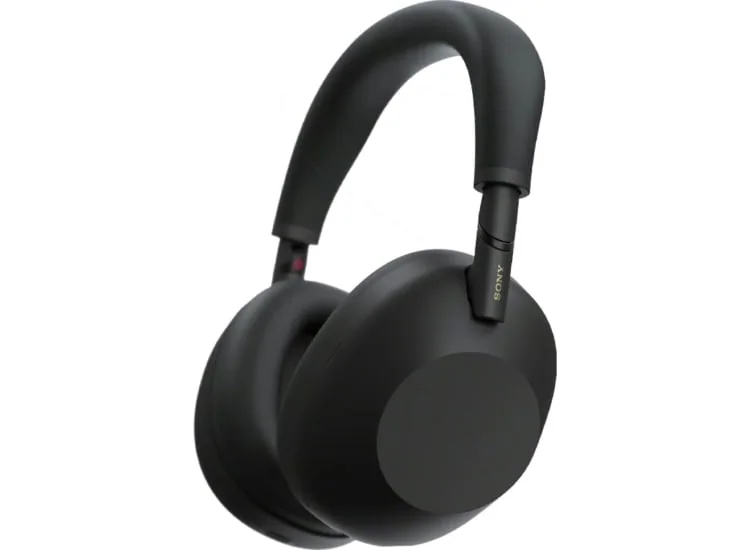
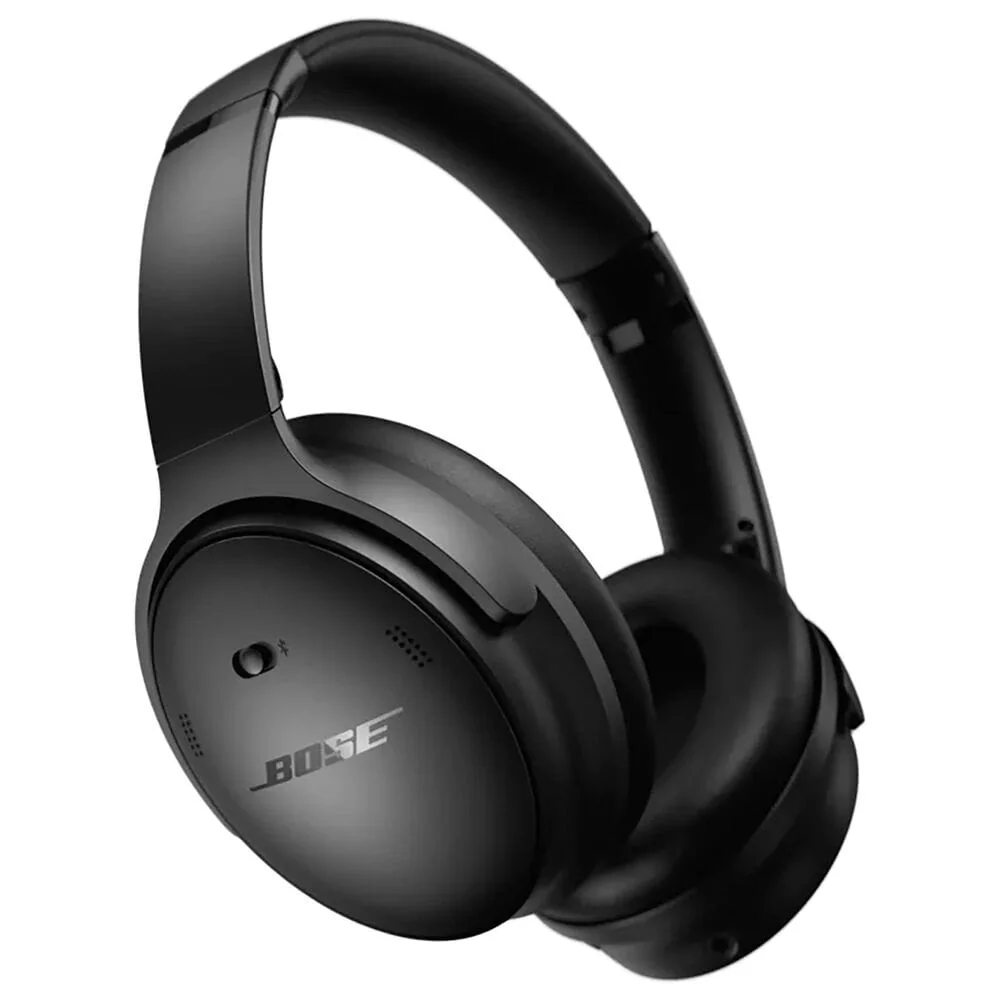
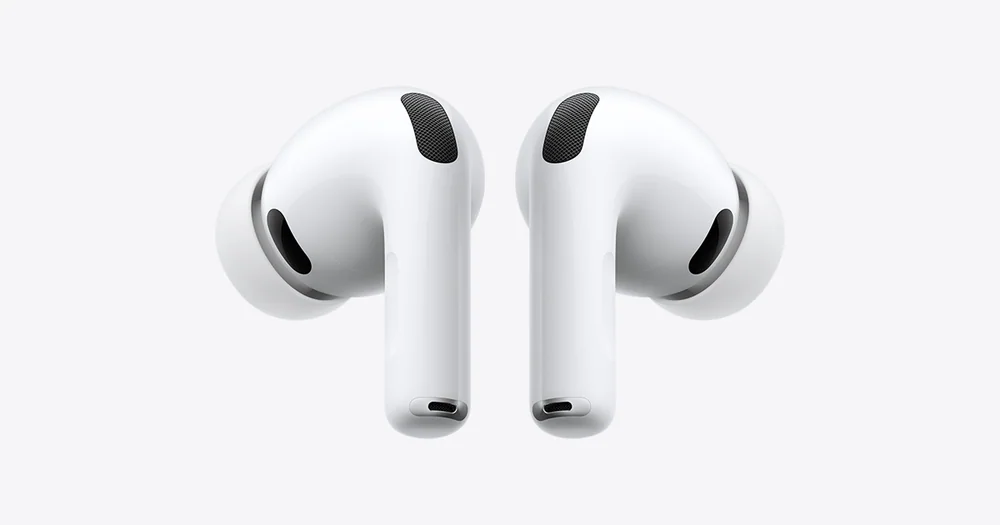
A few other considerations if the BTH20 isn't quite the right match.
iClever BTH20 Kids Bluetooth Headphones FAQ
Does ANC work with the wired cable?
No. Active noise cancelling only activates when the BTH20 is connected over Bluetooth. Using the 3.5mm audio cable disables ANC, so you get standard wired listening without active noise blocking.
What age range are these headphones designed for?
iClever markets the BTH20 specifically for kids starting around age 3, with volume-limiting and frequency-reduction features built to protect developing hearing.
Is there an app to control settings?
No, the BTH20 doesn't have a companion app. All controls are physical buttons on the headphone body: power, volume up, and volume down.
How long does the battery actually last?
iClever rates the BTH20 at up to 60 hours of playtime with ANC turned off, and 35 hours with ANC on, using a 500mAh battery and USB-C fast charging.
Can adults use these too?
Yes, though they're designed around moderate volume output and a kid-focused fit. Adults who want a gentler, lower-volume listening experience may still find them comfortable, but they're not tuned for critical adult listening.
Worth it if you want safety features that don't need supervision
Kids' headphones live or die on one question: does the safety feature actually work without a parent checking in constantly? The BTH20's frequency-targeted volume reduction and dual ANC modes both pass that test, doing their job automatically rather than depending on a setting someone has to remember to apply.
Skip it if you want app-based customization or need ANC to survive in wired mode, since neither is on offer here. But for a family that wants a durable, adjustable, long-battery kids' headphone with real thought put into hearing protection, the BTH20 earns its price.