
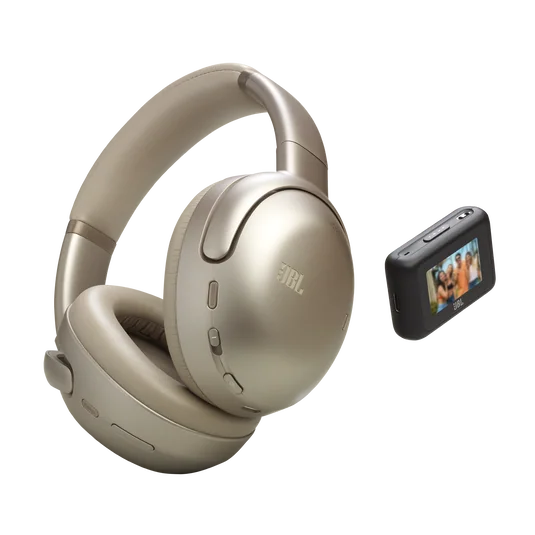
What to know first
- Released May 11, 2026, the Tour One M3 Smart TX is JBL's current over-ear ANC headphone in the Tour series
- It follows the established Tour formula: active noise cancellation plus wireless over-ear comfort for travel and commuting
- ANC quiets steady drones like engine and HVAC noise more effectively than sudden sounds or nearby voices
- Bluetooth codec support affects wireless sound quality, but fit and a stable connection usually matter more day to day
- As a current-generation model, it's the one to check first if you're shopping the Tour line new rather than used
Where the Tour One M3 Smart TX sits in JBL's lineup
JBL announced the Tour One M3 Smart TX in April 2026, with the headphone reaching the market a few weeks later on May 11, 2026. That timeline puts it squarely as the current generation in the Tour series, the line JBL has built specifically around noise cancellation and over-ear comfort for travel rather than gym use or casual desk listening.
The Tour name carries expectations. JBL has used it for headphones meant to survive long flights and packed commuter trains, not just afternoons on the couch. The Smart TX designation signals this is the newest iteration of that idea, and if you've shopped this category before, it's worth treating this as the successor to whatever Tour model you last considered, since JBL is positioning it as the current option at retail through mid-2026.
It's a wireless over-ear design, which puts it in direct competition with the usual crowd of travel-focused ANC headphones rather than true wireless earbuds. If you were hoping for something pocketable, this isn't that category. It's built for the over-ear form factor, ear cups and a headband, and everything about its positioning assumes you're fine with that trade for the sake of longer battery sessions and a bigger noise-cancelling driver.
The case for buying current instead of last generation's model
The simplest argument for the Tour One M3 Smart TX is timing. Buying the newest model in a series generally means better component sourcing, updated firmware support, and a longer runway before the next headphone replaces it. If you're choosing between this and an older Tour headphone at a discount, the newer model is the safer long-term bet purely because JBL will support it longer.
Active noise cancellation is the headline feature of the entire Tour series, and it's reasonable to expect the Smart TX carries forward or improves on that strength rather than abandoning it. ANC works best against steady, low-frequency noise: the hum of a plane engine, the drone of an office HVAC system, road noise on a train. It's far less effective against a crying toddler two rows back or a barista shouting an order, so don't expect silence, expect a quieter baseline hum that makes those other sounds less exhausting to sit through for hours.
Being the current model in a well-established series also means it's easier to find in stock at major retailers right now than an outgoing generation, which matters if you're buying for a trip on a deadline rather than browsing casually.
What actually changes once you're wearing them
Over-ear headphones live or die on comfort during multi-hour stretches, since that's the whole point of the Tour series' travel focus. A headphone that clamps too tight or gets warm after two hours turns a long flight into a countdown to takeoff, so fit matters more here than almost any other spec on the box.
Wireless connectivity through Bluetooth means no cable to manage in a cramped airplane seat, but it also means battery management becomes part of your routine. JBL's own figures on total listening time and charging speed matter less than the honest number of hours you get on a single charge with ANC switched on, since that's the setting most travelers actually use. Check that single-charge figure directly against your typical travel day, whether it's a six-hour flight or a two-week trip with limited outlet access, before assuming the total advertised runtime applies to your situation.
Bluetooth codec support (things like AAC, SBC, or higher-end options like aptX or LDAC) determines whether you get the best possible wireless sound quality from your specific phone or laptop. It's a real consideration for anyone particular about audio fidelity, but for most commuters, a secure fit and a stable, dropout-free connection will do more for your daily listening experience than codec bragging rights ever will.
What you won't know until you dig further
Here's the honest gap: without confirmed battery-life hours, exact ANC decibel reduction, or a verified codec list specific to this model, buying decisions have to rest partly on trust in JBL's Tour series track record rather than hard numbers unique to the Smart TX. That's not unusual for a headphone this new to market, but it's worth knowing before you assume every spec matches the previous Tour generation.
A high-resolution or lossless audio badge, if JBL applies one here, doesn't guarantee a noticeably better listening experience on its own. Your streaming service, your phone's codec support, and the fit of the ear cups against your head all shape what you actually hear far more than a marketing label does.
If you're the type of shopper who wants side-by-side lab numbers against a specific rival headphone before spending real money, you'll need to look for that comparison elsewhere. This review can tell you where the Tour One M3 Smart TX sits in JBL's lineup and what its category strengths and limits generally are, not how it measures against a specific competitor's ANC chip.
The specs that matter
ANC reduces steady background drones like plane engines and HVAC hum, making long trips less fatiguing, though it won't silence sudden noises or nearby conversation.
Over-ear designs typically trade pocketability for longer battery life and a bigger, more comfortable ear cup for extended wear.
As the current generation in the Tour line, it should have the longest support runway of any Tour headphone available right now.
Codec support affects wireless sound quality on certain source devices, but a secure fit and stable connection matter more for most daily listening.
Always check the single-charge runtime with ANC on, not just the marketed total, against your actual travel or commute length before buying.
Who this product fits
The frequent flyer replacing a worn-out Tour headphone
If your current over-ear pair from JBL's Tour lineup is starting to feel dated, the Smart TX gives you a current-generation option with fresh firmware support and likely improved ANC tuning, without switching brands or relearning a new ecosystem.
The commuter who wants quiet on a crowded train
ANC tuned for steady background noise will take the edge off train rumble and engine drone, though it won't erase nearby phone conversations, so temper expectations accordingly.
The shopper comparing brand-new releases
Being the current model as of mid-2026 means better retailer availability and a longer runway of software support than an outgoing Tour generation, which matters if you plan to keep headphones for several years.
The audiophile chasing exact codec specs
Without a confirmed codec list for this specific model, buyers who need guaranteed aptX or LDAC support for a particular device should verify compatibility directly before purchasing rather than assuming it from the Tour name alone.
What else to compare
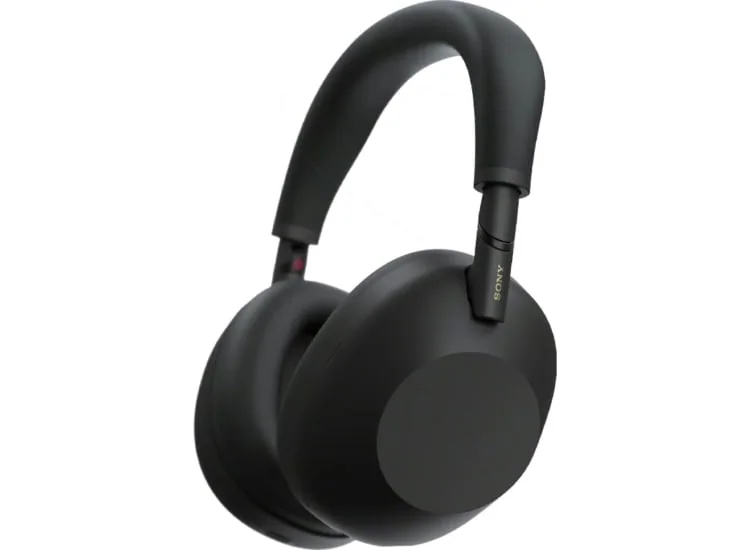
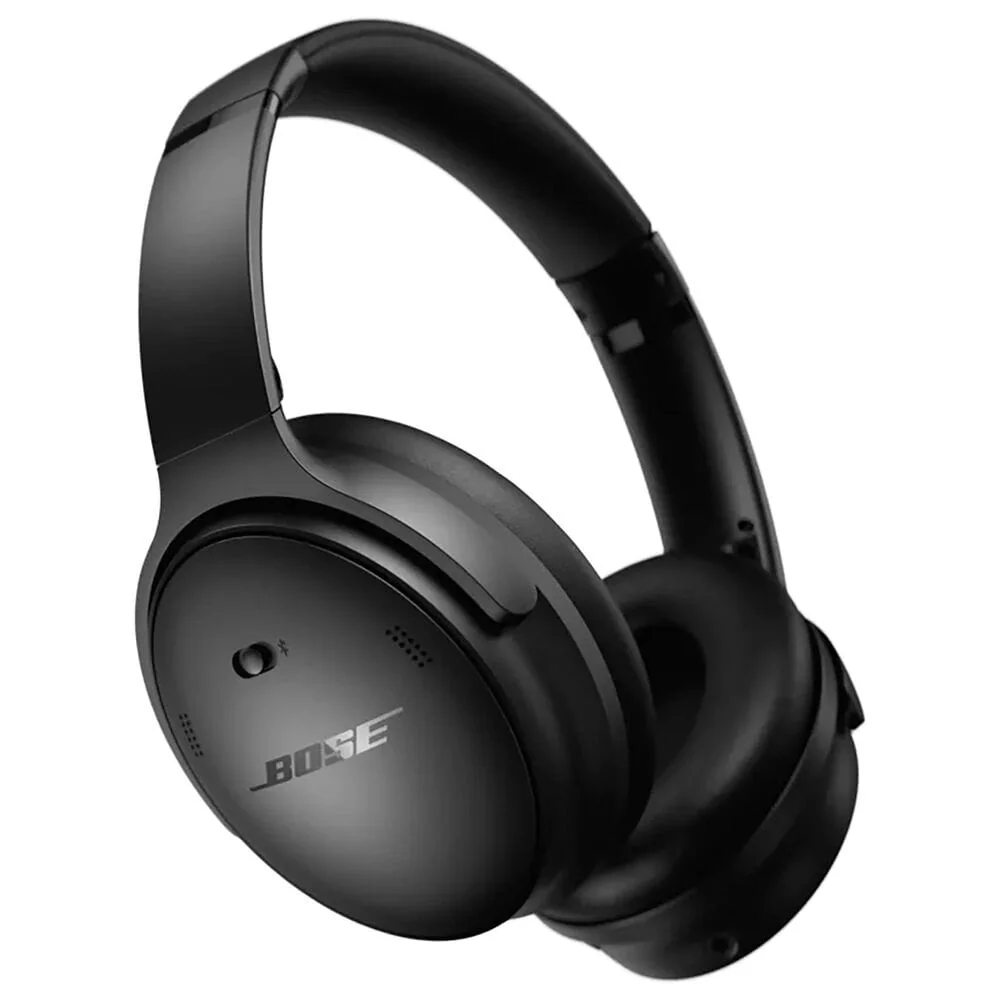
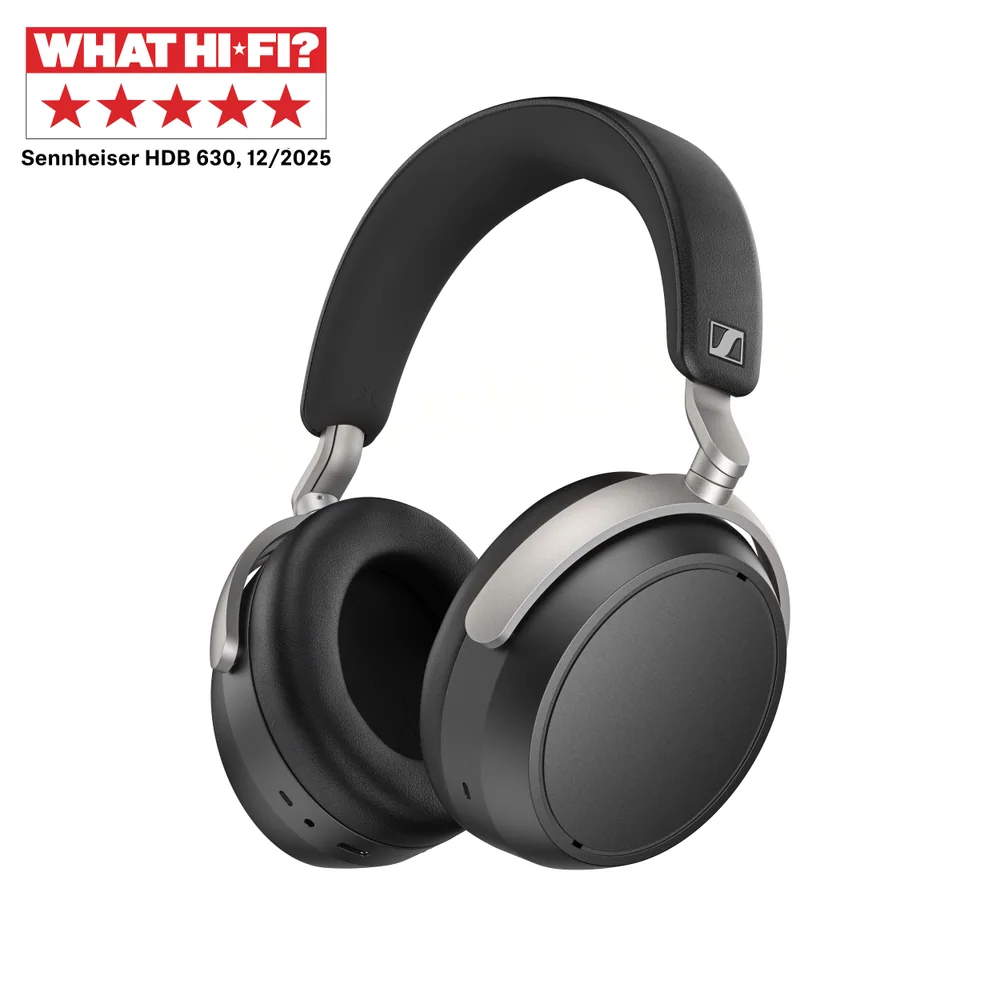
If confirmed specs matter more to you than brand loyalty, it's worth checking a rival over-ear ANC headphone with published battery and codec figures side by side.
JBL Tour One M3 Smart TX FAQ
When did the JBL Tour One M3 Smart TX come out?
JBL announced it in April 2026 and it released on May 11, 2026, making it the current model in the Tour series as of mid-2026.
Is the Tour One M3 Smart TX over-ear or in-ear?
It's a wireless over-ear headphone, not earbuds, positioned for longer listening sessions and travel use rather than workouts or a slim daily-carry footprint.
How good is the noise cancellation?
It's part of JBL's Tour series, which has long centered its design around active noise cancellation, but exact performance figures for this specific model aren't independently confirmed. Expect it to handle steady drones like engine noise well and sudden or nearby sounds less completely.
Does it support high-resolution audio codecs?
Codec support wasn't independently verified for this specific model. If a particular codec like aptX or LDAC matters to you, confirm compatibility with your source device before buying.
Is this a big upgrade over the previous Tour model?
It's the current generation in the lineup, but without confirmed spec-by-spec comparisons, treat it as an evolution of the Tour formula rather than a guaranteed major leap.
Who should skip this headphone?
Anyone who wants in-ear buds, needs guaranteed codec support for a specific device, or wants hard proof of battery life before buying should look elsewhere or wait for more detailed independent figures.
Current generation, familiar formula: is that enough?
The JBL Tour One M3 Smart TX earns its place by being the newest, best-supported entry in a series JBL has spent years refining around one job: making long trips quieter and more comfortable. That focus, not a spec sheet full of surprises, is the real reason to consider it.
If you value buying current over chasing the lowest price on an outgoing model, and you trust JBL's Tour series track record on ANC and comfort, this is a reasonable pick to make without waiting for more data. If you need exact battery numbers or guaranteed codec support locked in before spending, hold off until those details are confirmed, or compare it directly against a rival with published figures first.