
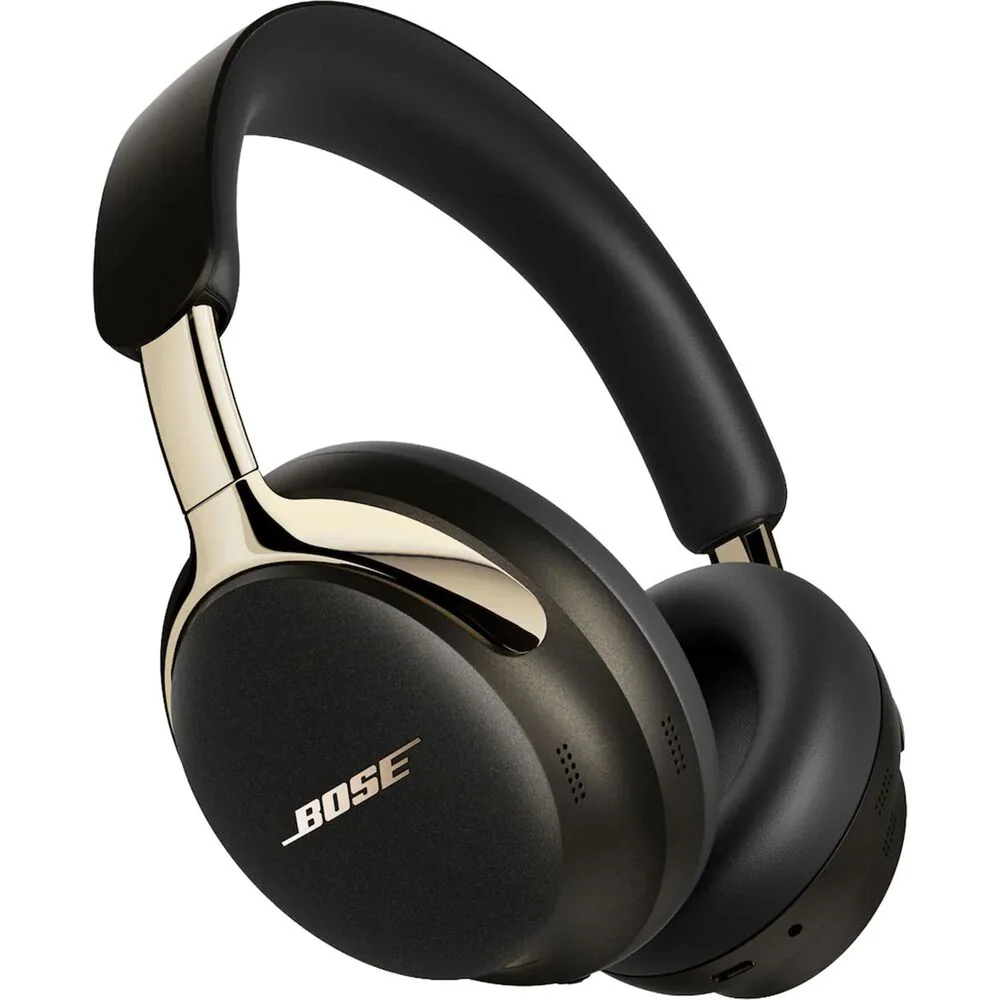
What to know first
- Released October 2, 2025, as Bose's current flagship over-ear noise-cancelling headphones
- Positioned above the numbered QuietComfort Headphones and the QuietComfort Ultra Earbuds in Bose's lineup
- Noise cancellation is tuned for steady, low-frequency sound like engines and HVAC systems, not sudden noise or nearby conversation
- Comfort and fit are consistently called out as a strength, including for people who wear glasses
- Includes Immersive Audio with head tracking and USB-C audio, features the cheaper QuietComfort Headphones also picked up
- A three-band EQ is the app's only sound-shaping tool, less flexible than some competitors offer
Bose's flagship, not its only good option
The QuietComfort Ultra Headphones (2nd Gen) sit at the top of a three-tier Bose lineup that also includes the numbered QuietComfort Headphones and the QuietComfort Ultra Earbuds. Unveiled in September 2025 and available at retail from October 2, that same year, they're Bose's current answer to Sony's WH-1000XM6 and similar flagship noise-cancelling over-ears, and they're expected to remain Bose's top over-ear model through 2026.
What makes them a flagship rather than just another Bose headphone is the combination of high-end active noise cancellation and Immersive Audio, a spatial sound feature with head tracking that adjusts the soundstage as you turn your head. It is a feature that sounds like marketing until you're watching a movie and notice the audio staying anchored to the screen rather than moving with your ears.
The tension buyers actually face isn't Bose versus Sony, it's Bose versus Bose. The step-down QuietComfort Headphones (2nd Gen) picked up several of the same tricks, including USB-C audio and improved noise cancellation for glasses wearers, at a lower price. That overlap is worth understanding before you spend up for the Ultra.
Where the noise actually goes quiet
Active noise cancellation is the headline feature, and it earns that spot by handling the sounds that wear people down over a long flight or a loud office: engine drone, HVAC hum, the low rumble of a train car. That's the category of noise ANC systems are genuinely good at cancelling, and Bose's flagship tuning is built around doing it particularly well.
It won't erase a crying baby, a nearby conversation, or a sudden door slam, and no ANC headphone currently does that reliably.
Fit compounds the noise-cancellation advantage. A headphone that seals well against your head blocks more sound passively before ANC even switches on, and Bose's ear cup design has specifically improved for people who wear glasses, a group that's historically struggled with ANC headphones breaking their seal around the temple arms.
Immersive Audio with head tracking is the newer piece, expanding what the Ultra line first introduced in its earlier generation. It's a genuine differentiator versus cheaper Bose models and most competitors, though how much you value it depends entirely on whether you watch a lot of video or listen to spatial mixes through these headphones.
Wearing them for the whole flight, not just the taxi
Comfort is where this headphone quietly does its best work. Reviewers consistently flag it as among the more comfortable over-ear designs available, which sounds like faint praise until you've worn a heavier or tighter-clamping ANC headphone through a six-hour flight and taken it off with a headache.
USB-C audio support means you can plug in with a cable when the battery's dead or when you want a wired connection on a plane that doesn't play nice with Bluetooth headphones. It's a small addition, but it closes a gap that used to force Bose owners to carry an adapter.
The companion app handles EQ, noise cancellation modes, and Immersive Audio toggling, but the sound-shaping tools stop at three bands. That's noticeably less granular than what some rivals offer, so if you like fine-tuning your sound signature yourself, you'll hit that ceiling faster here than on headphones with a five-band or parametric EQ.
Voice calls are the other area where the experience falls short of the rest of the package. Call quality has been flagged as a weaker point relative to how strong the listening and noise-cancellation experience is, so if you're buying these primarily for work calls, it's worth weighing against headsets built specifically for that job.
The gap to the cheaper Bose is smaller than it used to be
The real catch isn't a flaw in the Ultra itself, it's the numbered QuietComfort Headphones sitting right below it. That model picked up an upgraded design, better noise cancellation for glasses wearers, and USB-C audio, closing much of the distance to the flagship while staying meaningfully cheaper.
If you don't specifically want Immersive Audio's head tracking or the absolute best-in-lineup ANC performance, the standard QuietComfort Headphones may cover your actual daily needs for less money. That's not a knock on the Ultra, it's just an honest note that Bose's own product line has gotten more competitive with itself.
Three-band EQ and so-so call quality are the other honest trade-offs. Neither is a dealbreaker for most buyers, but if either one is a priority for you, it's worth checking specifically before you commit to the higher price.
The specs that matter
Reduces engine drone, HVAC hum, and office chatter effectively, but won't cancel sudden sounds or nearby conversation, so match expectations to your actual commute or workspace.
Useful for movies and some music mixes where you want the soundstage to feel anchored rather than moving with your ears, less relevant if you mostly listen to podcasts or standard stereo tracks.
Lets you keep listening when the battery dies or when Bluetooth isn't reliable, without needing a separate adapter.
Ear cups that break their seal around glasses temples let outside noise leak in and undercut ANC performance, so this fix directly improves real-world noise cancellation for a large group of buyers.
Covers basic bass, mid, and treble adjustment but won't satisfy listeners who want granular control over their sound signature.
Confirms this is the latest QuietComfort Ultra generation and expected to remain Bose's top over-ear option through 2026, so you're not buying into an outgoing model.
Who this product fits
The long-haul flyer
Someone flying internationally several times a year gets the clearest payoff here: strong, steady-noise cancellation paired with a fit comfortable enough to keep on for hours without ear fatigue.
The glasses wearer who's given up on ANC
If previous noise-cancelling headphones never sealed properly around your glasses, the improved ear cup design specifically targets that problem and should noticeably improve real-world quiet compared to older Bose or competitor models.
The budget-conscious Bose fan
Someone who wants Bose's sound and build quality but doesn't need Immersive Audio or the absolute best ANC in the lineup will likely find the numbered QuietComfort Headphones a better value, since it picked up several of the Ultra's upgrades at a lower price.
The frequent video caller
Someone whose headphones spend more time on work calls than blocking airplane noise should look at call quality carefully first, since it's a noted weaker point relative to the rest of the package.
What else to compare
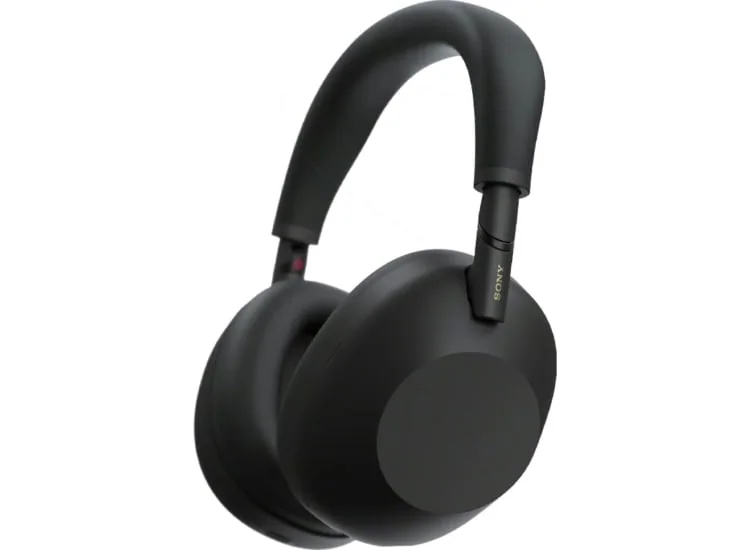
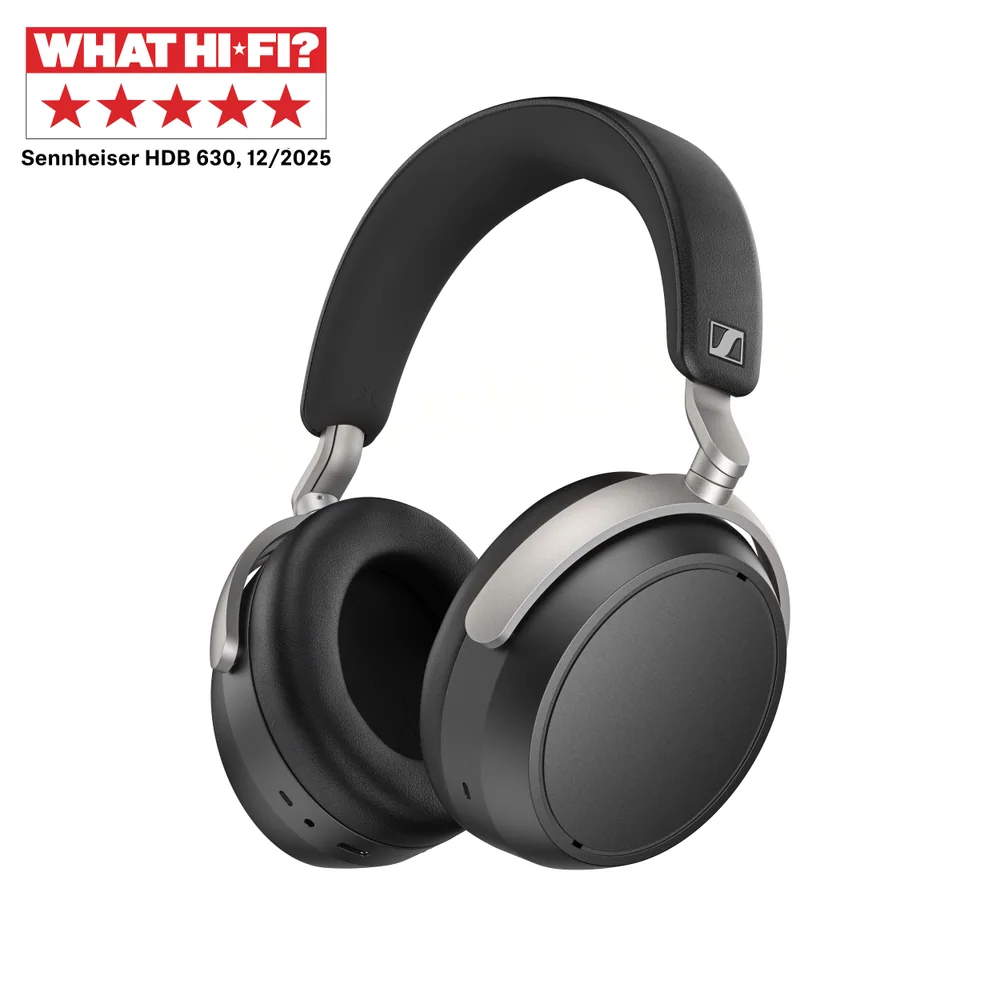
A few other options worth weighing depending on what you actually need from your next headphones.
Bose QuietComfort Ultra Headphones (2nd Gen) FAQ
Are the Bose QuietComfort Ultra Headphones (2nd Gen) worth it over the standard QuietComfort Headphones?
Only if you specifically want Immersive Audio's head tracking or the very best noise cancellation Bose currently makes. The standard QuietComfort Headphones closed much of the comfort and sound gap at a lower price, so the Ultra's premium buys refinement, not a completely different experience.
How good is the noise cancellation on the QuietComfort Ultra Headphones (2nd Gen)?
It's tuned to handle steady, low-frequency sound like engine drone and HVAC noise particularly well, and improved fit for glasses wearers helps maintain the seal ANC depends on. It won't cancel sudden noises or nearby conversation, which no ANC headphone currently does reliably.
Can I use these headphones wired?
Yes, they support USB-C audio, so you can plug in directly when the battery is dead or you want a wired connection on a flight or device that doesn't handle Bluetooth well.
Is the app's EQ good enough for serious listening adjustments?
It's limited to three bands, which covers basic bass, mid, and treble tweaks but won't satisfy listeners who want fine-grained control over their sound profile.
When did the QuietComfort Ultra Headphones (2nd Gen) come out?
They became available at retail on October 2, 2025, after being unveiled the previous month, and they're expected to remain Bose's current flagship over-ear model through 2026.
Are these good for phone calls?
Call quality has been flagged as a relative weak point compared to how strong the listening and noise-cancellation performance is, so buyers who mainly need a call headset may want to look elsewhere.
Flagship quiet, at a flagship price
Nothing about the QuietComfort Ultra Headphones (2nd Gen) is a surprise, and that's the point. Bose has refined the formula that made the original QuietComfort Ultra a flagship worth owning: excellent handling of steady, droning noise, a fit that doesn't punish you for wearing it all day, and now Immersive Audio's head tracking layered on top.
The honest complication is Bose's own cheaper model narrowing the gap. If Immersive Audio and the very best noise cancellation in Bose's lineup matter to you, the Ultra earns its price. If you just want quiet, comfortable headphones for a reasonable cost, try the numbered QuietComfort Headphones first and only step up if you find yourself wanting more.