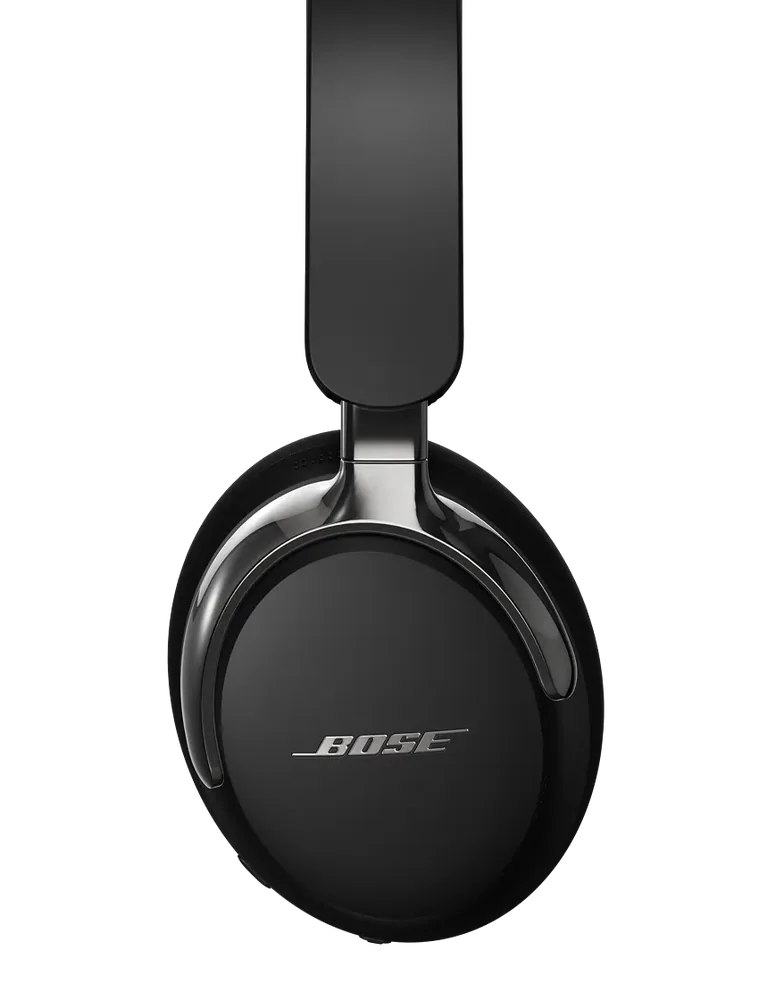
Headphone Sound Signatures Explained: Bass, Mids, Treble, and Detail
Published Updated
Learn how bass, mids, treble, tuning, fit, and listening habits shape the way headphones sound in everyday use.
A pair can sound thrilling for one song and exhausting by the third. That is usually not a question of price or a missing "hi-res" badge. It is the sound signature, the overall balance a headphone gives to bass, voices, instruments, and high-frequency detail. The quick answer is simple: choose a sound balance that suits what you hear most and how long you listen. A little extra bass can make a commute more fun, clear mids can make calls and podcasts easier to follow, and smooth treble can keep long sessions from turning sharp and tiring. Fit matters just as much, especially with earbuds, because a poor seal can drain away the low end before the music has a fair chance.
Reading time: 8 minutesBest for: Listeners comparing headphones for music, calls, movies, games, and long sessions
What a sound signature is
Sound signature is the broad tonal character of a headphone. Think of it as the balance of the audio picture rather than a score for sound quality. One pair may put a little more weight behind kick drums and bass lines. Another may bring singers and dialogue closer. A third may spotlight cymbals, guitar texture, and tiny room sounds. None is automatically correct. The useful question is whether that balance makes your usual listening more involving or more irritating.
A balanced signature aims to avoid making any one part of the frequency range dominate. A warm signature usually adds body in the bass and lower mids, the range that gives voices and instruments fullness. A bright signature puts more emphasis on treble, the upper range associated with sparkle and edge. V-shaped tuning boosts bass and treble while pulling the middle slightly back, which can make pop, electronic music, and action scenes feel lively but may leave dialogue less natural. These labels are shorthand, not a promise. Two headphones described as warm can still sound quite different.
Bass and why fit affects it
Bass is more than a chesty thump. The lowest notes give electronic music, movie effects, bass guitars, and kick drums their foundation. Good bass can feel deep and controlled, with enough separation to tell a bass line from the drum hitting beside it. Too much can blur the middle of a mix, making vocals sound covered or turning a busy song into a soft rumble. Too little can make music feel thin, especially at lower volume.
With earbuds, bass depends heavily on the seal between the ear tip and your ear canal. If air leaks around the tip, low frequencies escape and the sound can become oddly flat or bright. Before deciding an earbud lacks bass, try a different included tip size and make sure each bud sits securely. A stable seal also helps passive isolation, meaning the physical blocking of outside sound. That can reduce the urge to raise the volume on a train or busy street.
Mids for voices and instruments
Mids are where much of the human stuff lives: lead vocals, spoken dialogue, guitars, piano, snare drums, and the body of many instruments. When mids are clear and properly placed, a podcast host sounds present without seeming to whisper directly into your ear. In movies and games, dialogue is easier to follow when music and effects get busy. For listeners who spend hours with singer-songwriters, jazz, acoustic music, audiobooks, or work calls, this range often matters more than the dramatic bass or treble claims on the box.
Mids can be forward, recessed, thick, or lean. Forward mids bring voices closer, which can be intimate and useful for speech but occasionally too insistent. Recessed mids place vocals a step behind bass and treble, a common part of a V-shaped sound. That can create a spacious, exciting first impression, yet lyrics may become harder to catch at low volume. Thick lower mids add warmth to male voices, cellos, and guitars, while too much can make a recording sound congested. If you often pause a show to ask, "What did they say?" prioritize clean mids over extra sparkle.
Treble, detail, and listening fatigue
Treble covers the upper frequencies that give cymbals their shimmer, strings their bite, consonants their clarity, and recordings a sense of air. Detail is often associated with treble because a lift in this region makes small sounds easier to notice. But more treble is not the same as more true resolution. A headphone can sound impressively crisp in a short store listen while exaggerating sibilance, the sharp hiss in sounds such as s and t, once you settle in for an album or a long flight.
Smooth treble tends to be easier on the ears over time, though some listeners may find it less immediately dramatic. Bright treble can add excitement and make dense music seem more open, but it can also make poor recordings, harsh guitar tones, and compressed streaming tracks feel brittle. Your listening volume changes the equation. At louder levels, an already energetic top end can become fatiguing quickly. If you listen for hours, favor a pair that lets you hear detail without making every cymbal crash feel like a tiny alarm.
Headphone Sound Signatures Explained: Bass, Mids, Treble, and Detail 5
Soundstage describes the perceived width, depth, and placement of sounds around you. It is not a literal room inside the headphones, but some models make an orchestra, live recording, or game world feel more spread out than others. Imaging is the related ability to place a sound precisely, such as hearing footsteps move from left to right or picking out where a guitar sits in a mix. Open-back headphones, which have vented ear cups, often create a more open presentation in a quiet room, but they leak sound and let outside noise in.
Do not confuse a wide soundstage with better sound for every task. A close, centered vocal can be more satisfying for a podcast, a phone call, or an intimate recording. Likewise, a headphone with strong imaging may help in games, but comfort, microphone quality, connection type, and platform compatibility still matter. Wired headphones can be a practical choice for a desk or console setup because they avoid battery concerns, though you should confirm the plug type and whether your device has a headphone jack or needs an adapter.
Headphone Sound Signatures Explained: Bass, Mids, Treble, and Detail 6
The most useful way to judge a sound signature is with familiar material and a realistic listening level. Use a song with a vocal you know well, a track with a steady bass line, a busy chorus, and a spoken-word clip or movie scene. Listen for simple consequences: Can you understand words without straining? Does the bass support the song or sit on top of it? Do cymbals sound textured or splashy? Does the sound remain comfortable after half an hour? A headphone that impresses in the first minute is not always the one you will reach for most.
Also account for the setting. Active noise cancellation, or ANC, uses microphones and processing to reduce steady outside noise such as engine rumble and HVAC hum. It can make travel quieter, but it does not erase every nearby voice or sudden sound. In a noisy place, a secure seal and useful isolation may improve your experience more than chasing a particular codec. A Bluetooth codec is the method used to compress and send wireless audio, and support varies by phone and headphone. It can matter, but fit, tuning, and a reliable connection usually shape daily satisfaction more.
What this guide helps you understand
Sound quality is not a single ladder from bad to good. A headphone earns its place when its bass, mids, treble, fit, and isolation make your own music, calls, and daily setting easier to enjoy for as long as you actually listen.
Use familiar music, dialogue, and game or movie audio when comparing sound signatures.
For earbuds, try every included ear tip size before judging bass or noise isolation.
Check that the headphone connection works with your phone, laptop, console, airplane system, or audio gear.
Consider your typical listening length, since treble that sounds exciting briefly may become tiring over time.
Technique notes
A high-resolution or lossless label does not guarantee a more satisfying sound. Source device, streaming service, fit, connection, and tuning all play a part.
Open-back headphones are usually a poor fit for noisy offices and shared rooms because they let outside sound in and leak your audio outward.
Safety note: Keep volume moderate, especially when a poor earbud seal or loud surroundings tempt you to turn it up.