
What to know first
- Uses a 50mm dynamic driver derived from the 109 Pro, retuned specifically for closed-back use
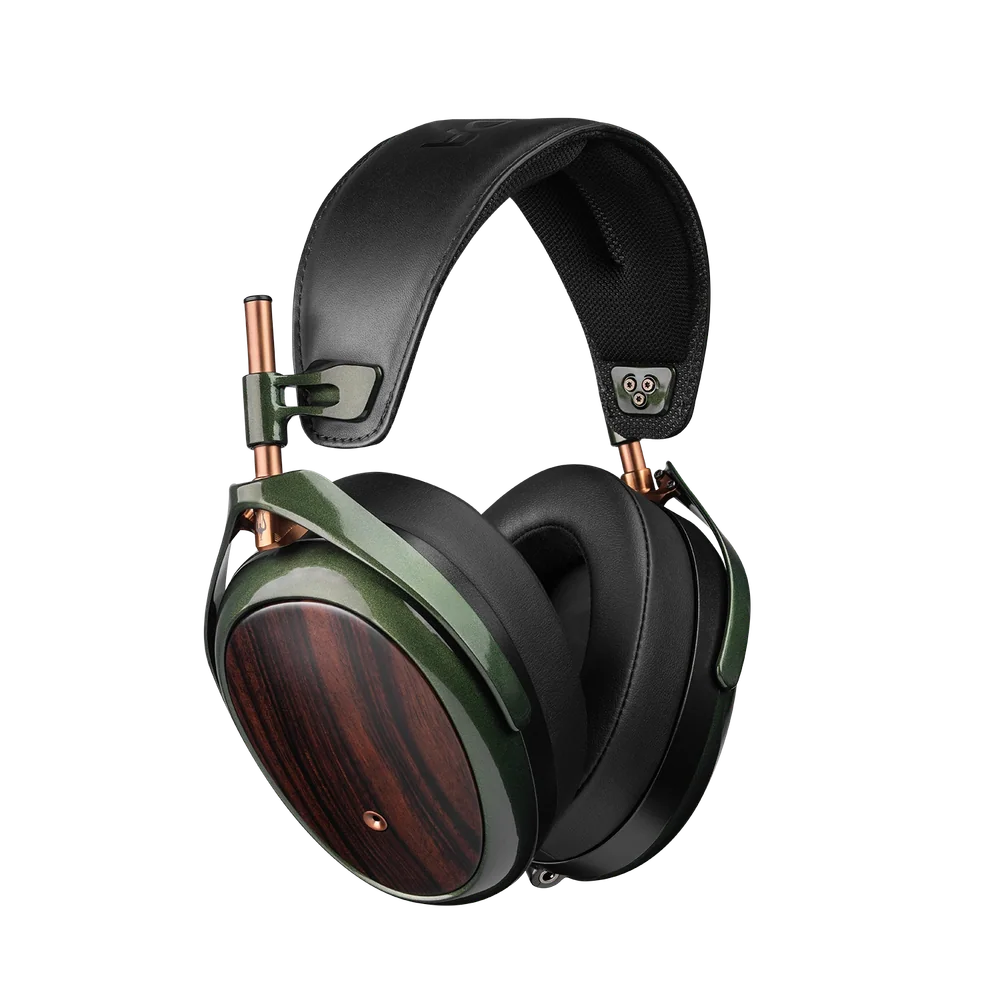
- Magnesium chassis with four-layer hand-painted green finish and macassar ebony wood ear cup faceplates
- 40 ohm impedance and 111 dB SPL/mW sensitivity make it easy to drive from a phone, though it can sound thin without extra amplification
- Includes both 3.5mm and 4.4mm balanced cables in the box
- Passive isolation is strong; there's no active noise cancellation
Where the Strada sits in Meze's lineup
Meze Audio made its name with headphones most people will never own, from the Empyrean to the Liric II, both priced well into four figures.
The name translates from Romanian as "street," and Meze is positioning it as a portable, closed-back companion rather than a desktop reference headphone. That closed design matters for anyone who needs to keep music in and outside noise out, whether that's an office, a train, or a shared apartment.
It's worth knowing this isn't Meze's first closed-back attempt.
A driver built for one job, not repurposed from an open design
The Strada's 50mm dynamic driver isn't a generic off-the-shelf part. It's derived from the 109 Pro but specifically retuned for a closed-back enclosure, which is a different acoustic problem than an open-back design. The diaphragm uses a carbon fiber-reinforced cellulose base with a beryllium coating applied through physical vapor deposition, plus a copper-zinc stabilizer ring inside to keep the sound controlled at higher volumes. Meze states this results in less than 0.1% total harmonic distortion at 1kHz, a low-distortion figure that should translate to a cleaner sound even when pushed loud.
In practical listening terms, that engineering shows up as bass that's tight and firm rather than boomy, a clean and well-defined midrange, and treble that stays composed rather than harsh. It's a tuning built for detail and separation over raw impact, which explains why jazz and orchestral recordings tend to sound especially good on it, while bass-heavy genres get a more restrained treatment.
The build quality backs up the sound. Every earpad is magnetically attached rather than glued, which makes replacements simple and avoids the common headphone problem of foam that degrades and can't be swapped. The headband uses a cross-pattern suspension design meant to reduce heat buildup during long sessions, addressing a real complaint with padded headbands that trap warmth.
Living with a headphone this well dressed
Comfort holds up over long sessions. The headband spreads weight evenly rather than concentrating it at one pressure point, and despite using a metal band with wood inserts, the whole headphone reportedly weighs under 350 grams. Clamping force runs on the firmer side, which keeps the cups from slipping but never crosses into discomfort. The stalks that adjust cup height use a friction-based bushing system, so once you find your fit, it stays put without creeping loose during a commute.
Isolation is strong enough to double as a quiet space in a noisy office or on a flight, even though there's no active noise cancellation here. It blocks most steady ambient sound while still letting faint background noise through rather than sounding artificially sealed off, which some listeners prefer over the total silence ANC delivers.
Two cables come in the box: a 3.5mm and a 4.4mm balanced option, both useful depending on whether you're plugging into a phone, a laptop, or a desktop amp with a balanced output. The 4.4mm cable is worth using when your source supports it, since the Strada benefits from a bit of extra power on tap even though it's rated easy to drive.
The cable and the case are the compromises
The included cloth-wrapped cable has a tendency to hold whatever shape it was last coiled into, so it can look messy unless you keep straightening it out, and the velcro ties used for storage tend to fuzz the cable's fabric sleeve over time. It's a cosmetic annoyance rather than a functional one, but worth knowing before you unbox it expecting flagship-cable polish.
The carrying case is large, built more like protective luggage than a slim travel pouch, so it won't slip easily into a bag already packed for a commute. If a small footprint matters more to you than isolation and driver quality, this isn't the closed-back to buy.
Power matters more than the easy-to-drive spec sheet suggests. Fed from a weak, unamplified source, the Strada can sound thin or slightly brittle, so budget for at least a basic USB DAC dongle if your phone or laptop doesn't already have solid headphone output.
The specs that matter
A driver built specifically for a closed enclosure, rather than adapted from an open design, is a big part of why this headphone avoids the muffled, closed-in sound some closed-backs suffer from.
Low enough impedance and high enough sensitivity to get loud straight from a phone, though the sound reportedly firms up with a stronger amplifier behind it.
A low distortion figure like this generally means cleaner sound at higher volumes, without the harshness that shows up when a driver is pushed past its comfort zone.
You can plug straight into a phone or laptop with the 3.5mm, or step up to a balanced desktop amp with the 4.4mm, without buying either cable separately.
Pads wear out before drivers usually do. Magnetic attachment makes swapping them simple instead of requiring you to peel off glued foam.
Despite a metal frame and wood ear cup faceplates, the Strada stays light enough for multi-hour listening sessions without neck fatigue.
You get strong blocking of steady ambient noise from the closed design and seal, but nothing that actively cancels engine drone or HVAC hum the way ANC headphones do.
Who this product fits
The upgrader coming from a budget closed-back
The commuter who wants quiet without ANC
The closed design and firm seal block a good amount of ambient noise on trains and in open offices. You won't get the total hush of active noise cancellation, but you also won't deal with ANC's occasional pressure sensation or battery dependency.
The jazz and acoustic listener
Music with wide dynamics and natural timbre, like acoustic jazz or orchestral recordings, is where this tuning shines. If your library skews toward bass-heavy hip-hop or EDM, the controlled low end may feel restrained compared to what you're used to.
The buyer without a dedicated amp
If your only source is a phone's headphone jack or a basic laptop output, plan to add an inexpensive USB DAC dongle. The Strada is easy to drive on paper but can sound thin without at least modest amplification behind it.
What else to compare
A few comparisons worth knowing before you commit to the Strada's price point.

Meze Audio Strada FAQ
Does the Meze Audio Strada have noise cancellation?
No, the Strada relies on passive isolation from its closed-back design and cup seal rather than active noise cancellation. It blocks a good amount of steady ambient noise but won't actively cancel engine drone or HVAC hum the way ANC headphones do.
Is the Meze Audio Strada hard to drive?
No. At 40 ohms and 111 dB SPL/mW sensitivity, it plays loud enough from a phone or laptop. That said, it can sound thin or slightly brittle without at least a modest headphone amp or USB DAC dongle behind it.
What's the difference between the Strada and Meze's 99 Classics?
The Strada uses a chassis and headband design borrowed from the flagship Liric II along with a retuned 109 Pro driver, putting it in a higher tier of build and driver engineering.
Can I replace the earpads on the Strada?
Yes. The earpads attach magnetically, which makes them simple to remove and swap once they wear down, without needing to pry off glued foam.
Does the Strada come with a carrying case?
Yes, a case is included, though it's built large and protective rather than slim, so it takes up real space in a bag.
Is the Strada wireless?
No, it's a wired headphone. It ships with both a 3.5mm single-ended cable and a 4.4mm balanced cable, so it can connect to phones, laptops, and balanced desktop amps.
Worth the jump from entry-level, not a Liric II replacement
The Strada inherits real engineering from the Liric II's chassis and the 109 Pro's driver, retuned specifically for a closed enclosure rather than repurposed wholesale. That shows up in a controlled, detailed sound that favors clarity over bass slam, and in a build that looks and feels far more expensive than its price suggests.
Buy it if you want a closed-back headphone tuned for detail and long-session comfort, and you're willing to add a basic amp if your source is underpowered. Skip it if you want bass-forward sound, wireless convenience, or active noise cancellation, since none of those are what the Strada is built to deliver.