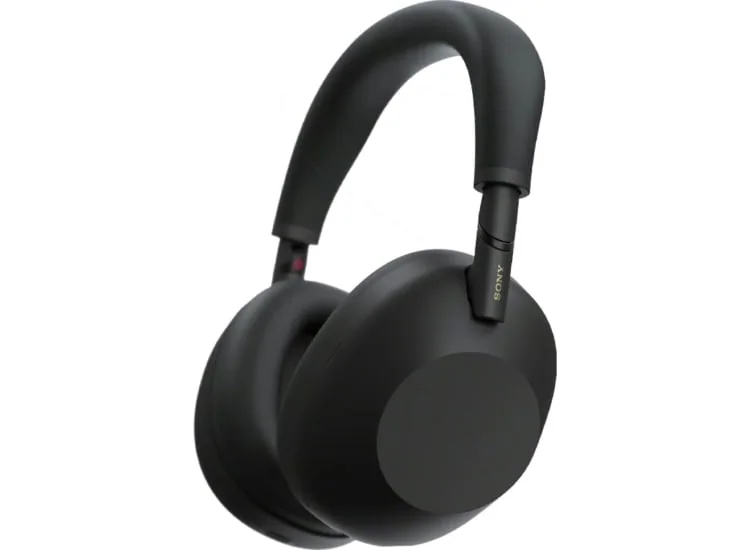
How to Make Headphones More Comfortable With Glasses
Published Updated
Small fit changes can ease temple pressure, restore a better seal, and make long listening sessions far less distracting for glasses wearers.
A pair of headphones can sound great for ten minutes and become a vise by the end of an album, a flight, or a workday. Glasses change the equation: the arms of the frames create a hard little ridge beneath the ear pads, concentrating pressure and sometimes opening a gap that lets noise back in. The direct answer is to adjust the headphones before replacing them. Reposition the headband, check whether the pads are too shallow or firm, and take short breaks before soreness builds. If the seal remains unreliable or the pressure never settles, earbuds or a lighter-clamping over-ear design may be the more comfortable answer.
Reading time: 8 minutesBest for: Glasses wearers who use headphones for work, travel, or long listening sessions
Why glasses can change comfort and sound
Glasses introduce two issues at once. Their arms sit exactly where over-ear pads are meant to make an even, cushioned seal around the ear. A firm pad presses the arm into the side of your head, often creating a hot spot above or behind the ear. Meanwhile, the arm can leave a narrow air gap between pad and skin. That gap matters most with closed-back and noise-canceling headphones, which depend on a reasonably consistent seal to keep outside sound down and bass from sounding thin.
The effect is not always dramatic, and it varies with frame shape. Thin, flexible wire arms usually interfere less than thick acetate frames, wide hinges, or decorative details near the temples. A compromised seal can make you turn up the volume to overcome traffic, office chatter, or airplane rumble. That is a poor bargain when a small fit adjustment, a different pad, or a different headphone style could make listening easier at a lower volume.
Adjusting headband position
Move the headband before deciding the headphones are simply too tight. Try sliding it slightly forward or back so the cups meet your head at a different angle. A small shift can place the pad against a flatter part of the frame arm or move its firmest edge away from a sensitive spot. Adjust both sides evenly, then listen for a few minutes rather than judging the fit in the first ten seconds.
Cup height matters too. If the cups sit too high, the lower pad edge may press hard against the jaw while the upper edge bears down on the glasses arm. If they sit too low, the headband may carry less of the weight and the cups can tug downward. Aim to center each ear within its cup, with the headband resting securely but not perched at the front or back of your head. Do not force a metal headband wider by hand unless its maker specifically permits it; uneven bending can damage the frame or create a lopsided fit.
Choosing softer or deeper ear pads
Ear pads are not decoration. Their foam density, depth, shape, and covering determine where the headphone presses and how well it seals. Softer pads can conform around slim glasses arms more gently, while deeper pads keep your ears from touching the inner driver cover. That contact can become irritating during a long session, especially when the glasses arms already limit how the pads sit.
Replacement pads can help, but treat them as a fit change, not a guaranteed upgrade. Pads made for your exact model are the safest starting point because they preserve the intended mounting and cup geometry. Thicker, softer, or velour-covered aftermarket pads may feel better, yet they can alter bass, treble, isolation, and noise cancellation. Leatherette and similar smooth synthetic coverings usually seal better than fabric, but they may trap more heat. If comfort is the priority, a modest change in sound may be acceptable. It is still better to know that tradeoff before spending money.
Managing pressure during long sessions
Pressure often becomes a problem gradually. A headphone that feels fine at the desk can start to ache after a meeting, a movie, or several hours of focused work because the same small area has been compressed the entire time. Build in brief breaks before discomfort becomes sharp. Take the headphones off for a minute or two, reset the glasses on your nose and ears, and put the headphones back on with a slightly different position.
Heat can make the problem feel worse. Warm pads soften skin and make a tight seal feel stickier, while sweat can encourage you to shift the cups repeatedly until the fit gets worse. Keep pads clean according to the manufacturer's care instructions, and avoid leaving headphones in a hot car or direct sun where pad materials can degrade. If you wear glasses all day, it also helps to check that the frame arms are properly adjusted. Frames that already pinch behind the ears leave very little tolerance for a headphone clamp.
Improving the seal without discomfort
A better seal should come from even contact, not brute force. With the headphones on, gently press each cup for a moment while music is playing. If bass becomes noticeably fuller or outside noise drops, the pads are probably not sealing consistently around your glasses. First try moving the frame arms slightly higher or lower under the pads, then shift the cups by a few millimeters. The goal is to find the least intrusive position that closes the gap.
Active noise cancellation, or ANC, uses microphones and electronic processing to reduce steady sounds such as engine rumble and HVAC noise. It can still help when your seal is imperfect, but it cannot fully replace one. A poor seal lets in more sound and can weaken the low-end response before ANC has much chance to help. Avoid cranking the headband tighter in pursuit of silence. If the only way to get acceptable isolation is painful pressure, the headphone is asking too much of your head shape and frames.
When earbuds may be the easier option
Earbuds avoid the direct conflict between ear pads and glasses arms, which makes them an appealing alternative for many glasses wearers. True wireless earbuds are especially convenient for commuting, calls, and quick listening because there is no headband to manage and no cable to catch on a collar. Their comfort depends on the ear tip and housing shape instead, so a secure fit should never require painful force or constant readjustment.
Do not assume earbuds are automatically more comfortable. A tip that is too large can create pressure inside the ear, while one that is too small may loosen, reduce bass, and weaken noise cancellation. Try the included tip sizes and, if available, different materials or shapes. For walking and running where you want to hear traffic, people, and other surroundings, open-ear headphones can be another sensible route. They sit near the ear rather than sealing it, though they will not provide the isolation of a well-fitting over-ear pair or sealed earbuds.
What this guide helps you understand
Glasses do not automatically rule out over-ear headphones, but they make fit more consequential. Reposition the headband and cups first, then consider pads or a different style if pressure and seal loss persist. Comfort is not a luxury feature: it affects how long you listen, how well noise cancellation works, and whether you end up turning the volume higher than necessary.
Check where your glasses arms meet the ear pads during a 20 to 30 minute listening session.
Confirm that any replacement pads are made for your exact headphone model.
Compare single-charge battery life if you are switching to wireless earbuds for long commutes or flights.
Make sure your source device supports the connection you plan to use, especially if moving between wired and wireless headphones.
Technique notes
Thin, low-profile glasses arms are generally easier to accommodate than thick frames with prominent hinges.
A seal test is simple: gently press each cup and listen for a sudden change in bass or outside noise.
Open-back headphones are a poor fit for noisy offices and shared rooms because they let sound in and leak sound outward.
Safety note: If headphones cause persistent pain, numbness, or skin irritation, stop wearing them until the fit issue is resolved.