
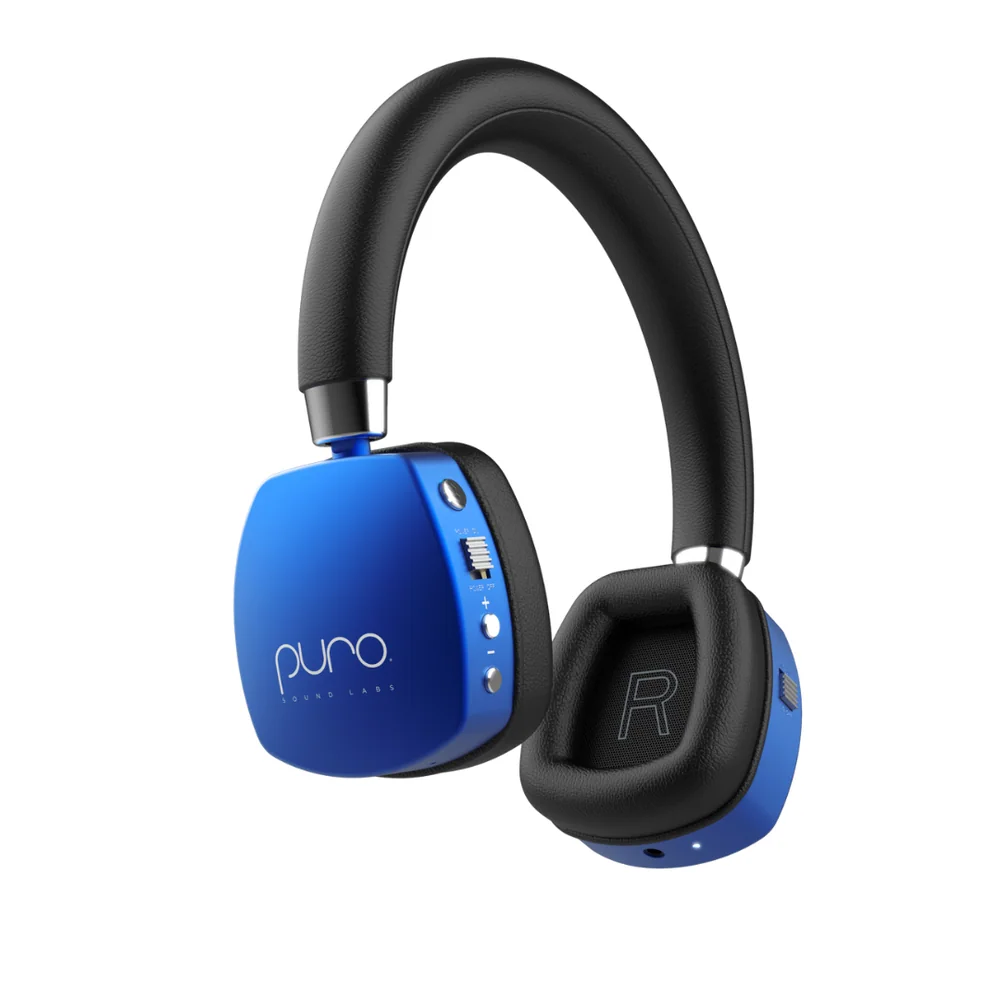
What to know first
- Volume is capped at 85 dB to limit the risk of hearing damage during extended kid listening
- Active noise cancellation reduces steady background noise like engine hum and HVAC drone, encouraging kids to keep volume lower
- Supports both wired and Bluetooth 5.1 connections, so a dead battery doesn't mean a lost pair of headphones
- Battery life listings range from roughly 35 hours of use to 200 hours of standby, so expect real-world results somewhere in that spread
- On-ear design keeps weight down at around 0.78 lbs, but it's built for shorter sessions rather than all-day wear
- Touch controls handle basic functions without kids fumbling for tiny buttons
A kids' headphone built around one number: 85 dB
Most kids' headphones on store shelves say almost nothing about how loud they can actually get, which is exactly the gap the PuroQuiet-Plus is designed to close. Puro Sound Labs has built its whole kids' lineup around volume limiting, and this model caps output at 85 dB, a level considered safer for extended listening by hearing health researchers.
It sits in Puro's catalog as the noise-cancelling step up from simpler volume-limited models, adding active noise cancellation and Bluetooth 5.1 on top of the core safety feature.
Why the noise cancellation matters more than it sounds like it should
Noise cancellation on adult headphones usually gets sold as a comfort feature. On a kids' pair with a volume cap, it does something more practical: it removes the reason a kid would want to turn the volume up in the first place. A capped-volume headphone that can't quiet down engine drone or classroom chatter just means a frustrated kid who can't hear their show clearly, even at max volume.
By canceling steady background noise like plane engines or car road noise, the PuroQuiet-Plus lets that 85 dB ceiling actually feel loud enough for the content playing. That's the real advantage over volume-limited headphones without ANC, where the cap can feel like a compromise rather than a safety win.
The dual wired-and-Bluetooth setup is a second point in its favor. A kid whose battery dies mid-flight can plug in a cable and keep going, which is a more forgiving failure mode than headphones that go completely dark once the charge runs out.
Everyday use on car rides and flights
Touch controls handle the basics, which for a kids' product means fewer tiny buttons to fumble with in a moving car or cramped airplane seat. The on-ear design and light overall weight (around 0.78 lbs) keep it from feeling like a burden on smaller heads, though on-ear cushions do tend to press more directly on the ears than over-ear cups, something worth watching if a kid complains during longer stretches.
Charging cadence is the one area where the listings disagree. Some retailers cite 35 hours as the average battery life, while others reference 200 hours of standby time, numbers that measure very different things (active use versus idle readiness). Parents should plan around the lower, more conservative figure and treat anything higher as a best-case scenario rather than what to expect on a transatlantic flight.
The one thing this pair isn't trying to be
Nobody should buy the PuroQuiet-Plus expecting studio-grade sound reproduction. This is a safety product first, and the tuning reflects that priority: clear, controlled, capped, rather than rich or detailed. That's the right call for its audience, but it's worth setting expectations before a kid compares it to a parent's own headphones and asks why it sounds different.
The battery life ambiguity is a real caveat rather than a footnote. If runtime is a dealbreaker for a specific trip length, it's worth checking the listing you're buying from directly rather than assuming the higher number applies to your use case.
On-ear fit also means this isn't the pair for a kid who wants to nap wearing it during a long flight; over-ear designs generally sit more comfortably for that kind of extended, head-resting use.
The specs that matter
This is the core safety feature: it prevents the headphones from ever getting loud enough to risk hearing damage during long listening sessions, regardless of what a kid does with the volume control.
Reduces steady background noise like engine hum, making the volume-capped audio feel clearer without needing to turn it up, which is the whole point of pairing ANC with a volume limiter.
Gives a backup option if the battery dies, so a dead charge doesn't mean a completely unusable pair of headphones on a trip.
The wide range means real-world battery life will depend heavily on how much ANC and Bluetooth streaming a kid actually uses; plan around the lower figure.
Lighter and more compact than over-ear designs, good for shorter sessions, but less cushioned for kids who want to wear them for hours at a stretch.
Light enough that most kids won't find it a burden on smaller heads, which matters for a headphone meant to be worn during travel.
Simpler for younger kids to operate than tiny physical buttons, especially in a moving car or dim cabin.
Who this product fits
A parent booking a long-haul flight with a young child
The combination of the 85 dB cap and active noise cancellation directly addresses the two things that make plane travel risky for kids' ears: the temptation to max out volume over engine noise, and the engine noise itself. The wired backup option also means a dead battery mid-flight isn't a crisis.
A family that does frequent road trips
Bluetooth pairing means no tangled cables in the back seat, and the volume cap means parents don't have to police how loud a movie or game gets during a multi-hour drive.
A parent who wants headphones for daily use at home
The on-ear design and lighter weight are fine for shorter homework or screen-time sessions, but a kid who wants to wear headphones for hours every afternoon might find the fit less comfortable than an over-ear alternative.
A parent focused purely on sound quality
This isn't the right buy if audio fidelity is the priority. The tuning here favors safety and clarity at a capped volume over rich, detailed sound, and that's a deliberate trade rather than an oversight.
What else to compare
A few other angles are worth weighing before deciding.
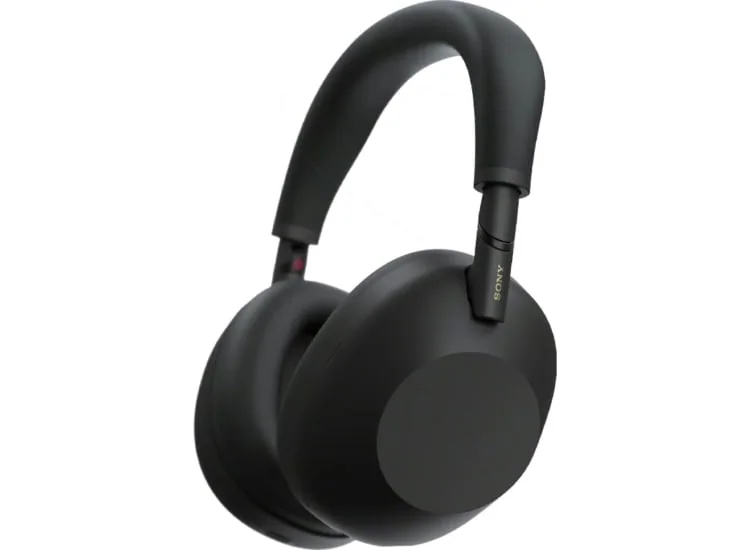
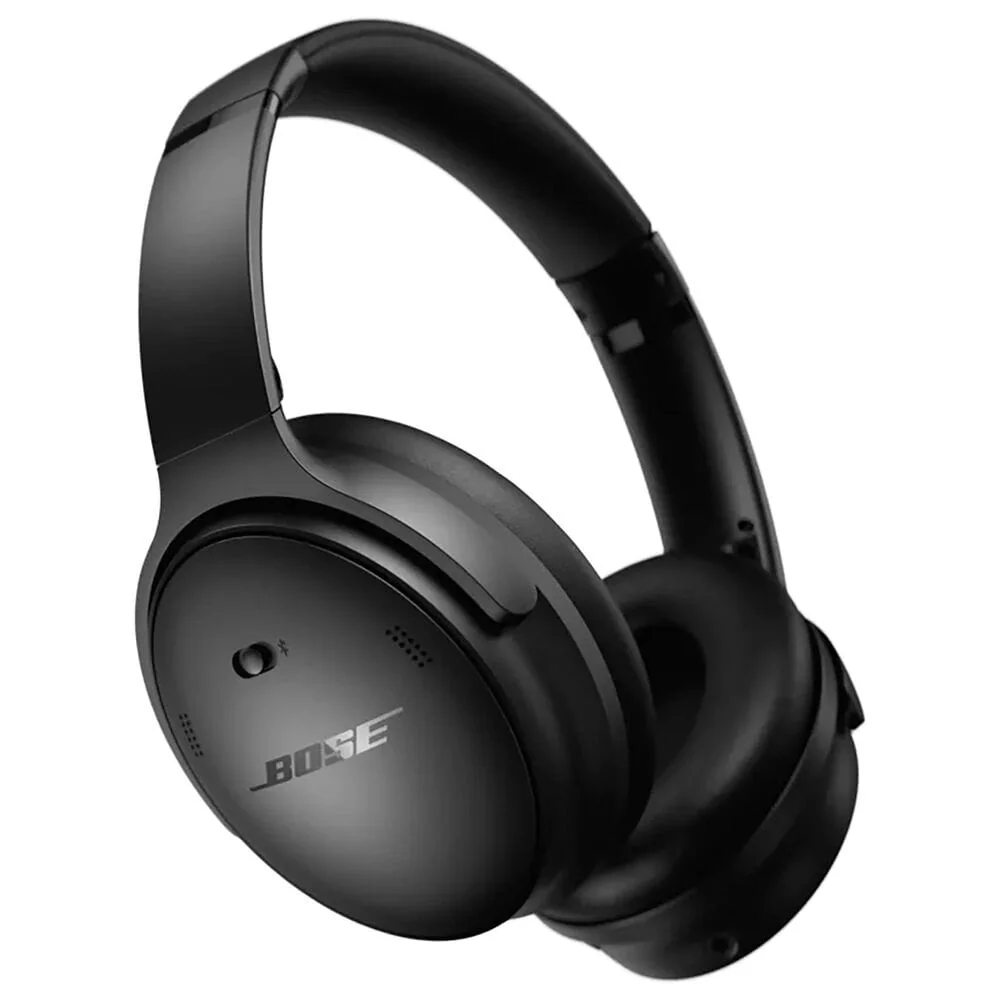

Puro Sound Labs PuroQuiet-Plus Kids Noise-Cancelling Headphones FAQ
Does the PuroQuiet-Plus actually cap volume at 85 dB no matter what?
Yes, that's the core specification: the headphones limit maximum output to 85 dB regardless of the source device's own volume setting, which is the main reason parents choose this model.
How long does the battery actually last?
Retailer listings disagree, with some citing around 35 hours of active use and others referencing up to 200 hours of standby time. Plan around the more conservative 35-hour figure for actual listening use.
Can these headphones be used wired if the battery dies?
Yes, they support both Bluetooth 5.1 and a wired connection, so a dead battery doesn't leave a kid without working headphones.
Are these over-ear or on-ear headphones?
They're on-ear, which keeps them lightweight (about 0.78 lbs) but means less cushioning for very long wear compared to an over-ear design.
Does the noise cancellation block out voices and sudden sounds too?
Active noise cancellation is generally more effective against steady, low-frequency noise like engine hum or HVAC drone than against sudden sounds or nearby conversation, so expect it to help most on planes, trains, and cars rather than in a noisy classroom.
Worth it if hearing safety is the actual concern
Parents shopping for kids' headphones tend to fall into two camps: those chasing durability and cute designs, and those specifically worried about hearing damage from years of loud, unsupervised listening. The PuroQuiet-Plus is built for the second group, and the 85 dB cap paired with active noise cancellation makes a real, defensible case for paying more than a toy-aisle alternative.
It's not the pair to buy for a kid who wants rich sound or all-day over-ear comfort, and the battery life numbers deserve a skeptical eye until you check the specific listing you're buying from. But for flights, road trips, and daily use where volume control matters more than audio detail, this is a sensible, safety-first choice.