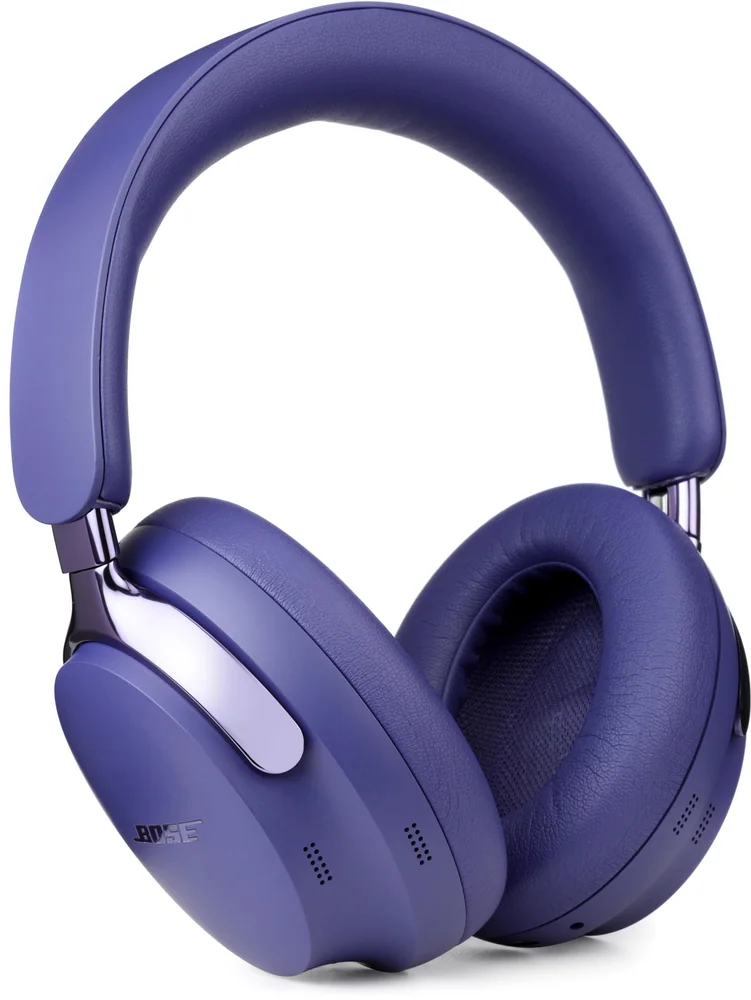
Get more useful quiet from noise-canceling headphones by preparing the fit, power, connection, and listening habits that matter on a flight.
The cabin doors close, the engines rise, and suddenly even a familiar podcast sounds thin unless you turn it up. Good noise cancellation can take the hard edge off that constant rumble, making music, movies, and silence feel far less like a fight with the airplane. The short answer is to use a well-sealed pair, turn ANC on before the loud part of the trip, and keep volume lower than you would with ordinary headphones. Over-ear models usually offer the most relaxed long-haul experience, while properly fitted earbuds can be the easier carry. Charge everything, plan for the seatback screen if you use one, and save transparency mode for the terminal rather than cruising altitude.
Reading time: 8 minutesBest for: Travelers using ANC headphones or earbuds on short or long flights
What noise cancellation handles well on a plane
Active noise cancellation, usually called ANC, uses microphones and electronic processing to reduce outside sound before it reaches your ears. On a plane, it is especially effective against the low, steady wash of engine rumble, ventilation, and the general mechanical drone that wears people down over several hours. Turn it on while you are still at the gate or during boarding, then let it settle in before deciding whether it is helping. The change can feel less dramatic than a mute button, but the cabin often becomes noticeably less fatiguing.
ANC has limits, and knowing them prevents disappointment. It is much better at a steady bassy roar than a nearby conversation, a crying child, a dropped bag, or a sharp announcement. A good physical seal still matters because it blocks some higher-pitched sound that ANC handles less well. If voices remain distracting, do not chase silence by pushing the volume. Reposition the ear cups or ear tips, confirm the noise-canceling mode is actually active, and use quieter material such as a downloaded movie or spoken-word program at a modest level.
Over-ear headphones versus earbuds for flights
For a long flight, over-ear headphones are often the more forgiving choice. Their ear cups surround the ears, spreading pressure over a larger area and creating a fuller physical barrier between you and the cabin. That extra space can make ANC feel more effective, and many travelers find it easier to wear a comfortable over-ear pair through a movie, a meal break, and a nap. The tradeoff is bulk. They take up room in a personal item and can feel warm, especially if you run hot or wear glasses.
True wireless earbuds earn their place when packing light matters more than maximum comfort. They disappear into a pocket, are easy to use in a crowded airport, and can provide strong isolation when the tips fit securely. The catch is personal anatomy: a tip that seems fine for 20 minutes may create pressure after two hours, while a loose seal lets in more cabin noise and weakens bass. Try every included tip size before travel, and do not assume the largest tip is automatically best. The right one seals gently and stays put without needing constant adjustment.
Charging before travel
Charge the headphones and, if you use earbuds, their case the night before rather than trusting a rushed airport top-up. Battery claims can be slippery because runtime changes with volume, ANC, calls, and extra processing such as spatial audio. What matters on a flight is single-charge runtime: can the headphones cover your actual door-to-door day, including delays, boarding, and time in the terminal? For earbuds, the case may hold several extra charges, but that does not help much if the buds themselves run out halfway through a movie and you need to stop listening.
A small charging cable in your carry-on is sensible insurance, but do not build your plan around the seat power working or being conveniently placed. Check that the cable matches your headphones and that any power bank is charged before leaving home. If your headphones have an app, update firmware and confirm the controls while you still have reliable internet and time to troubleshoot. A five-minute check at home is much nicer than discovering at 35,000 feet that one earbud did not charge because it was not seated properly in its case.
Connecting to seatback entertainment
Seatback entertainment is where a wireless travel plan can get awkward. Many airplane screens still use a wired headphone jack, while most wireless headphones do not accept audio directly over Bluetooth from that screen. First, check whether your headphones include a wired listening cable and whether it works while the headphones are powered on. Some models can use ANC in wired mode; others need power for it, and some have limitations that are easy to miss until the movie has already started.
Look at the connector before you fly. A standard 3.5 mm plug works with many seatback systems, but some older aircraft use a two-prong airline socket that needs an adapter. If you plan to use a Bluetooth transmitter, pair it with your headphones at home and learn its buttons before the trip. Keep expectations practical: transmitters add one more battery and connection to manage, and airplane systems vary. Downloading entertainment to your phone or tablet remains the simplest backup, especially for a short flight or a connection where you do not want to untangle cables.
Using transparency mode in the airport
Transparency mode uses the headphones' microphones to bring outside sound back in, so you can hear announcements and speak to someone without removing them. It is genuinely useful in the airport, where gate changes, boarding calls, and a quick question at a counter can arrive while you are listening. Use it while walking through the terminal, waiting at the gate, or ordering food. It keeps the headphones convenient instead of turning every interaction into a small ritual of taking them off and putting them back on.
Treat transparency as assistance, not a substitute for attention. Microphones can make ambient sound feel oddly compressed, and they may not reproduce every announcement clearly in a busy terminal. Pause your audio when an important message is likely, especially near boarding time, and remove one earbud or lift an ear cup if you need a clear conversation. Once you are seated and the cabin noise begins to build, switch back to ANC. That is the moment it earns its battery use and lets you listen without turning the volume into a contest with the engines.
Protecting your hearing at cruising altitude
The best hearing move on a flight is pleasantly unglamorous: let ANC and a good seal do the work, then lower the volume. Cabin noise encourages people to keep nudging sound upward until a movie is audible, then a little louder, then louder again. With noise cancellation on, try setting your usual volume lower than normal and give your ears a minute to adjust. Dialogue should be clear without feeling pinned to your head, and music should still have detail without becoming a wall of sound.
Take occasional quiet breaks, particularly on long flights. Remove the headphones for a few minutes during a meal, while stretching, or when you are simply not listening closely. If you need to raise the volume repeatedly to overcome the cabin, the problem may be fit, a weak seal, or the wrong headphone style for the trip rather than a need for more loudness. Ear pain, ringing, or muffled hearing after a flight is a sign to turn things down and give your ears time away from sound.
What this guide helps you understand
For calmer flying, prioritize a comfortable seal and reliable single-charge battery life over headline claims. ANC is most valuable when it reduces the engine drone enough that you can enjoy your audio at a lower, more comfortable volume.
Charge headphones, earbuds, and their charging case fully before leaving for the airport.
Confirm that ANC works and that each earbud is charging correctly in its case.
Test every ear tip size or adjust the over-ear headband before travel.
Check whether your seatback plan needs a 3.5 mm cable, airline adapter, or pre-paired Bluetooth transmitter.
Download a few movies, albums, podcasts, or playlists to your phone or tablet as a backup.
Technique notes
A snug seal improves both noise reduction and bass response, but it should not create painful pressure.
For earbuds, total case battery is useful, but single-charge runtime is what determines whether you can finish a flight without interruption.
Open-ear headphones are designed to keep surroundings audible, so they are usually a poor choice when cabin quiet is the goal.
Safety note: Keep volume moderate, use transparency mode around airport traffic and announcements, and take breaks if your ears feel sore or fatigued.