
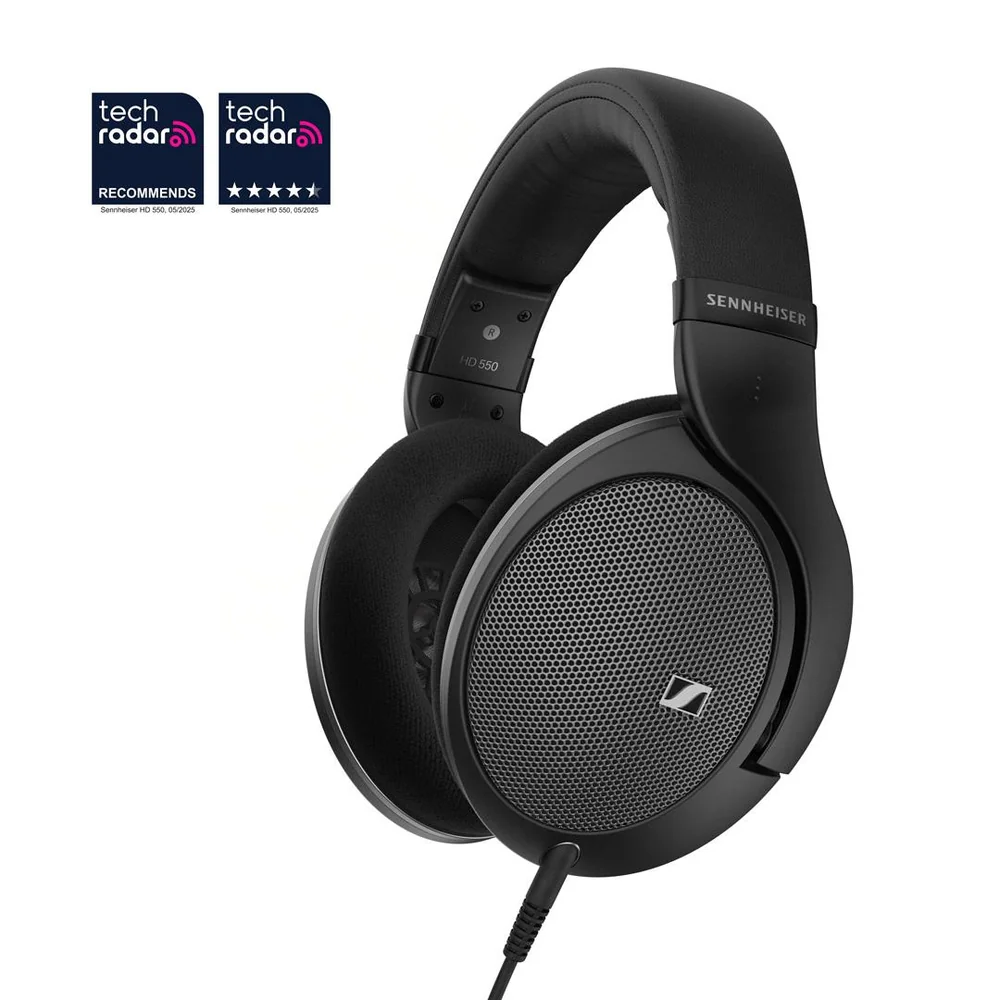
What to know first
- 38mm dynamic driver rated 6 Hz to 39.5 kHz with under 0.2% total harmonic distortion, per Sennheiser's spec sheet
- 150-ohm impedance means it wants a real headphone amp, not just a phone jack, to sound its best
- 237 grams with reduced clamping force compared to other 500-series Sennheiser models
- Fully open-back design with metal mesh earcups: expect sound leakage both ways
- Ships with a 1.8 m cable, 6.35mm adapter, and a drawstring bag; additional cables sold separately
- Independent listening notes describe tighter bass than the HD 600/650 line and a calmer upper midrange than the HD 505
Where the HD 550 sits in Sennheiser's crowded lineup
Sennheiser's numbering system tells you almost everything before you even put the HD 550 on your head. It's an open-back, dynamic-driver headphone in the company's 500 series, positioned below the HD 600 line and well below the HD 800 series in price and, generally, in performance ceiling. Announced in March 2025, it arrived as one of two new 500-series releases that year, alongside the HD 505.
What makes the HD 550 worth separating from that sibling is the tuning choice. Independent comparisons describe it as leaner and tighter in the bass than the HD 600 series, while trimming the upper-midrange energy that some listeners found fatiguing on the HD 505. That's a specific, deliberate correction, not a marketing tweak.
The custom 38mm transducer is made at Sennheiser's own facility in Tullamore, Ireland, the same production line behind the company's higher-tier audiophile models. At 150 ohms impedance, it's built to scale with better source equipment rather than max out its potential on a phone dongle.
A calmer midrange than its closest sibling
The clearest advantage the HD 550 has over the HD 505, its closest in-house competitor, is restraint. Reviewers who spent time with both note the HD 550 tones down the 2 to 4 kHz range, the band most responsible for listening fatigue on long sessions, while extending bass further than Sennheiser's HD 600 series. That combination reads as a headphone tuned for someone who wants to hear detail without the treble edge that can wear on you after an hour.
Comfort backs that up in daily terms. The lighter clamping force compared to other 500-series stablemates, paired with the low overall weight, means the HD 550 doesn't leave the same pressure marks or ear fatigue that heavier over-ear designs produce. One independent reviewer specifically called out the small caliper pressure as extremely comfortable even for a larger head, which matters more than most spec sheets admit.
Where it doesn't clearly win is soundstage. At least one account found the imaging narrower and shallower than expected for an open-back design at this price, which runs counter to Sennheiser's own marketing language about expansive imaging. Take the width claims with some skepticism and weigh them against the tonal balance, which is the stronger selling point here.
Living with an open-back headphone at your desk
Setup is straightforward: plug in the included 1.8 m cable with its 3.5mm jack (a 6.35mm adapter is included), and you're listening. There's no battery to charge, no app to configure, and no Bluetooth pairing dance. The tradeoff for that simplicity is that you need a source willing to drive 150 ohms properly. A phone alone will get you sound, but not the full dynamic range this driver is capable of; pairing with even a modest headphone amp changes what you hear.
Because it's fully open-back, everyone in the room hears what you're listening to, and you'll hear them too. This isn't a headphone for open offices, shared living rooms, or commutes. It's built for a desk, a chair, and a quiet room, the same context where most serious listening headphones in this price range live.
Modular design means swapping cables or earpads later doesn't require sending the whole unit back to Sennheiser. That's a small but real convenience if a cable frays or pads wear down after a couple of years of regular use.
The HD 6XX is the comparison you can't skip
Every review of the HD 550 eventually lands on the same question: is it a better value than Sennheiser's own HD 6XX? Independent comparisons consistently say no, the HD 6XX still holds the stronger price-to-performance position in Sennheiser's catalog, even against a newer release. If getting the most sound per dollar is your only priority, that's the headphone to check first.
Soundstage is the other honest caveat. Sennheiser's marketing describes sprawling, expansive imaging, but at least one independent account found the actual staging narrower and shallower than that language suggests. If wide, holographic imaging is what you're chasing in an open-back design, sample before you commit if you can.
It's also worth being clear-eyed about who this isn't for. Anyone wanting noise isolation, portability, or wireless convenience should look elsewhere entirely. The HD 550 is a wired, open-back, desk-bound listening tool, not an everyday carry headphone.
The specs that matter
A larger, purpose-built dynamic driver is what lets the HD 550 reach the stated frequency range and low distortion figures rather than relying on digital processing to shape the sound.
This range extends well beyond human hearing on both ends, which in practice means headroom rather than an audible difference you'll notice directly.
Lower distortion means less coloration added to the original recording, which supports the neutral tonal balance independent listeners describe.
This is a moderately demanding load. A phone will play it, but a dedicated headphone amp lets the driver perform closer to its actual capability.
Less weight and less pressure on the head and ears is the difference between a headphone you forget you're wearing and one you take off after 45 minutes.
Open-back designs generally sound more spacious than sealed headphones, but they leak sound out and let ambient noise in, so they only work in quiet, private listening spaces.
You get what you need to start listening immediately, though additional cables for balanced or microphone-enabled setups are sold separately.
Who this product fits
The home-office listener who wants better sound at a desk
Plugged into a modest desktop DAC/amp, the HD 550's neutral tuning and reduced upper-midrange harshness make it a headphone you can wear through a full workday of music or podcasts without ear fatigue setting in.
The gamer chasing directional audio
The open-back design and Sennheiser's emphasis on soundstage placement are meant to help you place footsteps and gunfire with more precision than a closed gaming headset, though some listeners found the actual imaging narrower than advertised.
The upgrader coming from the HD 505
If the HD 505's upper-midrange energy wore on you, the HD 550's calmer 2 to 4 kHz region and stronger bass extension address that directly, in the same comfortable, low-clamp chassis.
The value shopper cross-shopping the HD 6XX
Before buying the HD 550 at full price, it's important to compare directly against the HD 6XX, which independent reviewers still rate as the better dollar-for-dollar option in Sennheiser's own catalog.
What else to compare
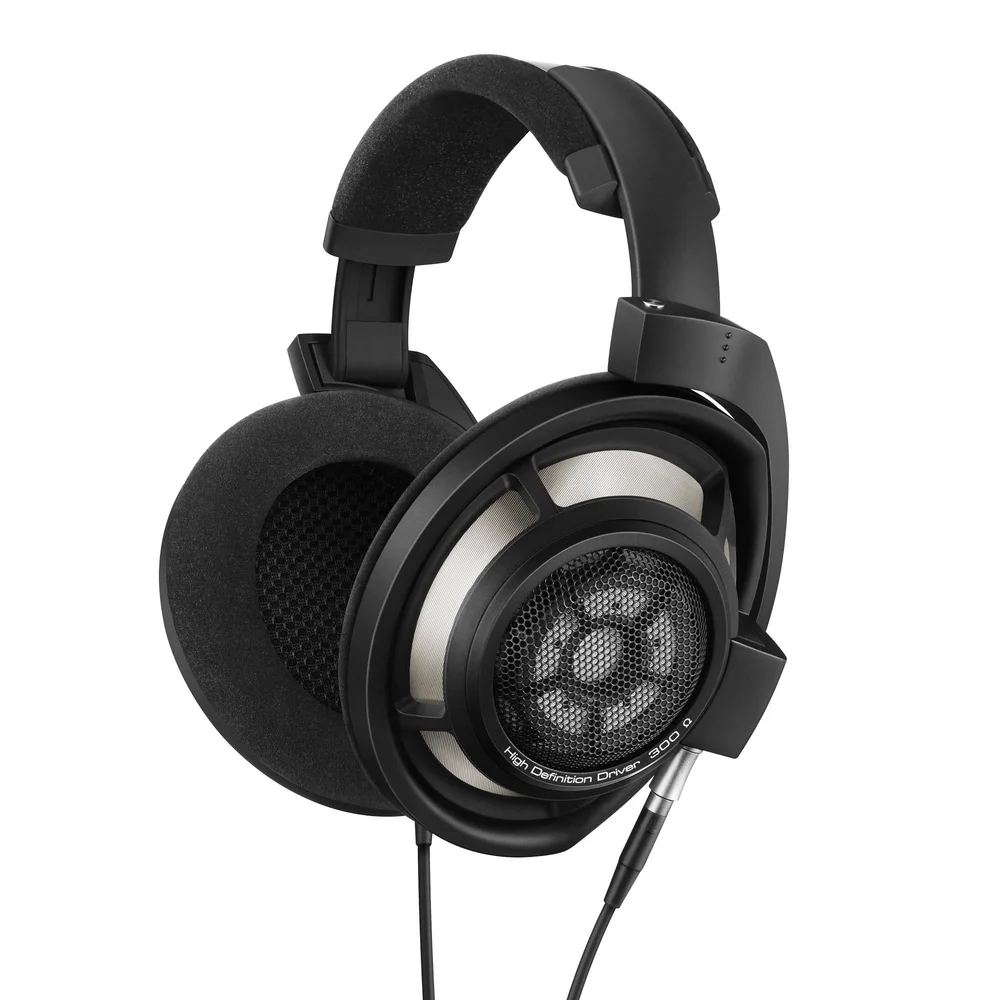
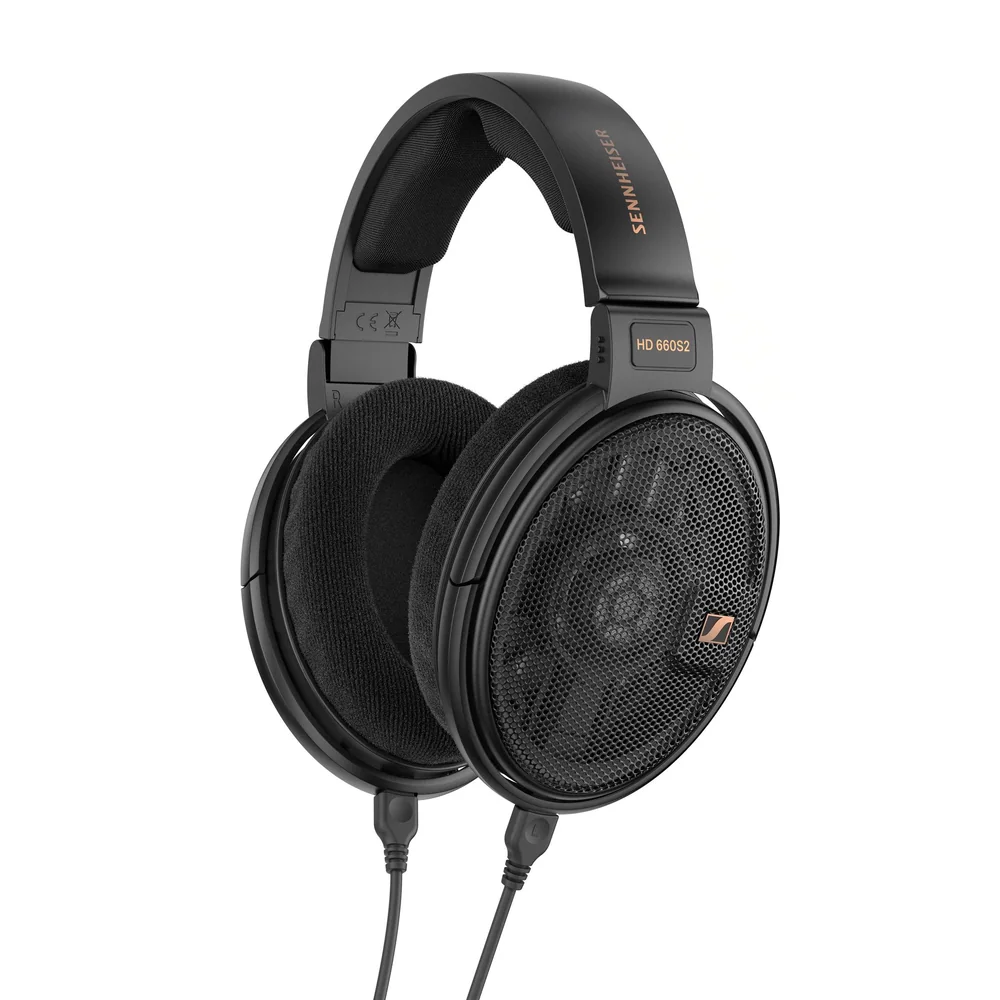
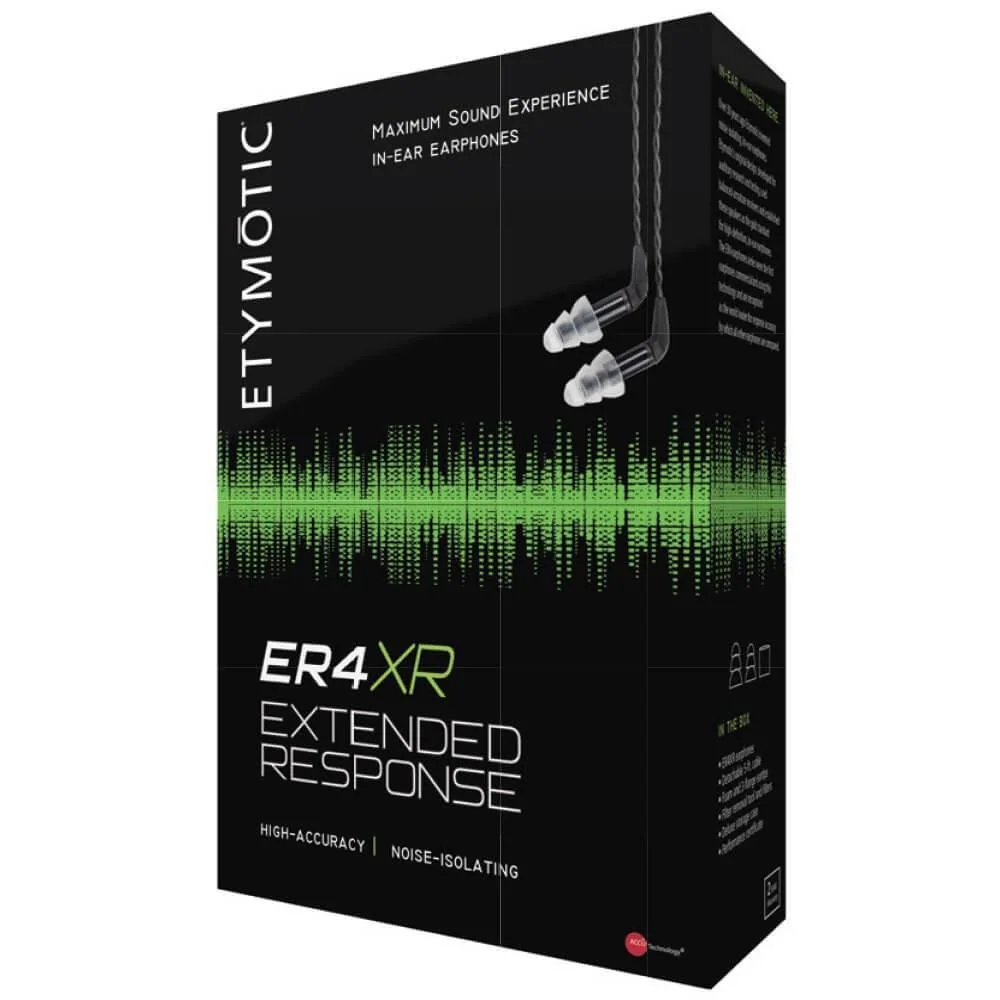
A few honest comparisons before you commit to the HD 550.
Sennheiser HD 550 FAQ
Is the Sennheiser HD 550 good for gaming?
Yes, its open-back design and wide frequency response are suited to directional audio cues in games, though at least one independent account found the soundstage narrower than Sennheiser's marketing suggests. It performs well for both competitive and casual sessions according to Sennheiser's own product description.
Does the Sennheiser HD 550 need an amplifier?
At 150 ohms, it will play from a phone or laptop, but it's built to scale with better source equipment. A dedicated headphone amp gets you closer to the driver's full capability.
How does the Sennheiser HD 550 compare to the HD 6XX?
Independent comparisons consistently find the HD 6XX the stronger value, even though the HD 550 is the newer release. If price-to-performance is your main concern, check the HD 6XX before buying.
Can I use the Sennheiser HD 550 in a noisy environment?
Not comfortably. It's a fully open-back design, meaning it leaks sound out and lets ambient noise in. It's built for quiet rooms, not commutes or open offices.
What's included with the Sennheiser HD 550?
Sennheiser includes a 1.8 m cable terminating in a 3.5mm jack, a 6.35mm adapter, and a drawstring bag. Additional cables for balanced or microphone-enabled setups are sold separately.
How comfortable is the Sennheiser HD 550 for long sessions?
Independent accounts describe it as extremely comfortable, citing its 237-gram weight and reduced clamping force compared to other Sennheiser 500-series models. It's built specifically for long, uninterrupted listening sessions.
Worth the money, if you check the HD 6XX first
The Sennheiser HD 550 earns its place with a tonal balance that splits the difference between its own siblings: more bass extension than the HD 600 series, less midrange edge than the HD 505. Comfort seals the deal, at 237 grams with a lighter clamp, it's the rare open-back headphone you can wear for hours without thinking about it.
Just don't skip the homework. The HD 6XX sits in the same price range and independent comparisons still favor it on value. If soundstage width matters more to you than tonal balance, sample before you buy. But for a neutral, comfortable, wired listening headphone built for a quiet room and a real source, the HD 550 delivers exactly what its naming scheme promises.