
What to know first
- Adaptive ANC handles steady background noise (planes, trains, offices) noticeably well for the price
- Up to 40 hours of battery with ANC on, 55 hours with it off, plus 5-minute fast charging for about 4 hours of playback
- Supports the LDAC codec for higher-quality wireless audio on compatible Android devices
- Multipoint Bluetooth lets you stay connected to a phone and laptop at once
- Volume and track controls share one rocker button, which can lead to accidental skips
- Comes with a drawstring pouch, not a hardshell case, so pack it accordingly
Anker's answer to premium ANC without the premium price
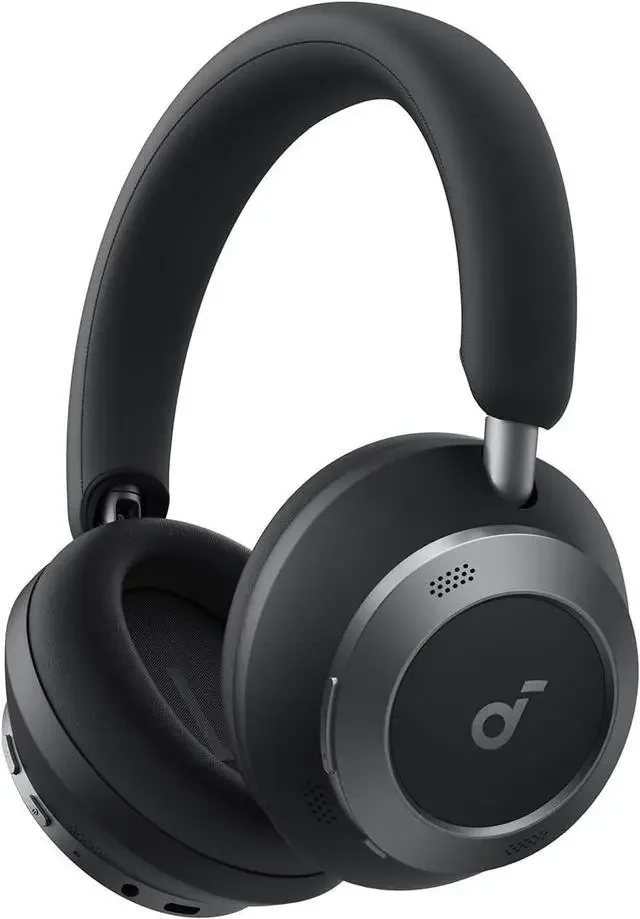
Anker built the Space One to compete with over-ear headphones that cost two or three times as much, and it leans on three things to make that case: adaptive noise cancellation, 40mm drivers tuned for bass-forward listening, and a battery that outlasts a work week of commuting. It ships in a few muted colorways with mostly matte surfaces and a bit of metallic trim on the headband, and it's built to be worn for hours without the clamping fatigue some over-ear designs cause.
What separates the Space One from the crowd of similarly priced ANC headphones is the codec support. LDAC compatibility is unusual at this price point and gives Android users a real path to higher-resolution wireless streaming, provided the source app and connection cooperate. Combined with Hi-Res Wireless Audio labeling and an in-app EQ, Anker is clearly positioning this as a headphone for people who care about sound quality but don't want to pay flagship money to get it.
It's not trying to be a studio monitor or a status symbol. It's built for the person who wants to put on a pair of headphones, cancel out the drone of a commute or an open office, and not think about charging again for days.
The noise cancellation and battery numbers that actually matter
Anker's marketing claims up to 98% noise reduction and twice the voice reduction of its own older Life Q30 model. Those lab numbers are optimistic by nature, but independent listening has found the ANC genuinely competent for a budget headphone, doing a solid job against the steady, low-frequency noise that dominates travel: engine drone, HVAC hum, road noise. It won't erase a nearby conversation or a sudden bang, and no ANC system in this price range will.
The battery figures are less exaggerated than most. Anker rates the Space One at roughly 40 hours with ANC on and 55 hours with it off, though switching to the LDAC codec brings those numbers down to about 35 and 46 hours respectively, since higher-bitrate streaming draws more power. Even at the lower end, that's several full days of commuting or office wear on one charge, and the five-minute-charge-for-four-hours-of-playback spec means a dead battery is rarely a real problem.
Multipoint Bluetooth rounds out the case for daily use. Being able to stay paired to both a laptop and a phone without manually re-pairing is a small thing until you're the person constantly forgetting to switch, and then it's the feature you actually notice.
Comfortable for long sessions, less graceful at the controls
Reviews describe the earpads and headband as generously cushioned and comfortable for extended listening.
Anker splits physical controls across both earcups: power and ANC/transparency cycling on the left, playback and a combined volume/track rocker on the right. That rocker is the weak point. Quick presses adjust volume while press-and-hold gestures skip tracks, and it's easy to trigger the wrong one, especially with gloves on or in a bag. It's a fixable habit, not a design flaw that ruins the headphones, but it's the one part of daily use that doesn't feel as considered as the rest.
The companion app is where the Space One earns some of its higher-price feel. An eight-band custom EQ, several presets, a HearID personalized sound profile, and adjustable transparency levels give you more control than most headphones at this price bother to offer. It's arguably over-designed in places, wrapping simple toggles in extra screens, but nothing here is hard to figure out.
What keeps this from being a flagship in disguise
Out of the box, the sound leans bass-forward rather than neutral. That's a deliberate tuning choice that suits pop, hip-hop, and electronic music well, but listeners who want an accurate, reference-style sound will need to spend time in the EQ to flatten things out, or look at a different headphone entirely.
The case situation is a downgrade from what pricier headphones include. Anker ships a drawstring pouch rather than a hardshell case, which offers less protection if you're tossing these into a backpack alongside keys and chargers.
None of this changes who the Space One is for. It's a headphone built around comfort, battery life, and noise cancellation on a budget, and the compromises it makes are the ones that let it hit that price without gutting the features that matter most day to day.
The specs that matter
Handles steady background noise like transit hum and office HVAC well; won't remove sudden or vocal noise the way marketing numbers imply
Enough for multiple days of commuting or office wear between charges, though actual runtime depends on codec and volume
Useful safety net if you forget to charge overnight before a commute or flight
LDAC support is uncommon at this price and benefits Android users streaming from compatible hi-res sources
Low impedance means the headphones play at full volume from a phone or laptop without needing a separate amplifier
Lets you stay paired to a phone and laptop at once, useful for anyone switching between work and personal devices during the day
Shared volume and track controls can lead to accidental skips, a real usability tradeoff versus dedicated buttons
Wired listening is possible via AUX, but the pouch offers less protection in a bag than a hardshell case would
Who this product fits
The daily train commuter
Adaptive ANC handles the steady clatter and engine drone of a train ride well, and battery life covers a full week of round trips without a recharge. Multipoint keeps you connected to your phone during the commute and your laptop once you're at your desk.
The budget-conscious audiophile
LDAC support and the in-app eight-band EQ let you tune the sound toward something closer to neutral if the default bass emphasis isn't your taste, without paying flagship prices to get hi-res codec support at all.
The long-haul flyer
Long battery life means you won't be hunting for an outlet mid-flight, and the cushioned earpads and headband stay comfortable across a full transatlantic trip. The included 3.5mm cable also covers in-flight entertainment systems that don't support Bluetooth.
The gym-adjacent listener who fumbles buttons
If you're used to distinct volume and track buttons, expect an adjustment period with the combined rocker control, especially when adjusting on the move or with limited visibility of the earcup.
What else to compare
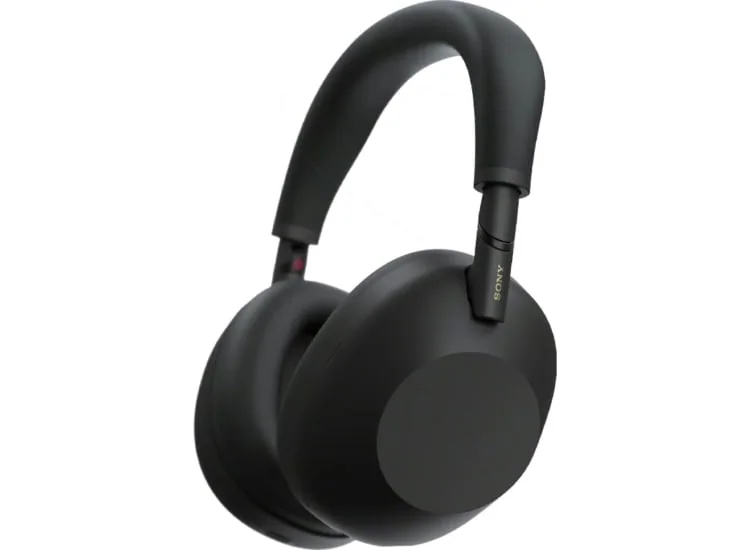
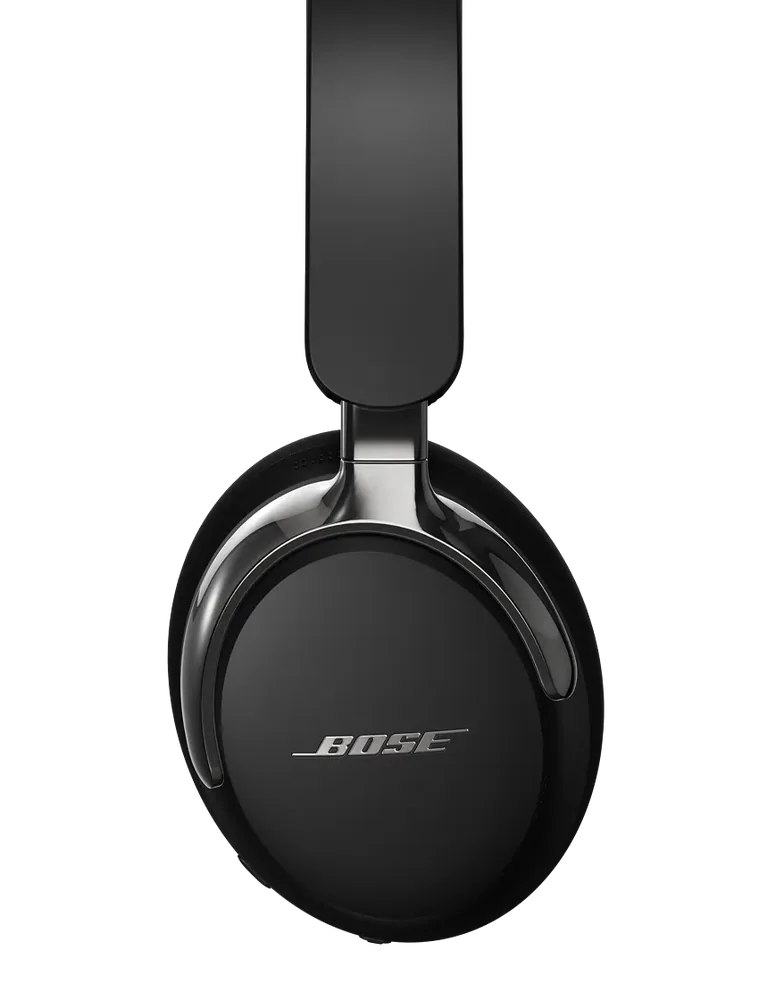
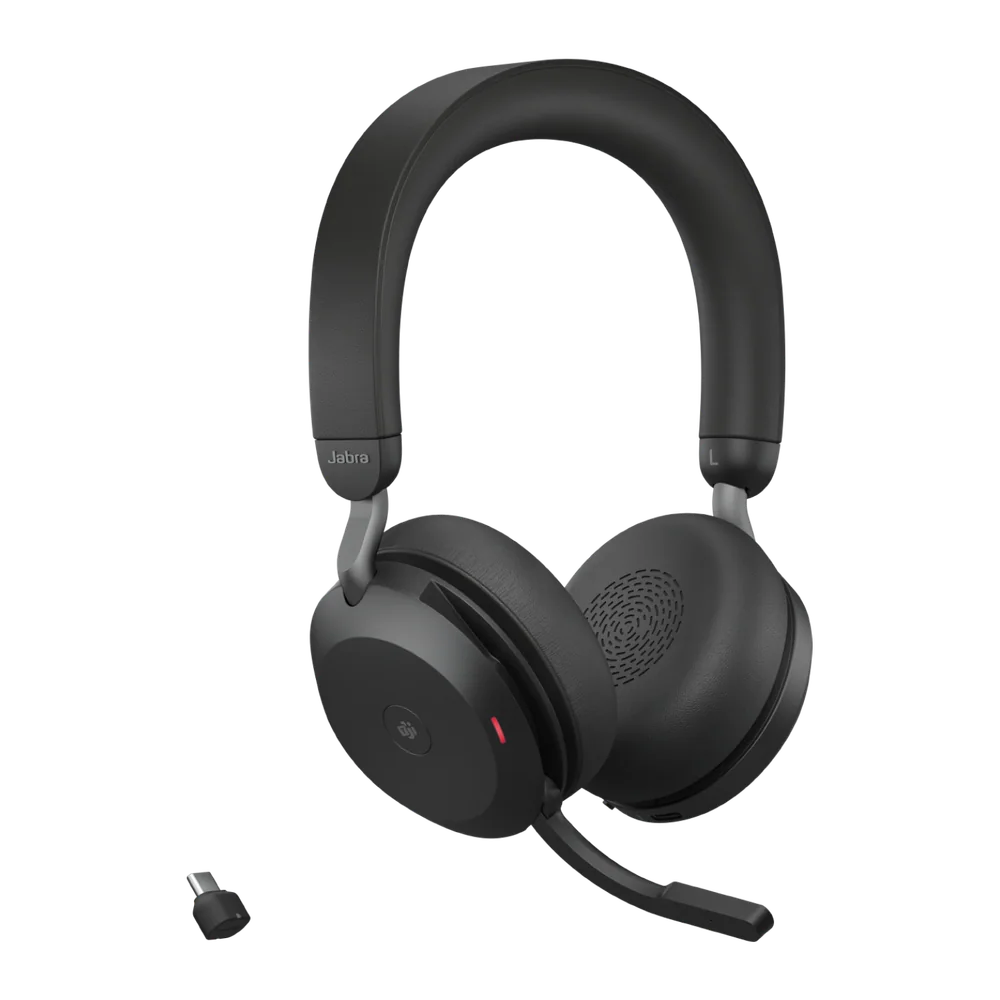
A few other budget ANC headphones are worth knowing about before you decide.
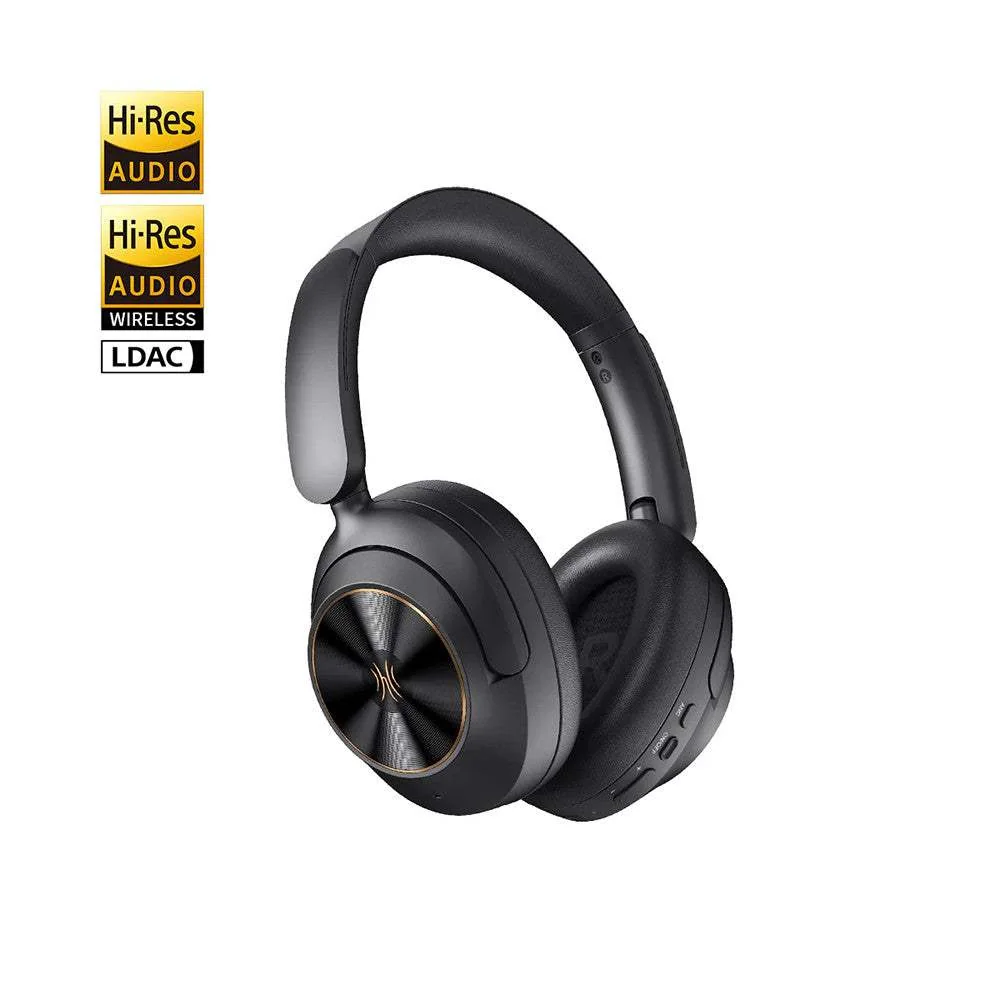
Anker Soundcore Space One Noise Cancelling Headphones FAQ
Does the Anker Soundcore Space One have good noise cancellation?
Yes, for its price. The adaptive ANC handles steady low-frequency noise like engine rumble and HVAC hum well, though it won't fully block nearby conversation or sudden sounds the way Anker's 98% reduction figure might suggest.
How long does the battery last on the Soundcore Space One?
Anker rates it at up to 40 hours with ANC on and 55 hours with ANC off. Using the LDAC codec lowers those estimates slightly to about 35 and 46 hours, since higher-bitrate streaming uses more power.
Does the Space One support high-quality audio codecs?
Yes, it supports AAC, SBC, and LDAC over Bluetooth 5.3. LDAC is uncommon at this price and enables higher-resolution wireless streaming on compatible Android devices.
Can I use the Space One with a wired connection?
Yes, it includes a 3.5mm audio cable for wired listening, which is useful for in-flight entertainment systems or devices without Bluetooth.
What's the biggest downside of the Soundcore Space One?
The shared volume and track-skip rocker button on the right earcup can lead to accidental skips. Sound is also tuned bass-forward by default rather than neutral, though the app's EQ can adjust this.
Does it come with a case?
It ships with a drawstring pouch rather than a hardshell case, which offers less protection than a rigid case if you're tossing it into a bag with other items.
Worth it if you know what you're trading for the price
Anker isn't pretending the Space One is a flagship headphone, and it doesn't need to be one to earn a recommendation. The noise cancellation is genuinely useful for daily commuting and travel, the battery life removes charging anxiety almost entirely, and LDAC support is a rare and welcome inclusion at this price.
The button layout is the one real friction point, and the bass-forward tuning will need EQ adjustment if you want something more neutral. Neither is enough to override what this headphone gets right: comfort, battery, and noise cancellation that punch above their price, which is exactly what most budget ANC shoppers are looking for in the first place.