
What to know first
- Built-in GPS lets you track outdoor workouts without carrying your phone.
- Battery life is commonly described as around six days (sometimes 6+), which is a big quality-of-life upgrade over daily charging.
- Sleep tracking includes a Sleep Score in the Fitbit app, which is best used for trends and consistency, not perfect stage-by-stage precision.
- The square face is described as not too heavy, but the overall design can feel bulky on smaller wrists.
- It sits between a fitness band and a smartwatch: more screen and features than a tracker, less of a full smartwatch platform than Apple or Samsung.
What the Fitbit Versa 4 is
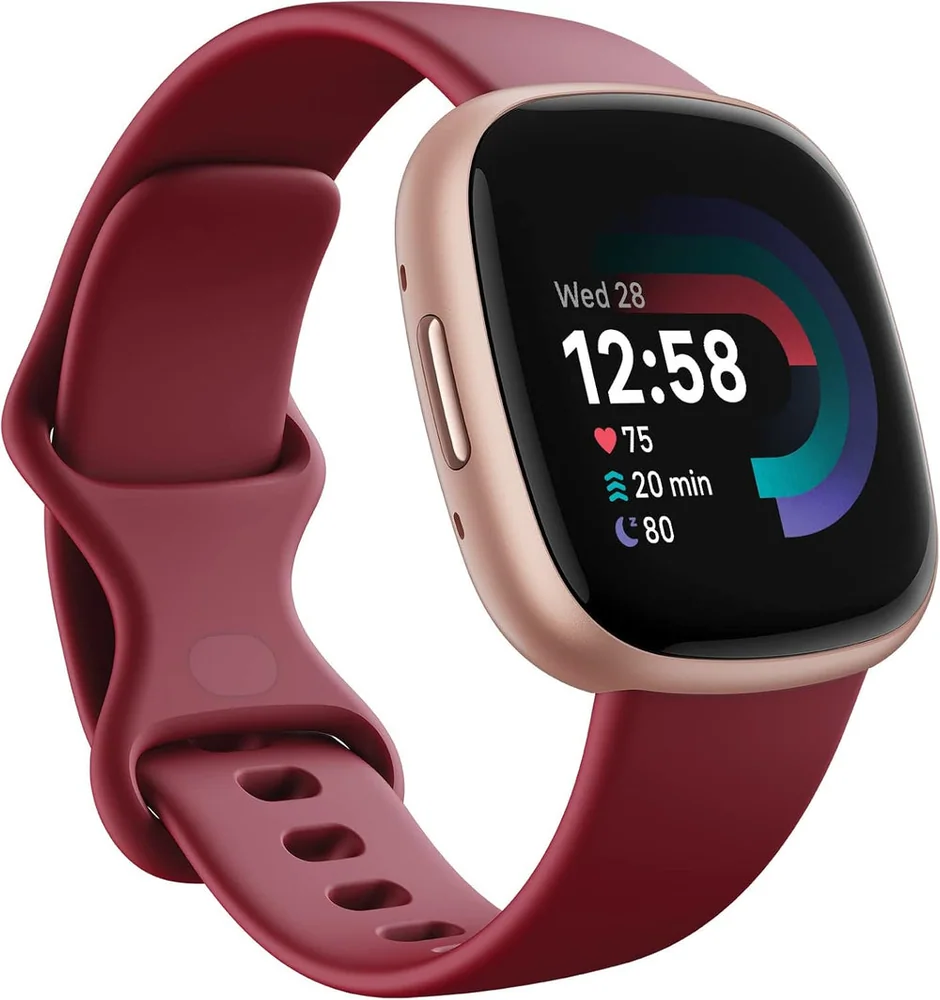
The Fitbit Versa 4 is a smartwatch-style fitness watch built for everyday health tracking. It’s meant to be worn all day, not just during workouts, so you can keep an eye on steps, heart rate, sleep, and general activity trends in the Fitbit app.
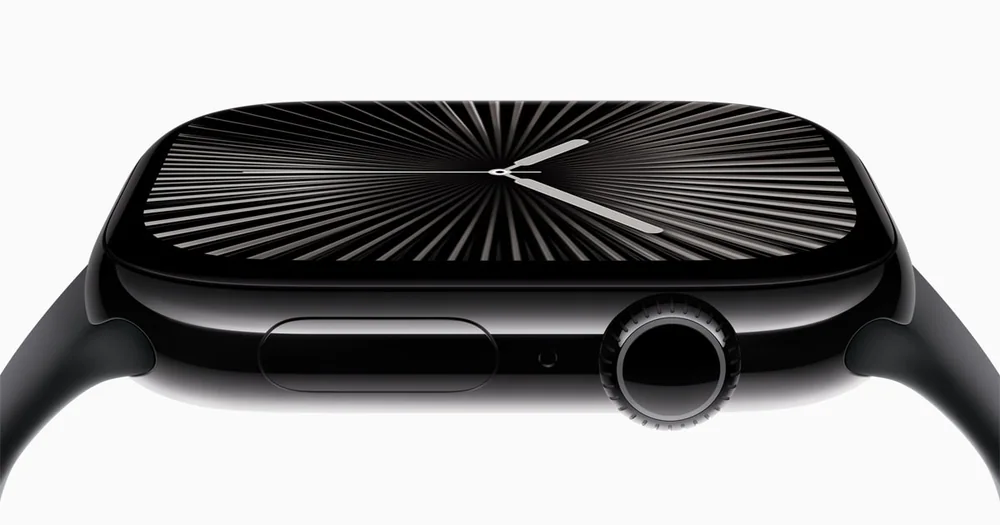
Compared with slimmer Fitbit bands, the Versa 4 gives you a larger square display and more of a watch feel on your wrist. That matters if you want to quickly check stats, see notifications, or control music without pulling out your phone every time.
It also includes built-in GPS, which is the feature that turns it from a “steps and sleep” device into something you can actually use for outdoor workouts like runs, hikes, and bike rides without needing your phone for route and distance.
Why it stands out
The Versa 4’s best argument is balance. It covers the core Fitbit experience people buy Fitbits for (sleep, steps, heart rate, and easy-to-understand daily metrics) while giving you a bigger screen and built-in GPS. For a lot of shoppers, that’s the sweet spot between a slim tracker and a more intense smartwatch.
Battery life is another practical win. The Versa 4 is commonly described as lasting about six days, with some descriptions calling it 6+ days. In real life, that means you can wear it through the workweek and still keep sleep tracking going without constantly planning around a charger.
If you like the Fitbit app, the Versa 4 is an easy transition. You can set goals in the app, see more detailed stats, and let the watch handle the basics automatically, including detecting activity and logging it for you when you forget to start a workout.
What it is like to own
Day to day, the Versa 4 is built around quick check-ins. The larger always-on screen (as described in product coverage) is there so you can glance at your stats, see text notifications, control music, or take a call when your phone is nearby and connected over Bluetooth.
For workouts, built-in GPS is the big convenience feature. You can head out for a walk, run, hike, or bike ride and still get distance and route tracking without carrying your phone. If you’re the type who likes to leave your phone behind, this is the difference between “nice to have” and “actually useful.”
Comfort is the main ownership variable. Some people find Versa-style designs bulky, especially on smaller wrists, and at least one editor noted discomfort from the screen sitting on wrist bones on an older Versa model. If you already know you dislike thicker watch bodies or bands, pay attention to how this style sits on you.
What to know before you buy
The Versa 4 is not the smallest or most subtle Fitbit. The easy-to-read screen is part of the appeal, but it can feel bulky, particularly for smaller wrists. If you want something you barely notice during workouts, a slimmer Fitbit band can be a better fit.
Don’t overthink precision metrics like calorie burn or sleep stages. The Versa 4 can estimate calories and break down sleep, but those numbers are most useful for comparing your own patterns over time. Use the watch to build consistency and spot trends, not to micromanage exact totals.
If you’re shopping primarily for strength training, consider whether you want a watch body on your wrist while lifting. A smaller tracker can be more comfortable and less in the way for barbell work, kettlebells, and wrist-heavy movements.
The specs that matter
You can track outdoor workouts like runs, hikes, and bike rides without bringing your phone for distance and route tracking.
Less charging makes it easier to wear consistently, including overnight for sleep tracking. Consistency is what makes the trends meaningful.
It’s built to handle water exposure like swimming and sweaty workouts, which is important for long-term durability and worry-free training.
A simple score makes it easier to notice patterns (late nights, travel, stress) without getting stuck obsessing over exact sleep stage minutes.
Heart rate drives workout intensity zones and influences calorie estimates. Fit and strap tension matter for clean readings, especially during intervals or lifting.
If you like using voice commands for quick tasks, it’s a convenience feature that makes the watch feel more like a smartwatch than a basic tracker.
If you forget to start a workout, you still get credit and a record in the app, which helps if you’re trying to build a consistent habit.
Who this product fits
You want Fitbit tracking, but you’re done with tiny band screens
Fitbit Versa 4 gives you the same general Fitbit approach to steps, sleep, and daily health stats, but on a larger square display that’s easier to read at a glance.
You like walking, running, or biking without your phone
With built-in GPS, the Fitbit Versa 4 can record outdoor workouts without relying on your phone’s GPS, so you can leave your phone behind and still get distance and route data.
You want sleep trends without charging every night
A battery that’s commonly described as around six days makes it easier to keep the watch on overnight for sleep tracking and still make it through the week.
You do a mix of casual workouts and everyday activity tracking
The Versa 4 is built for the person who wants general wellness metrics, gym sessions, and occasional outdoor workouts without stepping up to a more complex, premium smartwatch.
What else to compare
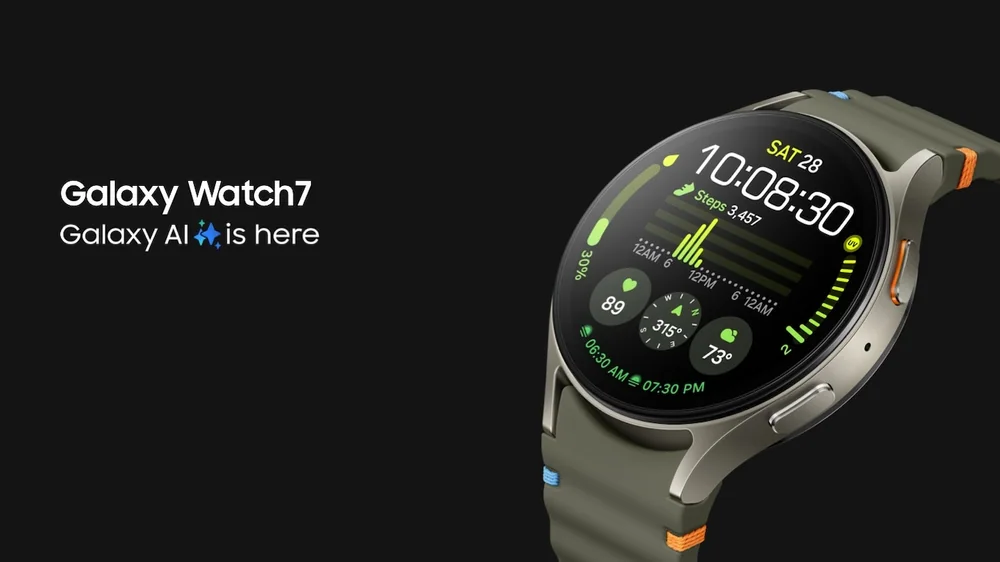
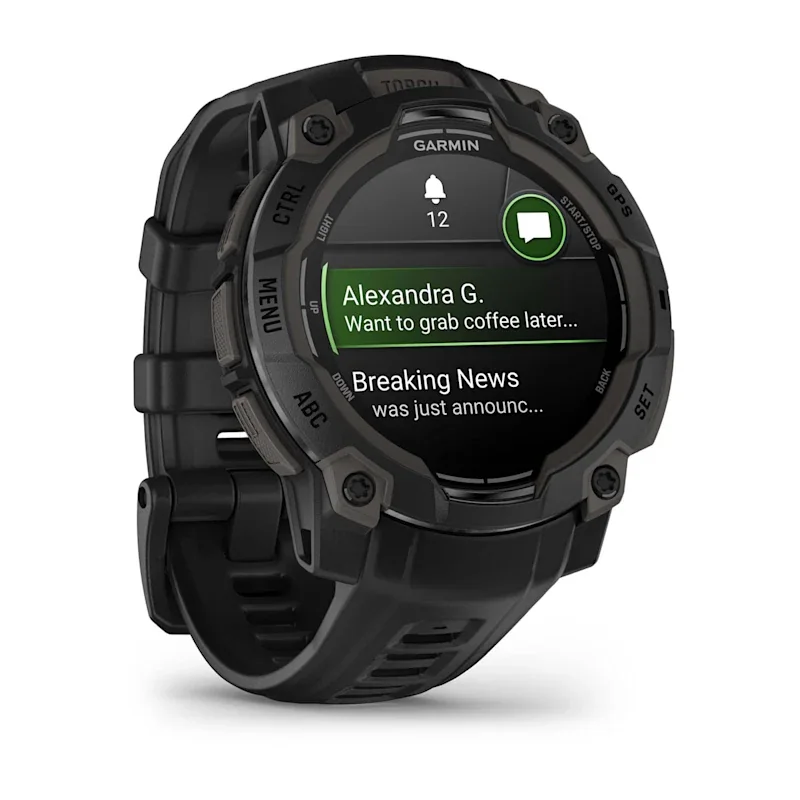
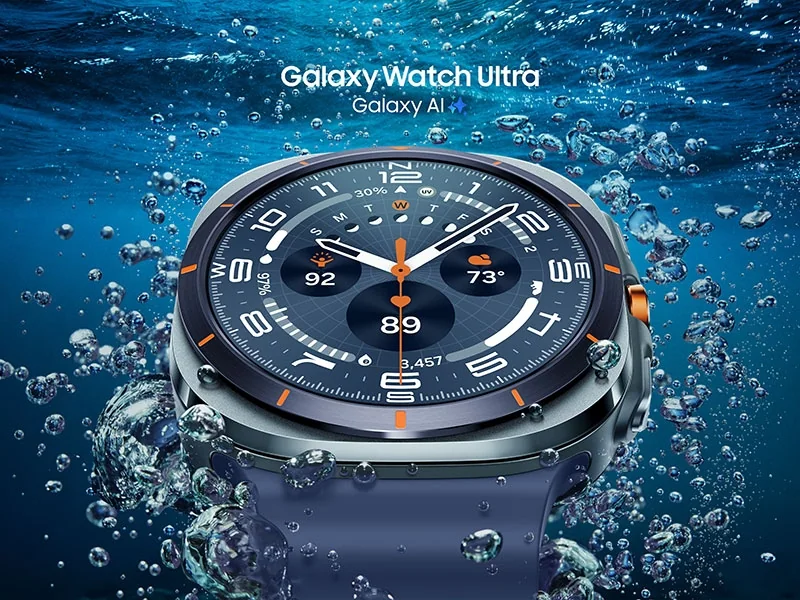
If you want a different balance of smartwatch features, ruggedness, or phone integration, these are the models I’d look at next.
Fitbit Versa 4 FAQ
Does the Fitbit Versa 4 have built-in GPS?
Yes. Built-in GPS means you can track outdoor workouts like runs, hikes, and bike rides without carrying your phone for location and distance.
How long does the Fitbit Versa 4 battery last?
It’s commonly described as lasting about six days, and some descriptions call it 6+ days. Battery life in real use depends on things like GPS workouts and screen settings, but the key point is that it’s not a nightly-charge watch for most people.
Is the Fitbit Versa 4 good for sleep tracking?
It tracks sleep and provides a Sleep Score through the Fitbit app. Treat the score and your long-term trends as the useful part, since sleep stages are inferred from movement and heart rate patterns.
Is the Fitbit Versa 4 too big for small wrists?
It can be. The larger screen is easier to read, but some people with smaller wrists find Versa-style watches bulky, and comfort can depend on how the case and band sit on your wrist bones.
Is the Fitbit Versa 4 a good choice for strength training?
It can work for general fitness with gym sessions mixed in, but if lifting is your main workout, a slimmer tracker can feel less bulky and less in the way on the wrist.
Should you buy the Fitbit Versa 4?
Buy the Fitbit Versa 4 if you want the Fitbit app experience in a watch you can comfortably read and wear all week. Built-in GPS and around-six-day battery life are the two features that change daily use the most, especially if you want to track outdoor workouts and sleep without constant charging.
Skip it if you already know you dislike bulkier watches or you want a more full-featured smartwatch platform. In that case, either go slimmer for comfort (if you’re staying with Fitbit) or step up to a true smartwatch if apps and phone integration are the priority.