10 Best Fitness Watches for Strength Training of 2026
Published
Explore Fitness Watches for more buying guides, in-depth reviews, comparisons, and practical advice.
These are Pickori’s recommendations for the best fitness watches for strength training in 2026, covering compact gym trackers, full-featured iPhone and Android smartwatches, and a heart-rate chest strap for lifters who care most about accuracy. Whether you want something small for the weight room, a premium smartwatch that also handles daily life, or better heart-rate data during intervals, there’s a clear fit below.
Pickori may earn a commission from affiliate links.
1
Best Overall
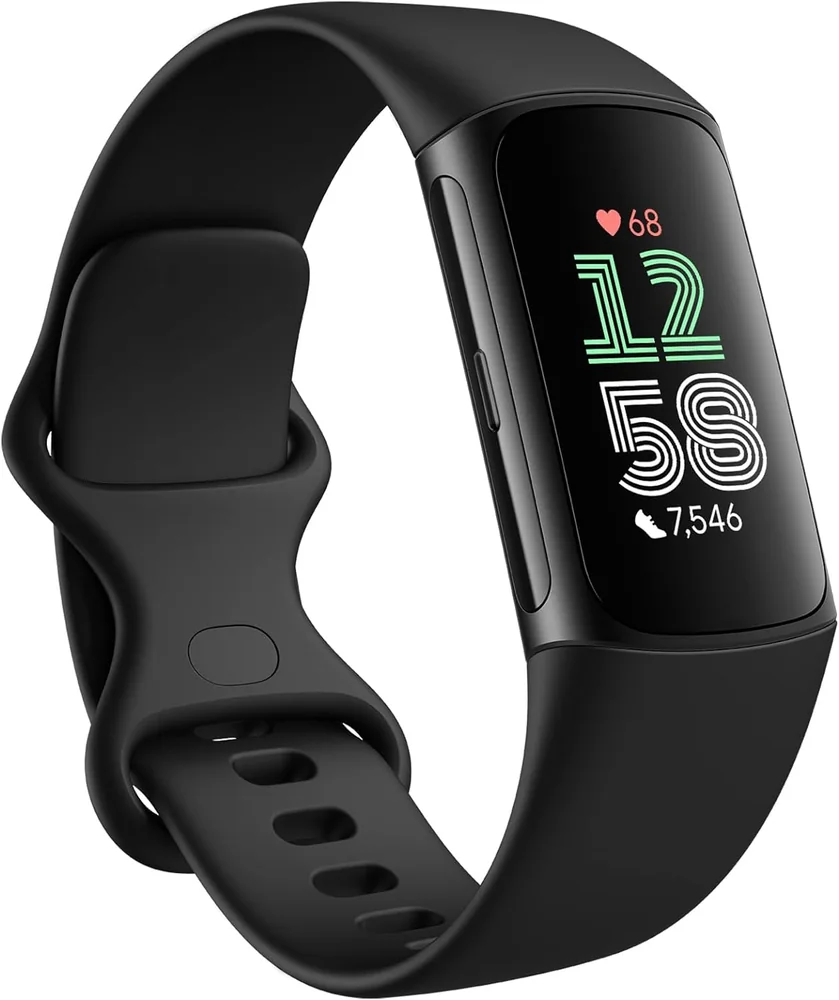
Fitbit Charge 6
Fitbit Charge 6 fits most lifters who want a compact fitness tracker that still feels complete in the gym. It covers strength training as a dedicated workout mode and supports a wide range of exercise modes overall, so it works whether your week is mostly lifting, classes, or a mix. The battery life is a big part of the appeal for everyday wear. If you are coming from an older Fitbit, expect an adjustment period to the newer interface and Google-leaning features.
Strength training mode plus a deep bench of exercise modes (40+)
Compact band style that stays out of the way during lifts
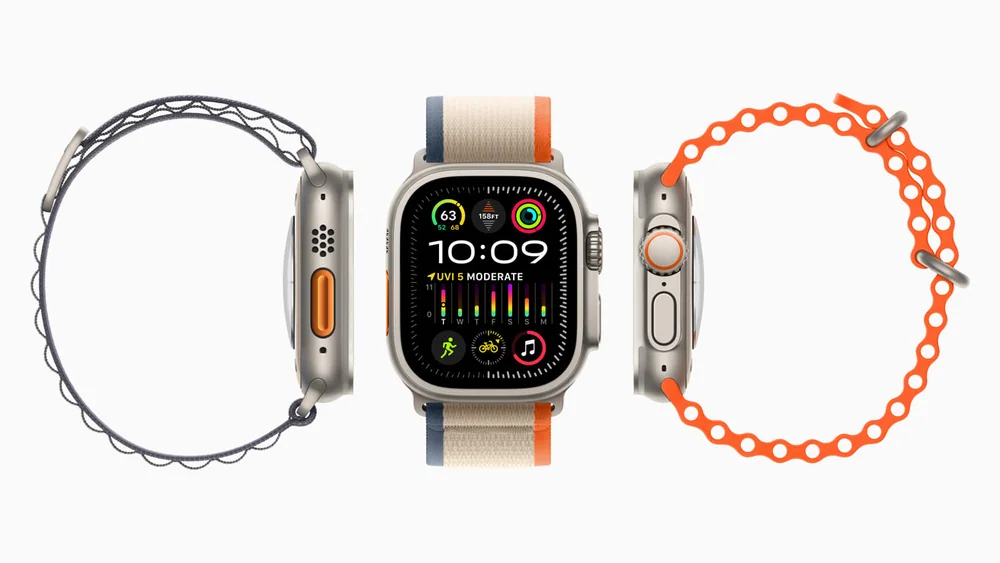
Apple Watch Ultra 2 makes sense for iPhone owners who want a premium smartwatch that can handle training and the rest of your day without compromise. It is the right buy when you care as much about the smartwatch experience as you do about logging workouts. If you are mainly focused on simple strength-session tracking and battery life, a smaller fitness tracker like the Fitbit Charge 6 can be the more practical choice.
Premium Apple smartwatch experience for gym plus daily life
Works best inside the iPhone ecosystem
Good fit for people who want training tracking alongside smart features
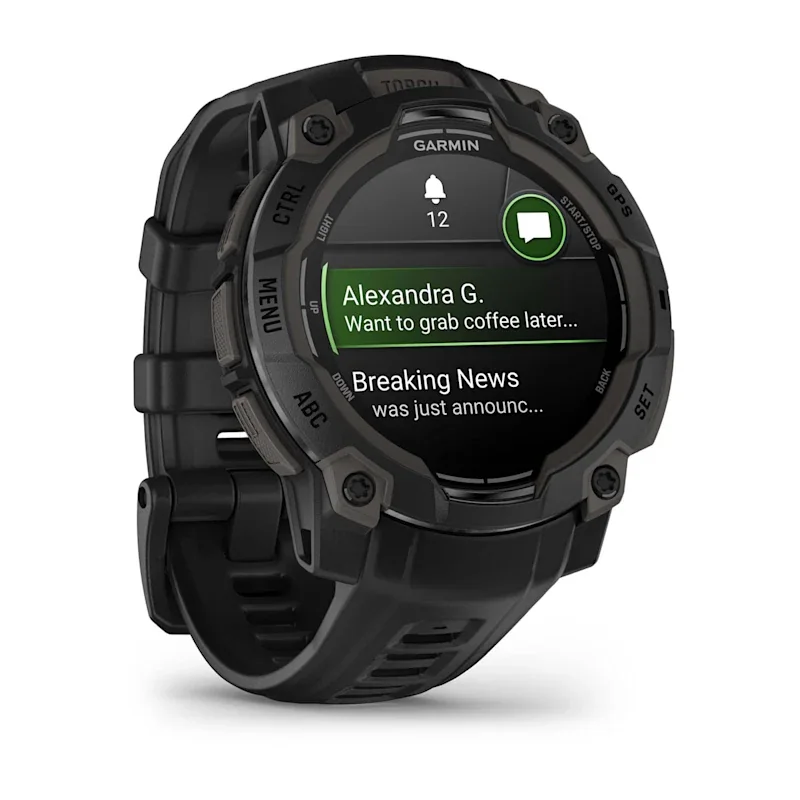
Garmin Instinct 3 is for lifters who want a training-forward watch that still works as an everyday wearable. It belongs on your wrist when you want gym tracking in a more watch-like package, not a slim band. The limitation here is simple: the strength-training case for this specific model is not as clearly documented as the top choices, so it is better as a brand-and-style-driven pick than a data-driven one.
A watch-style alternative for lifters who do not want a slim band
Aims at training tracking with everyday usability
Best suited to shoppers already comfortable with Garmin’s approach
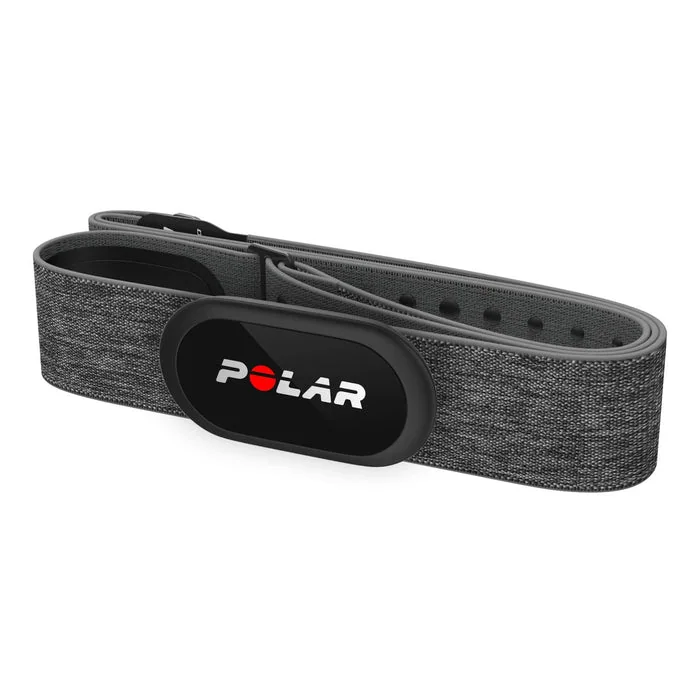
Polar H10 is the right buy for lifters who care most about heart-rate accuracy during workouts and are willing to wear a chest strap to get it. It is especially useful as a “truth check” companion when you want more reliable heart-rate data than wrist sensors typically deliver during strength training. This is not a fitness watch, so you pair it with your preferred app or watch rather than replacing one.
Chest-strap heart-rate tracking for accuracy-focused training
Connects easily to apps and supports Bluetooth and ANT Plus
Comfortable adjustable strap for a wide range of chest sizes
Useful across multiple workout types, including strength sessions
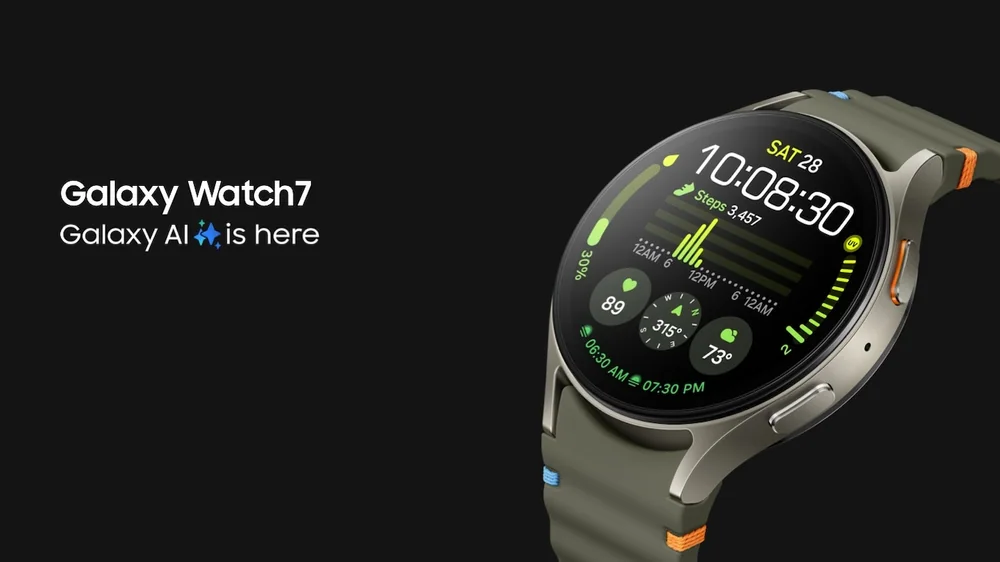
Samsung Galaxy Watch 7 fits Android users who lift and want a full smartwatch, not just a workout tracker. It is a solid direction when you want gym tracking plus the everyday convenience of a mainstream smartwatch. The strength-training specifics are not well established here, so if strength logging is your top priority, the Fitbit Charge 6 is the safer, more clearly supported choice.
Mainstream Android smartwatch approach with workout tracking
Good fit for gym-plus-life use on Android
Makes sense for shoppers who want one wrist device for everything
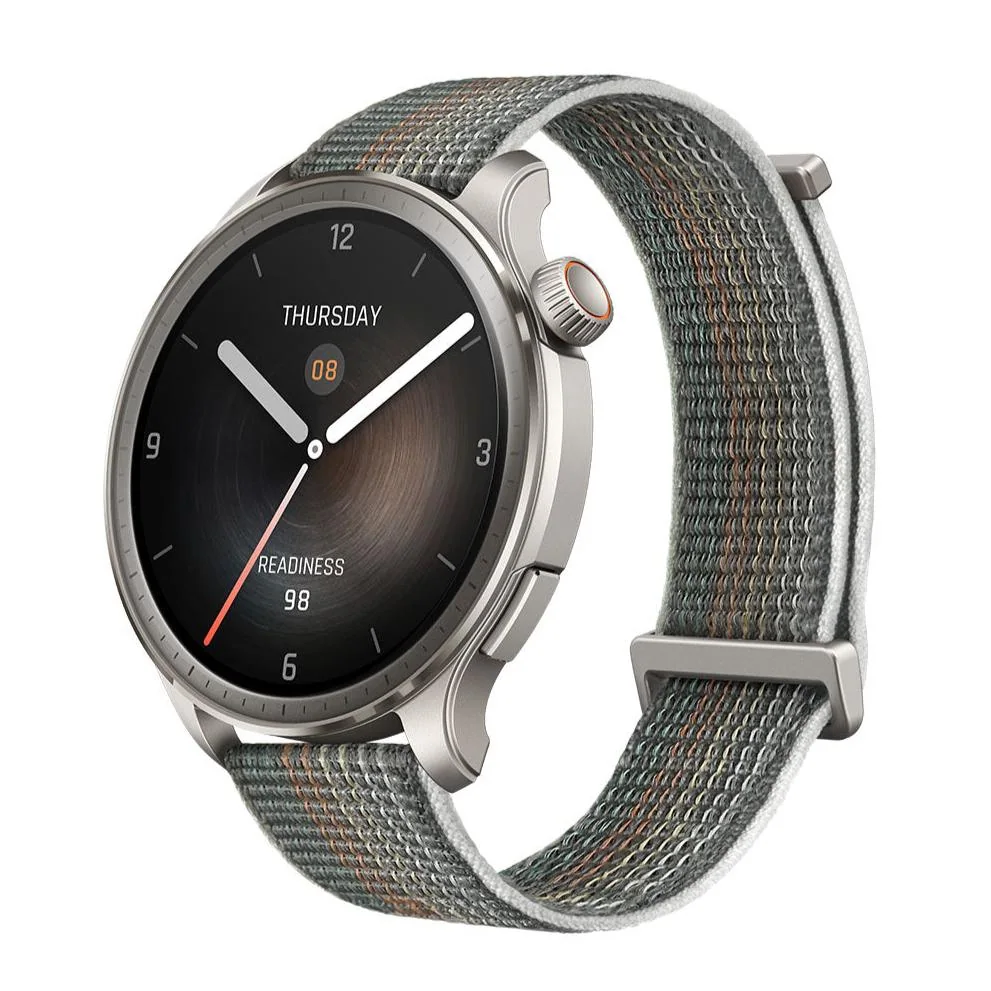
Amazfit Balance is for value shoppers who want smartwatch features and broad workout tracking without paying for a flagship watch. It is the kind of fitness watch you choose when you want the basics covered and you care about stretching your budget. The evidence behind its strength-training performance is thin in this set, so it is best treated as a budget-friendly gamble rather than the safest recommendation.
Value-leaning smartwatch with broad workout tracking
Appeals to shoppers who want features without a premium brand price
Better as a general fitness watch than a strength-specialist choice
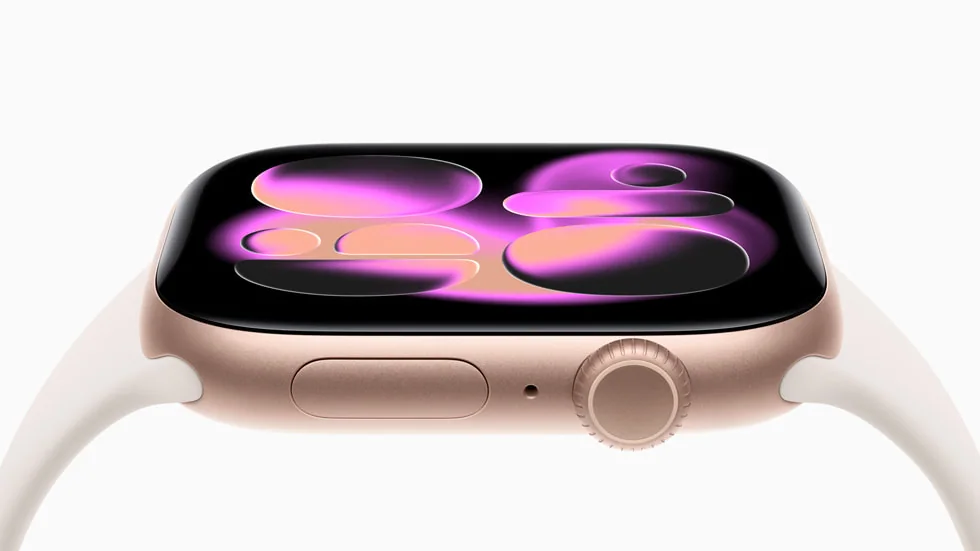
Apple Watch Series 11 is the practical Apple Watch for iPhone users who want workouts and daily smartwatch features in one balanced package. It is a strong fit when you want easy-to-read, consistent workout data and a smooth iPhone experience. Current Apple Watch owners should think twice about upgrading if the features you care about are already coming to older models.
Balanced Apple smartwatch for gym training and everyday use
Easy-to-read, consistent workout data presentation
Notable battery gains plus fast charging
Hypertension notifications are a standout health feature
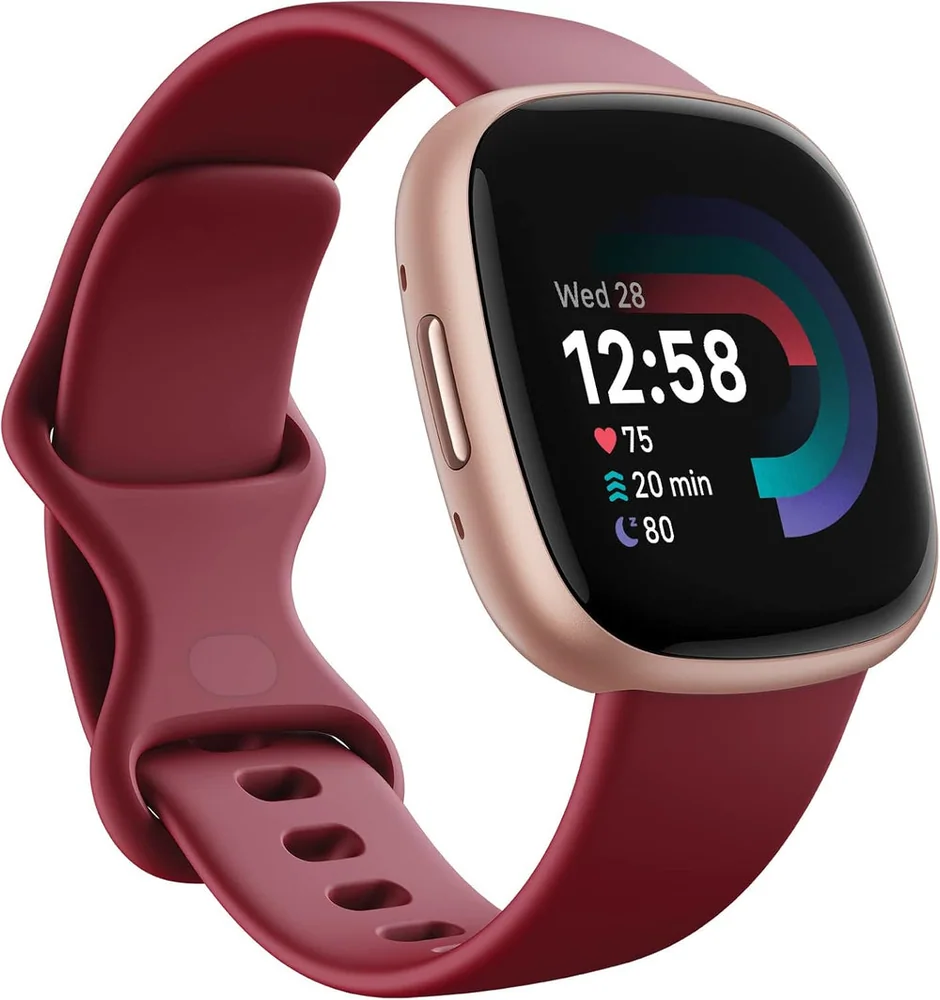
Fitbit Versa 4 is for people who like Fitbit’s approach but want a more watch-like device than a slim band. It is a reasonable choice for everyday fitness tracking with gym sessions mixed in, especially if you prefer staying in the Fitbit ecosystem. If strength training is the main event, the Fitbit Charge 6 has the clearer case as a lifting-friendly tracker.
More watch-like Fitbit for all-day wear
Fits general fitness tracking plus gym sessions
Good choice for shoppers who want Fitbit familiarity in a smartwatch shape
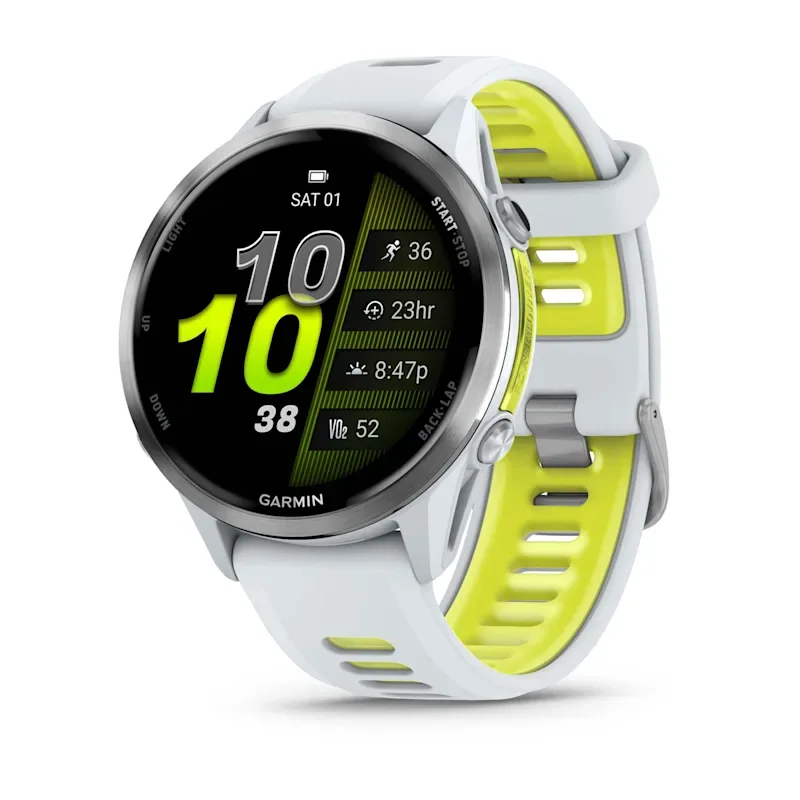
Garmin Forerunner 970 is aimed at serious training, especially for people who lift and also follow structured running or multi-sport plans. It earns its place as the performance-first Garmin in this lineup. The catch is that the strength-training specifics for this exact model are not well supported here, so it is best for shoppers who already know they want a premium Garmin training watch.
Premium training-first direction for structured athletes
Best suited to lifters who also run or train across sports
A niche buy unless you already want Garmin’s higher-end training approach
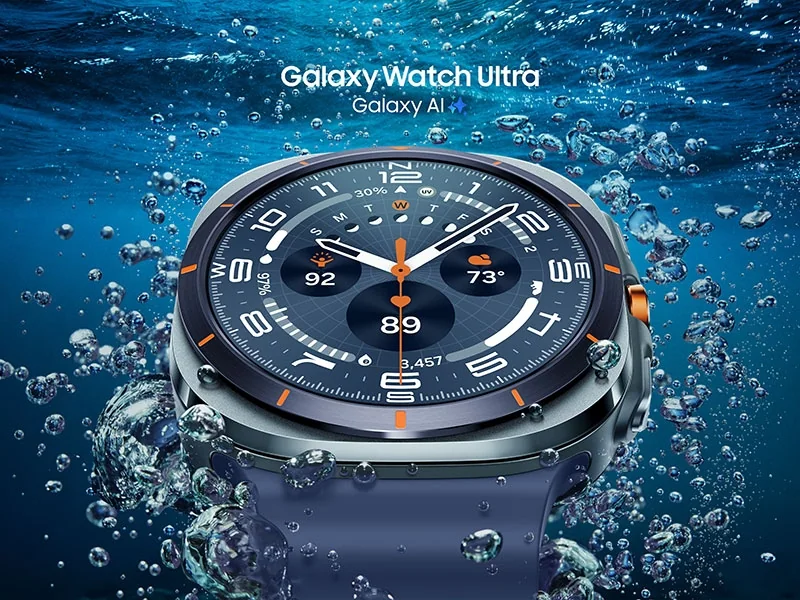
Samsung Galaxy Watch Ultra is for Android users who want a tougher, premium smartwatch for hard training and everyday wear. It is the upgrade path when you like Samsung’s smartwatch experience and want a more rugged-feeling device. Strength-training details are not clearly established here, so shoppers who care most about strength-session tracking should prioritize the Fitbit Charge 6 or pair their watch with a Polar H10 for better heart-rate data.
Premium Samsung smartwatch built for harder use
Good fit for Android users who want a rugged-feeling watch
Makes more sense as a lifestyle-plus-training smartwatch than a strength specialist
For strength training, should I get a fitness band or a full smartwatch?
A fitness band like the Fitbit Charge 6 is usually the better buy if you mainly want workout modes, heart-rate tracking, and long battery life in a small device. A full smartwatch (Apple Watch or Samsung Galaxy Watch) makes more sense when you also want calls, notifications, and deeper day-to-day smart features on your wrist.
Why does heart-rate accuracy feel worse during lifting than during running?
Strength training involves wrist flexion, gripping, and short bursts of effort that can make wrist sensors less consistent. If heart-rate accuracy is your top priority during lifting, a chest strap like the Polar H10 is the most direct fix.
What is the simplest “just track my lifts” recommendation here?
Fitbit Charge 6. It is compact, has a dedicated strength training mode, and covers a wide range of workouts without forcing you into a full smartwatch.
Which fitness watch makes the most sense for iPhone owners who lift?
Apple Watch Series 11 is the practical everyday choice for most iPhone users who want workouts plus smartwatch features. Apple Watch Ultra 2 is the premium step-up when you want a higher-end Apple smartwatch experience.
If I already own an Apple Watch, when does upgrading to Series 11 make sense?
Upgrade when you specifically want the Series 11’s battery improvements and the features that are exclusive to it. If the health features you care about are arriving on older Apple Watches, upgrading can be easier to skip.