
What to know first
- Training-first Garmin aimed at serious runners and structured athletes
- Adds new running metrics (including running economy, running tolerance, and step speed loss)
- Garmin states up to 15 days of battery life
- Better fit for workouts and training analysis than for smartwatch-style convenience
- Makes the most sense if you already know you want Garmin’s higher-end training approach
What the Garmin Forerunner 970 is
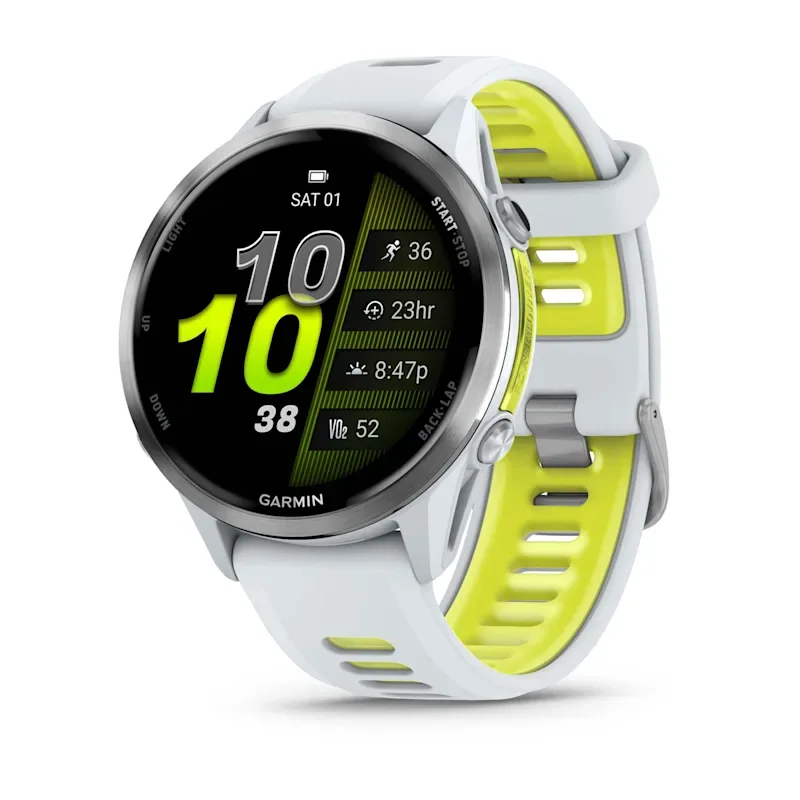
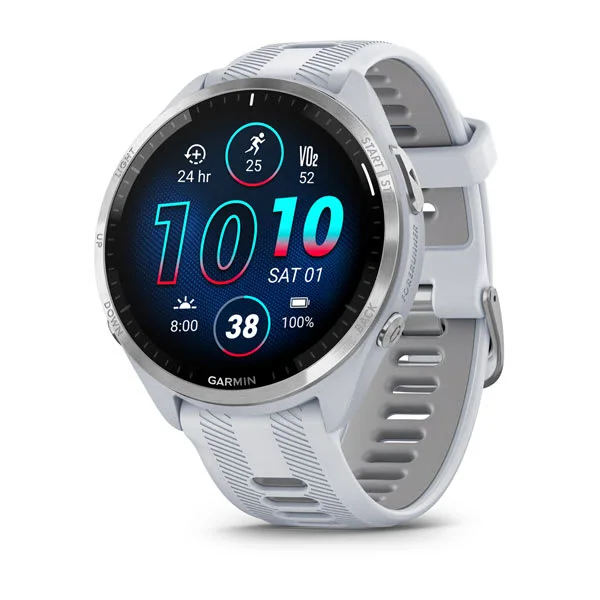
The Garmin Forerunner 970 is a premium fitness watch built around training. Think running plans, multi-sport structure, and lots of performance metrics, not a mini phone on your wrist.
In daily life, that means it is designed to be worn consistently so it can build trends around your workouts and recovery. The point is not just recording what you did, but helping you plan what to do next and how hard to push.
It also has the look and feel of a sport watch, which is a plus if you like a larger watch on the wrist and want something that fits an outdoorsy, training-focused vibe.
Why it stands out
The main reason to pay for the Garmin Forerunner 970 is the depth of training analysis. It is an upgrade for athletes who already train with data and want more of that analysis built into the watch, especially for running.
A big part of that is the new running metrics. Garmin has added metrics like running economy, running tolerance, and step speed loss, and they are not locked behind a paywall. If you are the kind of runner who likes to connect the dots between form, fatigue, and performance, that is the appeal.
Battery life is the other practical differentiator. Garmin states up to 15 days of battery life. In real routines, longer battery life usually means you are more likely to wear the watch overnight and through rest days, which is how you get useful long-term trends instead of a bunch of gaps.
Finally, the Forerunner 970 is a better match than an Apple Watch if your priority is training focus first and notifications second. It is built to support structured workouts rather than to be the most polished everyday smartwatch.
What it is like to own
The Garmin Forerunner 970 is meant to live on your wrist. The combination of training depth and long stated battery life is what makes it realistic to wear all day, track workouts, and still keep sleep and recovery trends going without charging anxiety.
If you like a larger sports watch, the Forerunner 970 fits that preference. It is a natural match for bigger wrists and for people who want a rugged, outdoorsy look rather than something that tries to blend in like jewelry.
Where it can feel less friendly is if you want your watch to behave like a smartwatch first. The Forerunner line is built around training tools, so the overall ownership experience is more about workouts, metrics, and plans than about slick phone-like interactions.
What to know before you buy
This is a niche buy if you do not already want Garmin’s premium training approach. The Garmin Forerunner 970 makes the most sense when you know you will use the deeper running metrics and structured training features, not just basic pace and heart rate.
If strength training is your main sport, be careful about assuming the Forerunner 970 is the best match. It can be a strong option for lifters who also run or train across sports, but the strength-training specifics for this exact model are not well supported here.
Also keep expectations realistic around recovery and readiness style insights. Those scores are useful for spotting patterns, but they are still interpretations that can swing with travel, stress, alcohol, illness, or a bad sensor night.
The specs that matter
Longer battery life makes it easier to wear the watch continuously, including overnight. That is how you keep your trends intact and avoid the common problem of a watch that ends up in a drawer because charging is annoying.
These are aimed at runners who want more than just pace and distance. They are meant to help you understand efficiency and how fatigue may be affecting your running, which is useful if you train with a plan and adjust week to week.
If you want your watch to guide training and provide deeper analysis, this is the right category. If you mainly want notifications and everyday smartwatch convenience, you may be happier elsewhere.
A bigger watch can be easier to read during workouts and can feel more stable for outdoor training. It can also feel like too much watch if you prefer a slim band-style tracker.
If you mix running with other training blocks, a multi-sport mindset helps you keep everything in one place instead of juggling different devices or apps for different activities.
Who this product fits
You are training for races and you like structured plans
Garmin Forerunner 970 is set up for runners who want more analysis and guidance built into the watch. The new running metrics are the draw if you actually use data to adjust training, not just to admire charts.
You lift, but you also run regularly and want one serious training watch
The Forerunner 970 can make sense as a single device for a mixed routine, especially if running is a real part of your week. Just do not buy it expecting strength training features on this exact model to be the main story.
You hate charging and you want a watch you can wear continuously
With Garmin stating up to 15 days of battery life, the Forerunner 970 is built for people who want fewer charging interruptions. That makes it easier to keep long-term trends going instead of constantly losing data because the watch is dead.
You have a bigger wrist and want a rugged training watch look
This is a better fit if you like a larger sports-watch presence and care more about workouts than smartwatch polish. It is a natural alternative to an Apple Watch if training is the priority.
What else to compare
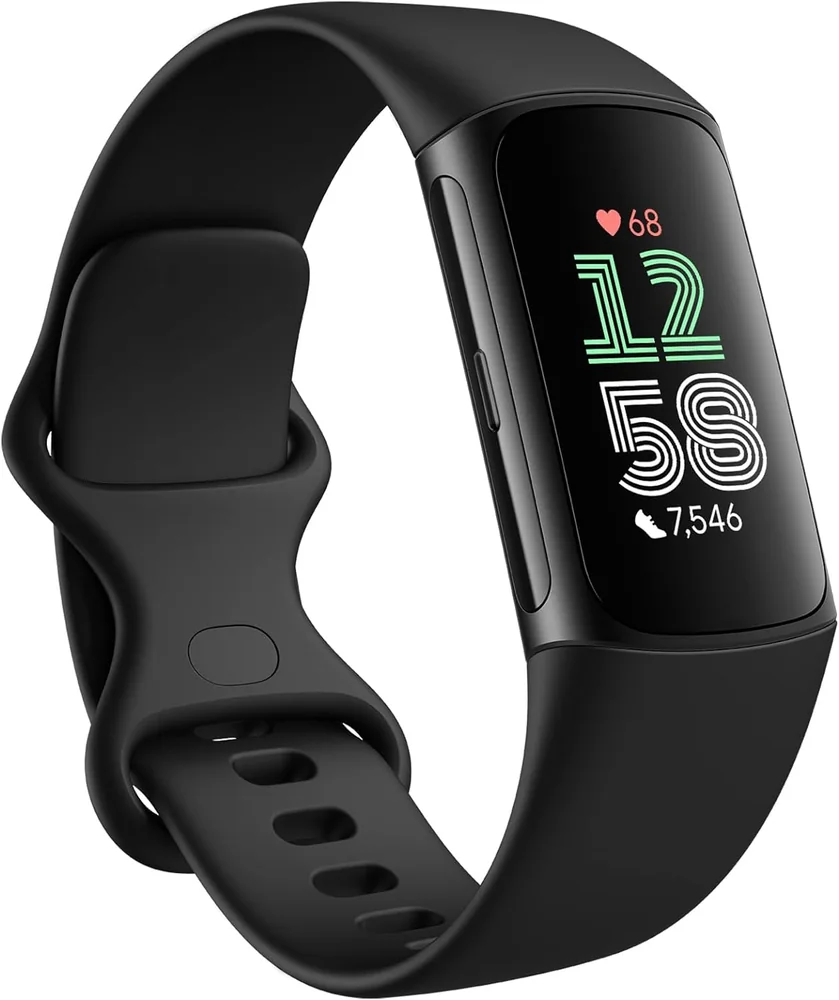
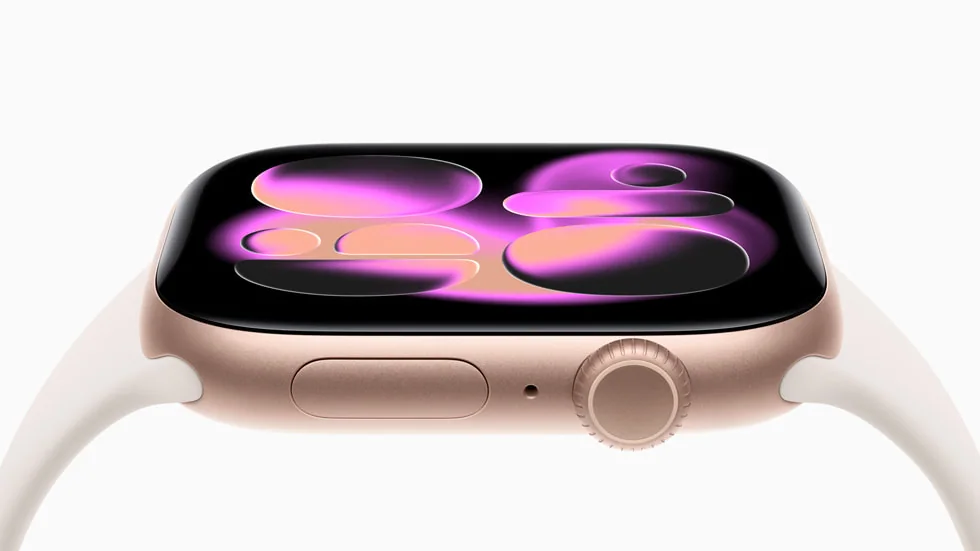
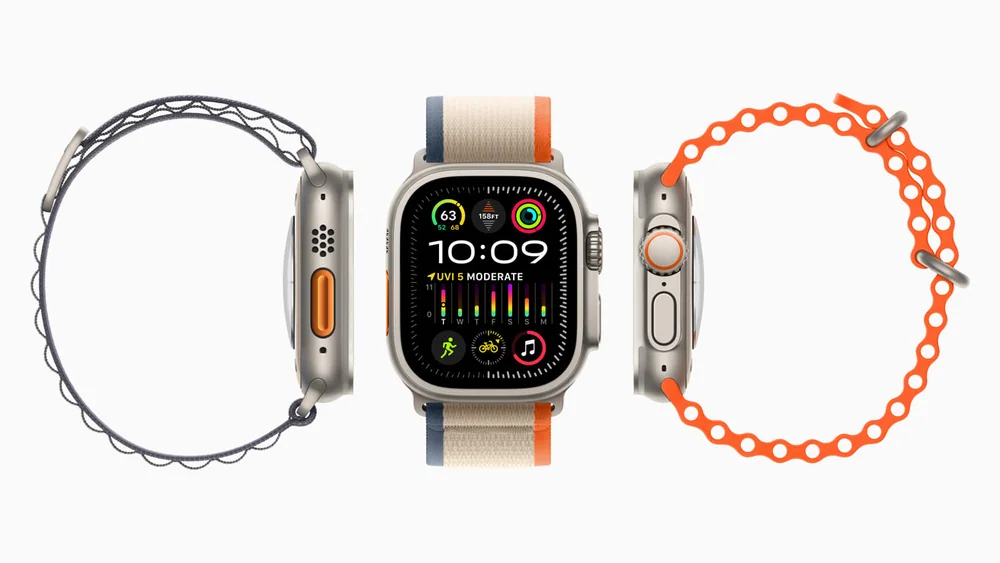
If the Garmin Forerunner 970 is more watch than you need, these are the cleaner alternatives depending on your priorities.
Garmin Forerunner 970 FAQ
Is the Garmin Forerunner 970 good for strength training?
It can be a good fit for lifters who also run or follow structured multi-sport plans. However, the strength-training specifics for this exact model are not well supported here, so do not buy it solely as a lifting watch without confirming it has the exact gym features you care about.
How long does the Garmin Forerunner 970 battery last?
Garmin states up to 15 days of battery life. Your real routine can change that, especially if you do lots of GPS workouts or use more screen-on features, but the point of this model is fewer charging interruptions than a typical smartwatch.
Who should buy the Garmin Forerunner 970 instead of an Apple Watch?
Buy the Forerunner 970 if training focus matters more than notifications and smartwatch convenience. If you want the best phone-like experience on your wrist, Apple Watch models tend to make more sense.
Is the Garmin Forerunner 970 overkill for casual runners?
It can be. The Forerunner 970 is aimed at runners who want deeper metrics and more analysis built into the watch. If you want a more approachable Garmin experience, Garmin Forerunner 265 is the simpler choice.
Are the Garmin Forerunner 970 recovery or readiness scores precise?
Treat them as pattern-spotters, not as a strict rule. These scores combine signals like sleep and recent training load, and they can be thrown off by travel, stress, illness, alcohol, or a bad sensor night.
Should you buy the Garmin Forerunner 970?
Buy the Garmin Forerunner 970 if you are a serious runner or structured athlete who wants a premium Garmin that leans hard into training analysis. The new running metrics and the stated up to 15 days of battery life are the two reasons it earns its higher-end spot.
Pass if you want a simpler, more everyday-friendly watch experience or if strength training is your main focus and you need very specific gym features. In that case, you will likely be happier with a more approachable Garmin like the Forerunner 265, or with a smartwatch that prioritizes notifications and daily convenience.