
Pickori

Fitness Watch advice

Heart rate zones on fitness watches explained in plain English

Heart rate zones turn a noisy wrist heart rate number into training guidance you can actually use.

Reading time: 9 minutesBest for: Anyone using heart rate to pace runs, rides, or cardio sessions
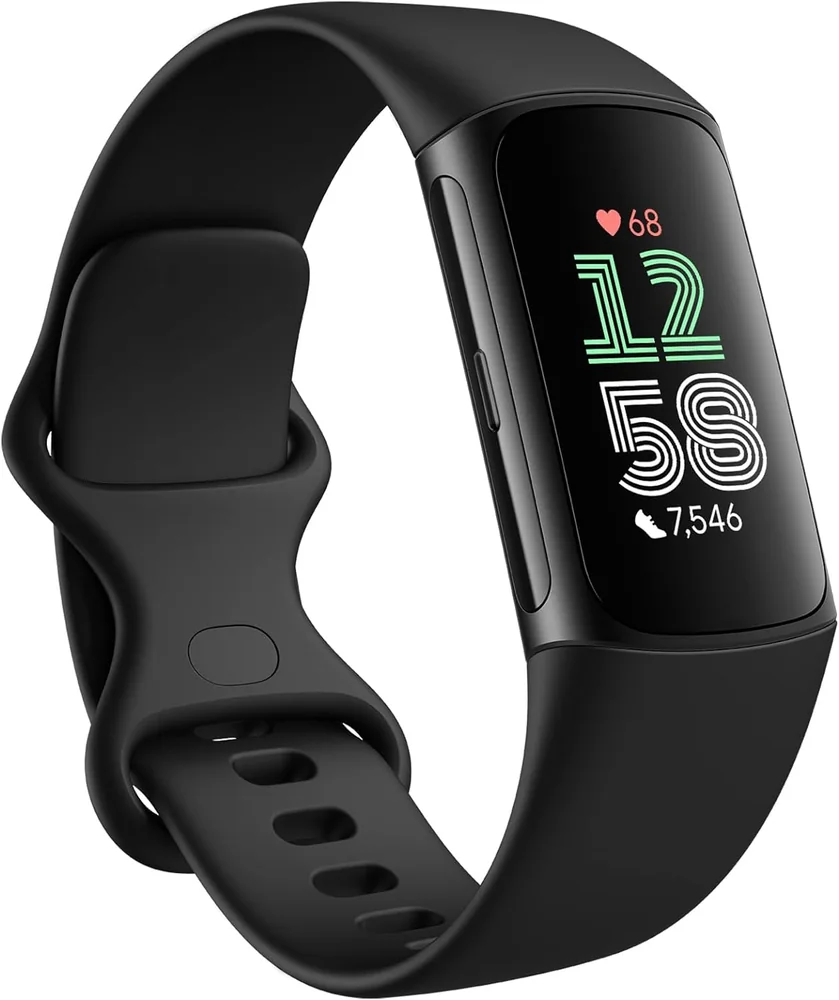
Fitbit Charge 6

What heart rate zones are (and what they are not)

A heart rate zone is a band of heart rates tied to intensity. Lower zones generally correspond to easier efforts you can sustain longer, while higher zones correspond to harder efforts you can only hold briefly. Watches typically show five zones, but the exact number is less important than having a clear "easy," "moderate," and "hard" separation. Zones help you avoid turning every workout into the same medium-hard grind. Zones are not a direct measure of fitness, and they are not the same as calories burned. Heart rate is influenced by heat, dehydration, caffeine, stress, sleep, and even whether you are standing or sitting. Two runs at the same pace can produce different heart rates on different days. Use zones to guide effort in the moment and to spot trends over time, not to judge a single workout as good or bad based on a few beats per minute.

How watches set zones: max HR, resting HR, and threshold

Most watches start with a predicted maximum heart rate (max HR), often based on age. Then they set zone cutoffs as percentages of that max. This is simple, but it can be wrong if your true max is higher or lower than the formula. Some watches also use resting heart rate (your heart rate at rest, usually measured during sleep) to create zones based on heart rate reserve. That approach can better reflect individual differences, but it still depends on accurate measurements. More training-focused watches may use a threshold concept. Threshold is the highest effort you can sustain for a prolonged period, often described as "comfortably hard." Zones based on threshold tend to line up better with endurance training because they anchor to a performance-related point, not just a theoretical max. If your watch offers threshold-based zones, it is usually worth setting up, but you should still validate it with how the efforts feel in real workouts.

Getting zones that match your body: practical ways to adjust

Start by checking whether your easy workouts feel easy in the watch's easy zone. An easy effort should allow conversation in full sentences for most people. If you are breathing hard and the watch insists you are in a low zone, your max HR might be set too high or your sensor might be under-reading. If you feel relaxed but the watch says you are in a high zone, your max HR might be set too low, or the watch might be over-reading due to poor contact. Fit matters. Wear the watch snug, about a finger's width above the wrist bone, so the sensor stays in contact during movement. For intervals and strength training, wrist readings can lag or spike. If your training depends on accurate zones for hard efforts, consider pairing a chest strap. A chest strap measures the heart's electrical signal and usually responds faster to intensity changes. Even if you stick with wrist heart rate, use lap averages and longer intervals to reduce the impact of moment-to-moment noise.

Using zones for different goals: easy days, intervals, and strength

For aerobic base and recovery days, zones are most useful as a ceiling. Pick an easy zone and treat it as "do not cross," even if that means slowing down or walking hills. This keeps easy days easy, which supports consistency and lets hard days be truly hard. For tempo or steady-state work, aim for a zone you can hold without fading. If you are constantly bouncing between zones, your pace is probably too aggressive or your route is too stop-and-go for heart rate guidance. For intervals, heart rate zones are less precise because heart rate lags behind effort. Short repeats can end before heart rate catches up. In that case, use pace, power (if you have it), or time as the main target, and use heart rate as a secondary check for how hard the session was overall. For strength training, zones are often misleading. Lifting creates spikes from bracing and short bursts, and the watch may miss peaks. Use the watch for timing sets and rest, and treat heart rate as a rough indicator of overall session stress, not a rep-by-rep score.

What this guide helps you understand

Set heart rate zones that match your real effort so you can keep easy days easy and hard days purposeful.

In your watch settings, confirm how zones are calculated (percent of max HR, heart rate reserve, or threshold) and adjust max HR or threshold if the zone labels do not match how the effort feels.

Technique notes

If your watch offers both "instant" and "average" heart rate views, use average during steady workouts. Instant readings are more likely to distract you with normal sensor noise.

Safety note: If you feel chest pain, dizziness, or unusual shortness of breath during exercise, stop and seek medical care. Do not use zone targets to push through warning signs.

More from Fitness Watches

← Back to Fitness Watches