
What to know first
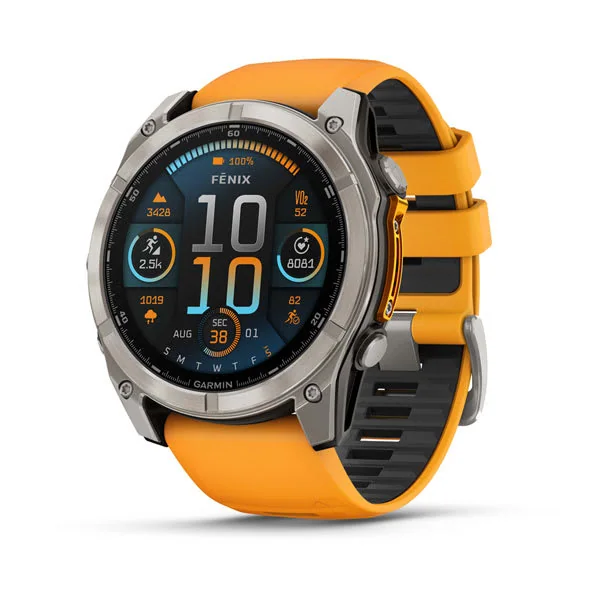
- This is a premium multisport GPS watch with solar charging and a sapphire lens aimed at heavy training and outdoor use.
- TopoActive maps and turn guidance work without cell service, which matters for hiking and travel.
- Multi band GNSS is built in, plus SatIQ can adjust satellite mode to balance accuracy and battery.
- It is big (51 mm in this Solar Sapphire version), and that size is part of why it can run longer and show more data.
- Solar helps most when the watch gets real light exposure. Plan on charging it.
What the Garmin fenix 8 Solar Sapphire is
The Garmin fenix 8 Solar Sapphire is a high end multisport GPS smartwatch for people who train and spend time outdoors. It is designed to track a long list of activities (running, cycling, swimming, hiking, and more) while also handling navigation, daily health metrics, and smartwatch basics like notifications and tools such as alarms and timers.
The “Solar Sapphire” part matters. You are getting a solar charging lens paired with sapphire crystal for scratch resistance, plus a titanium bezel. In plain terms: it is meant to live on your wrist through sweat, rain, brush, and the occasional bump against rock or gym equipment.
This specific product is the 51 mm size, which is the largest case option mentioned for the fenix 8 line in the supplied sources. That size is not just about looks. It usually means more screen real estate and more room for battery, which is exactly what this model is trying to deliver.
Why it stands out
The fenix 8 Solar Sapphire is a navigation watch first, then a smartwatch. It supports on wrist mapping with preloaded TopoActive maps (on sapphire models) and turn guidance, so you can navigate without pulling out your phone or relying on cell service. If you hike unfamiliar routes, that changes how often you stop, how confidently you take a junction, and how quickly you can sanity check what is ahead.
For location accuracy, it supports multi band GNSS and Garmin’s SatIQ, which can choose satellite modes based on conditions. The practical benefit is more reliable pace and distance when you are under trees or between tall terrain, without forcing you to manually babysit settings every time you start an activity.
Battery is a core reason to pay for this watch. Garmin rates the 47 mm Solar model at 67 hours of GPS only use (up to 92 with solar) and 37 hours in multi band mode (up to 43 with solar). Your results depend on how much sunlight the watch actually gets, but the point is clear: this line is built for long GPS days and long stretches between charges.
It also brings Garmin’s training and planning tools, including PacePro and ClimbPro. If you train for long events or spend time in hilly terrain, those features are about pacing and managing effort, not just collecting data after the fact.
What it is like to own
Expect a watch that can do a lot, but asks you to learn it. The fenix 8 line supports both touchscreen interaction and physical buttons. Touch is handy for panning around maps quickly, while buttons are what you will want when your hands are sweaty, it is raining, or you are wearing gloves.
Charging is not USB C. Garmin uses a proprietary charging cable. That is fine at home, but it is one more cable to pack for travel and one more thing to replace if it goes missing.
If you are buying the Solar Sapphire version specifically, you are also buying into the idea that outdoor time helps your battery. In real life, solar works as a buffer. It can stretch the time between charges on bright days, but it will not carry you through shaded forests, winter light, or indoor training blocks.
Day to day, this is not a “set it and forget it” fashion watch. It is a serious tool watch. If you like seeing lots of metrics, customizing data screens, and having a watch that can follow you from gym to trail to travel, it fits. If you want something that disappears on your wrist, it probably will not.
What to know before you buy
Size is the first reality check. This Solar Sapphire listing is 51 mm, which is a large case. If you have a smaller wrist or you want a watch that looks understated with work clothes, you may find it bulky. Garmin’s own lineup includes smaller and more lifestyle oriented options, and they can be a better match if comfort and subtlety come first.
Solar claims need context. Garmin’s “up to” battery numbers assume meaningful light exposure. If your workouts are early mornings, shaded trails, or mostly indoors, you should still buy this watch for its baseline battery and features, not because you expect solar to do the whole job.
Finally, do not buy this watch for calorie precision or a single readiness number. Like all wrist wearables, those are estimates built from heart rate and trend data. They are useful for comparing your own weeks over time, not as a strict truth meter.
The specs that matter
A 51 mm case is physically large. It is easier to read at a glance and can support longer battery life, but it can feel bulky on smaller wrists and look less office friendly.
Sapphire is chosen for scratch resistance, which matters when you wear a watch through brush, rock, and daily knocks. Solar can extend time between charges, but it depends on real light exposure.
Titanium is used for durability at a premium weight. On a watch meant for outdoor use, the bezel takes hits first.
10 ATM is the kind of rating that fits swimming and heavy rain. The added depth sensor and dive activities are for people who actually want the watch to cross over into recreational diving.
Multi band positioning is most noticeable when conditions are hard: tree cover, canyons, and dense areas. SatIQ can help balance accuracy and battery without constant manual switching.
Full maps on your wrist let you navigate without pulling out your phone. It is a real upgrade over breadcrumb only navigation when you are choosing between junctions or trying to understand what is ahead.
Even if you do not hit the solar maximum, these numbers show what the fenix line is built for: long GPS days and fewer charging interruptions during heavy training weeks or multi day trips.
Who this product fits
You hike unfamiliar routes and want to leave your phone in your pocket
Garmin fenix 8 Solar Sapphire gives you topo maps and turn guidance on the wrist, so you can check the next junction, confirm you are on route, and keep moving without relying on cell service.
You train for long events and want pacing help on hilly courses
With tools like PacePro and ClimbPro, the watch is built to help you manage effort during the workout, not just review a chart afterward.
You do long trail runs under trees and hate messy GPS tracks
Multi band GNSS is designed for tougher reception conditions. It is the feature that matters when you care about cleaner splits and more believable pace on trails.
You want one rugged watch that covers training, travel, and water time
Between the durable materials, 10 ATM rating, and the fenix 8 line’s dive features, this is meant to stay on your wrist through a lot of environments, not just the gym.
What else to compare
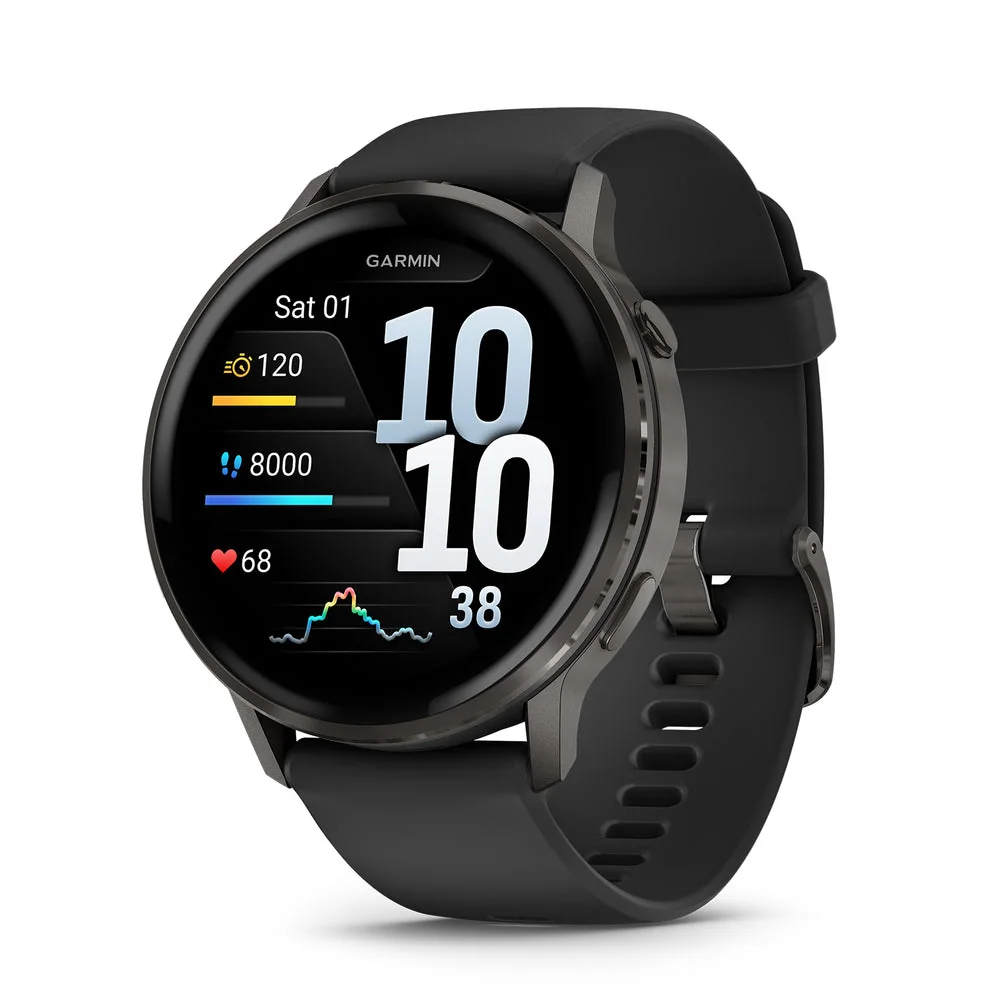
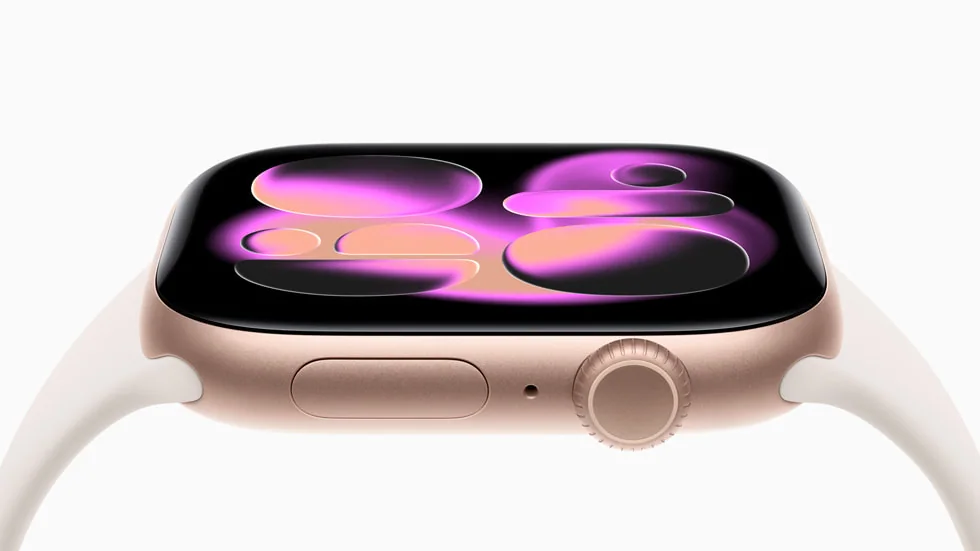
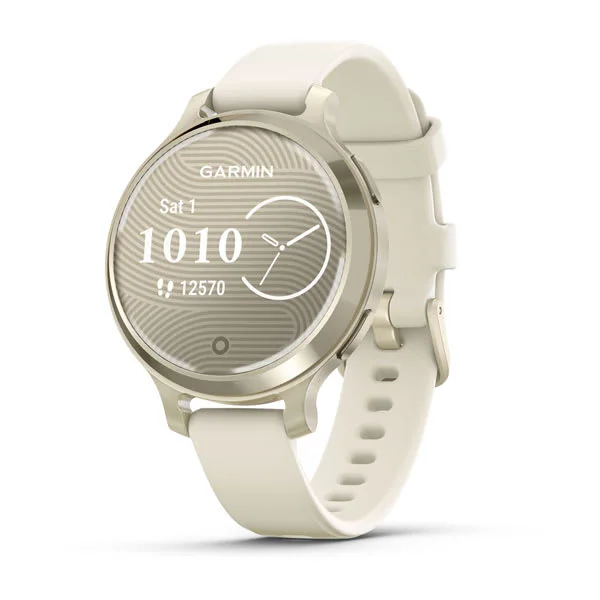
If you like Garmin’s tracking but want something smaller or more everyday, there are better fits in the lineup.
Garmin fenix 8 Solar Sapphire FAQ
Is the Garmin fenix 8 Solar Sapphire too big for small wrists?
This version is 51 mm, which is a large case. If you prefer a watch that feels subtle or lightweight, you will probably be happier with a smaller, more lifestyle oriented model rather than forcing a tool watch to be something it is not.
Does the solar charging mean you never have to charge it?
No. Solar can extend battery life when the watch gets enough light. If most of your time is in shade, winter conditions, or indoors, plan on charging it regularly.
Can the Garmin fenix 8 Solar Sapphire navigate without cell service?
Yes. It supports on wrist mapping and turn guidance, and those features are meant to work without a cellular connection. That is one of the main reasons people buy a fenix instead of a simpler fitness watch.
What is multi band GNSS and do I need it?
Multi band GNSS uses more satellite signals to improve positioning in difficult conditions like tree cover and canyons. If you mostly run in open areas or only care about general distance, you may not need it. If you care about reliable pace and cleaner tracks on trails, it is worth having.
Is the Garmin fenix 8 Solar Sapphire good for swimming or diving?
It is rated to 10 ATM for water resistance, and the fenix 8 line includes dive features with a depth sensor (except the fenix E). That makes it a better match for water heavy training than watches that are only meant for splashes and showers.
Should you buy the Garmin fenix 8 Solar Sapphire?
Buy the Garmin fenix 8 Solar Sapphire if you want a rugged, long lasting training and navigation watch and you will actually use the big features: mapping, multi band GNSS, and the deeper performance tools. It is built for endurance athletes and outdoor people who want one device that can handle long GPS days and rough conditions.
Skip it if your priority is comfort, a smaller case, or a simpler daily smartwatch feel. Garmin makes more wearable options for everyday fitness tracking. The fenix 8 Solar Sapphire makes the most sense when you want a wrist mounted navigation and training tool, not just a step counter with notifications.