
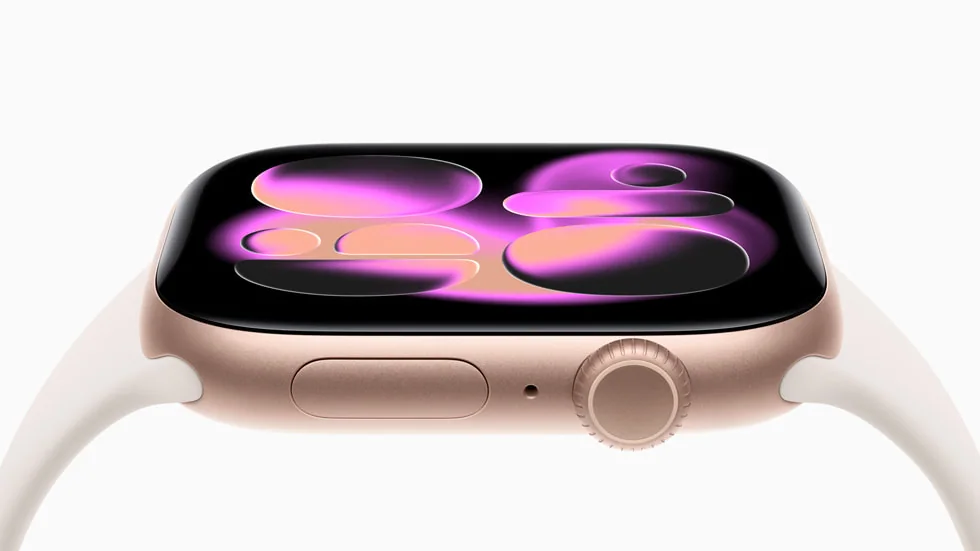
What to know first
- Current generation Series model (released September 19, 2025).
- Cellular models add 5G support (RedCap for 5G plus LTE).
- Apple rates battery life at up to 24 hours in normal use, up to 38 hours in Low Power Mode, and supports fast charging.
- Aluminum models use Ion X front glass with a claimed 2x scratch resistance versus Series 10. Titanium models use sapphire front crystal.
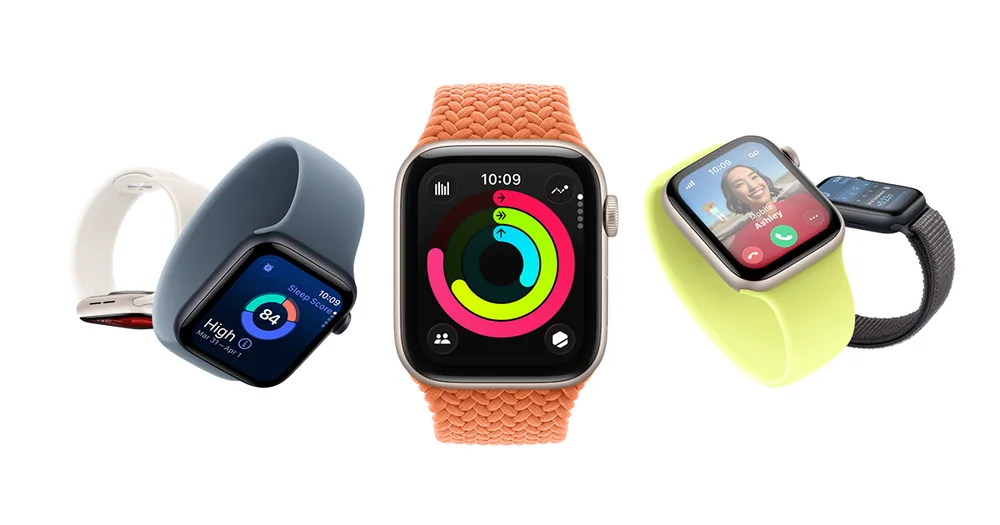
- Health features include ECG, blood oxygen, sleep tracking with sleep stages and a sleep score, sleep apnea notifications, and hypertension notifications.
- Water resistance is WR 50m (swimproof) and dust resistance is IP6X.
What the Apple Watch Series 11 is
Apple Watch Series 11 is Apple’s mainstream smartwatch for people who want fitness tracking and everyday phone like features on their wrist. It is built to work with iPhone, runs watchOS, and supports Apple’s ecosystem features like Apple Pay and the App Store on the watch.
As a fitness watch, it covers the stuff most people actually use: built in GPS for outdoor workouts, heart rate tracking, lots of workout types (including running, cycling, swimming, strength training, yoga, and HIIT), and training focused views like heart rate zones and training load. It also includes sensors that support deeper health tracking, like an electrical heart sensor for ECG and a temperature sensor for overnight wrist temperature.
Series 11 comes in two case sizes (42mm and 46mm) and two main case materials (aluminum or titanium). The aluminum version is the one most shoppers will consider first. Titanium is the premium option if you want a different finish and a sapphire front crystal.
Why it stands out
The biggest reason to buy Apple Watch Series 11 is simple: if you use an iPhone, nothing else feels as seamless for notifications, calls, messages, and apps while still being a serious fitness tracker. It is the watch that lets you leave your phone behind more often, especially if you choose GPS + Cellular.
This generation’s upgrades are the kind you notice in real life. Cellular models support 5G (RedCap) in addition to LTE, which is meant to make on the go tasks like downloading music, podcasts, and apps feel faster when your iPhone is not with you. Apple also redesigned the cellular antenna to cover more bands and improve reception in weak coverage areas.
Durability is another practical improvement. On aluminum models, Apple uses Ion X front glass with a claimed 2x scratch resistance compared with Series 10. If your watch face is always catching door frames, gym equipment, or the edge of a desk, that is the sort of upgrade that can keep your watch looking nicer longer.
On the health side, Series 11 adds sleep score and hypertension notifications to an already deep set of features. The important thing to understand is that these are trend and notification tools, not a replacement for medical devices. Hypertension notifications, for example, are based on patterns over 30 day periods using optical sensor data. That is useful for nudging you to pay attention and follow up, not for giving you a one time blood pressure reading.
What it is like to own
Series 11 is designed for all day wear. Apple calls it its thinnest smartwatch, and the point is comfort: you can keep it on through work, workouts, errands, and sleep without feeling like you need to take it off the second you get home. That matters because features like sleep score, sleep apnea notifications, and the Vitals app depend on consistent overnight wear.
Battery life is improved versus the prior generation according to third party lab style measurements, and Apple rates it at up to 24 hours of normal use. In plain terms, it is still a daily charger for many people, but it is less of a constant battery anxiety watch than older models. If you are trying to wear it to bed, fast charging helps: Apple says 15 minutes can deliver up to 8 hours of normal use, and 5 minutes can provide up to 8 hours of sleep tracking.
Controls are a mix of the Digital Crown, a side button, and gesture support (including double tap and wrist flick). That is handy when you are mid workout, carrying groceries, or just do not want to poke at a small screen with sweaty fingers.
For workouts, built in GPS plus support for multiple satellite systems (Apple lists GPS plus GLONASS, Galileo, QZSS, and BeiDou) helps with pace and distance tracking. Like any wrist based watch, heart rate accuracy can depend on fit and strap tension, especially during intervals or lifting. If you want better readings, wearing it snugly and a bit higher on the wrist usually helps.
What to know before you buy
Apple Watch Series 11 is iPhone only. If you are on Android, it is not a maybe. It is the wrong product. You will want a Wear OS watch or a fitness watch that pairs well with Android instead.
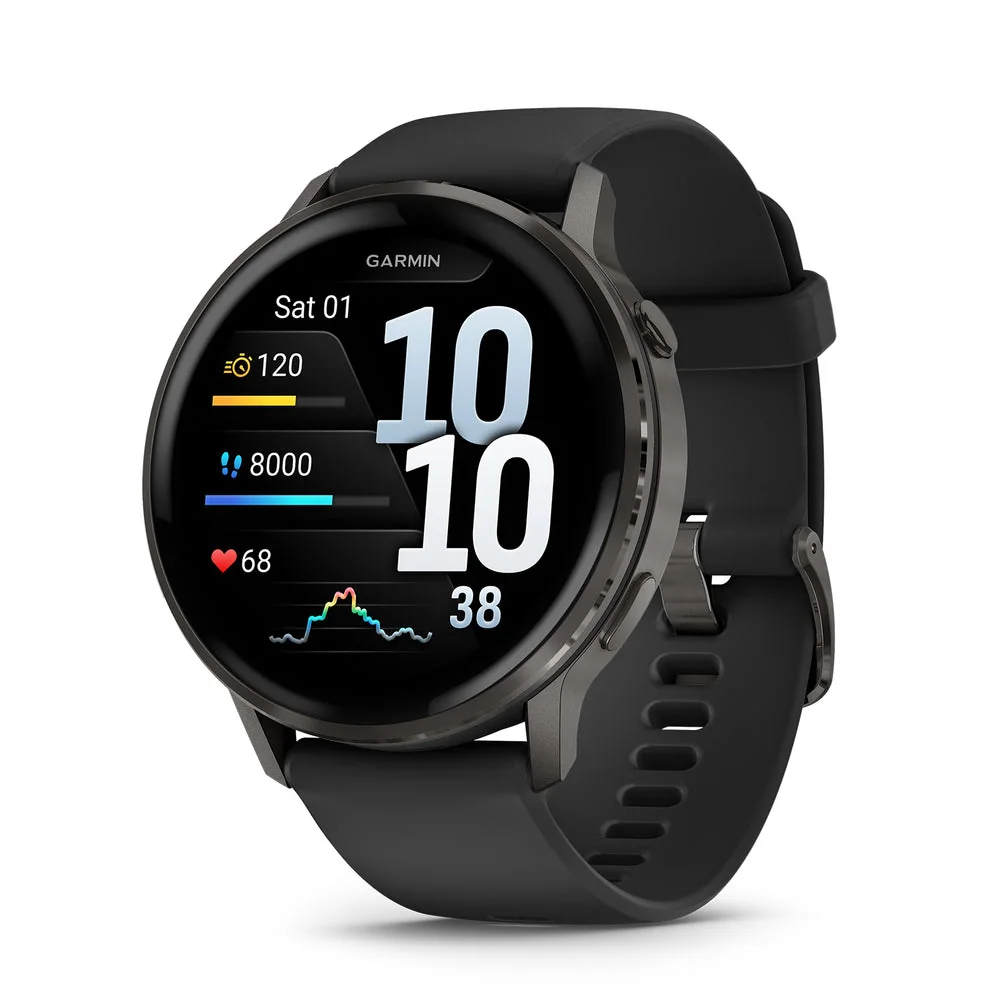
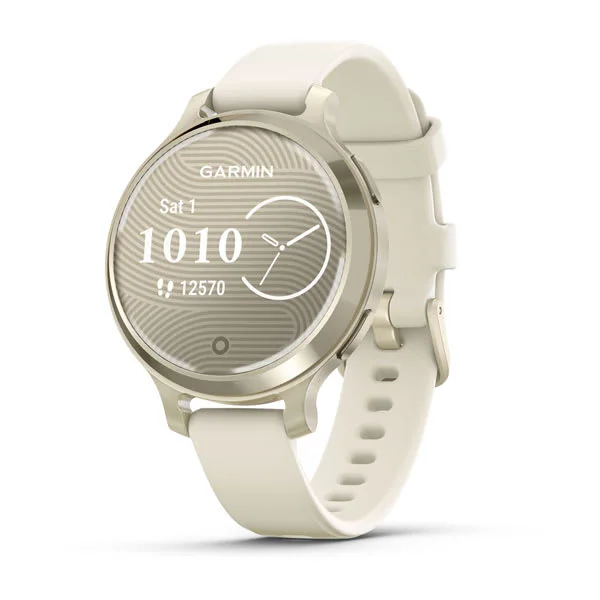
Do not buy Series 11 expecting week long battery life. Apple rates it at up to 24 hours in normal use (and up to 38 hours in Low Power Mode). That is workable for most routines, but it still means you need a charging habit. If you know you will not keep up with that, a Garmin style watch is often a better fit.
Some of the headline features require the right expectations and consistency. Sleep stages and sleep score are inferred from movement and heart rate patterns. They are best used for your own trends over time. Hypertension notifications are based on patterns over 30 day periods, so it is not an instant feature you buy today and fully benefit from tomorrow.
The specs that matter
Size affects comfort, readability, and how the watch looks on your wrist. If you want a less bulky feel for sleep, the smaller size is usually easier to wear.
This tells you whether you can realistically wear it overnight for sleep tracking without constantly juggling charging. It is still a frequent charger, but it is more doable for day and night wear than older Apple Watches.
Fast charging is what makes overnight wear practical. You can top it off while showering or getting ready and still have enough battery for sleep tracking.
You can swim and train in heavy rain without babying it, and dust resistance helps if you are outdoors a lot or you work in dusty environments.
Always on makes it easier to glance at pace, heart rate, or notifications mid workout. The tougher cover glass is a real quality of life upgrade if you tend to scratch watch faces.
More satellite system support can mean more reliable tracking when conditions are not perfect, like tree cover, neighborhoods with tall buildings, or winding routes.
This is where Series 11 earns its price for health focused shoppers. You get more than steps and calories. You get ongoing trends and notifications that can help you notice patterns and decide when to follow up.
Who this product fits
You want to run without your phone
With built in GPS, you can track outdoor runs with pace and distance. If you choose GPS + Cellular and add a plan, you can still handle calls and messages when your iPhone is not with you, and Series 11 adds 5G support on those cellular models.
You are trying to take sleep seriously
Series 11 is built for overnight wear and adds a sleep score on top of sleep stages. Pair that with fast charging and it becomes easier to keep the watch on at night without sacrificing daytime battery.
You want a health watch that does not feel medical
You can check ECG from your wrist, take blood oxygen readings, and get notifications for things like irregular rhythm, sleep apnea, and possible hypertension patterns. It is still a smartwatch first, so it fits into daily life without feeling like a dedicated health device.
You keep scratching watch faces
If you buy the aluminum Series 11, Apple’s updated Ion X front glass is designed to be more scratch resistant than the prior generation. If you want the most premium cover material, the titanium models use sapphire front crystal.
What else to compare
If Series 11 is not the right fit, these are the most sensible directions to go instead.
Apple Watch Series 11 FAQ
Is Apple Watch Series 11 good for fitness tracking?
Yes. It supports a wide range of workout types, built in GPS for outdoor tracking, and heart rate based metrics like heart rate zones and training load. It also includes swim support with WR 50m water resistance.
Can Apple Watch Series 11 work without an iPhone?
It is designed for iPhone compatibility. You can do more away from your phone if you choose a GPS + Cellular model with a cellular plan, but you still need an iPhone for setup and full use.
Does Apple Watch Series 11 have 5G?
Yes, on specific GPS + Cellular models. Apple lists support for RedCap for 5G along with LTE, which is meant to improve on the go performance when you are using cellular.
How long does the Apple Watch Series 11 battery last?
Apple rates it at up to 24 hours of normal use and up to 38 hours in Low Power Mode. It also supports fast charging, including up to 80% in about 30 minutes.
Is Apple Watch Series 11 swimproof?
It is rated WR 50m (swimproof) and includes pool and open water swim workout support. It also has an IP6X dust resistance rating.
What is the difference between aluminum and titanium Apple Watch Series 11 models?
Both sizes share the same core platform, but the materials differ. Aluminum models use Ion X front glass with Apple’s claimed 2x scratch resistance versus Series 10, while titanium models use a sapphire front crystal and have different finish options.
Should you buy the Apple Watch Series 11?
Buy Apple Watch Series 11 if you have an iPhone and you want one device that covers workouts, health tracking, and everyday smartwatch life without fuss. The combination of deep health features, strong workout support, and Apple’s tight iPhone integration is still the main reason it wins for most people.
If you are upgrading from a recent Apple Watch, Series 11 makes the most sense when the practical upgrades matter to you: better battery life, 5G on cellular models, and a tougher screen on aluminum. If your bigger goal is multi day battery life or you are not in the iPhone ecosystem, you will be happier with a different style of fitness watch.