
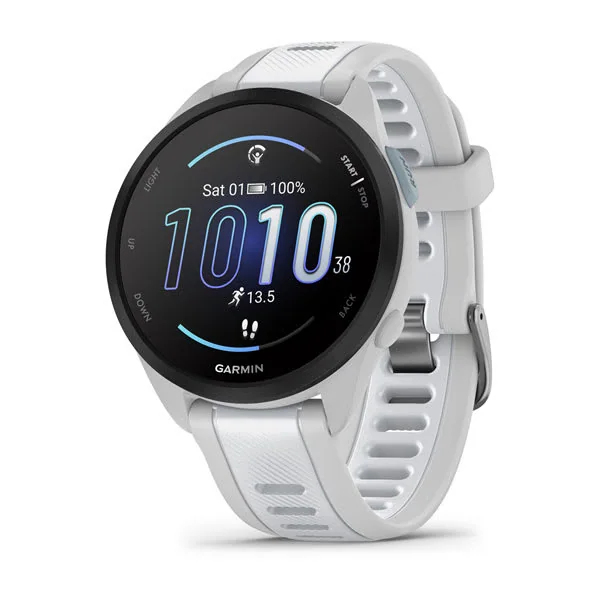
What to know first
- The Garmin Forerunner 165 is a running-first GPS watch with an AMOLED touchscreen.
- It’s built around structured training and running metrics like cadence feedback and running power readings.
- GPS signal acquisition can be slower than some competing running watches.
- The standard Forerunner 165 skips built-in music storage. There’s a Forerunner 165 Music version if you want music on the watch.
- It is a water-resistant sport watch for active use.
What the Garmin Forerunner 165 is
The Garmin Forerunner 165 is a GPS running watch built for people who want their watch to act like a training tool first. It tracks runs with GPS, uses an optical heart rate sensor on the back of the watch, and surfaces running-specific metrics that go beyond just time and distance.
The big day-to-day difference versus a basic fitness tracker is that you can run without your phone and still get pace, distance, and a mapped workout. And the big difference versus a full smartwatch is that the Forerunner 165 is more utilitarian. It’s designed around workouts, training plans, and performance trends, not around loading up your wrist with apps.
One of the headline upgrades for this model is the AMOLED touchscreen. In plain terms, that means a bright, modern-looking display that makes it easier to read stats at a glance and navigate menus compared with older, more stripped-down running watches.
Why it stands out
The Garmin Forerunner 165 hits a sweet spot for runners who want serious training features without moving up to pricier models. You get advanced run-tracking metrics that matter when you’re trying to improve, including cadence feedback and running power readings. Those are the kinds of numbers that help you run more consistently, pace efforts, and spot when you’re pushing too hard early in a workout.
The AMOLED touchscreen is a real quality-of-life upgrade. It makes the watch feel less like a piece of gym equipment and more like something you’ll actually want to wear all day. If you’ve avoided running watches because they look and feel dated, this is Garmin meeting you halfway.
It’s also a practical choice for outdoor workouts where water exposure is part of life. You can wear it for active use in wet conditions without babying it, which is exactly what most runners and outdoor trainers need.
What it is like to own
In daily use, the Garmin Forerunner 165 is built around a simple rhythm: start a workout, get your key stats on the screen, then review the details later in Garmin’s ecosystem. If you like structured training, this kind of watch tends to keep you more consistent because it’s always ready to record a run with the same set of metrics.
One ownership detail to plan around is GPS lock time. The Forerunner 165 can take longer to acquire a GPS signal than some competitors. If you often start runs in a hurry, you may find yourself waiting around at the curb for the watch to be ready.
Music is the other day-to-day decision. The standard Forerunner 165 does not include built-in music storage, so it’s not the right version if you want to leave your phone at home and still listen from the watch. Garmin sells a Forerunner 165 Music version for that use case.
For sleep and recovery features, keep your expectations grounded. Watches infer sleep stages from movement and heart rate patterns. The most useful part is usually the trend over time, not whether last night had a perfectly accurate breakdown of stages.
What to know before you buy
If you’re choosing between the Garmin Forerunner 165 and a more smartwatch-like option, be honest about what you want on your wrist. The Forerunner 165 is a sport watch. It’s great when your priority is training and outdoor workouts, but it can feel plain if you want lots of apps and phone-like features.
Don’t buy the standard model assuming you can add music later. The standard Garmin Forerunner 165 lacks built-in music storage. If music matters, start with the Garmin Forerunner 165 Music version.
Also, remember what wrist sensors can and cannot do. Optical heart rate is very useful for tracking your own effort and trends, but fit matters. If the watch is loose or sliding around, readings can get noisy, especially during intervals or strength training.
The specs that matter
AMOLED screens are bright and easy to read, which helps when you’re checking pace or heart rate mid-run. The touchscreen also makes the watch feel more modern for everyday wear.
Built-in GPS lets you track runs without carrying your phone. The slower lock time matters if you want to start a workout immediately, especially in busy areas where you’re standing still waiting for a signal.
This is what powers heart-rate-based effort tracking and influences calorie estimates and recovery-style insights. A snug, stable fit improves readings, especially when your intensity changes quickly.
Cadence helps you keep a steady rhythm, and running power can help you pace efforts more consistently. These are useful when you’re following a plan or trying to avoid going out too fast.
If you want phone-free runs with audio from the watch, you need the Music version. Otherwise, plan to bring your phone for music.
This is the difference between a watch you worry about in heavy rain and one you can wear through sweaty workouts and wet conditions without overthinking it.
Who this product fits
You’re training for your first half marathon
The Garmin Forerunner 165 gives you GPS pace and distance plus runner-focused metrics like cadence feedback and running power readings, which are the kinds of tools that help you pace long runs and stick to a plan.
You want to run without your phone
With built-in GPS, the Garmin Forerunner 165 can record your route and pace from your wrist. If you also want music without your phone, choose the Forerunner 165 Music version instead of the standard model.
You run outdoors year-round, including in wet weather
The Garmin Forerunner 165 is built as a sport watch that can handle water exposure during active use, so you can keep it on for rainy runs and sweaty training without treating it like fragile tech.
What else to compare
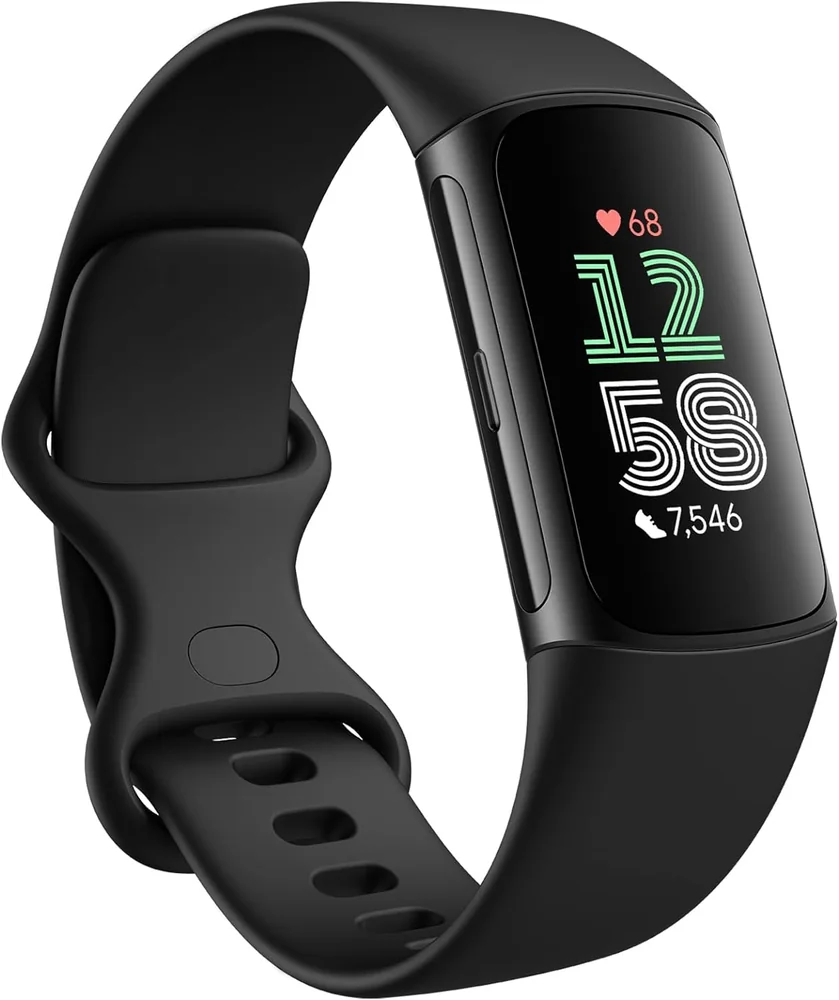
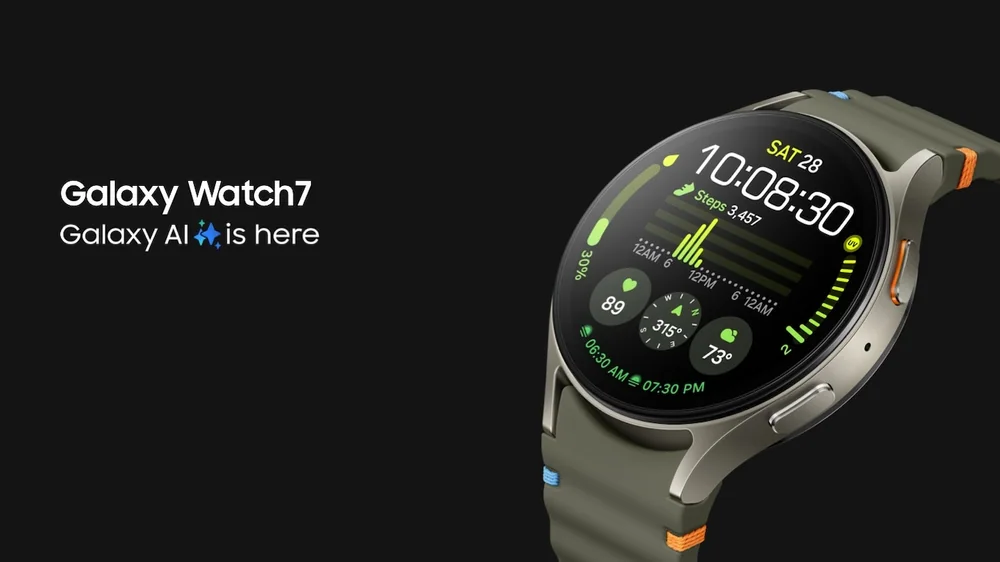
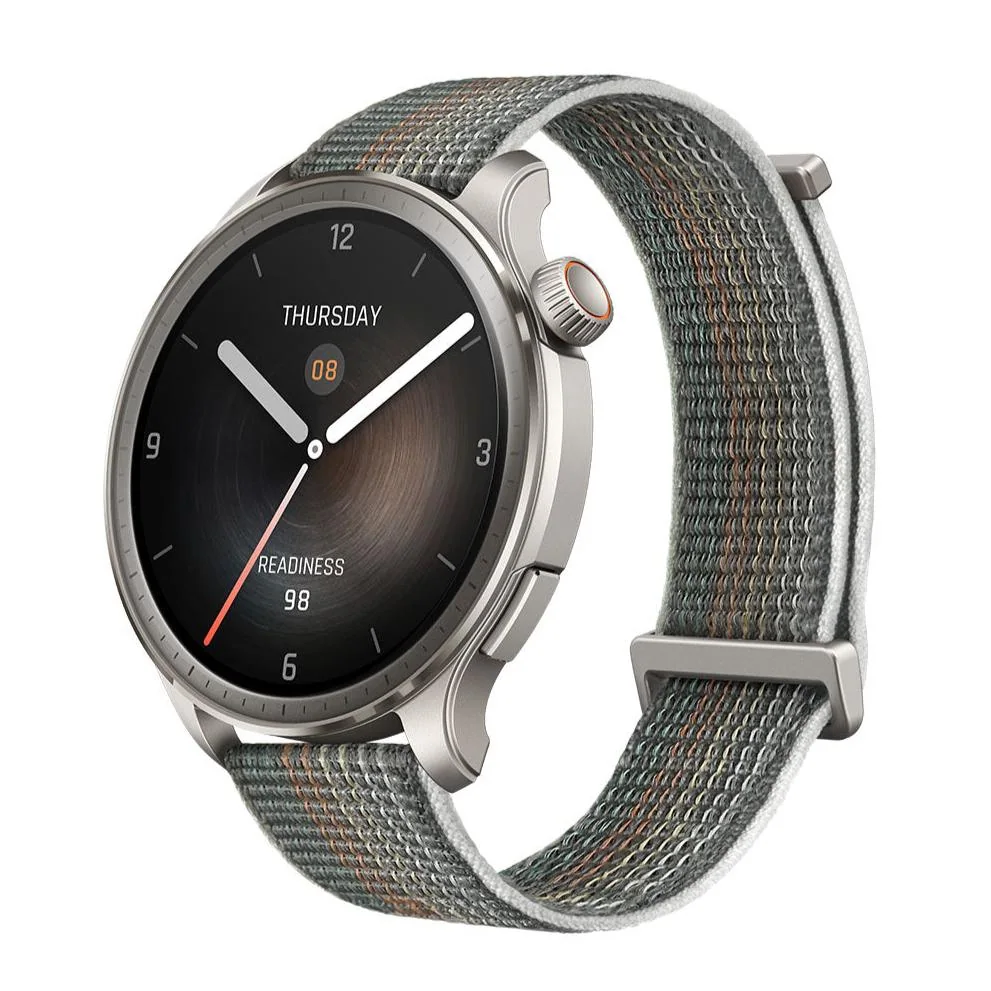
If you like the idea of the Garmin Forerunner 165 but your priorities are different, these are the more sensible directions to go.
Garmin Forerunner 165 FAQ
Is the Garmin Forerunner 165 good for runners?
Yes. It’s designed around running and structured training, with built-in GPS and runner-focused metrics like cadence feedback and running power readings. It’s a better fit for training than a general-purpose fitness band.
Does the Garmin Forerunner 165 have music storage?
Not on the standard model. If you want music on the watch, Garmin sells a Garmin Forerunner 165 Music version with music capabilities.
How fast does the Garmin Forerunner 165 lock onto GPS?
It can take longer to acquire a GPS signal than some competing running watches. If you often start runs in a hurry, that wait can be a real annoyance.
Is the Garmin Forerunner 165 more of a smartwatch or a sport watch?
It’s a sport watch first. The AMOLED touchscreen makes it feel more smartwatch-like day to day, but the core value is training tools and outdoor workout tracking rather than a deep app ecosystem.
How should I think about calorie burn and recovery-style scores on the Garmin Forerunner 165?
Treat calorie numbers and readiness-style insights as trend tools, not precise measurements. They’re driven by heart rate and your profile stats, and they’re most useful for comparing your own workouts and weeks over time.
Should you buy the Garmin Forerunner 165?
Buy the Garmin Forerunner 165 if you want a running watch that makes training easier to stick with. The combination of built-in GPS, an AMOLED touchscreen, and runner-specific metrics like cadence feedback and running power readings is exactly what most runners need to get more structured without buying a high-end model.
Skip it if you want a true smartwatch experience or if music on the watch is non-negotiable and you’re looking at the standard version. In that case, either step up to the Garmin Forerunner 165 Music or choose a more app-forward smartwatch that matches how you actually use your wrist tech.