
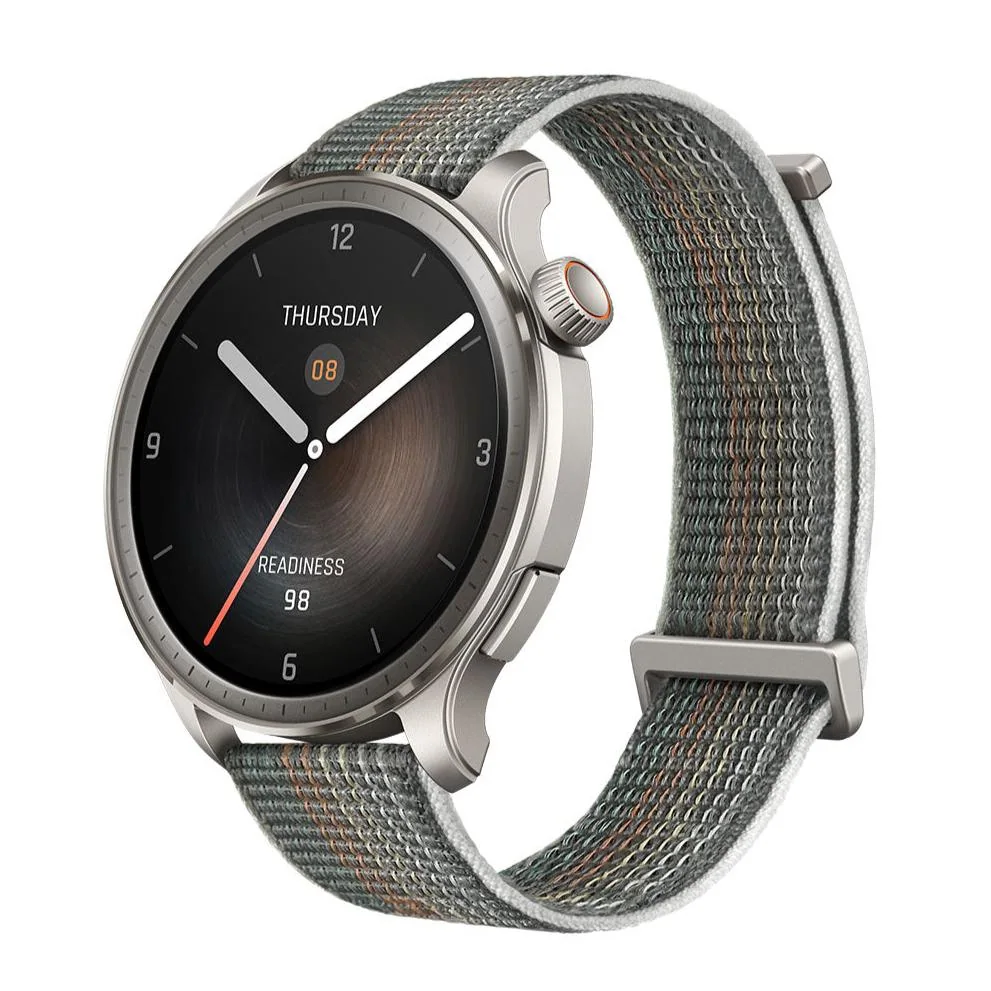
What to know first
- Amazfit Balance is best understood as a budget-friendly smartwatch with broad workout coverage.
- Battery life is a major reason people consider it, since frequent charging is what makes many watches fall out of rotation.
- It’s a better general fitness watch than a strength-training-first choice based on the evidence available here.
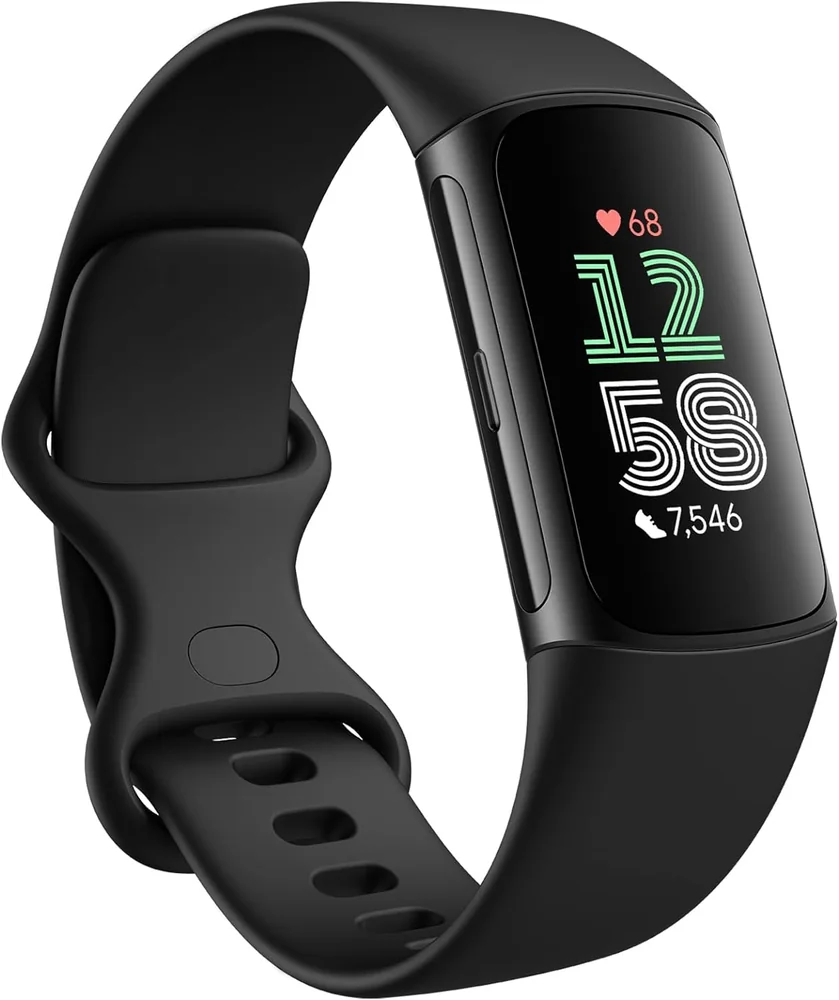
- If you want the most established all-around buy under a tight cap, Fitbit Charge 6 is the safer direction.
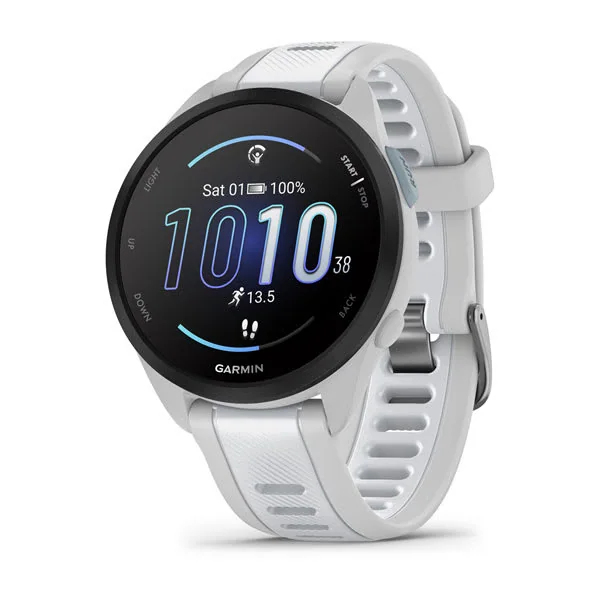
- If you care most about pace, distance, and training tools for running, a Garmin running watch is the more straightforward fit.
What the Amazfit Balance is
The Amazfit Balance is a fitness watch that leans smartwatch. The point is to give you everyday health and wellness tracking, plus a wide menu of workout tracking, without paying for a high-end Apple, Samsung, or Garmin watch.
In daily life, this category of watch is about consistency. You wear it most of the day and night, it tracks activity and workouts, and it builds trends over time. That only works if the watch is comfortable enough to keep on and the battery lasts long enough that charging doesn’t become a constant chore.
Amazfit Balance is positioned for shoppers who want the basics covered, want the watch to feel more capable than a simple tracker band, and care about stretching their budget.
Why it stands out
The main reason to consider Amazfit Balance is value. It’s aimed at people who want smartwatch features and broad workout tracking without paying flagship money. If you’re shopping under a hard budget cap, it’s one of the options that tries to feel like a real watch rather than a minimal band.
Battery life is also part of the appeal. In real life, longer battery life is not just convenience. It’s what keeps you wearing the watch through sleep tracking, workouts, and normal days without breaking the habit every day or two for charging.
Where I’m more cautious is strength training. The record here doesn’t give a strong, product-specific case that Amazfit Balance is the safest pick if lifting is your main focus. If you want a watch primarily for gym work, I’d rather you buy something with a clearer performance story for that use.
What it is like to own
Amazfit Balance is meant to be worn as an all-day tracker, not just something you put on for workouts. That matters because features like readiness or recovery style scores (when a watch offers them) depend on consistent wear, especially overnight.
For workouts, the practical promise is simple: you can track a wide range of activities from your wrist, then look back at your sessions and trends. For most people, the most useful part is comparing your own workouts over time, not chasing a perfectly precise calorie number.
For heart rate, this watch uses an optical sensor on the back. That’s standard for wrist wearables. In practice, fit matters a lot. If the strap is too loose or the watch slides during intervals or lifting, you can get noisier readings. A snug, stable fit tends to improve consistency.
What to know before you buy
Amazfit Balance makes the most sense when you want broad fitness and wellness coverage for the money. If you’re shopping specifically for the most dependable training and health platform, I’d rather you buy into a more established ecosystem.
Be careful with any watch that promises accurate calorie burn or a single readiness number that tells you what to do today. Those metrics can be useful for spotting patterns, but they’re still interpretations built from heart rate, sleep, and recent activity. Travel, stress, alcohol, illness, or a bad sensor night can throw them off.
Also keep expectations realistic for sleep stages. Watches infer stages from movement and heart rate patterns. The most useful sleep data is usually total sleep time and consistency trends, not obsessing over exact minutes in each stage.
The specs that matter
This is what drives workout intensity tracking and influences calorie estimates. It works best with good skin contact, so strap fit matters, especially during intervals or lifting.
If you mix gym sessions, cardio, and general activity, you can keep everything in one place instead of using different devices for different workouts.
A watch that lasts longer between charges is easier to keep on your wrist day and night, which is what makes trends like sleep and recovery more useful.
This is the right direction if you want more than just workout logs, but you do not want to pay for a premium smartwatch.
You’re paying for a more full-featured watch experience than a basic tracker, while still keeping the budget under control.
Who this product fits
You want one watch for everyday activity plus a bunch of workout types
Amazfit Balance makes sense if you do a little of everything and want a single device to track it, without paying for a premium brand’s top model.
You keep quitting wearables because charging is annoying
If charging is the reason you stop wearing a watch, Balance’s battery-focused appeal is a practical reason to consider it. Consistent wear is what makes the data useful.
You want a budget-friendly smartwatch feel, not a tiny fitness band
Balance is a more advanced-feeling option than a basic tracker. If you want a watch-style device that still prioritizes fitness and wellness, it fits that middle ground.
What else to compare
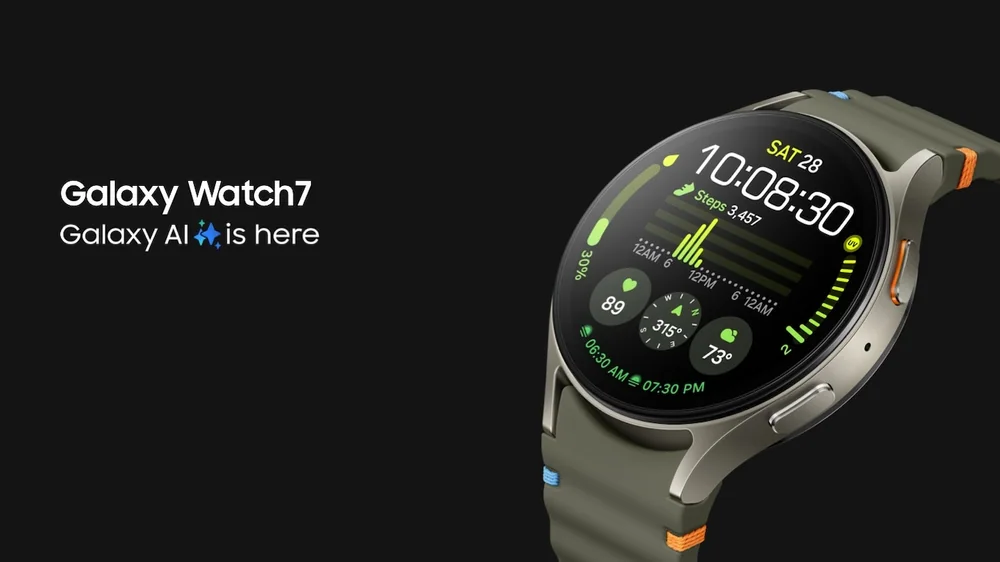
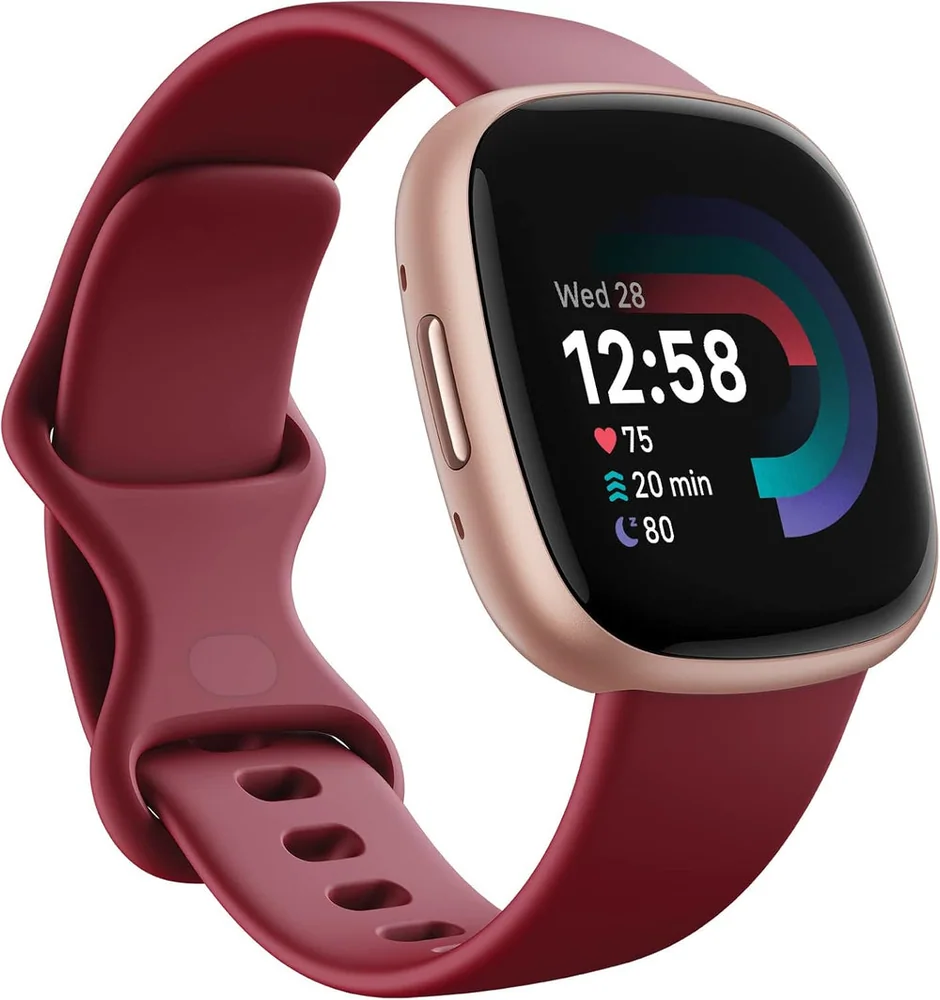
If you want a more established platform or a more specialized watch, these are the cleaner routes.
Amazfit Balance FAQ
Is the Amazfit Balance good for strength training?
It can track workouts broadly, but the product-specific evidence for strength training performance is thin here. If lifting is your main sport and you want the safest recommendation, choose a more clearly proven option.
Is the Amazfit Balance a good buy under $200?
It can fit under that cap, with battery life and wellness features as part of the appeal. If you want the most clearly proven all-around choice under a tight budget, Fitbit Charge 6 is the safer buy.
How accurate are calorie burn numbers on the Amazfit Balance?
Calorie estimates on wrist watches are directionally useful, not precise. They’re best for comparing your own workouts over time, since the number is driven by heart rate plus general body stats.
Can I trust readiness or recovery scores on a fitness watch?
Treat them as a helpful summary, not a rule. These scores combine signals like sleep, heart rate trends, and recent training load, and they can be thrown off by stress, travel, illness, alcohol, or a bad sensor night.
How should I judge sleep tracking on the Amazfit Balance?
Sleep stages are inferred from movement and heart rate patterns, not directly measured. The most useful sleep data is usually total sleep time and consistency trends, not exact stage minutes.
Should you buy the Amazfit Balance?
Buy the Amazfit Balance if you want a budget-friendly smartwatch-style watch that covers a lot of fitness and wellness ground and you care about battery life enough that it affects whether you’ll actually wear the watch. It’s a sensible alternative if you’re trying to avoid paying for a flagship brand while still getting a watch that feels more capable than a basic band.
Skip it if you want the most established all-around tracker under a strict budget or if strength training is your main priority and you want the safest bet. In those cases, Fitbit Charge 6 is the cleaner under-budget choice, and a Garmin running watch is the more straightforward move when training metrics matter most.